Category: Blockchain Applications - Page 2

What is OPEN Ticketing Ecosystem (OPN)? A Guide to On-Chain Ticketing

What is OPEN Ticketing Ecosystem (OPN)? A Guide to On-Chain Ticketing

Discover what OPEN Ticketing Ecosystem (OPN) is, the successor to GET Protocol. Learn how this multi-chain crypto powers on-chain ticketing, eliminates fraud, and rewards stakers.

Read More

Blockchain-Based Identity Verification: A Guide to Self-Sovereign Identity

Blockchain-Based Identity Verification: A Guide to Self-Sovereign Identity

Discover how blockchain-based identity verification empowers users with self-sovereign control over personal data. Learn about DIDs, verifiable credentials, and real-world applications.

Read More
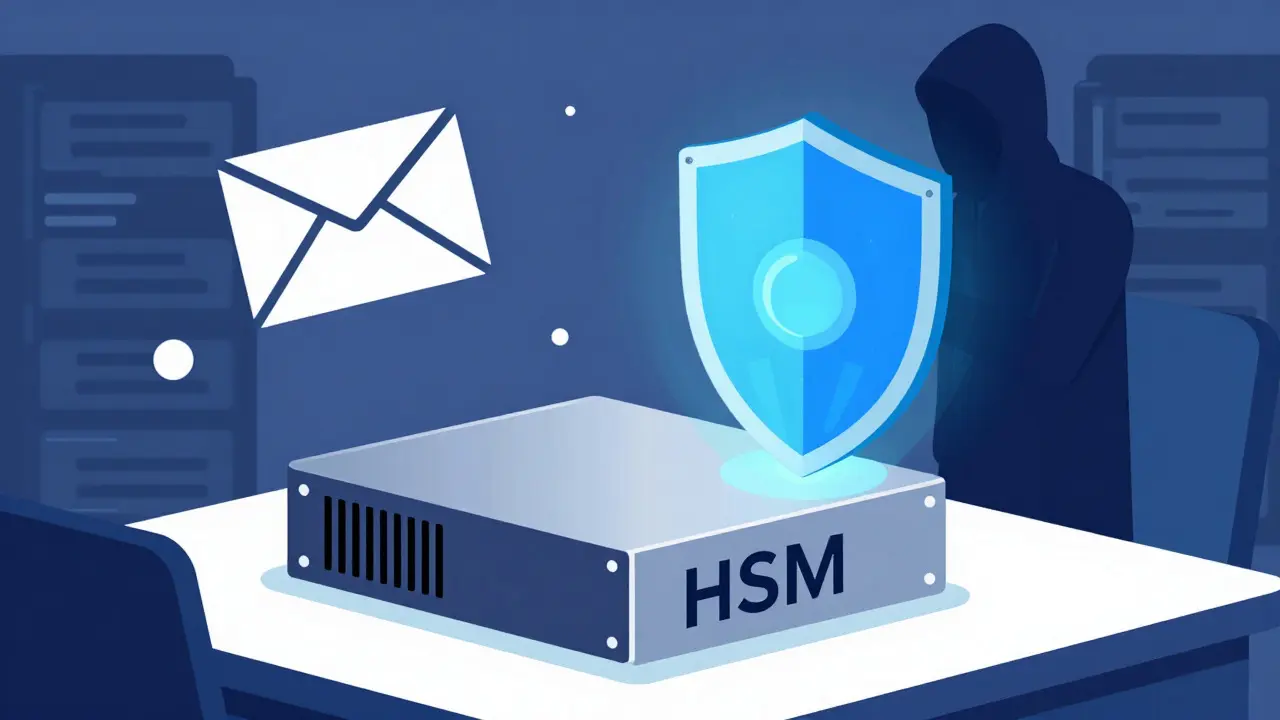
HSM Cost for Crypto: Real Budgets & Hidden Fees

HSM Cost for Crypto: Real Budgets & Hidden Fees

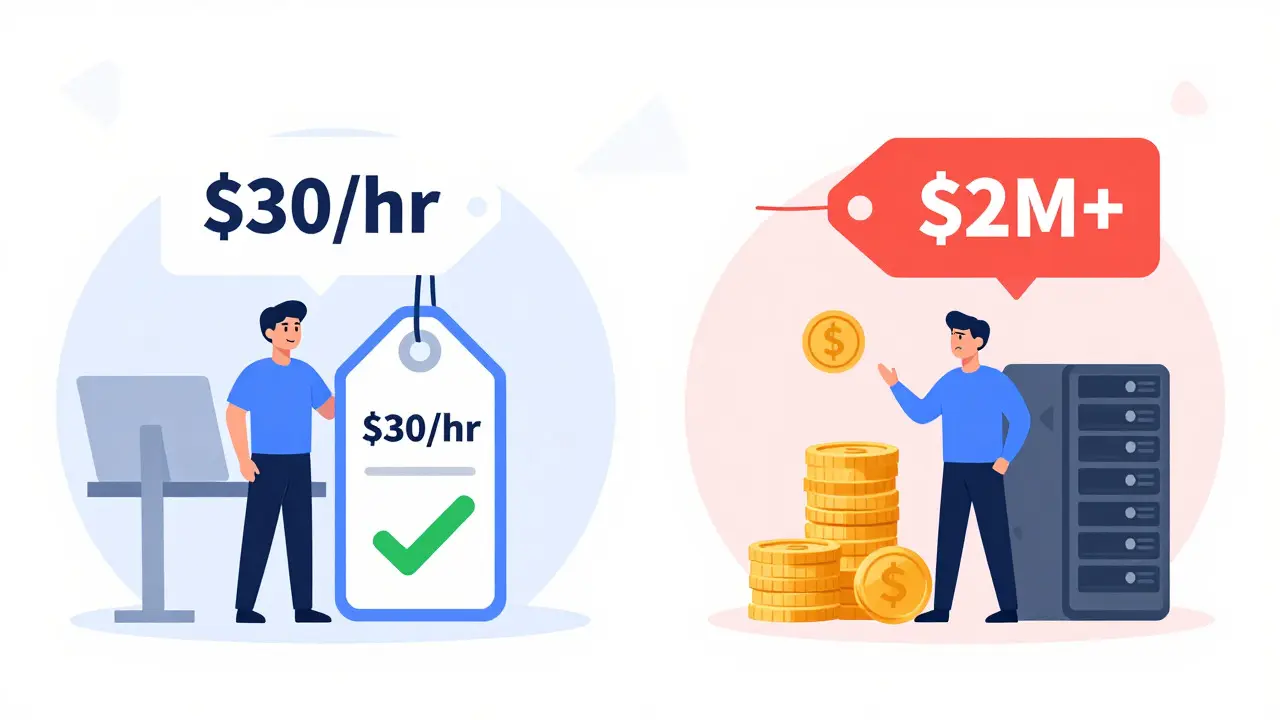
Breakdown of HSM costs for crypto, including hardware prices, cloud vs. on-premise options, and hidden integration fees. Learn how to budget for secure key management.

Read More
Privacy in NFT-Based Digital Identity: Balancing Transparency and Control

Privacy in NFT-Based Digital Identity: Balancing Transparency and Control

Explore how NFT-based digital identity balances blockchain transparency with user privacy using Secret NFTs, Zero-Knowledge Proofs, and soulbound tokens.

Read More
Financial Inclusion Through Blockchain: How Tech Bridges the Banking Gap

Financial Inclusion Through Blockchain: How Tech Bridges the Banking Gap

Discover how blockchain technology is bridging the gap for the 1.7 billion unbanked people worldwide. Learn about DeFi, smart contracts, and tokenization driving financial inclusion.

Read More
Blockchain-as-a-Service Costs: 2026 Pricing Guide & Provider Comparison

Blockchain-as-a-Service Costs: 2026 Pricing Guide & Provider Comparison

Breakdown of Blockchain-as-a-Service costs in 2026. Compare provider pricing, hidden transaction fees, and implementation strategies to avoid budget overruns.

Read More
Getting Started with Web3 Development: A Practical Guide for 2026

Getting Started with Web3 Development: A Practical Guide for 2026

A practical guide to starting Web3 development in 2026. Learn the core stack, set up your environment, write secure smart contracts, and navigate the evolving blockchain landscape.

Read More
Can Blockchain Data Ever Be Changed or Deleted? The Truth About Immutability

Can Blockchain Data Ever Be Changed or Deleted? The Truth About Immutability

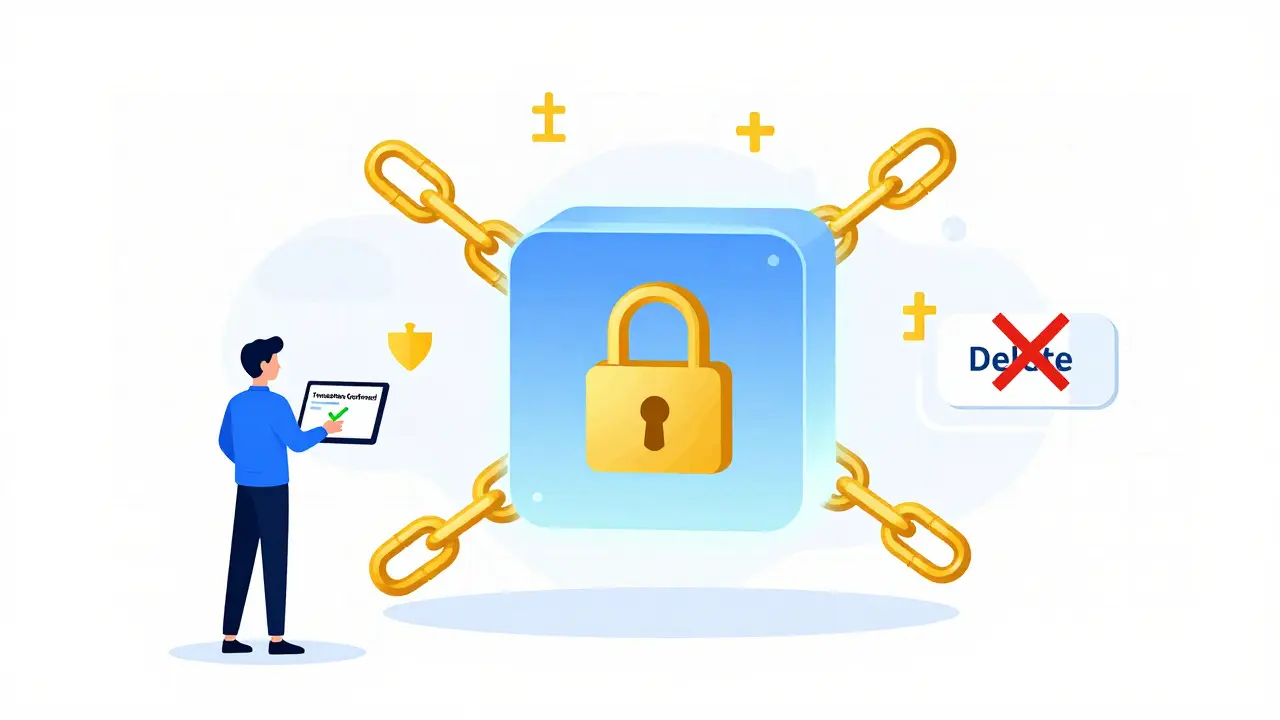
Is blockchain data truly permanent? We explore the technical limits of immutability, including hard forks, 51% attacks, and GDPR challenges, to see when and how blockchain records can actually be changed or deleted.

Read More
Future of Blockchain Privacy: ZK-Proofs, AI Security & 2026 Trends

Future of Blockchain Privacy: ZK-Proofs, AI Security & 2026 Trends

Explore the future of blockchain privacy in 2026. Learn how zero-knowledge proofs, quantum-resistant encryption, and decentralized identity are reshaping data security for enterprises and individuals.

Read More
Byzantine Fault Tolerance vs Traditional Consensus: Which Keeps Your Network Safe?

Byzantine Fault Tolerance vs Traditional Consensus: Which Keeps Your Network Safe?

Explore the key differences between Byzantine Fault Tolerance and traditional consensus. Learn when to use BFT for security and when traditional methods like Raft are better for performance.

Read More
Metadata Security and Immutability: The Blockchain Standard for Data Integrity

Metadata Security and Immutability: The Blockchain Standard for Data Integrity

Explore metadata security and immutability, the cornerstone of modern data integrity. Learn how WORM principles, blockchain tech, and storage-level locks protect against ransomware and ensure compliance.

Read More
The Future of Tokenomics Design: Beyond Speculation to Sustainable Value

The Future of Tokenomics Design: Beyond Speculation to Sustainable Value

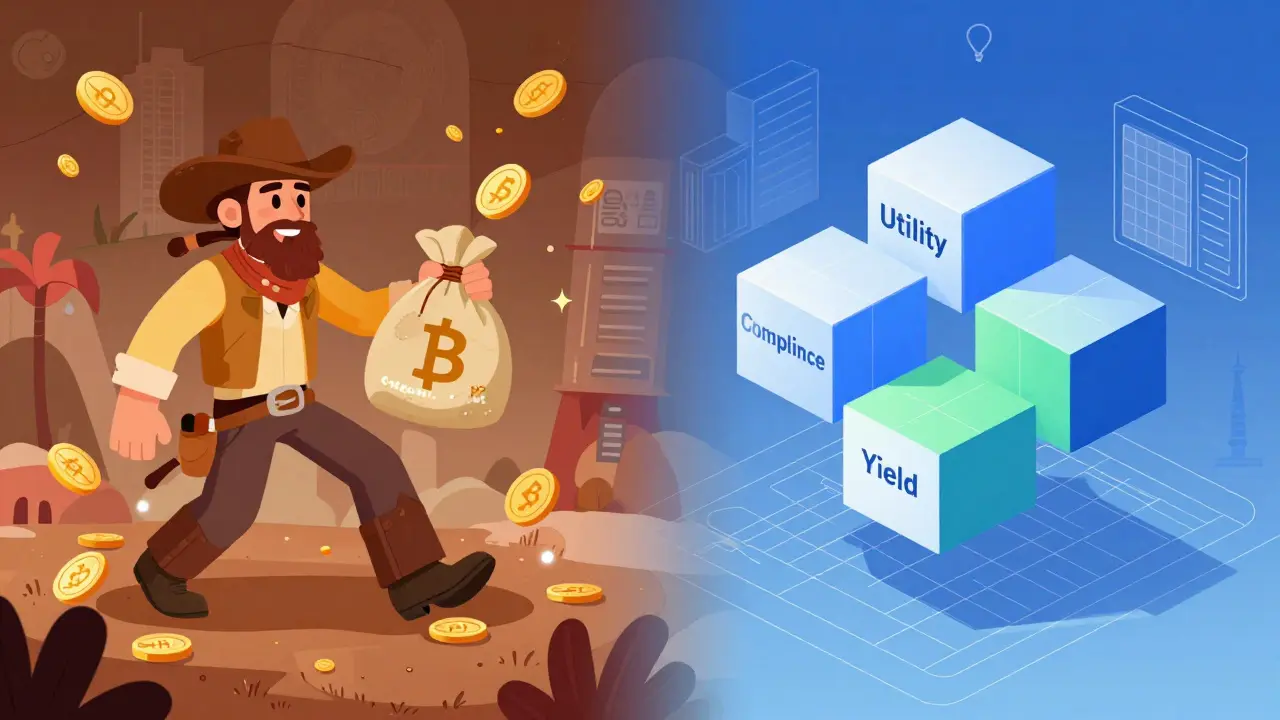
Explore the evolution of tokenomics design in 2026. Learn how RWA tokenization, DAO governance, and regulatory compliance are reshaping blockchain economics for sustainable value.

Read More