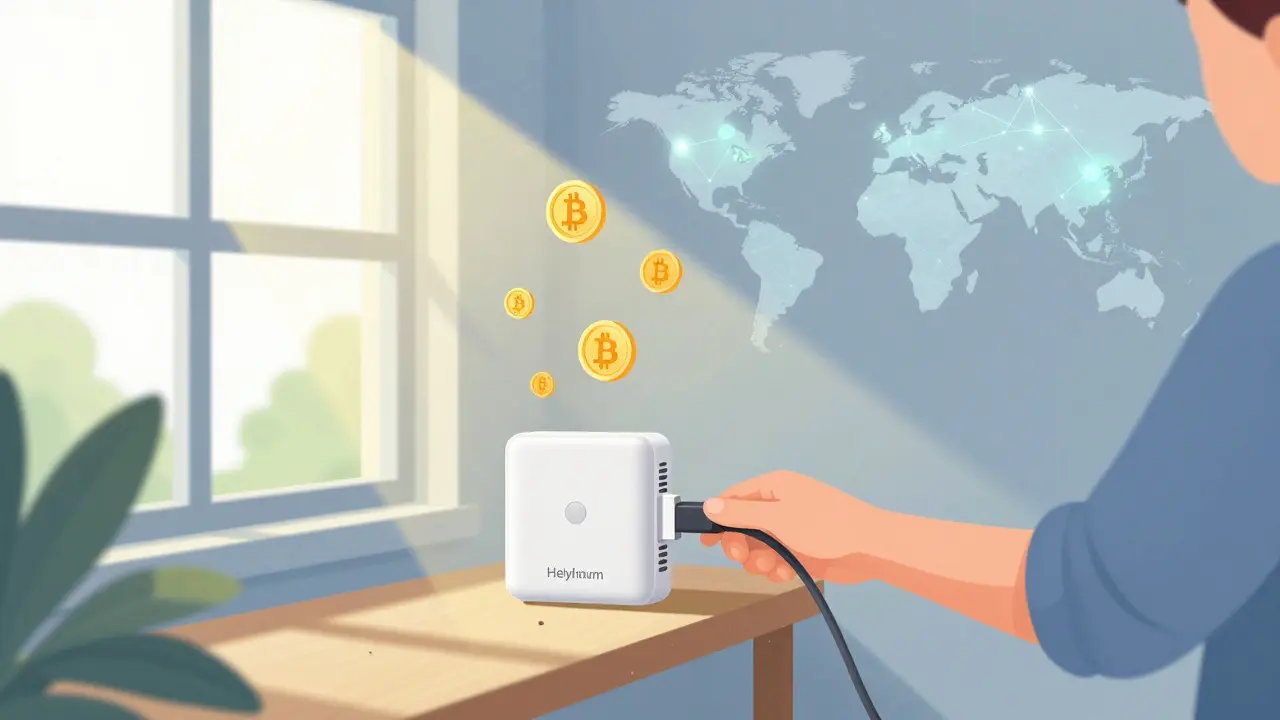
Imagine a world where your Wi-Fi router doesn’t just connect you to the internet-it also pays you in crypto. Or where your solar panels don’t just power your home, but feed excess energy into a neighborhood grid that rewards you for every kilowatt you share. This isn’t science fiction. It’s happening right now through DePIN-Decentralized Physical Infrastructure Networks. And it’s the most tangible shift in how we build and own real-world systems since the internet went mainstream.
What Exactly Is DePIN?
DePIN stands for Decentralized Physical Infrastructure Networks. At its core, it’s about turning physical hardware-routers, sensors, solar panels, storage drives, even electric vehicle chargers-into nodes in a blockchain-powered network. Instead of a single company like Telstra or AT&T building cell towers and charging you for access, ordinary people install small devices in their homes or businesses. These devices contribute real-world resources, and in return, they earn tokens. The whole system runs on smart contracts, so payments are automatic, transparent, and free of middlemen. The first big success story was Helium. Launched in 2019, Helium created a global wireless network for IoT devices by encouraging people to buy and set up hotspots. By 2023, over a million hotspots were live across 100+ countries. That’s more coverage than some national telecom providers. And it wasn’t funded by venture capital alone-it was built by tens of thousands of everyday users who saw a chance to earn while helping create something public. This isn’t just about internet access. DePIN is expanding into energy, storage, computing, and even urban monitoring. Filecoin lets you rent out unused hard drive space to store data securely across a global network. Arkreen turns home solar systems into nodes in a decentralized green energy grid. PEAQ and C4E are experimenting with tokenized energy markets where households trade surplus power directly with neighbors. All of this is coordinated by blockchain, which keeps track of who contributed what, when, and how much they should be paid.Why DePIN Beats Traditional Infrastructure
Traditional infrastructure-cell towers, power plants, data centers-is expensive, slow, and controlled by a handful of corporations or governments. Building a new cell tower can cost millions and take years. Regulatory hurdles, land acquisition, and bureaucratic delays make expansion nearly impossible in rural or underserved areas. DePIN flips that model. A single Helium hotspot costs under $300. You plug it in, connect it to your Wi-Fi, and it starts contributing to the network. No permits. No corporate approval. No waiting. And because thousands of people do this, coverage builds organically-like moss growing on a tree. It’s not perfect, but it’s faster, cheaper, and far more inclusive. Cost savings are massive. A study by the Coinbase Institute found that DePIN networks can deliver telecom coverage at 60% lower cost than traditional providers. Why? No corporate overhead. No shareholder demands. No expensive middlemen. Just people sharing resources and getting paid fairly through code. Ownership is another game-changer. In traditional systems, you’re a customer. In DePIN, you’re a co-owner. If you run a Filecoin storage node, you don’t just use the service-you help maintain it. And if the network grows, your token holdings gain value. It’s not speculation-it’s participation. You’re not just buying a product. You’re investing in the infrastructure itself.The Real-World Projects Leading the Way
Not all DePIN projects are the same. Some focus on connectivity, others on storage or energy. Here are the key players making real impact:- Helium: The pioneer. Built the largest decentralized wireless network for IoT devices. Over 1.2 million hotspots deployed. Uses LoRaWAN for long-range, low-power communication.
- Filecoin: A decentralized cloud storage network. Users rent out spare hard drive space. Stores data in a way that’s encrypted, distributed, and censorship-resistant. Over 10 exabytes of storage pledged as of late 2025.
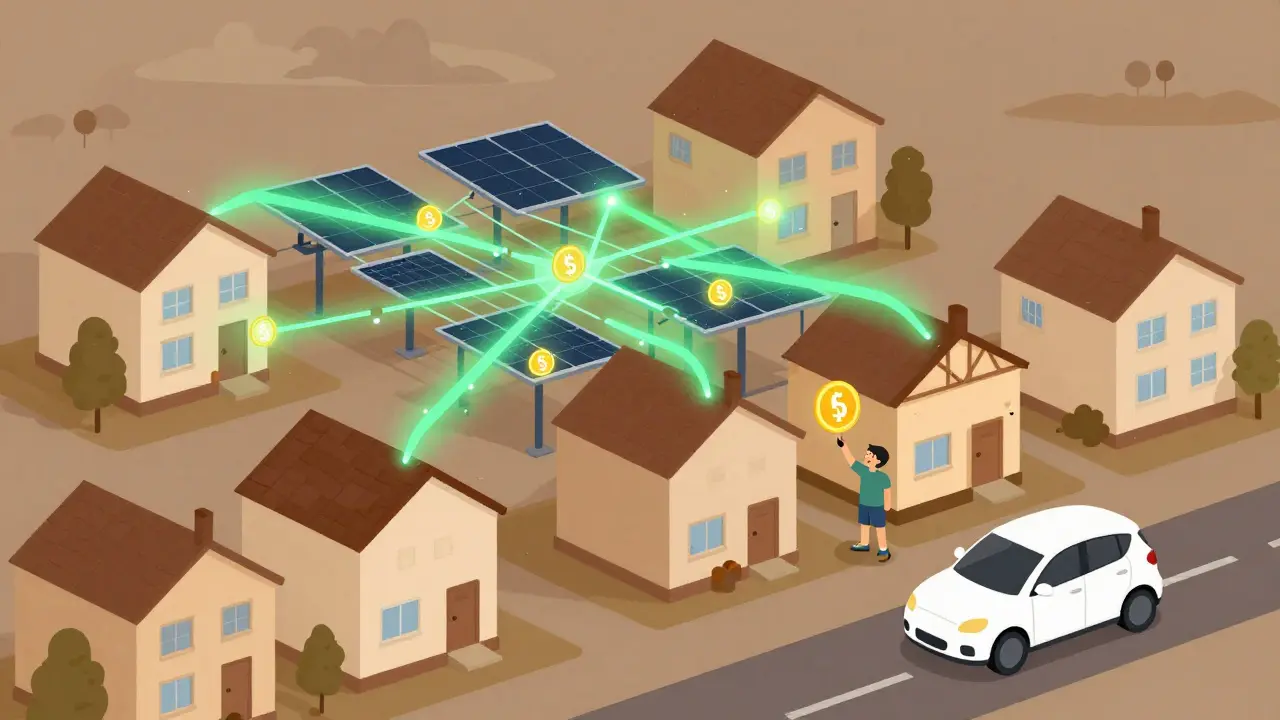
- Arkreen: Focuses on renewable energy. Home solar owners earn tokens for surplus electricity fed into a local grid. Partners with utilities in Southeast Asia and Europe to integrate DePIN into existing power systems.
- PEAQ: A blockchain layer designed for DePIN economies. Enables seamless token transfers between different infrastructure networks-like paying for energy with tokens earned from data storage.
- C4E: A decentralized energy trading platform. Allows households and small businesses to buy and sell electricity peer-to-peer, using real-time pricing and blockchain settlement.
Challenges: It’s Not All Easy Money
DePIN sounds great-but it’s not without friction. Many early adopters thought they’d just plug in a device and watch their wallet grow. Reality is messier. First, hardware matters. A Helium hotspot needs stable internet, consistent power, and proper placement. If your device is buried in a basement or stuck behind metal walls, it won’t connect well. Rewards drop. Some users report earning less than $5 a month after factoring in electricity costs. Second, token value is volatile. Helium’s HNT token dropped over 70% in 2023 after a major network upgrade. Many participants panicked, sold off, and left. Others held on-and saw prices rebound by 2025 as the network stabilized and usage grew. This isn’t a stock market. It’s a reward system tied to real utility. But people treat it like one. Third, technical barriers are high. Setting up a Filecoin node requires understanding disk allocation, proof-of-replication, and storage markets. You need Linux basics, command-line skills, and patience. Most users aren’t developers. Support channels are often run by volunteers on Discord or Telegram. If your drive fails, you’re on your own. And then there’s regulation. Governments don’t know what to do with DePIN. Is a Helium hotspot a telecom device? A radio transmitter? A utility? In Australia, the ACMA (Australian Communications and Media Authority) is still reviewing whether these devices need licensing. In the U.S., the FCC has issued guidance but no clear rules. Uncertainty scares off institutional investors-and slows adoption.Who Should Get Involved?
Not everyone should run a DePIN node. But if you’re the kind of person who enjoys tinkering with tech, owns a home with decent internet, and wants to earn passive income from assets you already have, then DePIN is worth exploring. Here’s who it works for:- Homeowners with reliable internet: Perfect for Helium hotspots or Filecoin storage.
- Small business owners: Use a hotspot to improve local coverage and earn tokens. A café in Fremantle, for example, added a Helium node and now earns enough to cover its monthly internet bill.
- Renewable energy users: If you have solar panels or a home battery, Arkreen lets you monetize excess power.
- Tech-savvy early adopters: If you’ve set up a Raspberry Pi server or run a Bitcoin node, you’ll handle DePIN hardware with ease.
The Future: Where DePIN Goes Next
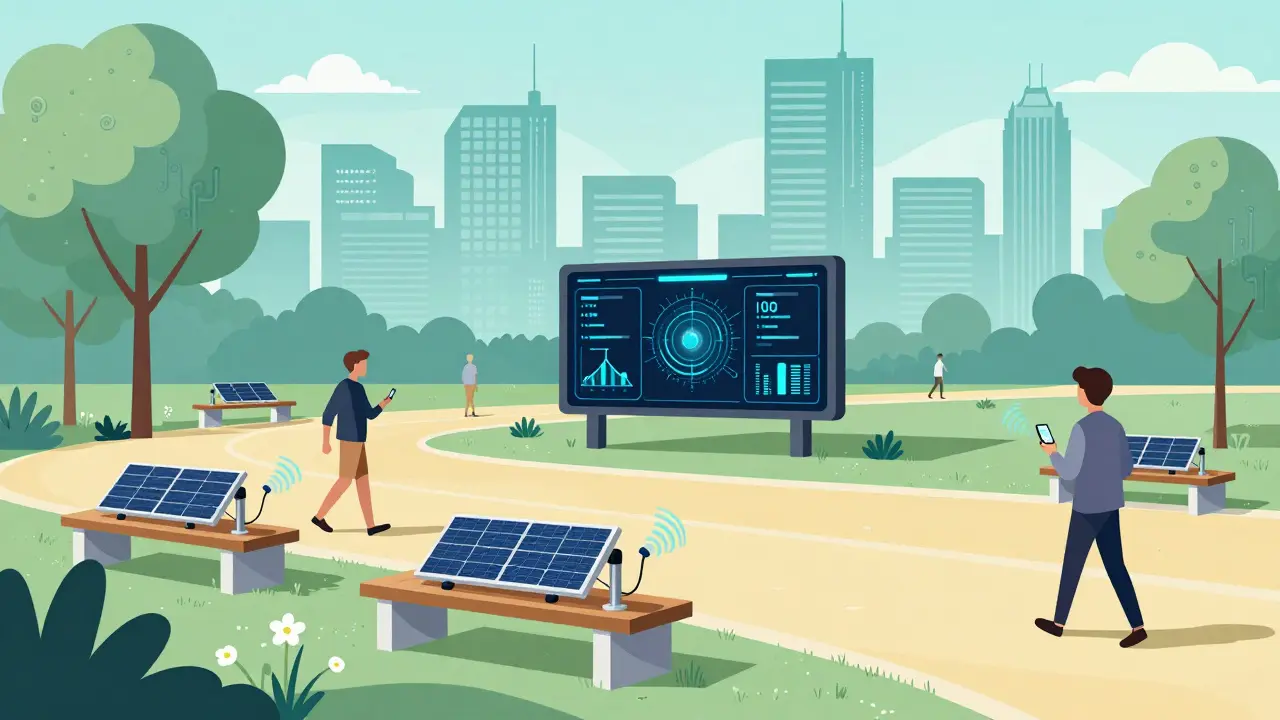
The next five years will decide whether DePIN becomes a niche curiosity or a global standard. Several trends are shaping its path. First, integration with smart cities. Perth is testing DePIN-based air quality sensors in public parks. These sensors, powered by solar and connected via Helium, send real-time data to city dashboards-without relying on expensive municipal networks. Similar pilots are running in Lisbon, Singapore, and Toronto. Second, interoperability. Projects like PEAQ are building bridges between different DePIN networks. Imagine earning Filecoin tokens from storing data, then using them to pay for electricity from Arkreen. No conversions. No fees. Just seamless value flow across infrastructure types. Third, enterprise adoption. Big companies are watching. Amazon is quietly testing decentralized storage for backup data. Google has invested in blockchain-based IoT infrastructure. Even Telstra has explored partnerships with Helium to extend coverage in remote areas without building new towers. And finally, regulation. When governments stop treating DePIN as a threat and start seeing it as a tool for public good, adoption will explode. Clear rules on spectrum use, tax treatment of token rewards, and device certification will unlock institutional capital. That’s the real tipping point.Getting Started: Simple Steps
If you’re curious, here’s how to dip your toes in-no tech degree required:- Choose a network. Start with Helium for wireless or Filecoin for storage. Both have beginner-friendly guides.
- Buy the hardware. A Helium hotspot costs $200-$300. Filecoin needs a used PC with 10TB+ storage. Avoid the cheapest options-reliability matters.
- Set it up. Plug in the device. Connect to Wi-Fi. Follow the app instructions. Most take under 15 minutes.
- Link your wallet. Create a Phantom or MetaMask wallet. Transfer a small amount of crypto to pay for transaction fees.
- Wait and monitor. Check your dashboard weekly. Join the project’s Discord. Ask questions. Learn from others.
Final Thought: Infrastructure Belongs to Everyone
For over a century, infrastructure has been a monopoly. Governments built roads. Corporations built networks. You paid to use them. You had no say. No ownership. No voice. DePIN changes that. It says: if you contribute, you own. If you help build, you benefit. It’s not about replacing governments or corporations-it’s about giving people a seat at the table. The future of infrastructure isn’t in the hands of CEOs or bureaucrats. It’s in the hands of the people who live in it, use it, and care about it. That’s not just innovation. That’s justice.Is DePIN just another crypto scam?
No. DePIN isn’t about speculation-it’s about real-world utility. Unlike meme coins or empty blockchain projects, DePIN networks require physical hardware, real energy, and tangible contributions. Helium has over a million active hotspots. Filecoin stores over 10 exabytes of data. These aren’t theoretical. They’re functioning networks that deliver services people use daily. The tokens are rewards for participation, not promises of profit.
Can I make money with DePIN?
Possible, but not guaranteed. Some people earn $20-$100/month from Helium hotspots in high-demand areas. Filecoin providers with large storage setups can earn more. But electricity costs, hardware failures, and token price drops can eat into profits. Think of it like running a small business: you invest upfront, manage it, and get paid based on performance. It’s not passive income-it’s active participation.
Do I need to be tech-savvy to join DePIN?
You don’t need to be an engineer, but you should be comfortable with basic tech. Setting up a Helium hotspot is like plugging in a smart speaker. Filecoin requires more effort-you’ll need to manage storage drives and understand basic Linux commands. If you’ve ever updated a router or installed a home security camera, you can handle it. If you hate reading manuals, wait until the interfaces get simpler.
Is DePIN legal in Australia?
Yes, as of 2025. There are no laws banning DePIN devices. However, the ACMA is reviewing whether certain devices (like Helium hotspots) fall under radio transmission regulations. So far, no enforcement actions have been taken. As long as your device complies with standard Wi-Fi and RF emission limits, you’re within legal bounds. Always check the latest ACMA guidelines before purchasing hardware.
What happens if the token price crashes?
Token value fluctuations are normal. Many early DePIN participants sold when prices dropped, only to miss the rebound. The key is to focus on utility, not price. If your hotspot is providing real network coverage and earning consistent rewards, the token’s long-term value is tied to network growth-not hype. Treat it like owning a piece of infrastructure: its worth grows when more people use it, not when traders speculate on it.
How is DePIN different from Web3?
Web3 is mostly about digital things: decentralized finance, NFTs, virtual land. DePIN is about physical things: routers, solar panels, storage drives. Web3 tries to move the internet off corporate servers. DePIN moves real-world infrastructure off corporate control. One is digital decentralization. The other is physical decentralization. They’re related, but DePIN is the bridge between crypto and the tangible world.
Are there any DePIN projects in Perth?
Yes. Several Perth residents run Helium hotspots, especially in Fremantle and Subiaco where network coverage is still spotty. A few solar-powered Arkreen nodes are also active in the southern suburbs. The city’s smart city initiative has partnered with DePIN teams to test air quality sensors in public parks. You’ll find local Discord groups and meetups for DePIN users in Perth-search for “DePIN Australia” or “Helium Perth” on Telegram.