Decentralized Storage Security: How to Protect Your Data in a Web3 World
Discover how decentralized storage security eliminates single points of failure using blockchain, encryption, and data fragmentation to protect your digital assets.
Read MoreWhen working with Blockchain Applications, technology that records transactions on a distributed ledger and enables programmable logic. Also known as decentralized apps, it allows businesses to automate trust without a central authority. Blockchain Applications encompass Smart Contracts, self‑executing code that runs when predefined conditions are met, power Digital Identity, self‑sovereign systems that let users control their credentials, and enable DeFi Flash Loans, instant, uncollateralized loans used for arbitrage and other strategies. Each of these pieces fits into a larger ecosystem where trust, speed, and transparency matter.
Smart contracts unlock use cases beyond cryptocurrency, from tokenizing real estate to automating insurance payouts. Digital identity solutions reshape compliance in finance, healthcare, and government by letting individuals own and share verifiable credentials. Flash loans give traders a risk‑free way to exploit price differences across markets, while also exposing new vectors for security testing. Meanwhile, carbon‑neutral blockchain approaches—often built on proof‑of‑stake consensus and on‑chain carbon offsets—show how the sector can reduce its energy footprint. In short, blockchain applications require developer expertise, knowledge of cryptographic primitives and smart‑contract languages and benefit organizations looking to cut costs, improve data integrity, and innovate faster.
Below you’ll find a curated set of guides that dive deeper into each of these areas. Whether you’re a developer hunting for flash‑loan code, a business leader exploring digital‑ID compliance, or a sustainability nerd wanting greener chain solutions, the articles ahead break down the concepts, tools, and real‑world examples you need to get started.
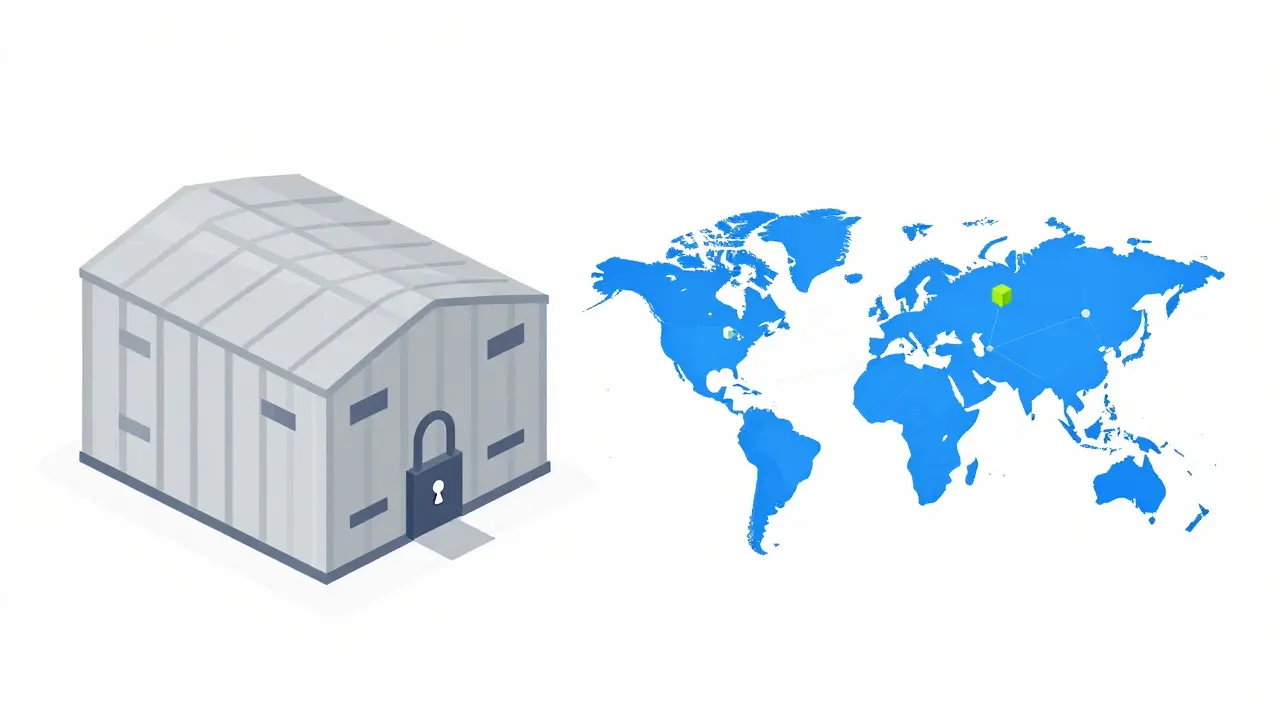
Discover how decentralized storage security eliminates single points of failure using blockchain, encryption, and data fragmentation to protect your digital assets.
Read More
AI and crypto are merging to create decentralized systems that power real AI services-from distributed training to autonomous agents. By 2025, this sector is worth $39 billion, with projects like Render Network and Bittensor leading the way.
Read More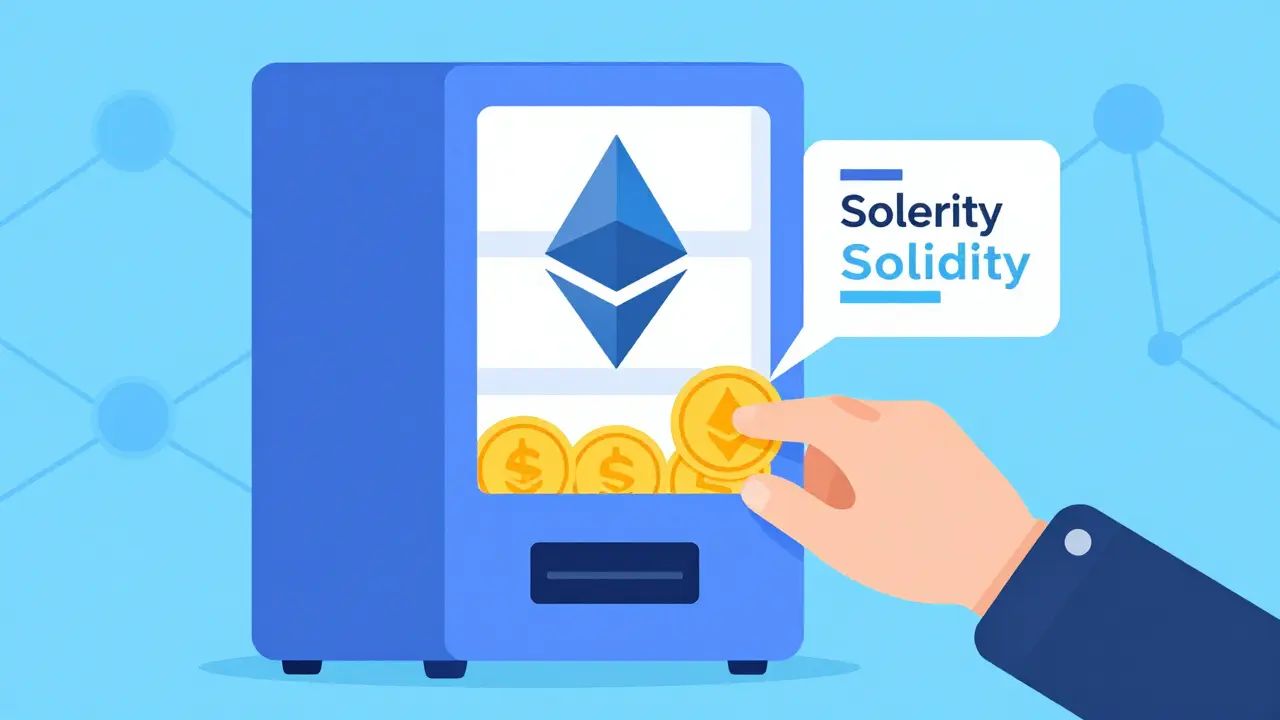
Smart contracts on Ethereum are self-executing programs that run automatically when conditions are met. They power DeFi, NFTs, and DAOs, using Solidity code on the EVM. No middlemen. No exceptions. Just code.
Read More
Cryptocurrency in legal contracts is now practical and enforceable in 2026. Learn how to use stablecoins, smart contracts, and clear clauses to make crypto payments legally binding and secure.
Read More
Music NFTs aren't just digital collectibles anymore - they're tools for artists to build real fan communities, keep more revenue, and offer exclusive experiences. Here are the real success stories that changed the game.
Read More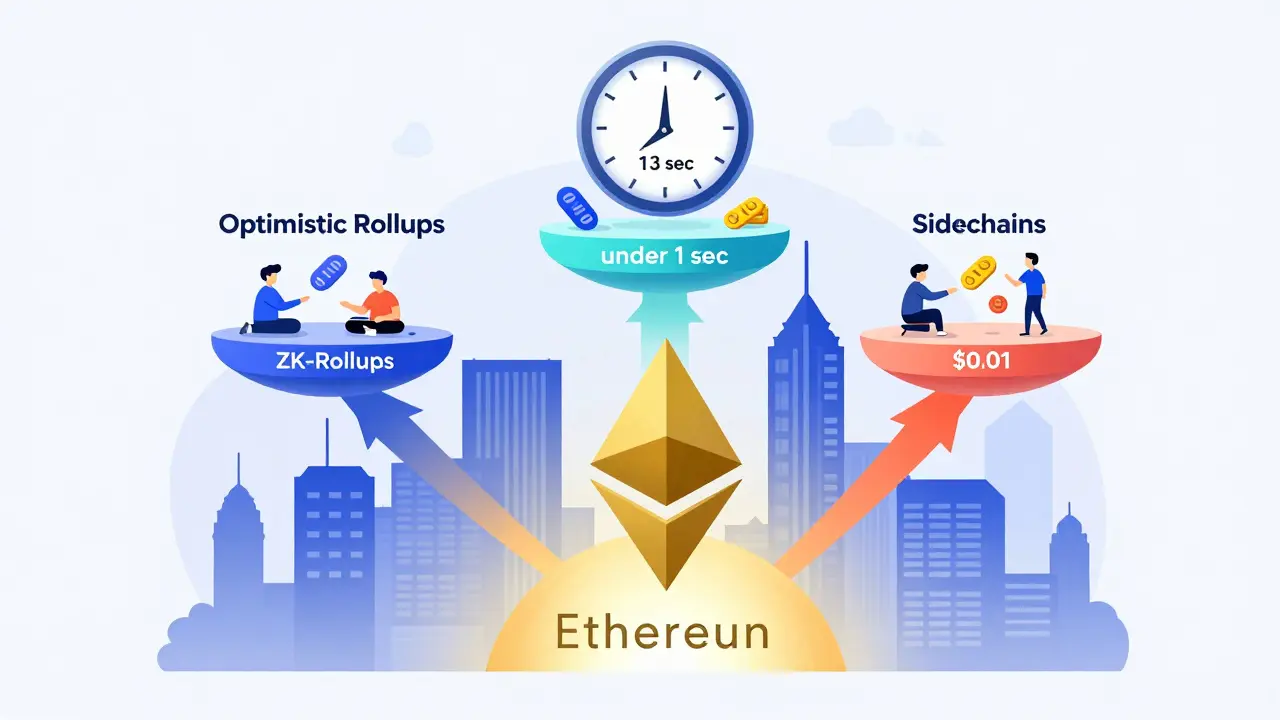
Layer 2 solutions like Arbitrum and ZK-Rollups solve Ethereum's high fees and slow speeds by processing transactions off-chain. They're now handling most DeFi, NFT, and gaming activity-with fees 100x lower than Ethereum's base layer.
Read More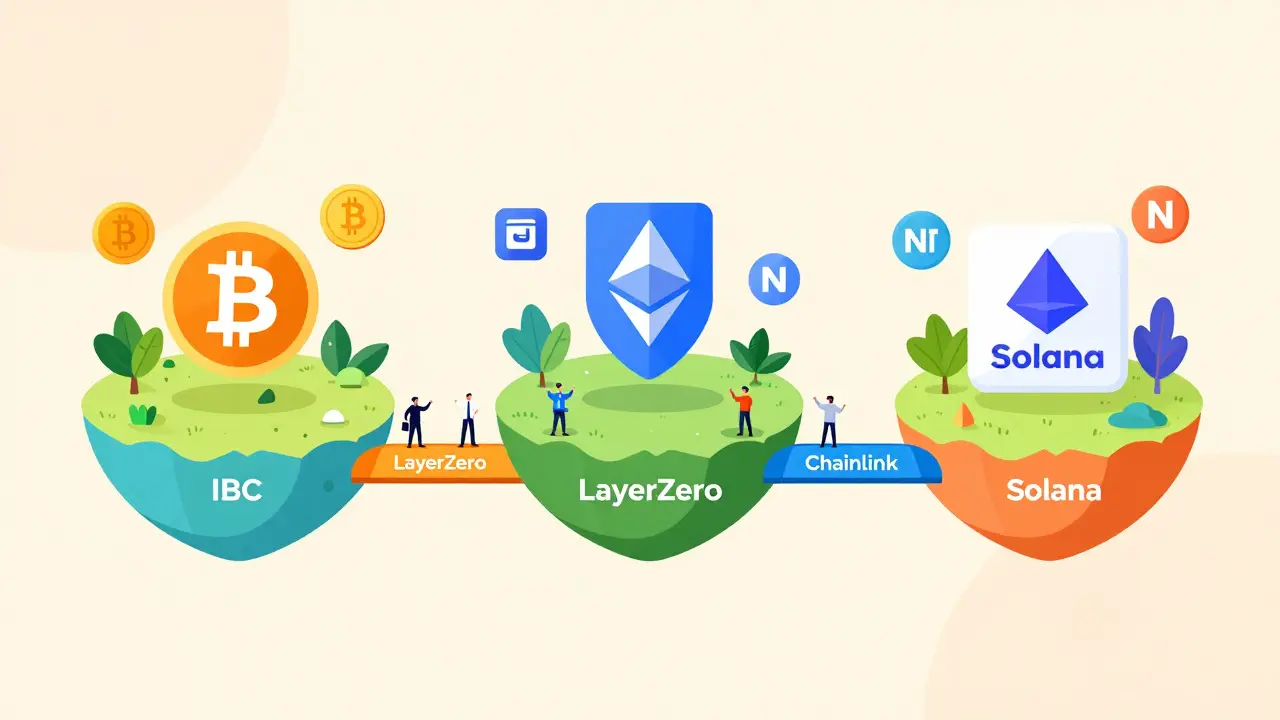
Interoperability protocols and standards let blockchains communicate securely and efficiently. Learn how IBC, Chainlink CCIP, and LayerZero enable cross-chain asset transfers, the four levels of interoperability, and what to watch for in 2025.
Read More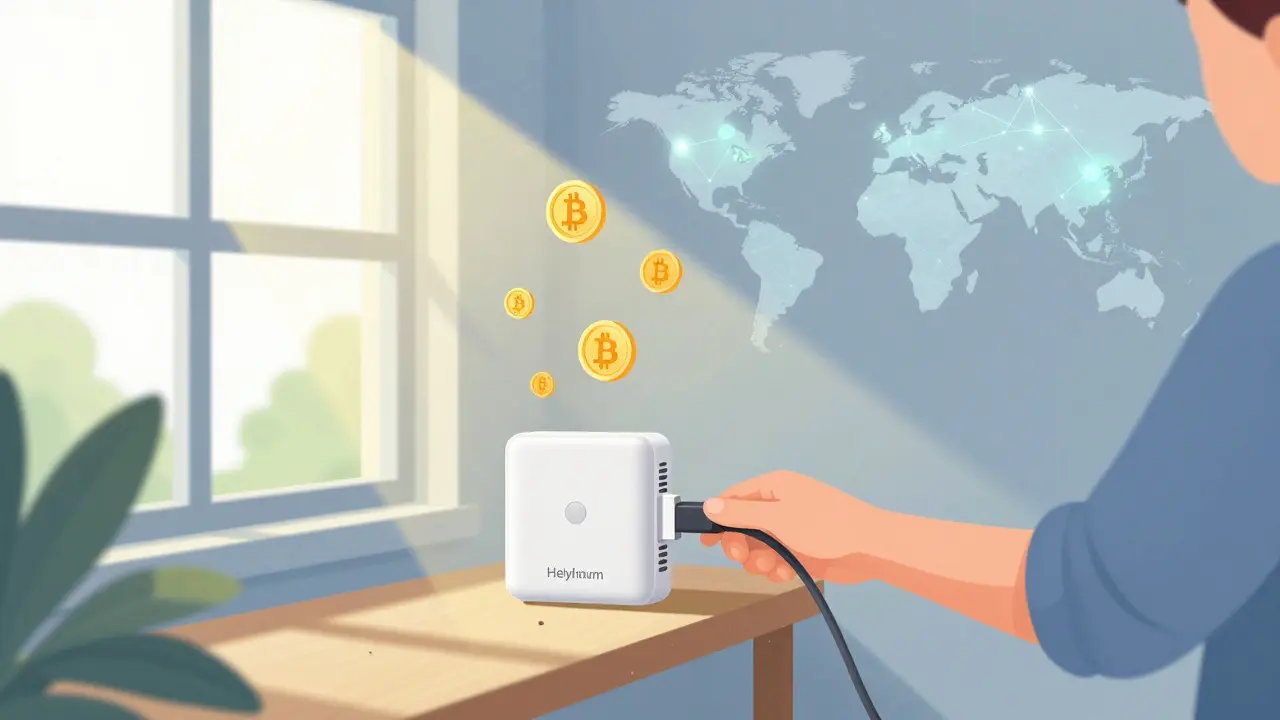
DePIN is transforming how real-world infrastructure like internet, energy, and storage is built and owned. By using blockchain and token rewards, everyday people can contribute hardware and earn value-bypassing corporations and governments. This is the future of public infrastructure.
Read More
Blockchain is cutting charity fraud by making every donation traceable, transparent, and tamper-proof. See how real systems like D-Donation and Charity Wall are changing how we give - and why it still has hurdles.
Read More
Owning an NFT doesn't mean you own the art. Learn what rights you actually get when you buy an NFT, from display to commercial use, and how to avoid costly legal mistakes.
Read More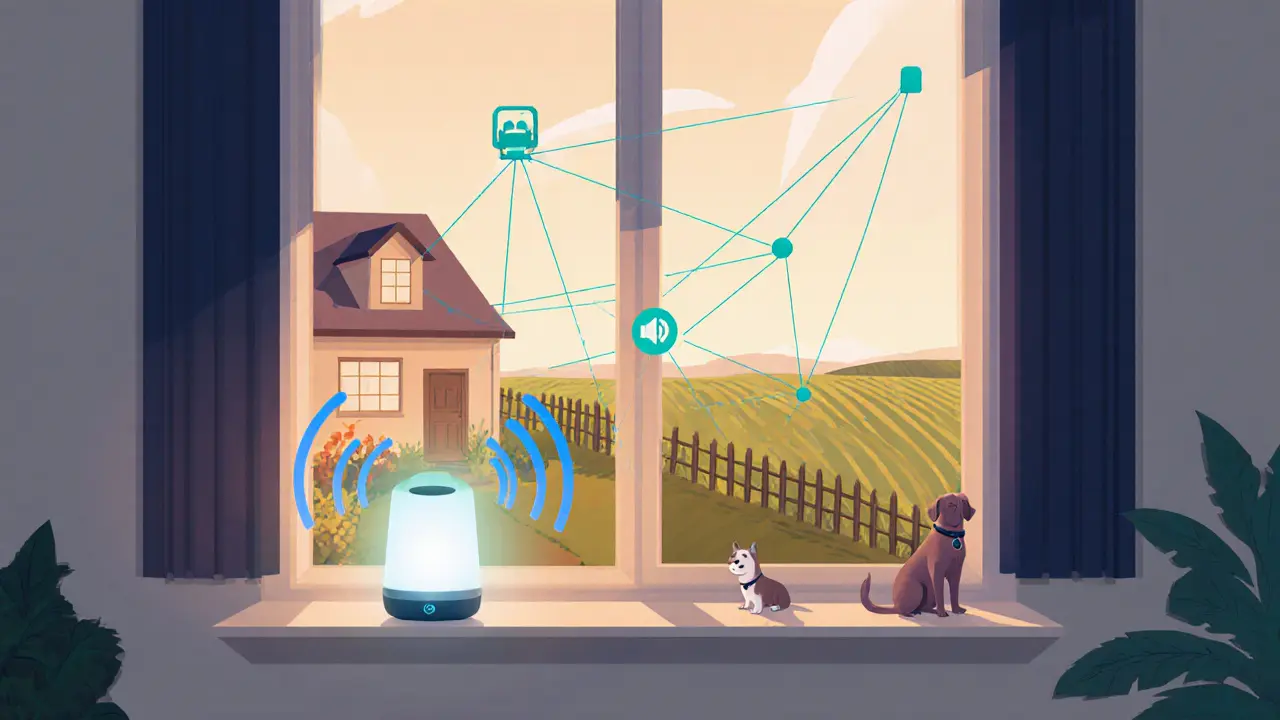
The Helium Network is a real-world DePIN that lets anyone build a decentralized wireless network using hotspots. With over 400,000 devices and 124,000 mobile users, it's proving blockchain can power physical infrastructure - not just crypto.
Read More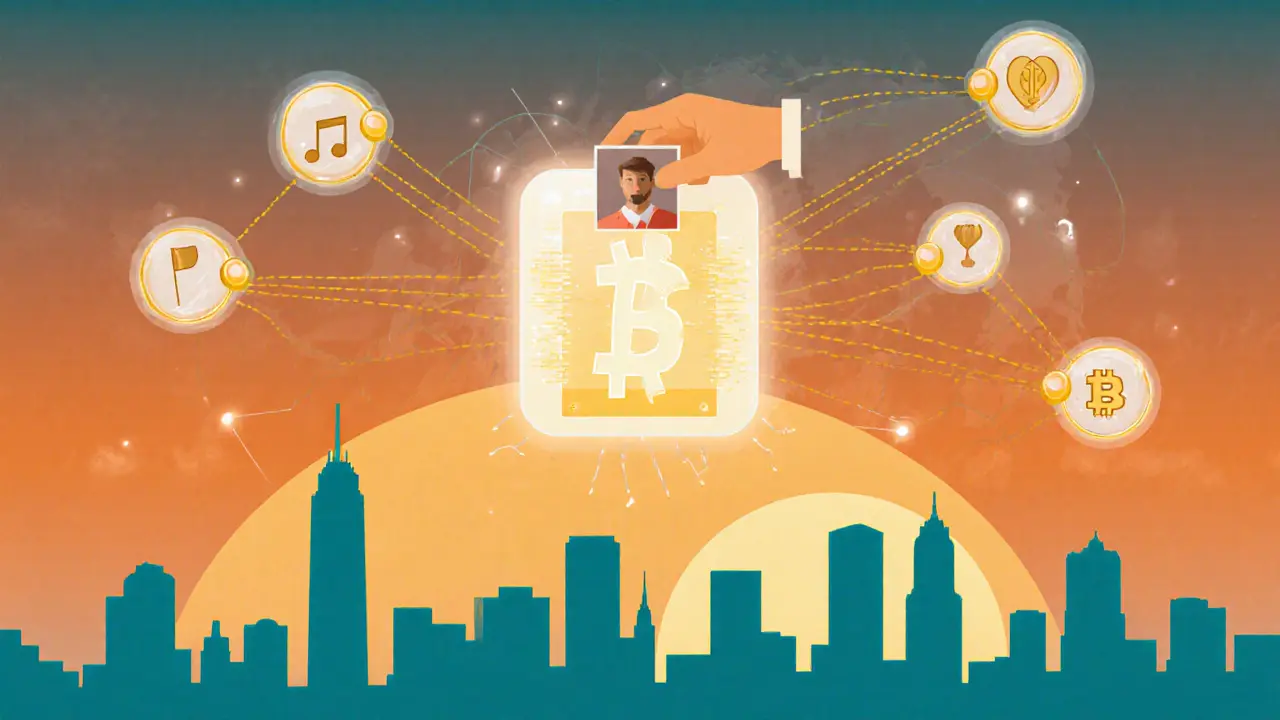
Blockchain-based digital rights management gives creators proof of ownership, automates royalty payments, and cuts out middlemen. Learn how it works, who's using it, and why it's the future of content control.
Read More