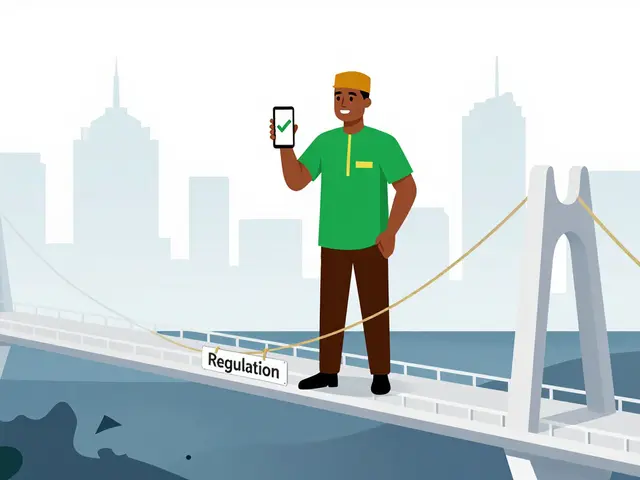
Can you use Bitcoin or Ethereum to pay for goods in Iran today? The short answer is: not really. But it’s not a simple yes or no. Iran doesn’t outright ban cryptocurrency payments - it just makes them nearly impossible to use legally. The government walks a tightrope: it wants the financial benefits of crypto mining, but it fears losing control over its currency and economy. What you’re seeing isn’t a ban - it’s surveillance with limits.
Miners Can Work, But You Can’t Pay With Crypto
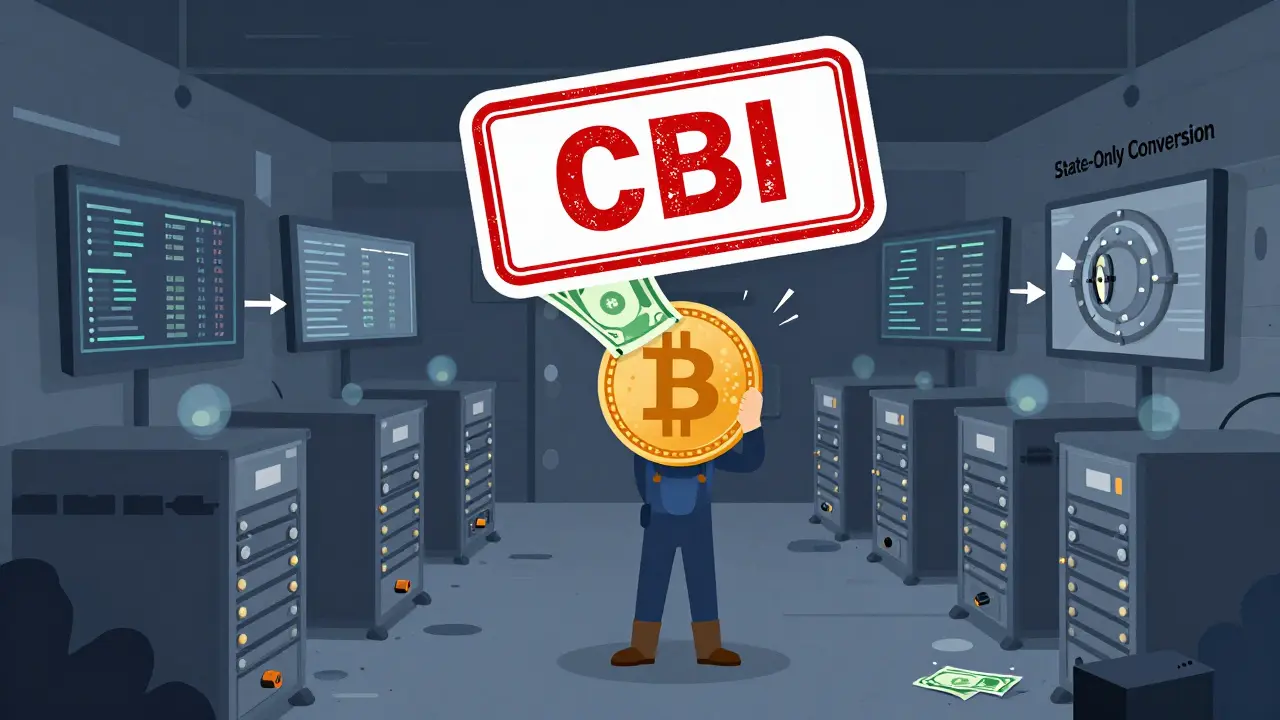
Iran is one of the top five countries in the world for Bitcoin mining. Why? Because electricity is cheap. But here’s the twist: if you mine Bitcoin, you’re not allowed to sell it to anyone in Iran. The law says you must sell your coins directly to the Central Bank of Iran (CBI) at a fixed price. That’s not a market - it’s a state monopoly. The government takes your mined crypto, converts it to rials, and uses the money to fund state projects. You get paid in rials, not crypto. And if you try to keep your Bitcoin? You risk fines or worse.Meanwhile, paying for a coffee, a phone, or even rent with Bitcoin? That’s blocked. In December 2024, the CBI shut down every online payment gateway that let Iranians convert rials to crypto or vice versa. No more Nobitex, no more local exchanges processing rial deposits. Even if you have crypto in your wallet, you can’t use it to buy anything in Iran’s formal economy. The system was designed to stop people from using crypto as real money - not to stop mining.
What About Foreign Exchanges? Can Iranians Use Them?
Many Iranians still use foreign exchanges like Binance or Kraken. They use VPNs to bypass internet blocks. But here’s the catch: even if you can access them, you can’t easily move money in or out. Iranian banks are forbidden from processing crypto-related transactions. So if you buy Bitcoin on Binance, you can’t withdraw cash to your Iranian bank account. And if you try to send rials to a foreign exchange? Your bank will freeze the transfer.There’s a thriving underground market. People trade crypto for cash in person - at cafes, in parking lots, through Telegram groups. It’s risky. No legal protection. No recourse if someone scams you. But for many, it’s the only way to protect savings from the rial’s freefall. The Central Bank doesn’t stop this - it can’t. But it doesn’t recognize it either. It’s a gray zone, and the government watches it closely.
Advertising Crypto? Now It’s Illegal
In February 2025, Iran went further than most countries. It banned all cryptocurrency advertising - online and offline. No more YouTube videos. No more billboards. No more Instagram ads. Even promoting a crypto exchange in a Telegram channel can get you summoned by authorities. This isn’t about protecting consumers. It’s about control. The government doesn’t want people thinking crypto is a viable alternative to the rial. It wants people to focus on the digital rial - its own version of a digital currency.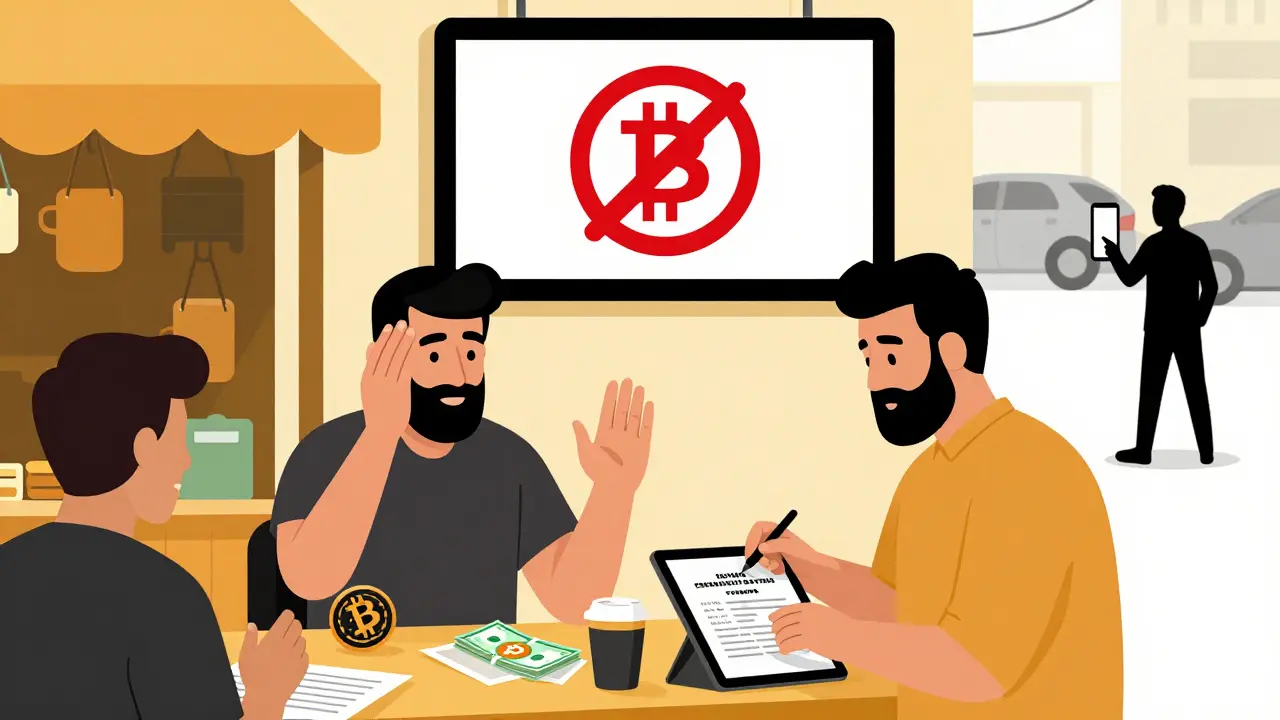
The Digital Rial: Iran’s Answer to Crypto
Iran is building its own digital currency called the "Rial Currency." Unlike Bitcoin, it’s not decentralized. It’s not mined. It’s entirely controlled by the Central Bank. Think of it like an app version of your rial bills - but with tracking. Every transaction can be monitored. Every user identified. The government is testing it on Kish Island, a free-trade zone, to see if it can replace the dollar in international trade. If it works, the digital rial could become mandatory nationwide.Here’s the irony: while the government blocks crypto payments, it’s pushing a digital currency that does the same thing - but with no privacy. The digital rial won’t help you avoid sanctions. It won’t protect your savings. It will just give the state more power over your money.
Why the Crackdown? Sanctions and the Rial’s Collapse
Iran’s crypto rules aren’t random. They’re shaped by sanctions. Since 2017, when global banks cut Iran off from SWIFT, Iranians turned to Bitcoin to buy medicine, import goods, and send money abroad. Crypto became a lifeline. But the government didn’t like that. It saw crypto as a threat to its control over the economy.The rial has lost over 80% of its value since 2018. Inflation is over 50%. People are desperate. But instead of letting crypto help, the government decided to control it. By forcing miners to sell to the state, it turned crypto into a revenue tool. By blocking payments, it stopped people from using it as money. And by banning ads, it tried to shrink public interest.
It’s working - sort of. Between January and July 2025, crypto flows into and out of Iran dropped by 11%. Fewer people are trading. Fewer exchanges are active. But the black market still hums. People still need a way out.

What Happens If You Try to Pay With Crypto?
If you’re a business and you accept Bitcoin for goods? You’re breaking the law. The Central Bank has the right to shut down your company, fine you, or even press criminal charges. If you’re a regular person and you buy crypto to save money? You’re not breaking the law - but you’re not protected by it either. No court will help you if your exchange disappears or your wallet gets hacked.There’s no official list of approved crypto platforms. No public guidelines. No clear rules. That’s the point. The government wants uncertainty. It wants people to be afraid to use crypto - even if they know it’s the best option.
International Pressure Is Mounting
In July 2025, Tether froze 42 crypto addresses linked to Iran - over half connected to Nobitex. This wasn’t random. It was coordinated. Western regulators are watching Iranian crypto activity closely. They’re targeting wallets tied to the Islamic Revolutionary Guard Corps (IRGC). If your crypto wallet has ever interacted with an Iranian exchange, it could be flagged. Even if you’re just trying to pay for food.That means using crypto in Iran now carries global risk. Your transaction might be blocked abroad. Your funds might be seized. Your name might end up on a sanctions list. It’s not just about Iranian law - it’s about global enforcement.
So, Is It Allowed? The Real Answer
Crypto payments in Iran are not illegal - they’re unworkable. The government lets you mine. It lets you hold. It even lets you trade secretly. But it blocks every legal path to use crypto as money. You can’t pay your rent. You can’t buy groceries. You can’t tip a driver. The system is designed to extract value from crypto - not to let it function as currency.The only way to use crypto legally in Iran is to sell it to the state. Everything else is a gray area - risky, unregulated, and watched. For now, crypto in Iran isn’t a payment tool. It’s a resource. And the state is the only one allowed to collect it.
Can I use Bitcoin to pay for goods in Iran?
No. While owning Bitcoin is not illegal, using it to pay for goods or services in Iran is effectively blocked. All domestic payment gateways for crypto-to-rial conversions were shut down in late 2024. The only legal way to convert crypto to rials is by selling directly to the Central Bank of Iran - not for everyday spending.
Is cryptocurrency mining legal in Iran?
Yes - but under strict control. Miners must get a license from the Ministry of Industry, Mine and Trade, use approved hardware, and pay government-set electricity rates. Crucially, they are required to sell all mined cryptocurrency directly to the Central Bank of Iran. Many miners operate illegally because the official rates make mining unprofitable.
Can I use foreign crypto exchanges like Binance from Iran?
Technically yes, but it’s risky. Many Iranians use VPNs to access foreign exchanges. However, Iranian banks are prohibited from processing crypto-related transfers, so you can’t easily deposit or withdraw rials. Also, international regulators like Tether have frozen Iranian-linked wallets, meaning your funds could be seized abroad.
Why did Iran ban crypto advertising?
In February 2025, Iran banned all crypto advertising - online and offline - to reduce public interest and prevent people from using crypto as an alternative to the rial. The government wants citizens to rely on its own digital currency, the digital rial, which it fully controls.
What is Iran’s digital rial, and how is it different from Bitcoin?
The digital rial is Iran’s central bank digital currency (CBDC). Unlike Bitcoin, it’s not decentralized. It can’t be mined, and its supply is controlled entirely by the Central Bank of Iran. Every transaction is tracked, and users are identified. It’s designed to replace cash and reduce dollar dependency - not to give people financial freedom.
Are crypto transactions in Iran monitored?
Yes. All licensed crypto platforms must use the Central Bank’s API, giving authorities full access to transaction data. Even unlicensed miners and traders are tracked through energy usage patterns and financial audits. The government has complete visibility into every legal crypto activity - and is actively hunting illegal ones.
Can I get in trouble for holding crypto in Iran?
Holding crypto is not illegal, but using it to pay for goods or converting it through unapproved channels can lead to penalties. The government doesn’t arrest people for owning Bitcoin - but it can shut down businesses, freeze bank accounts, or prosecute those who facilitate crypto payments. The risk is in action, not ownership.