Cryptocurrency Hub – Southeast Asia’s Blockchain & Crypto Resource Center

When working with cryptocurrency, digital money that uses cryptographic security on decentralized networks. Also called crypto, it lets anyone send value directly, bypassing traditional intermediaries, you instantly tap into a fast‑growing market. Cryptocurrency powers peer‑to‑peer payments, fuels new business models, and creates investment opportunities across the region. Understanding how it works is the first step before you dive into the tools and strategies we cover below.

Key Technologies and Trends

Underlying every blockchain, the distributed ledger that records all crypto transactions is a set of immutable blocks that keep data safe and transparent. Building on that, DeFi, decentralized finance apps that run on smart contracts lets users earn yield, borrow, or trade without banks. Meanwhile, crypto regulation in Southeast Asia shapes how exchanges operate, what taxes apply, and which projects can launch airdrops. These three forces—blockchain, DeFi, and regulation—interact to define market cycles, user adoption, and risk levels.

Our collection below reflects that mix: you’ll find adoption studies, flash‑loan walkthroughs, exchange safety checklists, airdrop step‑by‑step guides, and deep dives into regional policy shifts. Whether you’re a beginner curious about how crypto works or a pro looking for the latest DeFi tricks, the articles are organized to give you actionable insight fast. Dive in and discover the resources that can help you navigate the dynamic crypto landscape of Southeast Asia.


Aibit Crypto Exchange Review: High Leverage, AI Claims, and Critical Risks

Aibit Crypto Exchange Review: High Leverage, AI Claims, and Critical Risks

Aibit crypto exchange offers 425x leverage and AI trading tools, but lacks security proof, regulatory licensing, and transparency. A high-risk platform best avoided by most traders.

Read More
THORChain Crypto Exchange Review: Native Cross-Chain Swaps Explained

THORChain Crypto Exchange Review: Native Cross-Chain Swaps Explained

THORChain lets you swap native Bitcoin, Ethereum, and other assets across blockchains without wrapped tokens or KYC. Learn how it works, its fees, security, and whether it's right for you in 2025.

Read More
IQFinex Crypto Exchange Review: Why This Platform Is a Scam and How to Avoid It

IQFinex Crypto Exchange Review: Why This Platform Is a Scam and How to Avoid It

IQFinex was a crypto exchange that disappeared in 2020 with users' funds. This review exposes it as a confirmed scam with no recovery options. Learn how to avoid similar fake platforms.

Read More
What is SATS (Ordinals) Crypto? The Bitcoin-Based Digital Collectibles Explained

What is SATS (Ordinals) Crypto? The Bitcoin-Based Digital Collectibles Explained

SATS (Ordinals) are digital artifacts inscribed directly onto individual satoshis on the Bitcoin blockchain. Unlike Ethereum NFTs, they don't need smart contracts or sidechains - just Bitcoin's security. Learn how they work, their risks, and why collectors value them.

Read More
Raydium (CPMM) Crypto Exchange Review: Speed, Liquidity, and Risks on Solana

Raydium (CPMM) Crypto Exchange Review: Speed, Liquidity, and Risks on Solana

Raydium is Solana's leading decentralized exchange with ultra-fast swaps, near-zero fees, and deep liquidity. This review covers its CPMM model, risks, user experience, and how it compares to Jupiter and other DEXs.

Read More
What is Augur (REP) Crypto Coin? A Simple Guide to the First Decentralized Prediction Market

What is Augur (REP) Crypto Coin? A Simple Guide to the First Decentralized Prediction Market

Augur (REP) is a decentralized prediction market built on Ethereum that lets users bet on real-world events. Unlike traditional platforms, it has no middleman - outcomes are decided by users staking REP tokens. Learn how it works, why it's struggling, and who should use it.

Read More
What is SafeBlast (BLAST) crypto coin? Real risks, rewards, and why most holders lose money

What is SafeBlast (BLAST) crypto coin? Real risks, rewards, and why most holders lose money

SafeBlast (BLAST) promises automatic rewards but has almost no trading volume, no real team, and broken mechanics. Most holders never get rewards. Here's why it's likely a dead coin.

Read More
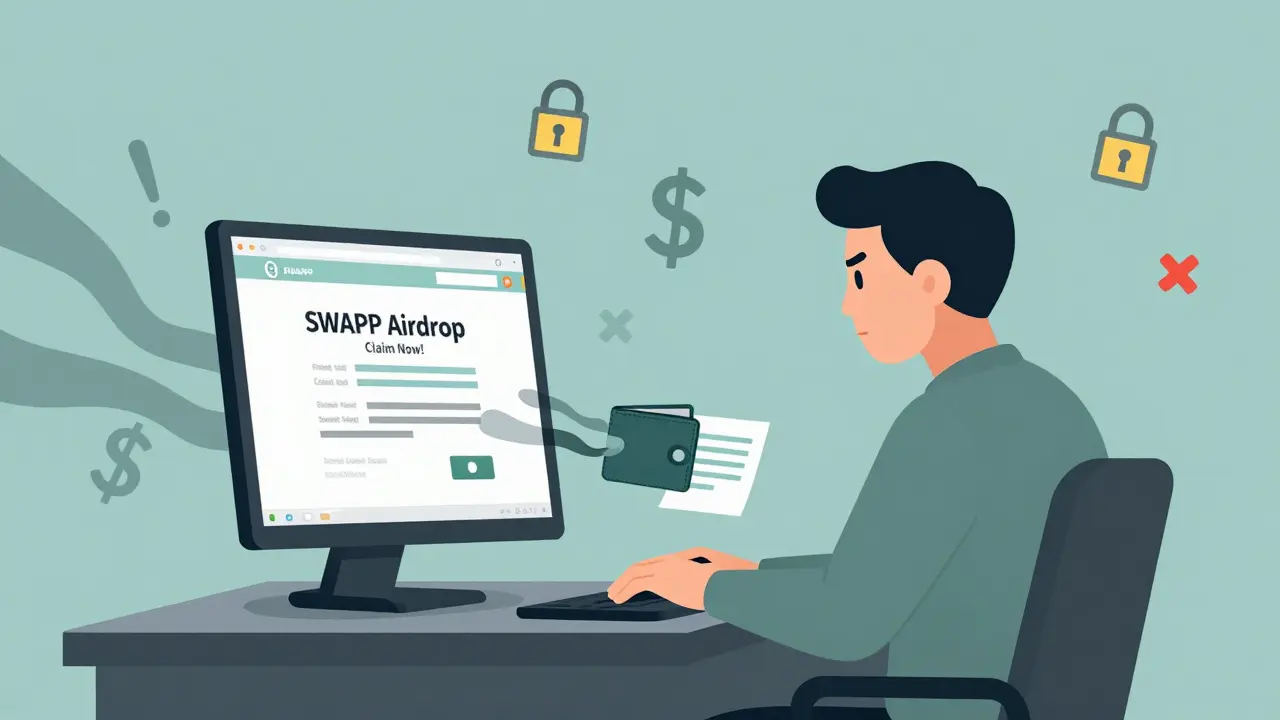
SPAT Meta Spatial Airdrop: How to Participate and What You Need to Know

SPAT Meta Spatial Airdrop: How to Participate and What You Need to Know

The SPAT Meta Spatial airdrop offers 980 random winners a share of SPAT tokens on Binance Smart Chain. Learn how to enter, what tasks are required, and whether it's worth your time.

Read More
EXIR Crypto Exchange Review: Is It Right for Iranian Users in 2025?

EXIR Crypto Exchange Review: Is It Right for Iranian Users in 2025?

EXIR is Iran's only crypto exchange built for sanctioned users. With low liquidity, no mobile app, and wire-transfer-only deposits, it's a necessary but risky option for Iranians in 2025.

Read More
EPICHERO Airdrop by EpicHero 3D NFT: What You Need to Know About Rewards and Tokenomics

EPICHERO Airdrop by EpicHero 3D NFT: What You Need to Know About Rewards and Tokenomics

EPICHERO by EpicHero 3D NFT doesn't offer traditional airdrops. Instead, holders earn automatic BNB rewards from token and NFT trades. Learn how the reflection system works, how to start earning, and what to avoid.

Read More
Binance and Bitget Restrictions in Philippines: What Users Need to Know in 2025

Binance and Bitget Restrictions in Philippines: What Users Need to Know in 2025

Binance is banned in the Philippines since March 2024, and Bitget faces similar risks under new 2025 crypto regulations. Learn what the SEC's CASP rules mean for users, why VPNs aren't safe, and where to trade legally.

Read More
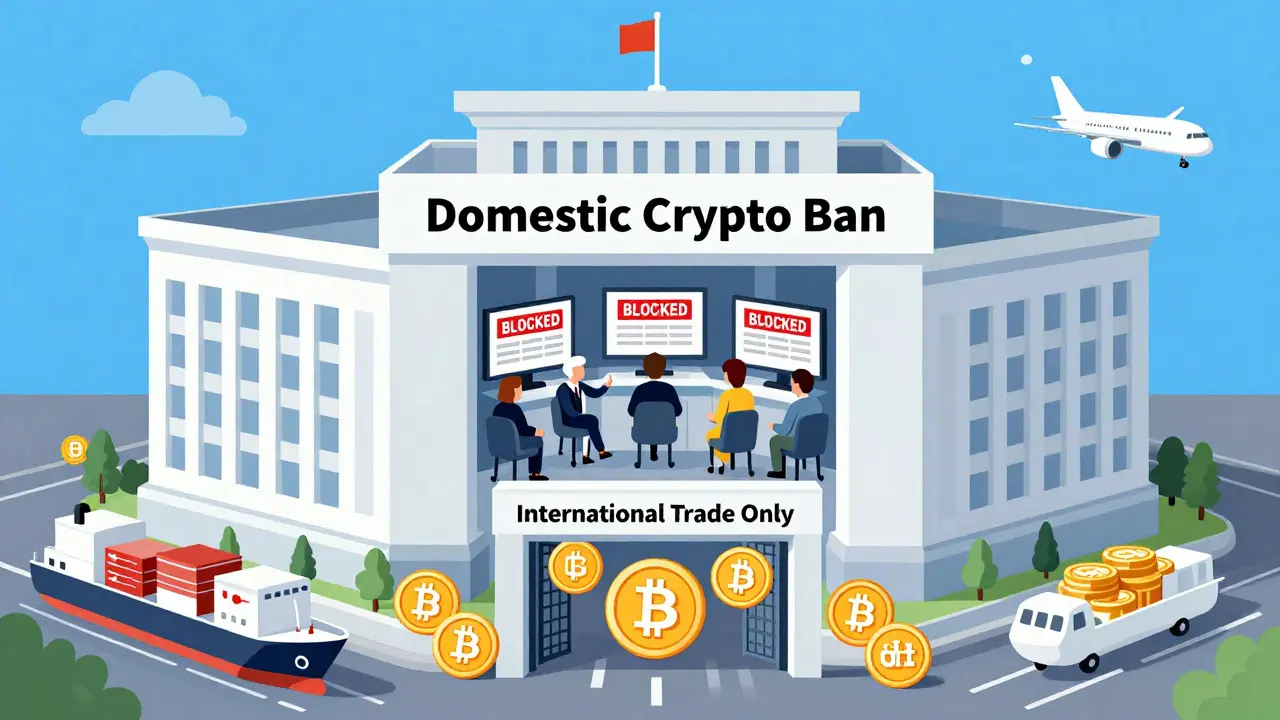
Can Businesses in Russia Accept Crypto Legally? Rules, Exceptions, and Real-World Limits

Can Businesses in Russia Accept Crypto Legally? Rules, Exceptions, and Real-World Limits

Russia bans businesses from accepting crypto for domestic sales, but allows it for international trade under strict conditions. Only elite companies meeting heavy capital requirements can legally use crypto - everyone else risks fines or frozen accounts.

Read More