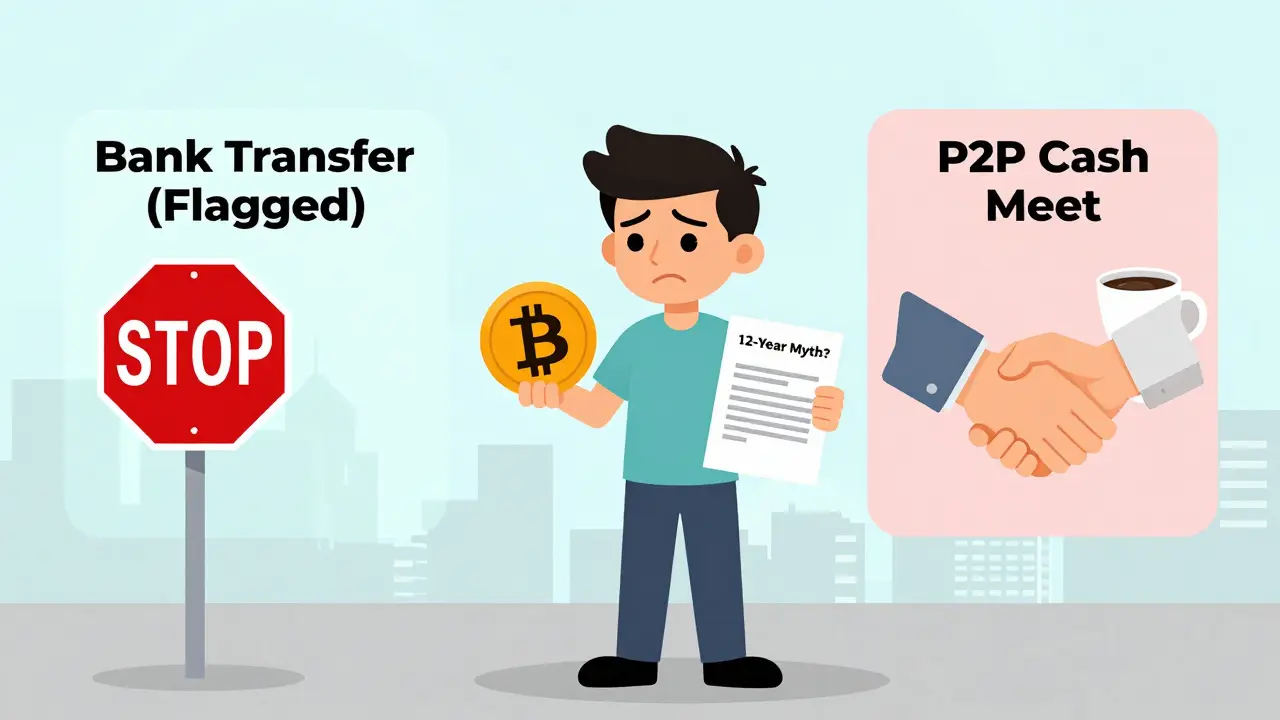
Many people believe that trading cryptocurrency in Bangladesh can land you in jail for 12 years. It’s a number that keeps popping up in headlines, WhatsApp forwards, and news reports. But here’s the truth: no one has ever been sentenced to 12 years in Bangladesh just for buying or selling Bitcoin. The fear is real, but the legal reality is far more complicated.
Where Did the 12-Year Sentence Come From?
The 12-year figure didn’t come from a new law. It came from a statement made by Bangladesh Bank officials back in 2014. After Bitcoin started gaining attention, the central bank issued a warning: “Any transaction through Bitcoin or any other cryptocurrency is a punishable offence.” They added that violators could face up to 12 years in prison.
But here’s the catch - they didn’t cite a specific law. They were referring to the Money Laundering Prevention Act 2012, which says that anyone convicted of money laundering can get between one and 10 years in prison. Then they added the Anti-Terrorism Act 2009 in 2017, which carries heavier penalties. By combining these, some officials stretched the maximum possible sentence to 12 years - even though no law actually says that.
Legal experts at Mahbub & Company pointed out in 2021 that this was a misinterpretation. The central bank’s warnings weren’t laws. They were notices. And under Bangladesh’s legal system, notices from the central bank don’t automatically create new crimes. That’s like saying if you use cash to buy drugs, you’re breaking a new law - when really, you’re just breaking the drug law with cash.
What Laws Actually Apply?
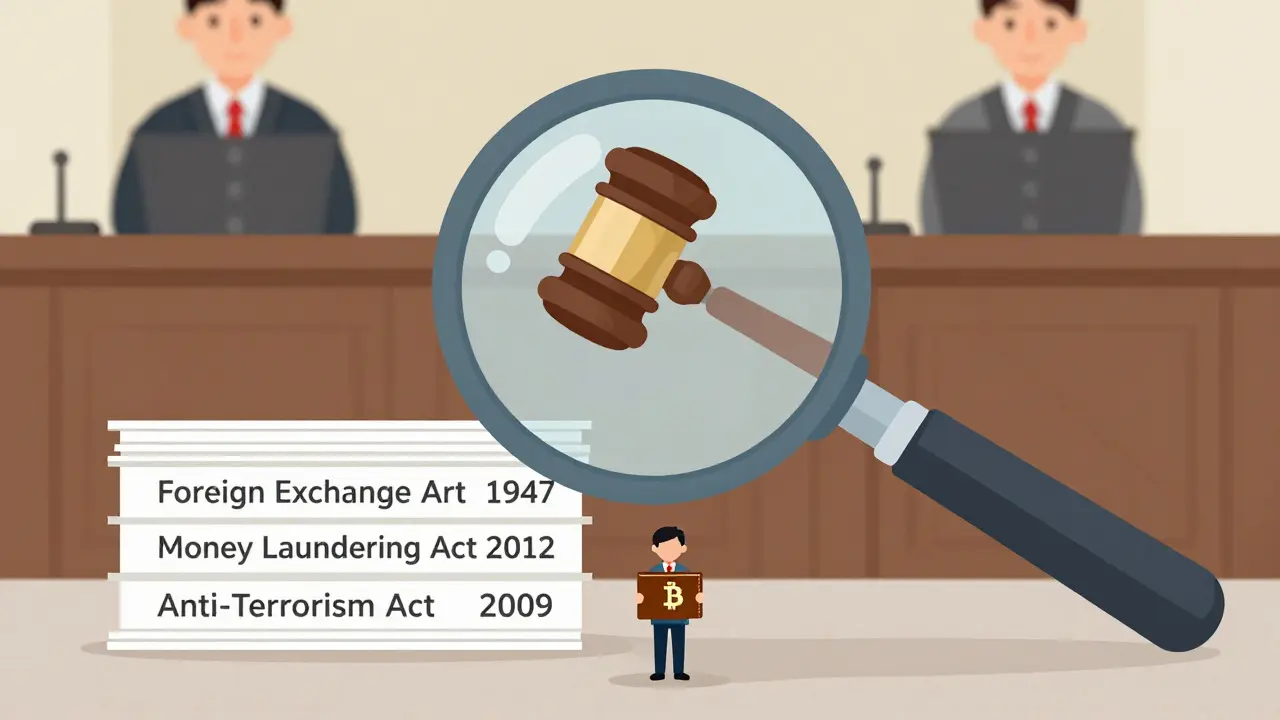
If you’re trading crypto in Bangladesh, you’re not breaking a law that says “crypto is illegal.” You’re potentially breaking three existing laws:
- Foreign Exchange Regulation Act 1947 - This law says all foreign currency transactions must go through authorized banks. If you send money overseas to buy Bitcoin, you’re bypassing this rule. Violations can mean up to 5 years in prison for repeat offenses.
- Money Laundering Prevention Act 2012 - If your crypto transactions are linked to illegal activity - like hiding money from taxes or funding crime - you could be charged under this. Maximum penalty: 10 years.
- Anti-Terrorism Act 2009 - This one is extreme. If authorities believe your crypto use is tied to terrorism financing, you could face life imprisonment. But this has never been applied to regular traders.
There’s also the Digital Security Act 2018, which says unauthorized electronic financial transactions can get you up to 7 years. But again - this applies to hacking, fraud, or system breaches, not simply buying Ethereum on Binance.
The key point? Crypto itself isn’t banned. Using it to break existing laws is. If you use Bitcoin to pay for drugs, that’s illegal. If you use taka to pay for drugs, that’s also illegal. The currency doesn’t matter - the act does.
Has Anyone Actually Been Sentenced to 12 Years?
No.
As of 2025, there are zero documented cases of anyone in Bangladesh being sentenced to 12 years for crypto trading. The Bangladesh Anti-Money Laundering Department’s 2022 report showed only 37 cases involving “digital financial crimes” - and none were about individual traders buying or selling crypto.
In 2024, the Cyber Security Division recorded 17 crypto-related cases. Most involved fraud, phishing, or money laundering rings. Not a single person got 12 years. The longest sentence handed down was 5 years - and that was for running an unlicensed digital exchange that moved millions.
Even when the central bank cracks down, it targets businesses - not people. In 2021, they shut down several local crypto exchanges and froze bank accounts linked to them. But individual users? They weren’t arrested. They were warned.
Why Do People Still Think It’s Illegal?
Because the media keeps saying it is.
International outlets like CNN, BBC, and The Guardian ran stories in 2017 with headlines like “Bangladesh Bans Bitcoin - 12-Year Jail Term.” Those stories were wrong. They took a warning and turned it into a law. And once a myth is repeated enough, it becomes truth - even when the facts say otherwise.
Local media didn’t help. Many newspapers didn’t check with lawyers. They just repeated the central bank’s warning as fact. And now, every time someone hears “crypto” and “Bangladesh,” they think jail.
Even worse, some crypto brokers outside Bangladesh now market themselves as “safe for Bangladeshi users,” implying it’s legal to trade - which isn’t true either. The truth? It’s a gray zone. You won’t get arrested for buying $100 of Bitcoin. But if you move $50,000 through a P2P platform, you might get flagged.
How Many People Are Still Trading?
Surprisingly - a lot.
Despite the warnings, Chainalysis reported a 206% jump in crypto transaction volume in Bangladesh between mid-2021 and mid-2022. By the end of 2024, an estimated 2.1 million Bangladeshis - about 1.2% of the population - owned cryptocurrency. That’s more than the entire population of Luxembourg.
P2P trading on platforms like Binance and LocalBitcoins grew by 347% after the 2021 crackdown. People are using mobile money apps like bKash and Nagad to send money to overseas sellers. They’re trading in cash. They’re meeting in cafes. They’re avoiding banks entirely.
Why? Because crypto is one of the few ways ordinary people can protect their savings from inflation and currency devaluation. The taka has lost nearly 40% of its value against the dollar since 2020. For many, Bitcoin isn’t a gamble - it’s survival.
What’s the Government Really Doing?
Bangladesh Bank says no. But the government is quietly doing something else.
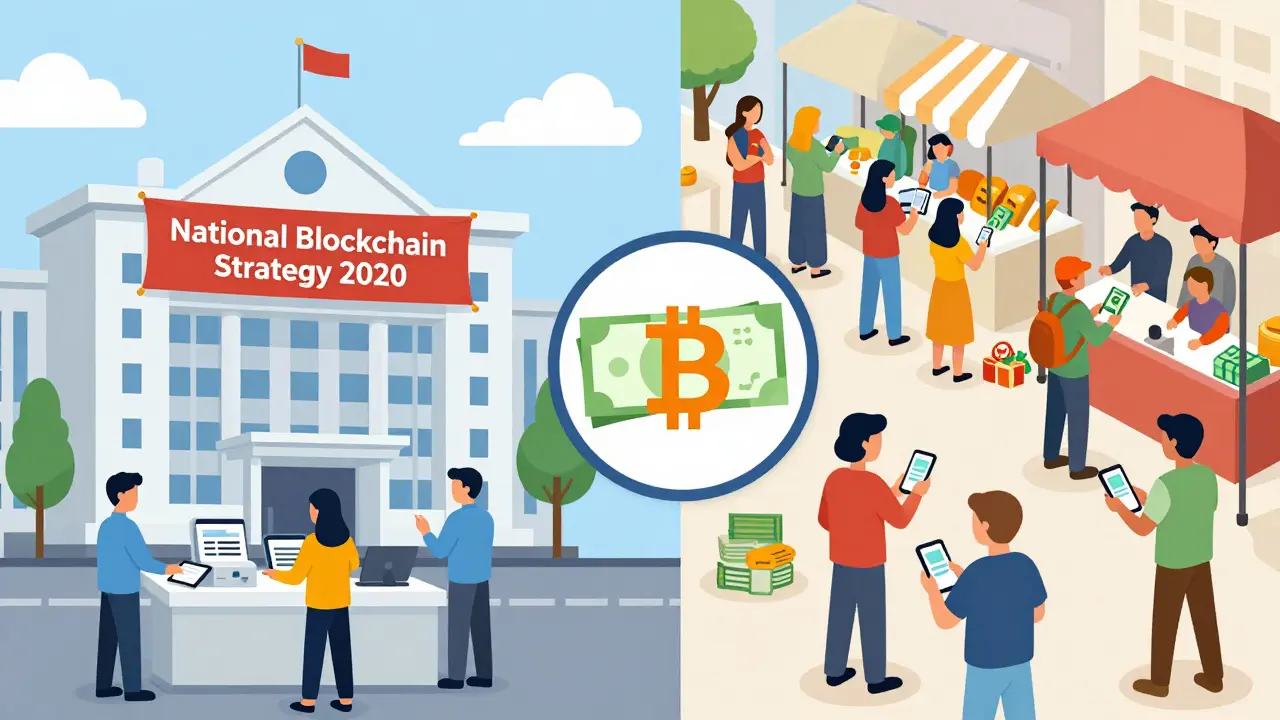
In 2020, Bangladesh launched its National Blockchain Strategy. It’s a plan to use blockchain for land records, voting, and public services. That’s not something you do if you think the entire technology is evil.
Meanwhile, the Bangladesh Securities and Exchange Commission admitted in 2023 that “the absence of specific prohibitive legislation creates implementation challenges.” Translation: We don’t know how to enforce this, and we’re not sure we want to.
And then there’s the Financial Action Task Force - the global anti-money laundering watchdog. In its 2023 report on Bangladesh, it noted “inconsistent application of AML/CFT standards to virtual asset service providers.” In plain terms: Bangladesh is all over the map. One day, they warn. The next, they ignore.
What Should You Do?
If you’re in Bangladesh and you’re thinking about trading crypto, here’s the real advice:
- Don’t use your bank account. Banks monitor transactions. If you send money to a foreign crypto exchange, they’ll flag it. That’s how people get noticed.
- Use P2P with cash. Most traders now meet in person or use mobile payment apps. It’s slower, but it’s harder to trace.
- Don’t move large sums. If you’re buying $5,000 worth of crypto every month, you’re asking for trouble. Keep it under $500 per transaction.
- Don’t advertise. Posting about your trades on Facebook or YouTube? That’s how you get targeted.
- Understand the risk. You won’t go to jail for small trades - but you could lose your money, get scammed, or have your accounts frozen.
The 12-year sentence is a scare tactic. It’s meant to stop people, not punish them. And it’s working - not because people are afraid of jail, but because they’re afraid of losing everything they’ve saved.
What’s Next?
There’s no sign that Bangladesh will legalize crypto anytime soon. But there’s also no sign they’ll start locking people up for it.
India took 10 years to go from banning crypto to taxing it. Thailand went from crackdown to regulation. Bangladesh might follow. But for now, the law is silent. The central bank is loud. And the people? They’re trading anyway.
The real question isn’t whether crypto is legal in Bangladesh. It’s whether the government can afford to stop it.
Is it illegal to own Bitcoin in Bangladesh?
No, owning Bitcoin or any cryptocurrency is not explicitly illegal in Bangladesh. The central bank has never passed a law banning ownership. However, using it to transfer money abroad or conduct transactions through unauthorized channels violates existing financial laws. You can hold crypto in a wallet - but if you trade it using bank transfers or foreign exchanges, you risk breaking the Foreign Exchange Regulation Act.
Can you go to jail for trading crypto in Bangladesh?
You can be arrested and charged if your crypto activity is linked to money laundering, terrorism financing, or violating foreign exchange rules. But there are no known cases of someone being jailed just for buying or selling crypto. The 12-year sentence is a misquoted maximum under combined laws - not a real penalty for individual traders. Most enforcement targets large-scale operators, not everyday users.
Why does Bangladesh Bank say crypto is illegal if it’s not banned by law?
Bangladesh Bank uses its authority to issue warnings under its regulatory powers. These warnings aren’t laws, but banks and financial institutions treat them as binding. The central bank argues that crypto transactions bypass the formal financial system, making them risky and untraceable. By framing crypto as a violation of existing laws - like FERA or the Money Laundering Act - they avoid the need to pass new legislation, which would require parliamentary approval.
Are crypto exchanges banned in Bangladesh?
Yes, any crypto exchange operating within Bangladesh that accepts local currency or uses local bank accounts is considered illegal. The central bank has shut down several local platforms since 2018. However, international exchanges like Binance and Kraken aren’t blocked - they just can’t legally operate inside the country. Most Bangladeshi users access them via VPNs and P2P trading.
Is blockchain technology legal in Bangladesh?
Yes, blockchain technology is not only legal - it’s actively encouraged by the government. Bangladesh’s National Blockchain Strategy, launched in 2020, promotes blockchain for land registration, supply chain tracking, and digital identity systems. The government sees blockchain as a tool for efficiency and transparency, separate from cryptocurrencies. This shows a clear distinction: the tech is fine. The money linked to it is not.
What happens if your bank account is frozen for crypto trading?
If your bank detects crypto-related transactions, they may freeze your account and report it to the Anti-Money Laundering Department. You’ll likely be asked to explain the source of funds. If you can prove it’s from legitimate income and you didn’t break any laws, the account may be unfrozen. If you can’t - or if the amount is large - you could face investigation. But this is rare for small, personal trades. Most cases involve business-scale activity or suspected fraud.