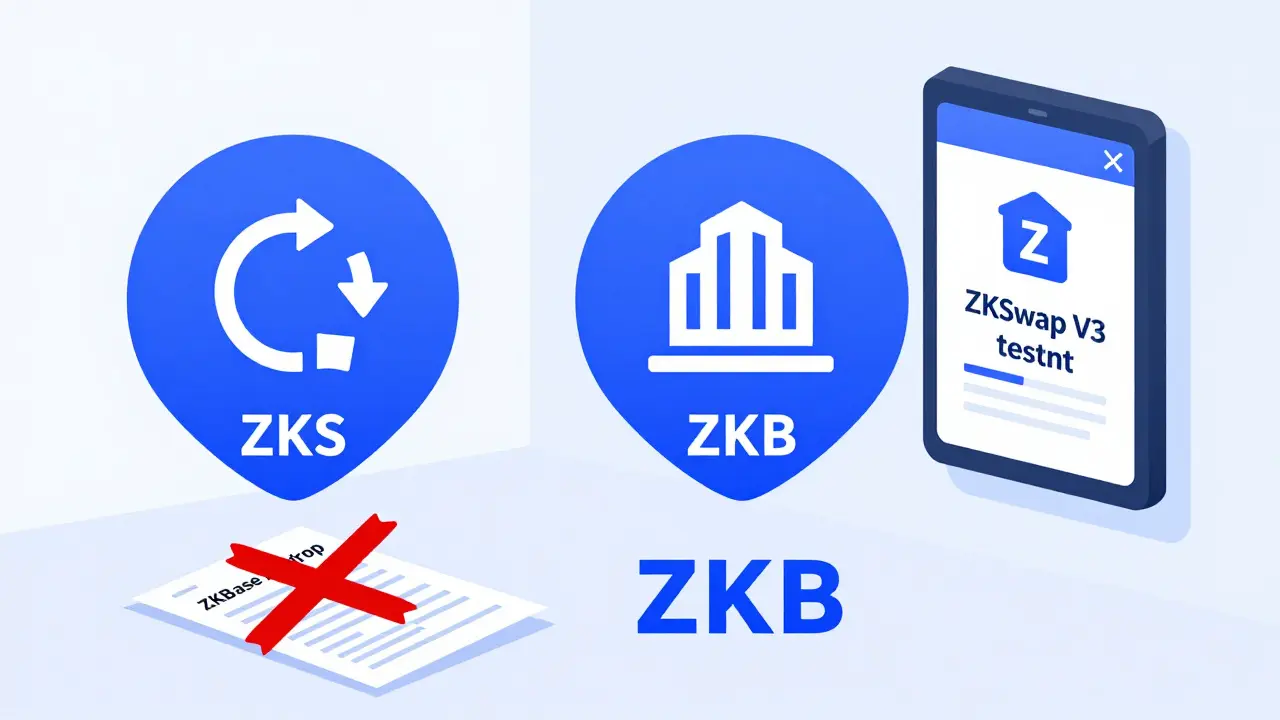
Many people got confused when they heard about a "ZKBase V3 airdrop" and assumed ZKBase was handing out ZKB tokens. That’s not what happened. The real story is about ZKSwap V3 - a Layer 2 decentralized exchange - running a testnet airdrop in late 2021 to get real feedback before going live. And yes, it’s tied to ZKBase, but the tokens were ZKS, not ZKB. Let’s cut through the noise.
What Was the ZKSwap V3 Airdrop?
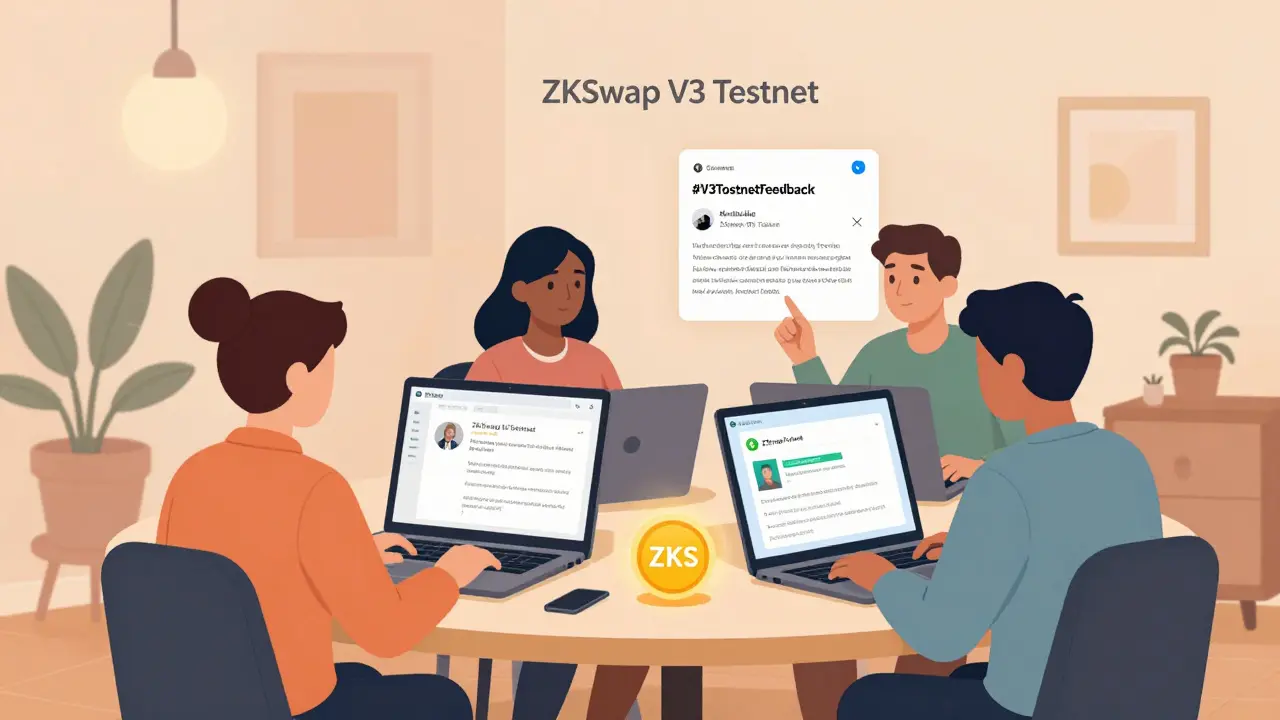
The ZKSwap V3 testnet airdrop wasn’t a big public giveaway. It was a targeted incentive program to find bugs and improve the platform. Between December 1 and December 14, 2021, ZKSwap invited users to test its new version on the Ethereum Rinkeby test network. This wasn’t about free money - it was about getting honest, detailed feedback from people who actually used the system. Participants had to do more than just connect their MetaMask wallets. They had to write a 300-word review of the platform, post it on the ZKSwap forum, and share a link to that review on Twitter with the hashtag #V3TestnetFeedback. They also had to include their Ethereum wallet address. No copy-paste reviews. No vague comments. They wanted real, thoughtful input.How Did People Get Rewarded?
There were two tiers of rewards, and both required effort:- Best Contribution Award: 60 people got 500 ZKS each. These were users who found real bugs, gave detailed suggestions, or wrote exceptionally clear guides.
- Honorable Mention Award: 200 people got 100 ZKS each. These were solid reviews that met the minimum standard but didn’t stand out as much.
- How accurate the bug reports were
- Whether the review explained features clearly
- If the feedback helped improve the user experience
- How unique the insights were
ZKSwap vs. ZKBase: The Token Confusion
This is where things get messy. ZKSwap and ZKBase are related - but not the same.- ZKSwap is a Layer 2 decentralized exchange built on ZK-Rollup technology. It uses the ZKS token for governance and fee discounts.
- ZKBase is the parent company behind ZKSwap. It has its own token: ZKB. ZKB is used for ecosystem-wide services like payments (ZKSquare) and infrastructure.
What Did ZKSwap V3 Actually Do Differently?
The V3 upgrade wasn’t just a cosmetic change. It added:- Full NFT support - you could trade, swap, and list NFTs directly on the exchange
- A cleaner, faster interface
- Zero gas fees for traders and liquidity providers
- Higher transaction throughput thanks to optimized ZK-Rollup
Why This Airdrop Mattered
Most airdrops are just marketing. This one was engineering. ZKSwap didn’t just give away tokens. They asked users to dig into the code, break things, and explain what went wrong. That kind of feedback is gold. It’s how software improves. The fact that they required a 300-word review meant they weren’t looking for lazy users. They wanted people who cared enough to write it out. That filtered out the opportunists and kept the quality high. And it worked. After the testnet, ZKSwap rolled out V3 to mainnet with fewer bugs and better UX than most Layer 2 DEXes at the time.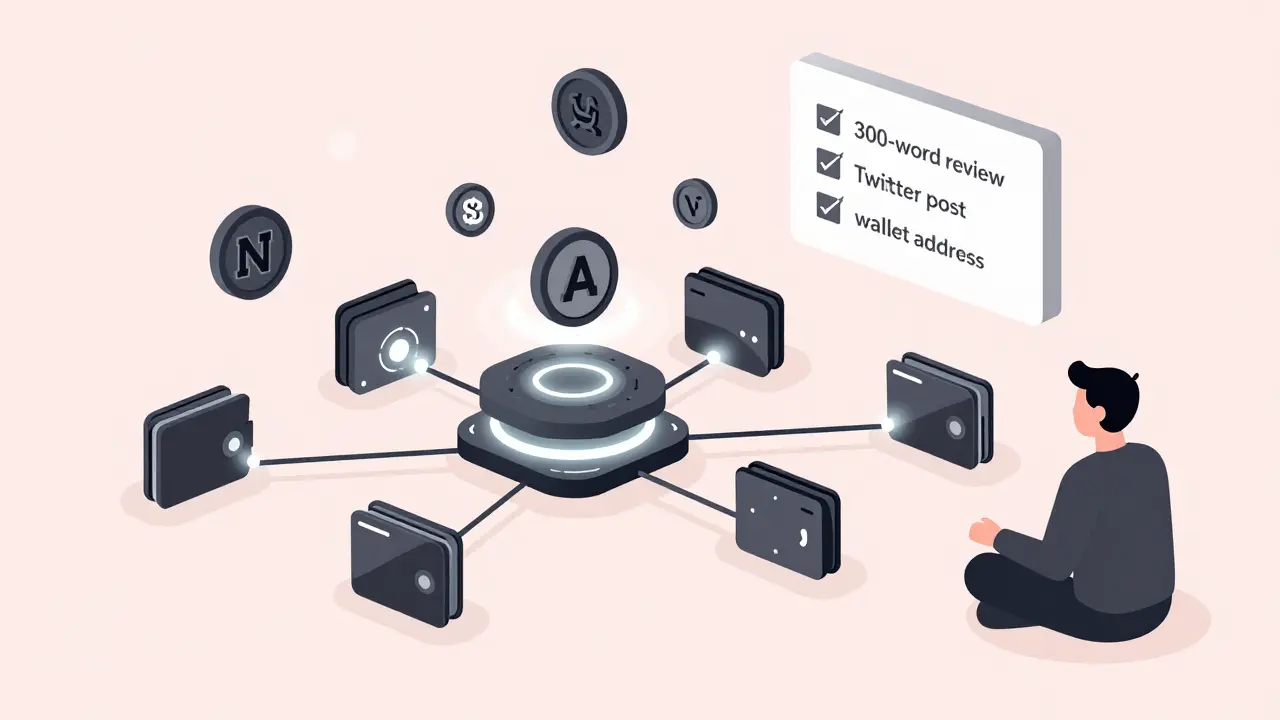
Is There Still a Chance to Get ZKS or ZKB Tokens?
No. The V3 testnet airdrop ended in December 2021. The tokens were distributed by December 23, 2021. There are no ongoing airdrops for ZKSwap V3. ZKB tokens are still in circulation - 197.44 million out of a 600 million max supply. But ZKBase hasn’t announced any new token distribution events. If someone tells you they’re running a "ZKBase airdrop" today, it’s a scam. Check the official ZKSwap blog or their verified Twitter. No real project asks you to send ETH or sign a wallet to claim tokens.What Happened After the Airdrop?
ZKSwap continued development. The platform now supports:- Over 100 token pairs
- Low-latency swaps with near-instant finality
- Integration with major wallets like MetaMask and Trust Wallet
- On-chain NFT trading with no extra fees
What You Should Remember
- ZKSwap V3 airdrop = ZKS tokens. ZKBase = ZKB tokens. They’re not the same.
- The V3 testnet ended in 2021. No new claims are valid.
- Real airdrops don’t ask you to pay to claim. Ever.
- If you held ZKS before February 2021, you got the big 1:1 airdrop. If you wrote a review in December 2021, you might’ve gotten 100 or 500 ZKS.
- Don’t trust anyone promising ZKB tokens from a "ZKBase airdrop." It doesn’t exist.