If you've been searching for SILK crypto coin, you might have noticed something confusing: two completely different projects are using the same ticker. One is a sophisticated, privacy-focused stablecoin designed to survive market crashes, and the other is a quiet Ethereum token that looks like a ghost town. Navigating this can be tricky, but understanding the difference is the only way to avoid a costly mistake.
The Great SILK Divide: Which One Is Which?
First, let's clear the air. When people talk about SILK today, they are usually referring to one of two things: Silk Stable is a privacy-preserving collateralized reflexive currency developed by the Shade Protocol on the Secret Network. This is the technically advanced project aiming to fix the flaws of traditional stablecoins.
On the other side, you have Spider Tanks is an Ethereum-based ERC-20 token launched in 2022. While it shares the SILK ticker, it's a completely different beast. Based on market data from April 2025, Spider Tanks has almost zero trading volume and no real development activity. In short: one is a functional financial tool, and the other is largely a "zombie token."
Why Silk Stable is a Game Changer for Stability
Most of us know USDC or USDT. They peg 1:1 to the US dollar. That sounds safe until you realize you're exposed to foreign exchange risk-if the dollar drops, your value drops globally. Silk Stable takes a different path by using a dynamic basket of global currencies and commodities.
Think of it as a perpetual hedge. Instead of relying on one government's economy, it automatically adjusts to macroeconomic conditions. This "reflexive" mechanism was designed specifically to prevent the kind of catastrophic collapse we saw with TerraUSD (UST). While algorithmic coins can spiral to zero, Silk Stable's collateralized approach keeps it grounded.
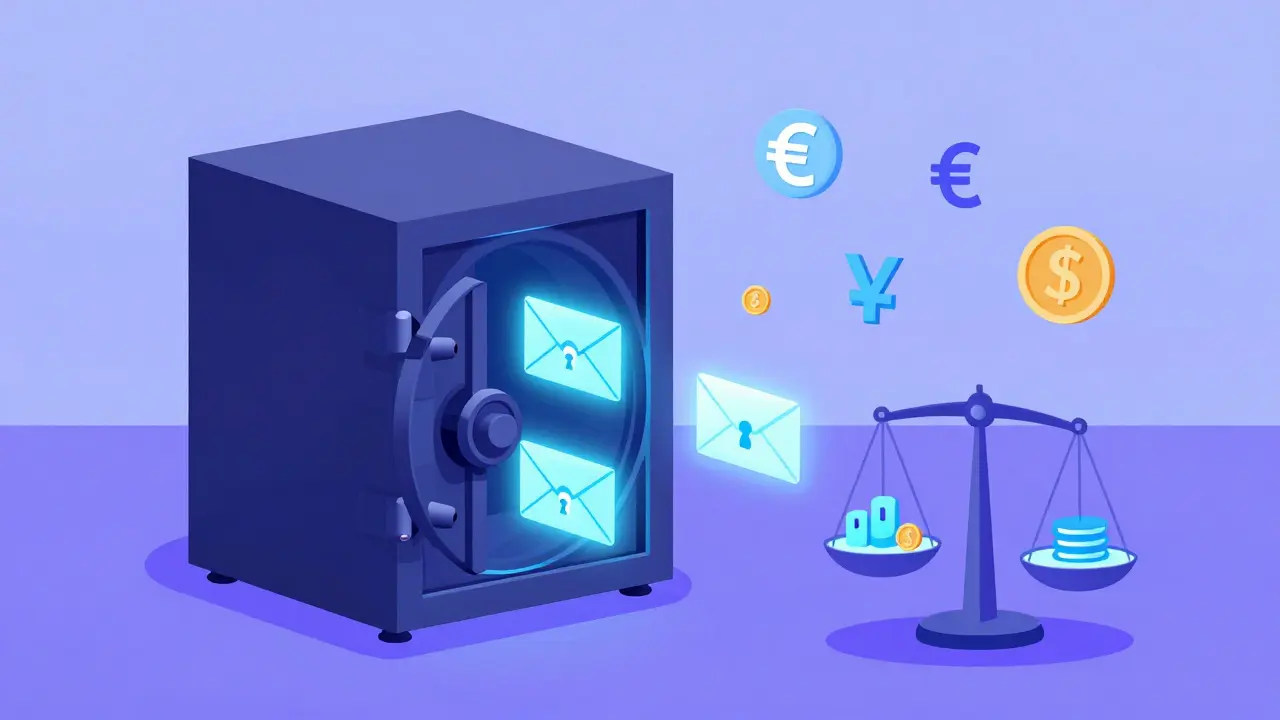
The privacy angle is where it really separates itself. Most stablecoins are like glass boxes; everyone can see how much you have and where you send it. Because Silk Stable lives on the Secret Network, which uses Trusted Execution Environments (TEEs), your transaction amounts and participants stay confidential. It's a level of privacy that the European Central Bank has highlighted as a critical need for future digital currencies.
| Feature | Silk Stable | Spider Tanks |
|---|---|---|
| Blockchain | Secret Network | Ethereum |
| Primary Use | Privacy Stablecoin / Hedge | Speculative Token |
| Price Stability | Pegged to Currency Basket | Volatile / Inactive |
| Dev Activity | Active (Cosmos Integration) | None since late 2022 |
| Privacy | High (TEE Encryption) | None (Public Ledger) |
The Technical Engine: How Secret Network Powers SILK
To understand why Silk Stable works, you have to look at its home. The Secret Network is a Layer 1 blockchain focused on data privacy. Unlike Ethereum or Bitcoin, where everything is public, Secret allows for "secret contracts." This means the logic of the stablecoin can run without exposing the sensitive data of the users.
From a performance standpoint, it offers a 6-second finality time. This means your transactions are settled almost instantly, making it practical for actual use rather than just holding in a wallet. In early 2025, the Shade Protocol expanded this by integrating with the Cosmos ecosystem, allowing SILK to move across over 50 different networks. This solves the "silo" problem where assets get stuck on one chain.
Real-World Performance and User Experience
Does it actually work when the market panics? During the market volatility of March 2025, users reported that Silk Stable held its peg within a tight 0.8% margin. For comparison, some major USD-pegged coins briefly dipped to $0.985. While a small difference, in the world of stablecoins, that's the difference between trust and panic.
However, it isn't a perfect experience for everyone. The biggest hurdle is the onboarding. Because you need a specialized wallet like Keplr or Secret Scout, new users often spend 15 to 20 minutes just getting set up and bridging their assets. If you're used to a simple MetaMask setup, this can feel like a chore.
Compare this to the experience of holding Spider Tanks. Users on platforms like Bitrue and HitBTC have complained about a total lack of liquidity. Imagine holding a token that you can't sell because there are no buyers. This is the reality for many Spider Tanks holders, as the token has effectively become a ghost ship with zero trading volume.

Looking Ahead: Viability and Risks
The future for these two projects couldn't be more different. JPMorgan's 2025 outlook gave Silk Stable a "moderate-high" viability score. Why? Because the world is moving toward multi-currency stablecoins. Analysts expect this specific niche to grow to a $25 billion market cap by 2026. Shade Protocol is already planning to add 12 more emerging market currencies to its basket to stay ahead.
But it's not all smooth sailing. Regulatory pressure is a real threat. While the EU's MiCA rules are friendly to multi-currency assets, the U.S. Stablecoin Control Act of 2024 is much stricter. This might make it harder for Silk Stable to gain a foothold in the American market.
As for Spider Tanks, the outlook is grim. With no GitHub updates since 2022 and a "non-viable" rating from institutional analysts, it serves as a cautionary tale about the dangers of chasing tokens with no utility. When a project stops developing, it usually stops existing in any meaningful way.
Is SILK a safe investment?
It depends on which SILK you mean. Silk Stable is designed as a low-volatility hedge and a privacy tool, making it more of a utility asset than a speculative investment. Spider Tanks, however, shows classic red flags of a defunct project with zero liquidity, making it extremely high-risk.
How do I buy Silk Stable?
You'll need a compatible wallet like Keplr or Secret Scout. Once your wallet is set up, you have to bridge your assets to the Secret Network and use the Shade Protocol interface to acquire SILK.
What makes Silk Stable different from USDT?
Unlike USDT, which is tied solely to the US Dollar, Silk Stable is pegged to a basket of currencies and commodities. This reduces the risk of a single country's economic collapse affecting your holdings. Additionally, it offers transaction privacy through the Secret Network, whereas USDT transactions are fully public.
Is Spider Tanks still active?
All signs point to no. There has been no developer activity on their GitHub since December 2022, and trading volumes have flatlined at near zero across major tracking platforms.
Can I use SILK for daily payments?
Currently, Silk Stable is mostly used for hedging and privacy within the DeFi space. However, Shade Protocol's 2025 roadmap includes plans to integrate with major payment processors to make it more viable for real-world spending.
What to do next
If you're looking for a way to protect your portfolio from inflation and currency swings while keeping your financial history private, exploring the Shade Protocol's ecosystem is a smart move. Just be prepared for the slightly steeper learning curve of the Secret Network.
If you already hold Spider Tanks (SILK), your best bet is to check the few remaining markets where it's listed, though be warned that low liquidity might make it nearly impossible to exit your position. In the future, always check the "Developer Activity" on GitHub before buying a token; if the code hasn't been touched in two years, the project is likely dead.