SATS Transaction Fee Estimator
SATS Fee Calculator
Estimate transaction costs for inscribing digital content on Bitcoin. Based on current network conditions.
Estimated Transaction Details
Most people think Bitcoin is just money. But since early 2023, something new has been quietly growing on top of it - digital collectibles carved directly into individual satoshis. These aren’t tokens on another blockchain. They’re not Ethereum NFTs. They’re SATS (Ordinals) - real, traceable, Bitcoin-native artifacts that turn the smallest unit of Bitcoin into something unique.
What Exactly Are SATS (Ordinals)?
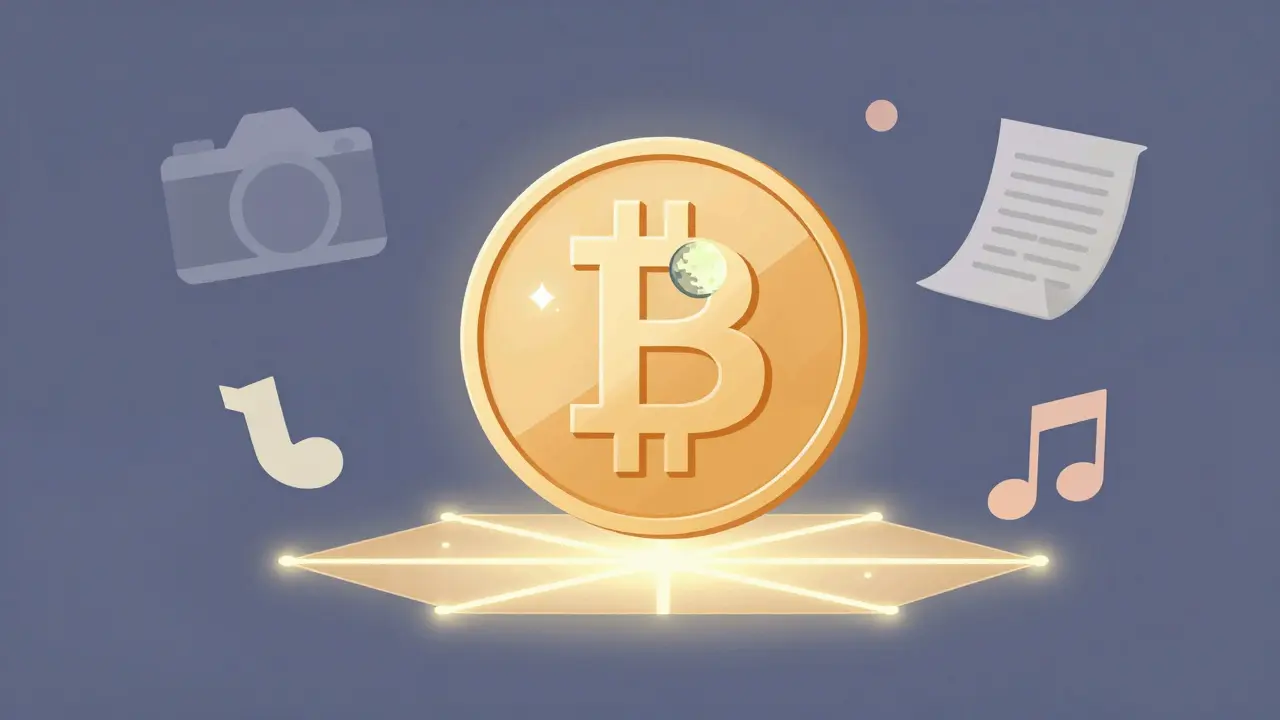
SATS (Ordinals) aren’t a new cryptocurrency. They’re not even a coin you can mine. Instead, they’re individual satoshis - the tiniest piece of Bitcoin, worth 0.00000001 BTC - that have been permanently marked with digital data. Think of it like writing your name on a dollar bill and then keeping that bill forever. Only here, the "bill" is a satoshi, and the "writing" can be an image, a poem, a piece of music, or even a meme.
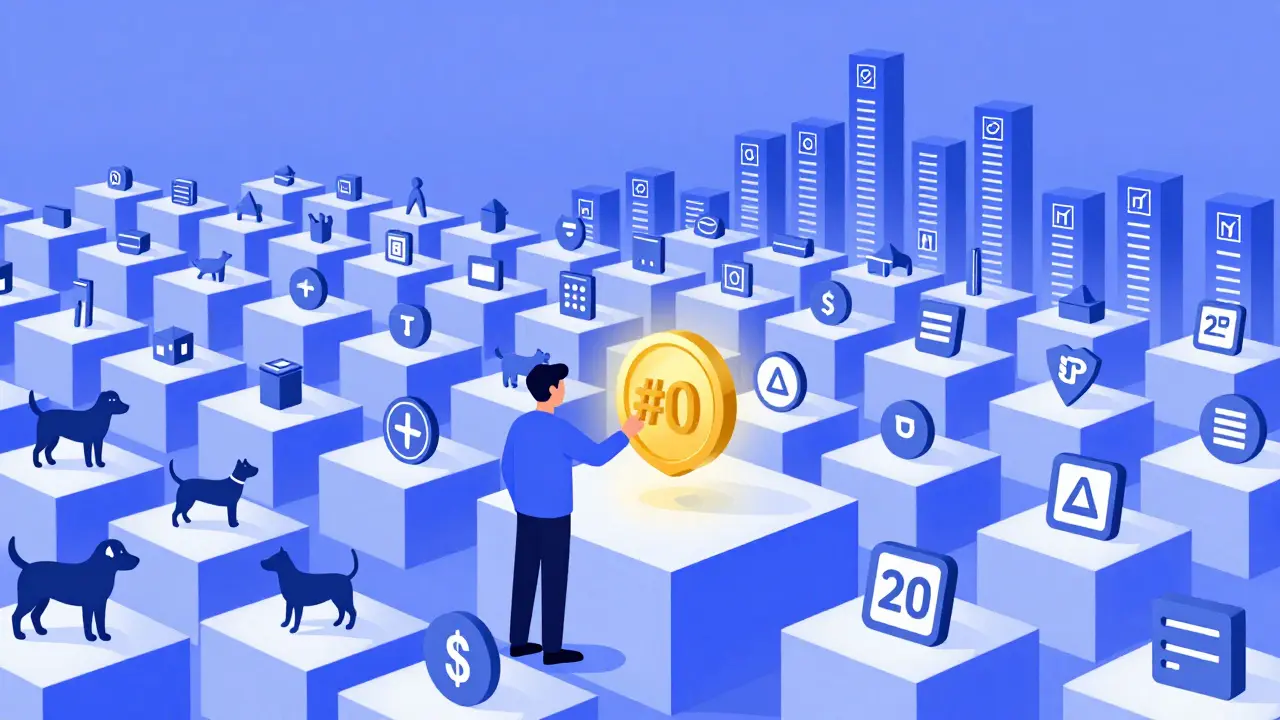
This all started with the Ordinals protocol, launched in January 2023 by developer Casey Rodarmor. Before Ordinals, every satoshi was identical - completely interchangeable, or "fungible." You couldn’t tell one apart from another. Ordinals changed that by assigning each satoshi a unique number based on when it was mined. The first satoshi ever mined got #0. The next got #1. And so on, up to 2.1 quadrillion total satoshis.
By using Bitcoin’s Taproot upgrade (activated in late 2021), Ordinals lets users inscribe data directly into the Bitcoin blockchain. No sidechains. No Layer 2s. Just Bitcoin itself. Each inscription is stored in a Taproot output and becomes part of Bitcoin’s permanent record. That means these digital artifacts benefit from Bitcoin’s security, decentralization, and immutability - something no other NFT platform can fully match.
How Do SATS Inscriptions Work?
Creating a SATS inscription isn’t simple, but here’s how it works in two steps:
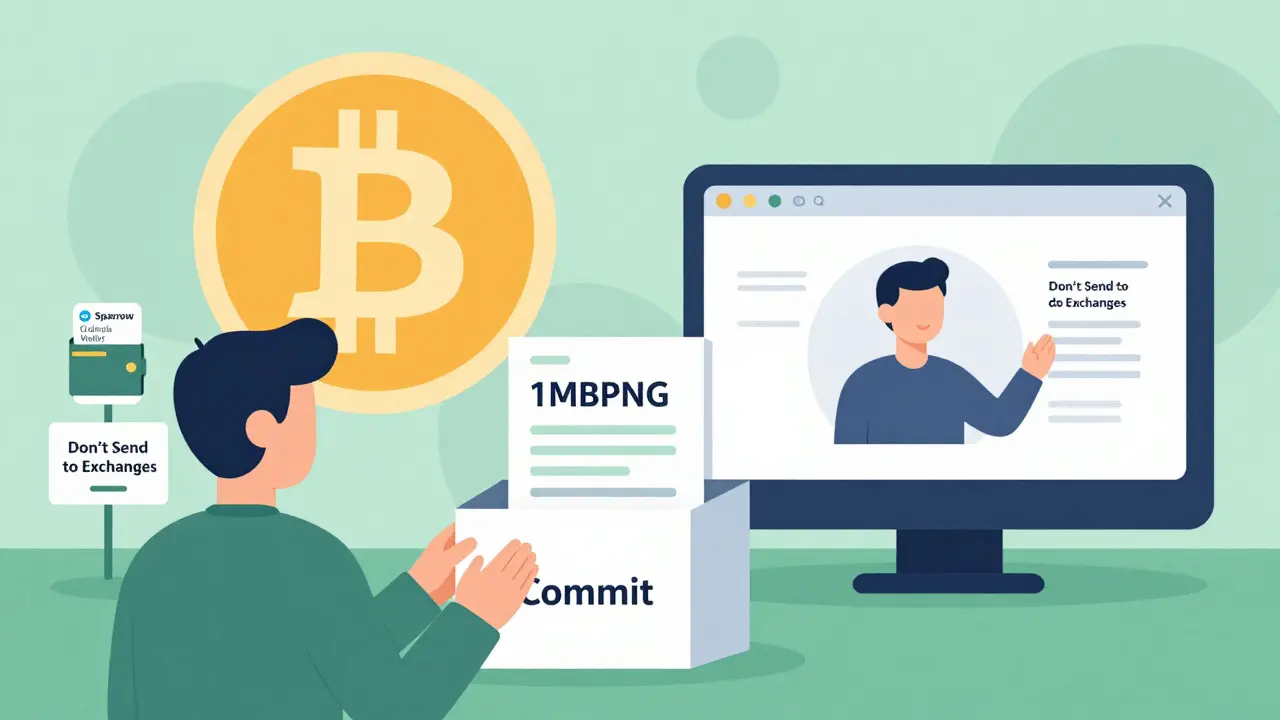
- Commit: You lock your data - say, a 500KB PNG image - into a Bitcoin transaction output. This doesn’t reveal the data yet.
- Reveal: You broadcast a second transaction that links back to the first and publicly exposes the data. Now, anyone can see your inscription on the blockchain.
Each inscription gets a unique ID made up of the transaction hash and the output index. For example: abc123...xyz:0. That’s how wallets and marketplaces track your digital artifact.
Data size is limited by Bitcoin’s block rules - up to 4MB per block, but most inscriptions are under 1MB. Common formats include SVG for vector art, PNG for images, and plain text for poetry. You can’t store videos or large files without compression.
Importantly, SATS don’t use smart contracts. Unlike Ethereum NFTs, which rely on code to define ownership and rules, SATS rely on ordinal numbering. Your inscription is valuable because it’s tied to a specific satoshi, not because code says so.
Why Is This Different From Ethereum NFTs?
It’s not just a Bitcoin version of NFTs. It’s something fundamentally different.
Ethereum NFTs live on a chain built for smart contracts. They’re flexible - you can program royalties, dynamic traits, or even interactive elements. But they’re expensive. During peak times, minting one NFT can cost $15-$50 in gas fees.
SATS cost less - usually $5-$20 in Bitcoin fees - and they’re built on the most secure blockchain in crypto. Bitcoin’s network has over $500 billion in security value backing it. Ethereum’s is around $200 billion. Solana’s? About $15 billion.
But there’s a trade-off. Bitcoin blocks confirm every 10 minutes. Ethereum does it in under 15 seconds. So if you’re trying to sell an NFT in real time during a hype cycle, Ethereum is faster. SATS? You’ll wait 60 minutes for six confirmations to feel safe.
Also, no smart contracts means no royalties. If you sell your SATS NFT and someone resells it later, you get nothing. On OpenSea, you’d earn 5-10% on every resale. On Bitcoin? Nothing. It’s a trade-off: security and permanence over flexibility and revenue.
How Big Is the SATS Ecosystem?
It’s grown fast - and it’s still growing.
By the end of 2023, over 35 million ordinal inscriptions had been recorded on the Bitcoin blockchain. That’s about 0.035% of all Bitcoin transactions. While small, it’s significant because it’s happening on Bitcoin’s main chain.
Marketplaces like Gamma.io, Magic Eden, and Ordinals Wallet now handle billions in trading volume. In November 2023, monthly volume hit $48 million. By January 2024, it settled around $22 million - still more than most altcoin NFT chains.
Over 78 marketplaces exist today. The top 3 control over 80% of sales. And venture capital is flowing: Hiro Systems raised $30 million in December 2023. Even though only 3 Fortune 500 companies have experimented with Ordinals (vs. 47 using Ethereum), the community is growing.
Reddit’s r/ordinals jumped from 5,000 members in January 2023 to over 85,000 by the end of the year. Discord servers for projects like DOGI and PUPS have 3,500-4,200 daily active users. People are collecting, trading, and even creating art - all on Bitcoin.
What Are the Big Problems With SATS?
It’s not all smooth sailing. There are real issues.
1. Blockchain Bloat
Bitcoin’s blockchain grew from 50GB per year to 62GB per year after Ordinals launched. That’s a 24% increase. Node operators - the people who keep Bitcoin running - now need more storage, bandwidth, and processing power. Some worry this could make running a node too expensive, leading to centralization.
Nic Carter of Castle Island Ventures says Ordinals threaten Bitcoin’s role as a settlement layer. Bitcoin Core developer Jimmy Song disagrees, arguing the market will self-regulate: if fees get too high, people stop inscribing.
2. Accidental Losses
Many users don’t realize that sending an inscribed satoshi to an exchange - like Coinbase or Binance - can permanently destroy it. Most exchanges don’t support Ordinals. When you send your SATS there, it gets mixed into the exchange’s pool. You lose the inscription. Bitquery estimates 12.7% of lost SATS happen this way.
3. Fee Spikes
During hype events - like a major NFT drop or Bitcoin conference - transaction fees can spike to $75 or more just to inscribe a single image. That’s more than the value of the artwork itself. Tools like mempool.space help users avoid these spikes by showing real-time fee estimates.
4. No Smart Contracts
Want to make your SATS NFT unlock a secret video after 1 year? Or give the owner a discount on a real product? You can’t. Bitcoin doesn’t allow that kind of logic. It’s a limitation - and a feature, depending on your view.
How Do You Get Started With SATS?
If you want to try it, here’s what you need:
- A Taproot-compatible wallet: Sparrow Wallet, Ordinals Wallet (official), or Phoenix Wallet.
- Some Bitcoin: You’ll need at least 0.001 BTC for fees and a small inscription.
- A digital file: An image, text, or audio file under 1MB.
- Patience and caution
Don’t use old wallets like Electrum or Exodus - they don’t support Taproot and will accidentally burn your inscription.
Use ordinalsmarket.com to check if a satoshi is "rare" - like one mined on Bitcoin’s birthday or during a halving event. Those sell for more.
Always check mempool.space before inscribing. Wait for low-fee periods. And never, ever send your inscribed satoshi to an exchange.
Is SATS the Future of NFTs?
It’s not replacing Ethereum NFTs. It’s not even trying to.
SATS is for people who care about Bitcoin’s core values: security, censorship resistance, and permanence. If you want to create a digital artifact that will still exist in 50 years - even if every other blockchain collapses - SATS is the only option.
It’s also attracting collectors who see Bitcoin as digital gold. Owning a rare satoshi inscription is like owning a piece of Bitcoin history. Some inscriptions - like "The First Ordinal" or "Halving Sat #1" - have sold for over 1 BTC ($65,000+).
But it’s not for everyone. If you want to build a game, a music NFT with royalties, or a dynamic avatar, stick with Ethereum or Solana.
Right now, SATS is a niche. Only about 5-10% of Bitcoin users have interacted with it. But its growth shows something powerful: Bitcoin isn’t just money. It’s a platform. And people are starting to use it for more than transfers.
What’s Next for SATS?
The next big thing is Taproot Assets - a protocol announced in January 2024 that could bring fungible tokens and stablecoins to Bitcoin. Imagine a Bitcoin-native version of USDT or a tokenized stock - all on the Bitcoin blockchain, without sidechains.
There’s also "Cursed Inscriptions" - intentionally broken data that became collectible. Some sold for over 1 BTC because they were "imperfect." That’s the kind of weird, human behavior that drives crypto culture.
But the future isn’t guaranteed. Bitcoin Core developers like Luke Dashjr have called for limits on inscription size. If they succeed, the ecosystem could shrink.
For now, SATS survives because people want it. They’re willing to pay fees, learn the tools, and risk losing their art - just to own something truly unique on the most secure blockchain in the world.