You’ve heard the buzzwords. You want to buy some Bitcoin or Ethereum. But then you hit the first real wall: where do you actually go? The answer is a cryptocurrency exchange. Think of it as the stock market for digital money, but with fewer suits and more code. It’s the digital marketplace that connects buyers and sellers, allowing you to swap fiat currency like US Dollars or Australian Dollars for crypto assets.
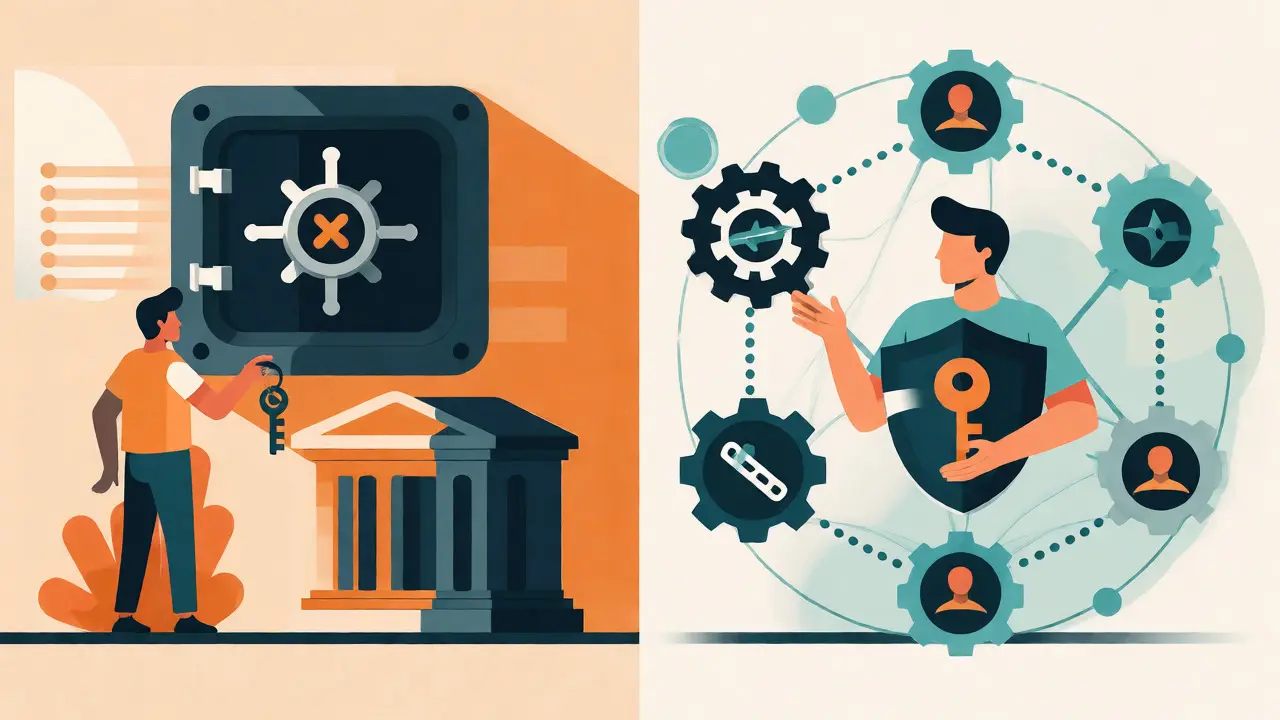
But not all exchanges are created equal. Some are like banks-you trust them with your money, and they hold the keys. Others are like a peer-to-peer swap meet-no middleman, just you and the blockchain. Choosing the wrong one can cost you fees, privacy, or even your funds if things go south. This guide breaks down exactly what these platforms are, how they differ, and which one fits your needs in 2026.
The Core Function: More Than Just Buying Crypto
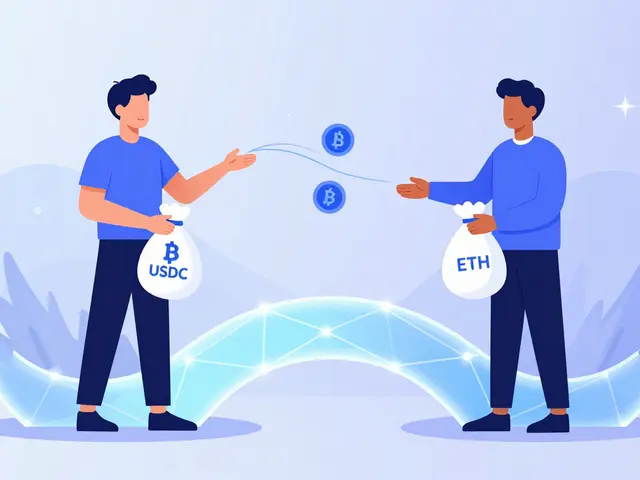
At its heart, a cryptocurrency exchange is a platform that facilitates the trade of digital assets. Unlike traditional stock exchanges that trade shares of companies, these platforms trade tokens backed by cryptography and distributed ledger technology. When you place an order to buy Bitcoin on an exchange, you aren’t always buying from the exchange itself; often, you’re matching with another user who wants to sell. The exchange acts as the intermediary, ensuring the trade happens smoothly and securely.
These platforms serve three primary jobs for users:
- Liquidity Provision: They ensure there are enough buyers and sellers so you can enter or exit positions quickly without moving the market price too much.
- Price Discovery: By aggregating orders from thousands of traders, exchanges determine the current market value of a coin based on supply and demand.
- Custody and Security: Depending on the type, they either hold your assets for you (custodial) or let you manage them yourself while providing the interface to trade (non-custodial).
Centralized Exchanges (CEX): The Familiar Bank Model
If you’re new to this, you’ll likely start here. A Centralized Exchange (CEX) operates much like a traditional brokerage firm such as E*TRADE or Robinhood. A single company owns and runs the platform. They control the order books, match trades, and crucially, they hold custody of your private keys.
This means when you see "1 BTC" in your Coinbase or Binance account, you don’t technically own that Bitcoin on the blockchain yet. You own an IOU from the exchange. If you want to move that Bitcoin to your personal wallet, you have to request a withdrawal.
Why people love CEXs:
- User Experience: Interfaces are polished, intuitive, and look like standard banking apps.
- Fiat On-Ramps: You can connect your bank account, credit card, or PayPal directly to buy crypto with regular money.
- Speed: Trades execute instantly because they happen on internal databases, not the slower public blockchain.
- Support: If something goes wrong, you can call customer service or chat with a human.
The downsides? You must trust the company completely. Remember Mt. Gox or FTX? When centralized entities fail, users lose access to their funds. Additionally, most require strict Know Your Customer (KYC) verification, meaning you upload your passport and selfie. In Australia, for example, exchanges must register with AUSTRAC, adding layers of compliance and potential delays during high-volume periods.
Decentralized Exchanges (DEX): Trust Code, Not Companies
Now, flip the script. A Decentralized Exchange (DEX) runs entirely on smart contracts on a blockchain like Ethereum or Solana. There is no company headquarters. No CEO. No customer support phone line.
On a DEX like Uniswap or PancakeSwap, you keep custody of your assets in your own wallet (like MetaMask). When you trade, you interact directly with the liquidity pools via code. You remain anonymous-no ID uploads required.
The appeal of DEXs:
- Sovereignty: "Not your keys, not your coins" applies here. You truly own your assets at all times.
- Privacy: Most DEXs only need your wallet address, not your name or address.
- Access: You can trade almost any token, including those too small for major exchanges to list.
The friction points:
- Complexity: You need to understand wallets, gas fees (transaction costs), and slippage. One mistake, like sending funds to the wrong network, can be irreversible.
- No Fiat: You generally can’t buy crypto with a credit card directly on a DEX. You usually need to buy crypto on a CEX first, transfer it to your wallet, and then trade on the DEX.
- Speed and Cost: Transactions depend on blockchain congestion. During busy times, fees can spike, and confirmations might take minutes instead of seconds.
Hybrid Exchanges: The Best of Both Worlds?
Some newer platforms attempt to bridge the gap. These Hybrid Exchanges combine the speed and user-friendly interface of centralized platforms with the security and self-custody features of decentralized ones.
In a hybrid model, the order matching engine might run centrally for speed, but the actual settlement of assets happens on-chain. This ensures that the exchange cannot freeze your funds arbitrarily because they never fully held your private keys. While less common than CEXs or DEXs, they are gaining traction among users who want ease of use without sacrificing total control.
How to Choose: A Decision Matrix
Picking the right exchange depends on your experience level, location, and goals. Here’s a quick comparison to help you decide.
| Feature | Centralized Exchange (CEX) | Decentralized Exchange (DEX) |
|---|---|---|
| Custody | Exchange holds keys (Custodial) | User holds keys (Non-Custodial) |
| Identity Verification | Required (KYC/AML) | Generally Not Required |
| Fiat Currency Support | High (Bank transfers, cards) | Low (Crypto-to-Crypto mainly) |
| Transaction Speed | Instant (Internal database) | Variable (Blockchain dependent) |
| Fees | Trading fees + Withdrawal fees | Trading fees + Gas fees |
| Security Risk | Hacking of exchange servers | Smart contract bugs / User error |
| Best For | Beginners, large volume traders | Privacy advocates, DeFi users |
Real-World Scenario: Trading in Perth, Australia
Let’s say you live in Perth and want to invest $500 AUD into Ethereum. If you choose a centralized exchange like CoinSpot or Kraken, you’d sign up, verify your ID with a driver’s license, link your Commonwealth Bank account, and buy ETH. The process takes about 15 minutes. The fee might be around 0.5% to 1%. You leave the ETH on the exchange for convenience, accepting the slight risk that the platform could face issues.
Alternatively, if you chose a DEX path, you’d first buy ETH on a CEX (since you can’t pay AUD directly on Uniswap). Then, you’d withdraw that ETH to a hardware wallet like Ledger. Next, you’d connect your wallet to a DEX aggregator, check the gas fees on the Ethereum network (which might be $10-$20 depending on congestion), and swap part of your ETH for a newer token. This route gives you total control but requires you to back up your seed phrase perfectly. Lose that phrase, and your investment is gone forever.
Security Pitfalls to Avoid
Whether you use a CEX or DEX, mistakes happen. Here are the most common traps:
- Phishing Links: Never click links in emails claiming your account is locked. Always type the exchange URL manually or use bookmarks.
- Weak Passwords: Use a password manager. Reusing passwords across sites is a disaster waiting to happen.
- Ignoring 2FA: Two-Factor Authentication is non-negotiable. Use an authenticator app (like Authy or Google Authenticator), not SMS, as SIM swapping attacks are common.
- Leaving Funds on Exchange: For long-term holding, move significant amounts to a cold storage wallet. Treat exchanges as shops, not vaults.
The Future: Regulation and Innovation
As of late 2026, the landscape is maturing. Regulatory clarity in regions like the EU (with MiCA regulations) and Australia has forced exchanges to improve transparency. We’re seeing a rise in institutional adoption, where hedge funds use regulated CEXs for execution and custody.
Meanwhile, Layer 2 solutions like Arbitrum and Optimism are making DEXs faster and cheaper, reducing the barrier to entry. Cross-chain interoperability is also improving, allowing you to trade assets across different blockchains without complex bridging steps. The future isn’t about one winning over the other; it’s about specialized tools for specific jobs.
Is my money safe on a cryptocurrency exchange?
It depends on the exchange's security practices and your own habits. Centralized exchanges are vulnerable to hacks and insolvency, though many now carry insurance for hot wallets. Decentralized exchanges eliminate counterparty risk but expose you to smart contract bugs and user error (like losing your private key). For maximum safety, keep only trading amounts on exchanges and store long-term holdings in a hardware wallet.
Do I need to pay taxes on crypto trades?
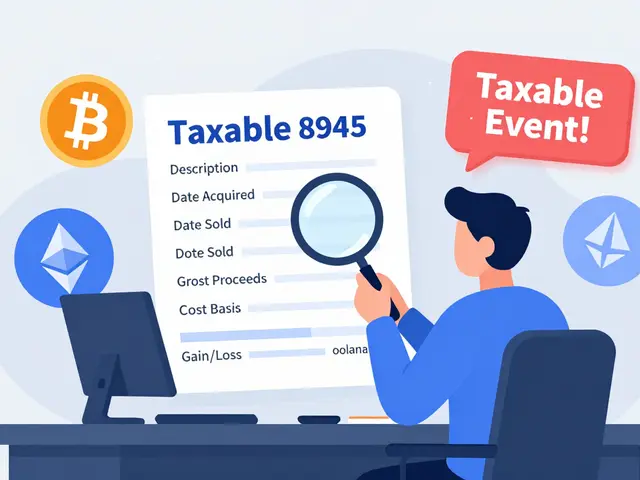
Yes, in most jurisdictions including Australia and the US, selling crypto for fiat or swapping one crypto for another is a taxable event. Exchanges often provide transaction history exports to help you calculate capital gains. However, tax laws vary significantly by country, so consulting a local tax professional familiar with digital assets is highly recommended.
Can I buy crypto with a credit card?
Most centralized exchanges allow purchases via debit or credit cards, though fees are typically higher (3-5%) compared to bank transfers. Some exchanges restrict credit card usage due to chargeback risks. Decentralized exchanges generally do not accept fiat currencies directly, so you would need to buy crypto on a centralized platform first before transferring it to a DEX.
What is KYC and why do exchanges ask for it?
KYC stands for "Know Your Customer." It is a mandatory identity verification process required by regulators to prevent money laundering and fraud. Centralized exchanges must collect personal information such as your name, address, and government-issued ID. Decentralized exchanges typically do not require KYC, offering greater privacy but potentially less regulatory protection.
Which exchange is best for beginners?
For beginners, a reputable centralized exchange with strong customer support and educational resources is usually the best starting point. Platforms like Coinbase or Kraken offer user-friendly interfaces and fiat on-ramps. Once comfortable, exploring decentralized exchanges can provide deeper engagement with the ecosystem, but the learning curve is steeper.