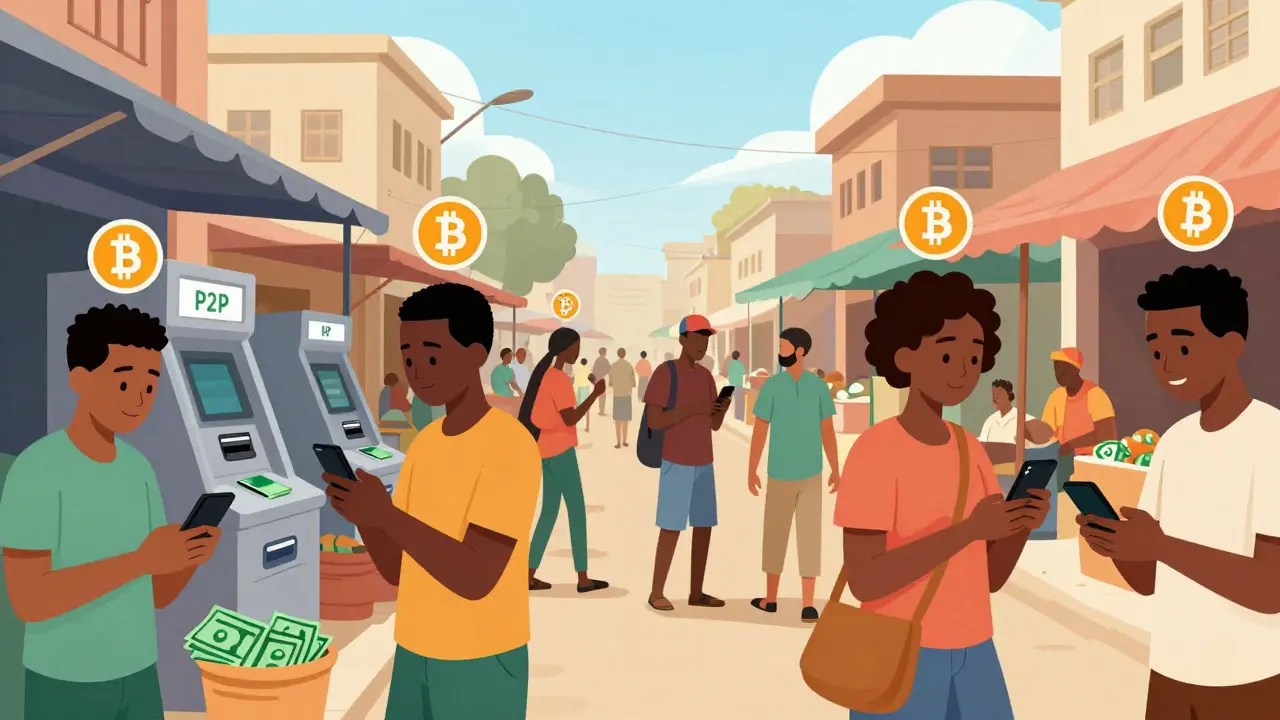
Nigeria’s crypto scene isn’t just growing-it’s exploding. While governments elsewhere struggle to figure out how to handle digital money, Nigerians have built their own financial system, one P2P trade at a time. No banks? No problem. With over 36% of adults unbanked and the Naira losing more than 75% of its value since 2016, people turned to Bitcoin, USDT, and other cryptocurrencies not as speculation, but as survival. Today, peer-to-peer crypto trading is the backbone of Nigeria’s digital economy, handling over $500 million in monthly transactions.
Why P2P Crypto Took Off in Nigeria
It wasn’t a tech trend. It was a necessity. When the Central Bank of Nigeria banned banks from dealing with crypto businesses in 2021, it didn’t stop trading-it forced it underground. People didn’t stop buying Bitcoin. They just moved to P2P platforms where buyers and sellers connect directly. No intermediaries. No bank holds. No delays from corporate policies. Just direct transfers using mobile money, bank apps, and even cash deposits at ATMs. The real game-changer came in early 2025 with the Investments and Securities Act (ISA 2025) a regulatory framework that formally recognized digital assets under the oversight of Nigeria’s Securities and Exchange Commission. Suddenly, platforms weren’t operating in the shadows. They had licenses, compliance teams, and clear rules. Scams dropped by 63% in just six months. Trust started to build.The Top P2P Platforms Powering Nigeria’s Crypto Market
Seven major platforms now dominate the scene, each with strengths that cater to different needs. Here’s what’s really happening on the ground.- Binance P2P handles 45% of Nigeria’s P2P volume, supports 519 cryptocurrencies, and offers over 20 payment methods including direct bank transfers and mobile wallets. Its dispute system resolves 89% of issues within 24 hours, making it the go-to for high-volume traders.
- Bybit leads in local language support, offering 24/7 customer service in Yoruba, Igbo, and Hausa. Its integration with Nigerian banks gives it a 12-15% edge in transaction speed over global competitors.
- YellowCard isn’t just a trading platform-it’s a classroom. With 120+ tutorial videos in Nigerian languages and zero trading fees, it’s the most popular for beginners. Instant Naira deposits and withdrawals happen in under 3 minutes.
- Breet specializes in speed. 98% of its transactions complete within 5 minutes. If you need cash fast, this is your platform.
- Busha was the first exchange licensed under ISA 2025. It offers recurring buys, limit orders, and multi-factor authentication. Its swap feature lets users convert between 15 cryptocurrencies in one click.
- Quidax focuses on security. It stores 95% of funds in cold wallets, runs monthly penetration tests, and has an internal compliance team that works directly with the SEC.
- Remitano charges 0.25% per trade and supports five payment methods. But it only allows Bitcoin trading-no altcoins. It’s simple, but limited.
Market rankings based on user experience, security, and speed show Binance leading at 4.8/5, followed by Bybit (4.6), YellowCard (4.5), Busha (4.4), and Breet (4.3). But rankings don’t tell the whole story. For someone who speaks only Hausa, Bybit’s support team is worth more than Binance’s global reputation.
How Users Actually Trade-And What Goes Wrong
Most new users think P2P trading is like buying on Amazon. It’s not. It’s more like negotiating a deal at a market. You pick a seller, agree on a price, send money, and wait for them to release the crypto. The system works because of escrow: the platform holds the crypto until the payment clears. But things go wrong. A 2025 report from Tech In Africa found that 65% of users face payment verification delays. Sometimes a bank transfer takes 48 hours to show up. Other times, the buyer uses stolen account details. One Reddit user, u/CryptoSafeNG, lost ₦500,000 ($328) when a buyer used credentials from a hacked bank account. The platform couldn’t reverse it because the payment was legitimate on the bank’s side. Another issue? 2FA. Platforms push two-factor authentication hard. But 68% of Nigerian users turn it off. Why? Because SMS delivery is unreliable. If your phone doesn’t get the code, you’re locked out. And if you’re trading during a power outage or network blackout, you’re stuck. Then there’s the rate problem. Exchange rates on P2P platforms shift by the minute. A user might lock in a rate of ₦1,500 per USDT, but if the bank transfer takes 12 minutes, the rate could jump to ₦1,540. That’s a 2.7% loss on a single trade. YellowCard users complain about this often.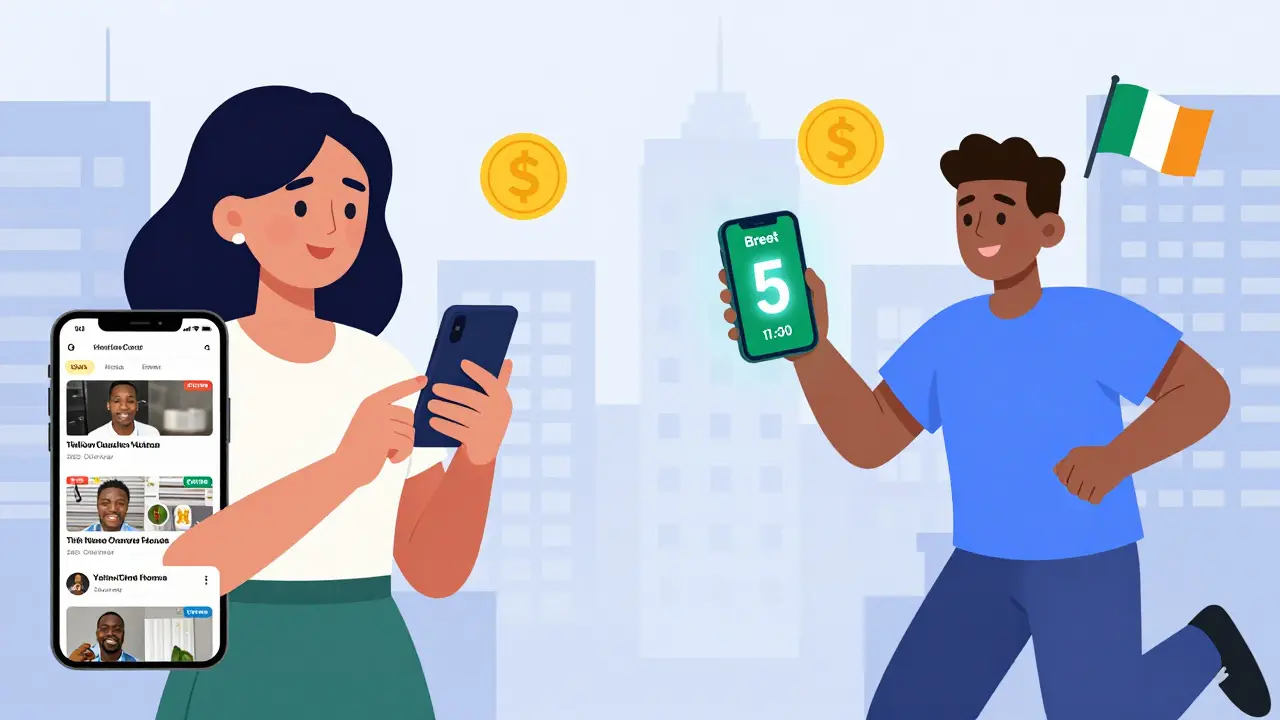
Security, Regulation, and the Hidden Risks
The ISA 2025 framework has done more than legitimize trading-it’s forced platforms to get serious about security. Quidax now runs monthly penetration tests. Busha does quarterly audits. Even Binance, despite its global scale, had a 37-hour outage in March 2025 that affected 28,000 Nigerian users. But regulation isn’t perfect. The SEC now requires all platforms to implement real-time transaction monitoring by December 31, 2025. That means every trade will be tracked, flagged, and reviewed. Some users fear this will slow things down. Others worry it’s the first step toward heavy-handed control. Fraud is still rising. The Economic and Financial Crimes Commission (EFCC) reports that 22% of crypto fraud cases in Q2 2025 involved impersonation. Fake sellers post screenshots of verified badges, chat with users for hours, and then disappear after the payment clears. The platforms can’t stop it-they can only warn users.Who’s Using These Platforms-and Why
The typical Nigerian P2P trader is male, aged 18-34, and trades under ₦500,000 ($328) per transaction. That’s not a millionaire’s game. It’s a student’s way to pay rent. A freelancer’s way to get paid in USD. A trader’s way to protect savings from inflation. Seventy-three percent of users say speed is the #1 factor when choosing a platform. Not fees. Not coin selection. Speed. If a platform takes more than 15 minutes to complete a transaction, they switch. That’s why Breet and YellowCard are growing so fast. Women make up only 22% of users, but that number is climbing. Platforms like YellowCard are creating targeted educational content for female traders. Community Telegram groups now have dedicated women-only channels.
The Future: What Comes Next?
Nigeria’s P2P crypto market is worth $2.3 billion in 2025. Analysts project it will hit $5.1 billion by 2027. That growth won’t come from more users-it’ll come from institutions. Banks are starting to partner with licensed platforms. Insurance companies are creating crypto-backed loans. Even pension funds are exploring exposure to Bitcoin. The SEC expects 35-40 licensed platforms by the end of 2025, up from just 12 today. That’s good news. More competition means better service, lower fees, and faster payouts. But challenges remain. In rural areas, 31% of users still can’t access reliable internet. Power outages last 8-12 hours a day in some regions. And while 89% of users trade under $328, the average loss to scams in the first month is still 42%. The real test? Can Nigeria keep this system open, fast, and secure while bringing in regulation? So far, it’s the only country in Africa where crypto isn’t just tolerated-it’s essential.What You Need to Know Before Getting Started
If you’re thinking of joining Nigeria’s P2P crypto market:- Start small. Trade under ₦50,000 until you understand how escrow works.
- Always use platforms with SEC licensing. Look for the official badge.
- Enable 2FA-even if SMS is slow. Use an authenticator app instead.
- Never trust a seller who asks you to send money before the crypto is released.
- Use Telegram groups to check seller reputation. The community knows who to avoid.
- Track rates with apps like CoinMarketCap or local tools like NairaCompare.
This isn’t about getting rich overnight. It’s about having control over your money when the system fails you. And in Nigeria, that’s worth more than any price tag.
Is P2P crypto trading legal in Nigeria?
Yes, since the Investments and Securities Act (ISA 2025) came into effect in early 2025, P2P crypto trading is fully legal under the oversight of Nigeria’s Securities and Exchange Commission (SEC). Platforms must be licensed to operate, and banks are now allowed to service these businesses. This replaced the 2021 CBN ban that had restricted financial institutions from dealing with crypto firms.
Which P2P platform is best for beginners in Nigeria?
YellowCard is widely considered the best for beginners. It offers zero trading fees, instant Naira deposits and withdrawals, and over 120 tutorial videos in local languages like Yoruba, Igbo, and Hausa. Its mobile app is simple, secure, and designed for users with little to no crypto experience. The platform also has a strong reputation for customer support and educational outreach.
Why do Nigerian users prefer P2P over centralized exchanges?
P2P trading allows users to buy and sell crypto directly using local payment methods like bank transfers, mobile money, and cash deposits. Centralized exchanges often restrict withdrawals or require complex KYC processes. P2P platforms, especially after ISA 2025, offer more flexibility, faster access to Naira, and better integration with Nigeria’s banking infrastructure.
How do I avoid scams on P2P crypto platforms in Nigeria?
Always use escrow-enabled trades-never send money before the crypto is released. Check seller ratings and reviews, especially on Trustpilot and Reddit communities like r/NigeriaCrypto. Avoid sellers who ask you to bypass platform rules or use unofficial payment methods. Enable two-factor authentication and use authenticator apps instead of SMS. Report suspicious activity immediately to the platform’s support team.
Can I use P2P crypto platforms if I live outside Nigeria?
Some platforms like YellowCard and Remitano operate across multiple African countries and allow users outside Nigeria to trade with Nigerian counterparts. However, most Nigerian P2P platforms are optimized for Naira transactions and local banking systems. If you’re not in Nigeria, you may face delays, higher fees, or restrictions on payment methods. Always check the platform’s supported countries before signing up.