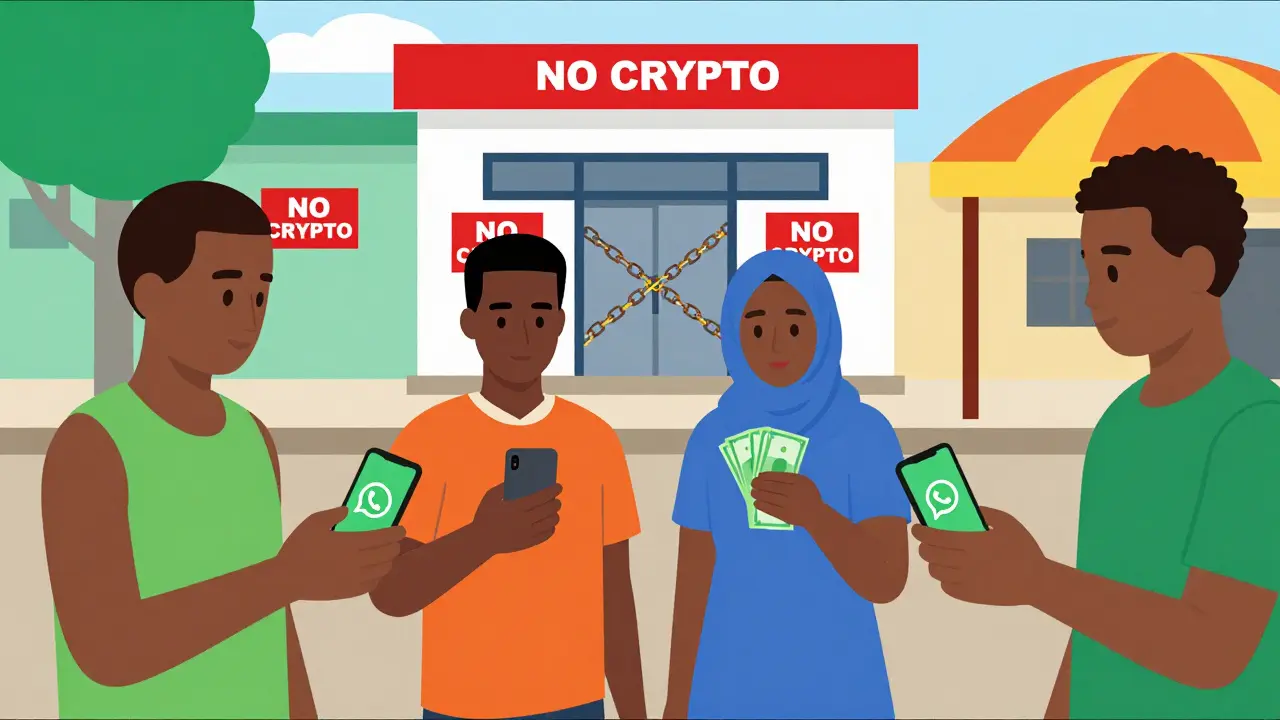
When Nigeria’s Central Bank banned crypto transactions in February 2021, it didn’t stop people from using Bitcoin. It just pushed them underground. Banks were told not to touch crypto firms. Exchanges were forced offline. But Nigerians kept trading - through peer-to-peer apps, mobile wallets, and cash meetups. By 2022, Nigeria was the second-largest P2P crypto market in the world. The ban wasn’t working. And by 2025, the government had completely flipped its stance.
The 2021 Ban: Why It Happened
On February 5, 2021, the Central Bank of Nigeria (CBN) issued a circular that cut off crypto from the formal banking system. No bank could open accounts for crypto businesses. No bank could process crypto-related payments. Even sending money to a Binance account became risky. The reason? Governor Godwin Emefiele claimed crypto was a threat to "the safety and soundness of our financial system." But the ban wasn’t sudden. It built on an earlier 2017 directive that already blocked Bitcoin transactions through banks. The 2021 move was the final step: total disconnection. The CBN didn’t ban owning crypto - just using banks to buy or sell it. That created a weird legal gray zone: you could hold Bitcoin, but you couldn’t cash out through your GTBank account. The result? A booming underground economy. P2P platforms like Paxful and LocalBitcoins exploded. Traders met in cafes, exchanged cash for USDT via WhatsApp, and used mobile money apps to avoid detection. Nigeria’s crypto adoption didn’t drop - it doubled.The Quiet Shift: Late 2022 to 2023
By late 2022, the CBN started quietly changing its tune. Banks began quietly opening accounts for crypto firms again - no official announcement, no press release. Just a few lucky exchanges got access. One insider told Semafor Africa that "the CBN was testing the waters." Why the shift? Two big reasons. First, Nigeria’s foreign exchange crisis was getting worse. The naira was falling. Importers couldn’t get dollars. Crypto became a lifeline for businesses needing to pay overseas suppliers. Second, the government realized it couldn’t stop people from using crypto - only control it. In December 2023, the CBN officially reversed the ban. Governor Emefiele was gone. His successor announced banks could now work with crypto firms - but only if those firms were licensed by the Securities and Exchange Commission (SEC). The message was clear: no more underground. If you want to trade crypto in Nigeria, you need a license.The 2025 Legal Framework: SEC Takes the Lead
The real turning point came with the Investments and Securities Act (ISA) 2025. This law didn’t just allow crypto - it defined it. Digital assets were officially classified as securities under SEC jurisdiction. That meant every exchange, wallet provider, and trading platform had to register as a Virtual Asset Service Provider (VASP). Now, to operate legally in Nigeria, a crypto company must:- Apply for and receive a VASP license from the SEC
- Follow strict AML and KYC rules
- Limit transaction amounts per user (exact limits still undisclosed)
- Prohibit cash withdrawals from crypto accounts

Who’s Getting Licensed? The Big Players
Yellow Card, an Africa-focused exchange, moved fast. By March 2024, it announced plans to apply for a Nigerian VASP license and help Coinbase enter 20 African markets. Other big names like Luno and Binance are reportedly in talks. But here’s the catch: licenses aren’t guaranteed. One anonymous crypto CEO told Semafor Africa: "There aren’t going to be as many exchanges as I don’t think they’ll be giving so many licenses out." The SEC hasn’t released a timeline. No application portal. No public list of approved firms. That uncertainty is still a major hurdle. Meanwhile, enforcement hasn’t stopped. In March 2024, two Binance executives were detained over allegations of untraceable fund flows. By May 2024, Nigeria’s national security advisor was reportedly considering labeling crypto trading a "national security threat." The message? Even with regulation, the government still sees crypto as risky.Why This Matters Beyond Nigeria
Nigeria’s story isn’t just about crypto. It’s about how emerging economies handle disruptive technology. Most governments try to ban it. Few succeed. Nigeria tried to ban. Failed. Then tried to regulate. And succeeded - at least on paper. The country now has one of Africa’s most detailed digital asset frameworks. It’s not perfect. Licensing delays, unclear transaction limits, and security crackdowns still create risk. But for the first time, there’s a clear path: register, comply, operate. This model is being watched across Africa. South Africa and Kenya have similar rules. Ghana and Kenya are watching closely. If Nigeria’s system works - if businesses can get licenses, if banks cooperate, if users feel safe - other countries will copy it.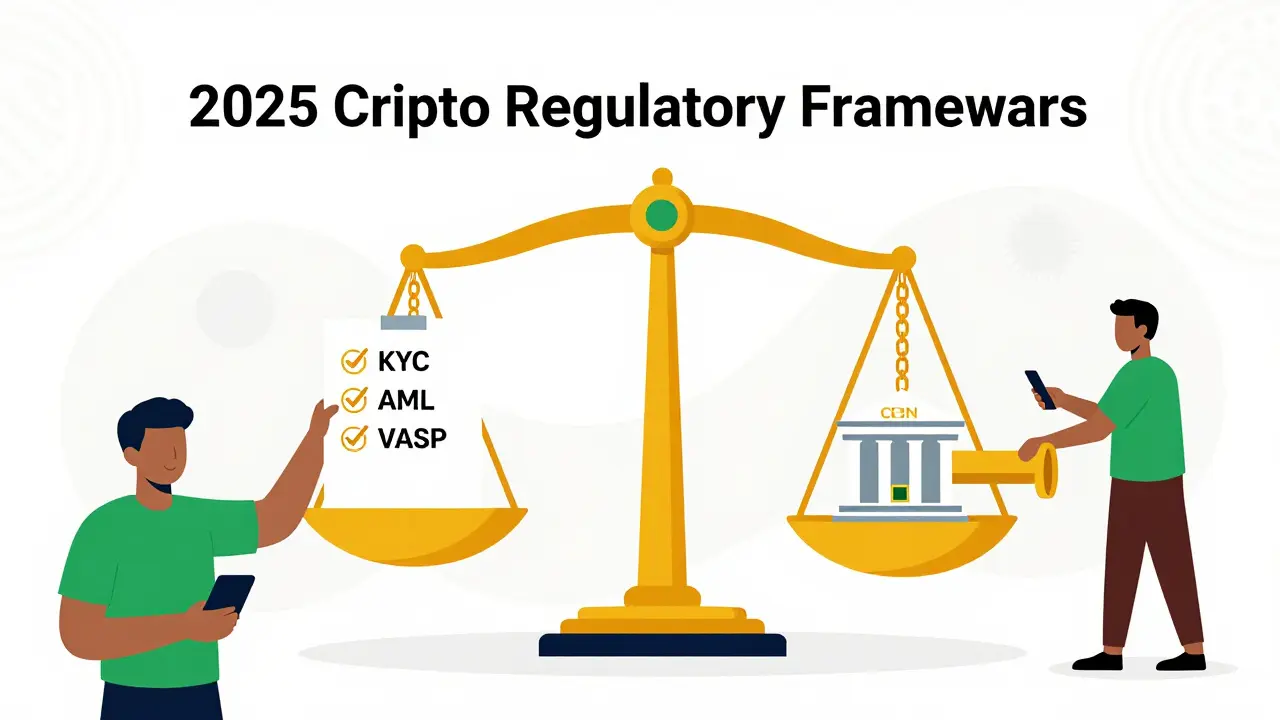
What’s Still Unclear?
Despite the progress, big questions remain:- How many VASP licenses will the SEC actually issue?
- What are the exact transaction limits for individuals?
- Do you need to declare every crypto trade to tax authorities?
- Will banks refuse service to any VASP that doesn’t meet their internal standards?
The Bigger Picture: AML and the Financial Action Task Force
Nigeria’s push for regulation isn’t just about crypto. It’s about survival. The country has been on the Financial Action Task Force (FATF) Gray List since 2022. That means international banks are wary of doing business with Nigerian institutions. Foreign investment has dropped. Loans are harder to get. By creating a formal crypto regulatory system - with KYC, AML checks, and licensed providers - Nigeria is trying to get off that list. The IMF says Gray List status can cut development funding by up to 30%. So the crypto rules? They’re not just about Bitcoin. They’re about Nigeria’s place in the global economy.Final Thoughts: A Policy That Evolved
Nigeria didn’t wake up one day and say, "Let’s legalize crypto." It went through pain. It banned. It failed. It watched its people adapt. Then it tried again - smarter. The 2021 ban was a blunt instrument. The 2025 framework is a scalpel. It doesn’t promise free-for-all crypto. It promises controlled access. Licensed platforms. Bank-backed transactions. Investor protection. It’s not perfect. But it’s progress. And for a country where 30 million people use crypto, that’s more than most governments have managed.Was cryptocurrency illegal in Nigeria between 2021 and 2023?
No, owning cryptocurrency was never illegal in Nigeria. The 2021 ban only stopped banks from processing crypto transactions. People could still buy, sell, and hold crypto through peer-to-peer platforms. The law didn’t criminalize users - it cut off their access to the banking system.
Can I open a crypto account at a Nigerian bank today?
Only if the crypto company you’re using is licensed by the SEC. Banks are allowed to serve licensed Virtual Asset Service Providers (VASPs), but they’re not required to. Most banks are still cautious. You can’t open a crypto account directly at GTBank or Access Bank - you need to go through a licensed exchange first.
Why did the CBN reverse its ban?
The ban failed. Crypto adoption kept growing, with Nigeria ranking second globally in P2P trading. The economy also needed foreign currency access, and crypto became a key tool for businesses to pay overseas suppliers. The CBN realized regulation - not prohibition - was the only sustainable path forward.
Is Binance legal in Nigeria now?
Binance is not officially licensed in Nigeria as of early 2025. Although it’s one of the world’s largest exchanges, it hasn’t applied for a VASP license under the ISA 2025. Nigerian authorities have previously detained its executives over fund tracing concerns, and the company remains under scrutiny.
How does the SEC’s new rule affect everyday users?
Everyday users won’t notice much change - unless they use an unlicensed platform. If you trade through a licensed VASP like Yellow Card or a future SEC-approved exchange, your transactions are protected under Nigerian law. If you use an unlicensed app, you risk losing funds with no legal recourse. The SEC’s goal is to push users toward safe, regulated platforms.
Will Nigeria’s crypto rules help it get off the FATF Gray List?
Yes, that’s one of the main goals. The FATF has criticized Nigeria for weak anti-money laundering controls. By creating a formal licensing system for crypto firms - with KYC, transaction monitoring, and reporting - Nigeria is directly addressing those concerns. Success here could help remove the country from the Gray List by late 2025.