
Imagine waking up to find that your high-tech mining rig, which was essentially a digital gold mine, is now a piece of illegal hardware. That's exactly what happened to thousands of people in Kosovo in early 2022. While many countries treat crypto mining restrictions in Kosovo as a minor regulatory hurdle, Kosovo took a sledgehammer to the industry, implementing a total ban that still resonates today.
The energy crisis that triggered the ban
The crackdown didn't happen in a vacuum. In December 2021, Kosovo was pushed into a state of emergency. The country was facing a brutal energy crisis, made worse by the fact that several EU nations had banned fossil fuel exports. When you have a limited power grid and people are running energy-hungry machines 24/7, something has to give. On January 4, 2022, Minister of Economy Artane Rizvanolli made the call: all cryptocurrency production across the territory was banned immediately.
The government wasn't just worried about the total amount of power being used; they were worried about who was using it. A lot of mining was happening in northern Kosovo, specifically in municipalities with Serbian majorities. In these areas, electricity was often not paid for, meaning private miners were essentially stealing subsidized power to make a profit. This created a political and economic powder keg that the government decided to defuse with a blanket prohibition.
How the government enforced the crackdown
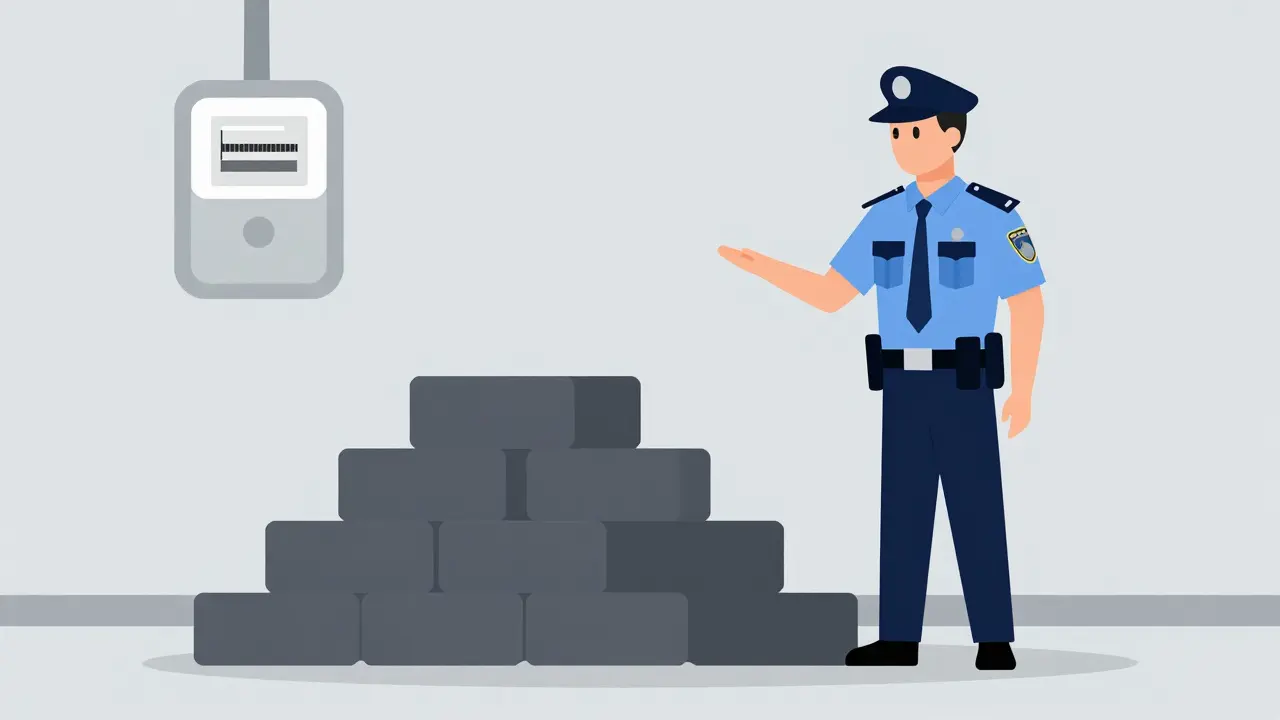
Kosovo didn't just put up a sign and hope for the best. They treated crypto mining like a serious crime. The government used a multi-phase approach to hunt down rigs. Law enforcement agencies started monitoring electricity consumption patterns. If a residential home suddenly showed a power spike consistent with industrial-scale mining, the police were on their way.
The results were swift. In the first few months, police and customs authorities raided locations and confiscated over 300 Bitcoin mining devices. These weren't just small hobbyist setups; these were coordinated raids targeting the Proof-of-Work (PoW) processes that consume massive amounts of electricity to secure the blockchain.
| Date/Period | Action Taken | Objective |
|---|---|---|
| December 2021 | State of Emergency declared | Address severe energy shortages |
| January 4, 2022 | Total ban announced | Stop electricity misuse for mining |
| Early 2022 | Mass confiscations | Seizure of 300+ mining devices |
| August 1, 2022 | 60-day extension | Maintain grid stability during peaks |
The legal grey areas and current status
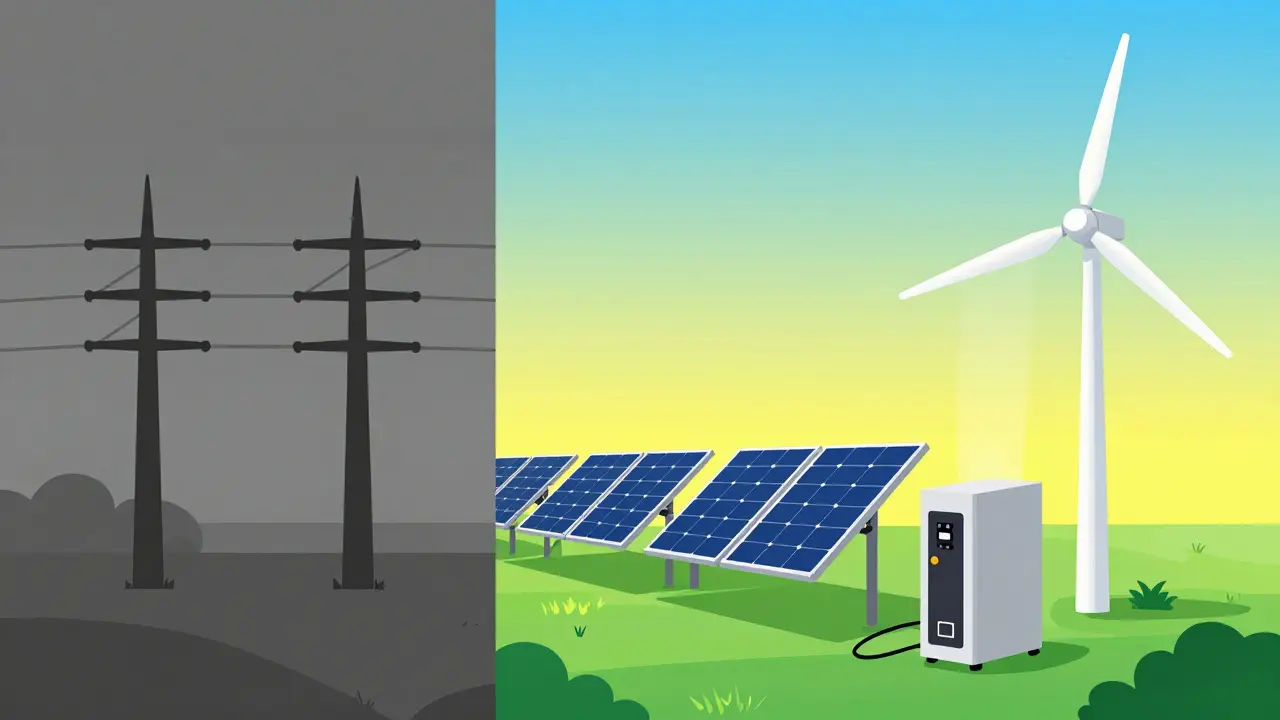
Fast forward to 2025, and Kosovo remains one of the few countries in the world-only eight in total-with an outright ban on mining. But there is a glimmer of hope for those with their own power sources. The current regulations have shifted slightly: if you can prove your mining operation is powered exclusively by Alternative Energy (like solar or wind) and doesn't touch the national grid, you might be in the clear.
However, for the average person, the legal landscape is still a minefield. While the ban focuses on production (mining), the broader legal framework still classifies many cryptocurrency activities as illegal. This creates a massive headache for investors and traders who want to move money in and out of the country.
The real-world impact on the community
The ban didn't just stop machines; it killed an emerging industry. Kosovo has a huge diaspora-people living abroad who send money back home. In most countries, Cryptocurrency is used as a fast, cheap way to handle remittances. Because of the restrictive environment, Kosovars are cut off from these efficient digital financial tools.
Local entrepreneurs who wanted to build blockchain-based startups found themselves with no legal ground to stand on. Instead of becoming a tech hub in the Balkans, the country saw a brain drain where developers and investors moved their operations to more friendly jurisdictions. This isn't just about Bitcoin; it's about the loss of an entire ecosystem of digital finance innovation.
Kosovo vs. The World: A Global Trend
Kosovo wasn't alone in its fear of energy crashes. They followed a path similar to China, which famously shut down its mining industry in 2021. When China left the scene, it displaced nearly 75% of the global mining capacity, causing a massive migration of rigs to the US and Kazakhstan.
Organizations like Greenpeace USA have pointed out that Kosovo's move is part of a wider trend. Governments are realizing that the environmental cost of mining is too high, especially when it threatens the stability of the local electrical grid. The shift is moving from "let's try this new tech" to "how do we stop this tech from blowing our fuses?"
What's next for crypto in Kosovo?
The government hasn't just said "no" and walked away. They've been working on a legislative framework to categorize different types of digital assets and figure out how to tax them. The goal is to separate the mining (which is the energy problem) from the trading and usage (which is the financial opportunity).
If you're looking to get involved in the space within Kosovo, here are a few rules of thumb to keep in mind:
- Avoid the grid: Do not attempt to mine using standard residential electricity. The patterns are easily detectable.
- Go Green: Look into off-grid solar setups if you're determined to produce coins.
- Watch the laws: Keep an eye on the Committee for Economy's updates regarding the new taxation frameworks.
Is cryptocurrency mining still illegal in Kosovo in 2026?
Yes, cryptocurrency mining remains illegal throughout Kosovo. While the government has allowed some exceptions for operations using exclusively alternative energy sources, mining using the national electrical grid is strictly prohibited and can lead to the confiscation of equipment.
Why did Kosovo ban crypto mining in 2022?
The ban was a response to a severe energy crisis in early 2022. The government declared a state of emergency due to power shortages and found that energy-intensive mining operations-particularly those using unpaid electricity in certain regions-were putting the national grid at risk.
Can I be arrested for mining Bitcoin in Kosovo?
Yes, the government has a history of coordinated raids involving police and customs authorities. In the early stages of the ban, over 300 devices were confiscated. Operating an illegal mining farm can lead to legal repercussions and loss of hardware.
Are there any legal ways to mine crypto in Kosovo?
Current regulations suggest that cryptocurrency production is only permitted when using alternative electricity sources (such as solar or wind) that do not burden the national power grid.
Does the ban affect trading or holding cryptocurrency?
While the ban specifically targets the production (mining) of coins, the overall legal environment remains restrictive. This has made it difficult for users to access global markets, use crypto for remittances, or operate crypto-related businesses legally within the country.