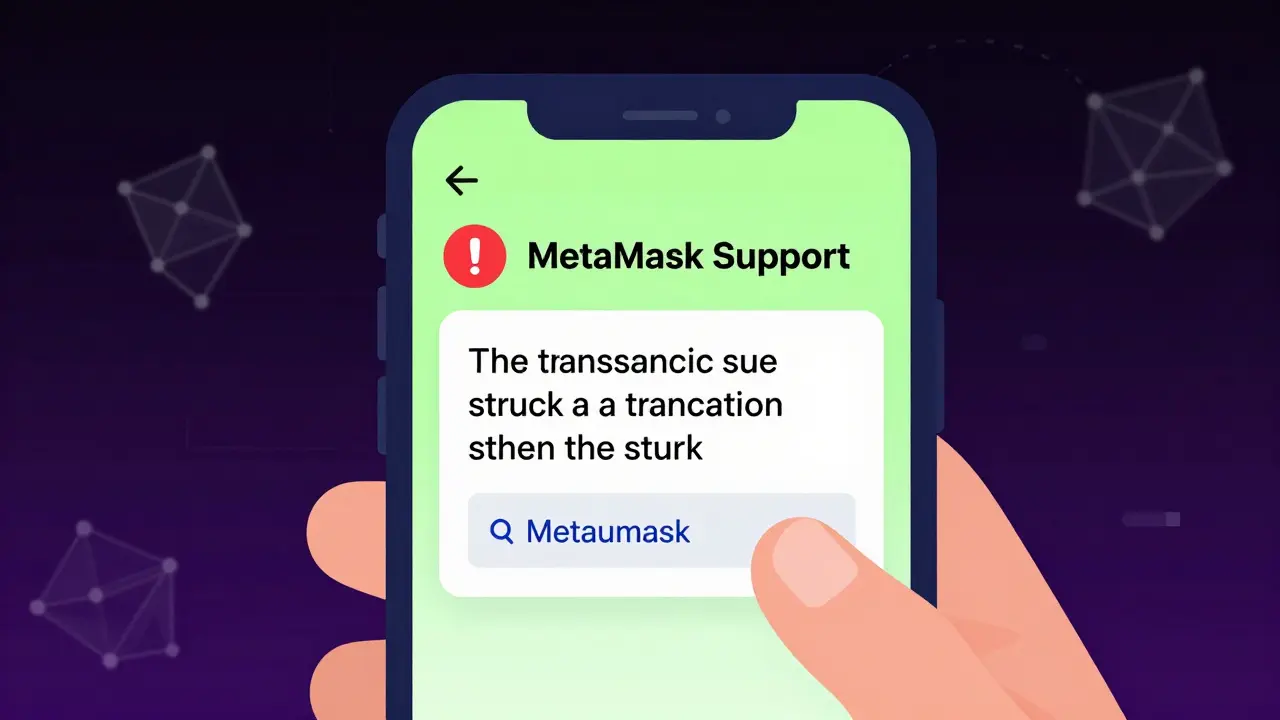
You just sent some Ethereum to a new DeFi protocol. Two minutes later, your phone buzzes with an urgent alert from 'MetaMask Support.' It claims your transaction is stuck due to a network error and asks you to click a link to 'verify' your wallet. You know better than to panic, but the message looks perfect. The logo is right. The tone is professional. Even worse, it references your exact transaction hash. This isn't a glitch; it's a highly coordinated crypto phishing attack designed to drain your assets before you even realize what happened.
In 2026, stealing cryptocurrency no longer requires hacking a bank or breaking complex encryption. Attackers have realized that humans are the weakest link in the blockchain security chain. According to the FBI's Internet Crime Complaint Center (IC3), crypto phishing now accounts for nearly 40% of all digital asset thefts, with victims losing an average of $42,850 per incident. These attacks aren't random spam blasts anymore. They are personalized, AI-driven campaigns that exploit the irreversible nature of blockchain transactions.
The Evolution of Social Engineering in Crypto
Back in 2017, when Bitcoin was still finding its footing, phishing emails were easy to spot. They had broken English, generic greetings like 'Dear Customer,' and suspicious links. Today, those red flags are gone. The rise of generative AI has turned phishing into a precision science.
Attackers use AI engines to scrape your public social media profiles-Twitter/X, LinkedIn, and even GitHub repositories-to build detailed victim profiles in under a minute. They know your name, your job title, and sometimes even your recent crypto interests. When they send an email, it doesn't look like mass mail. It looks like a direct message from a colleague or a trusted service provider.
This shift explains why conversion rates for crypto-specific phishing are 3.2 times higher than traditional financial phishing. The attackers aren't just guessing; they're engineering trust. By referencing specific details about your life or portfolio, they bypass your natural skepticism. You think, 'They know too much to be fake,' which is exactly the trap they want you to fall into.
Email vs. SMS: Which Channel Is More Dangerous?
While email remains the most common vector for sophisticated attacks, SMS phishing (often called 'smishing') has become the preferred method for quick, high-volume strikes. Here is how they compare in the current threat landscape:
| Feature | Email Phishing | SMS Smishing |
|---|---|---|
| Success Rate | 28.7% click-through rate | 17.3% click-through rate |
| Speed of Attack | Hours to days after trigger event | Seconds to minutes after transaction |
| Common Lure | Fake login pages, invoice attachments | Urgent security alerts, 'stuck' transactions |
| Detection Difficulty | Moderate (email filters help) | High (carriers rarely filter short codes) |
| Target Audience | Professional investors, DAO members | Retail users, mobile-only traders |
Email attacks tend to be more elaborate. They often involve fake websites that mirror popular exchanges like Coinbase or Binance pixel-for-pixel. These sites might ask you to log in, then install a malicious browser extension, or sign a fraudulent smart contract. The goal is often long-term access to your funds.
SMS attacks, on the other hand, rely on urgency. You receive a text saying your MetaMask wallet has been compromised or that a large transfer is pending confirmation. The link takes you to a mobile-optimized page that mimics the wallet interface. Because you're on a smaller screen, you're less likely to check the URL carefully. The attacker wants you to act fast, before you can verify the source.
How AI-Powered Phishing Works in Real-Time
The scariest part of modern crypto phishing is its timing. Attackers don't just wait for you to click a link; they watch the blockchain. Using real-time monitoring tools, they detect when you make a significant transaction. Within seconds, they trigger a personalized message.
Imagine this scenario: You swap USDC for ETH on Uniswap. Eight seconds later, your phone rings with a call from 'Uniswap Support.' Or perhaps you get an SMS claiming your gas fee was too low and the transaction failed. The message includes your actual transaction hash, making it look legitimate. If you click the link and enter your seed phrase or private key, the attacker instantly drains your wallet.
This technique exploits a fundamental weakness in crypto: there is no customer support team to call back and verify. In traditional banking, you could hang up and call the number on the back of your card. In crypto, if you give away your credentials, the money is gone forever. Blockchain immutability works both ways-it protects honest users, but it also ensures stolen funds cannot be reversed.
Red Flags That Still Exist
Even with AI-generated perfection, these attacks leave traces. Knowing what to look for can save you thousands of dollars. Here are the subtle signs that a message is fraudulent:
- Unicode Character Substitution: Attackers often use characters that look identical to standard letters but come from different language sets. For example, a Cyrillic 'a' might replace a Latin 'a' in a URL. Your eye sees 'coinbase.com,' but your browser goes to a scam site.
- Urgency Without Context: Legitimate services rarely demand immediate action via SMS. If a message says 'Act now or lose your funds,' pause. Check your wallet directly through the official app, not through any link provided.
- Requests for Seed Phrases: No legitimate service will ever ask for your 12-word recovery phrase. Not MetaMask, not Coinbase, not Binance. If a website or email asks for it, it is a scam.
- Generic Greetings with Specific Details: A mix of personalization errors can be a clue. If the email uses your first name correctly but refers to your account as 'User ID #12345' instead of your actual username, something is off.
- Unusual Links: Hover over links before clicking. Look for misspellings, extra subdomains, or non-standard top-level domains like .xyz or .top instead of .com.
Protecting Yourself Against Advanced Attacks
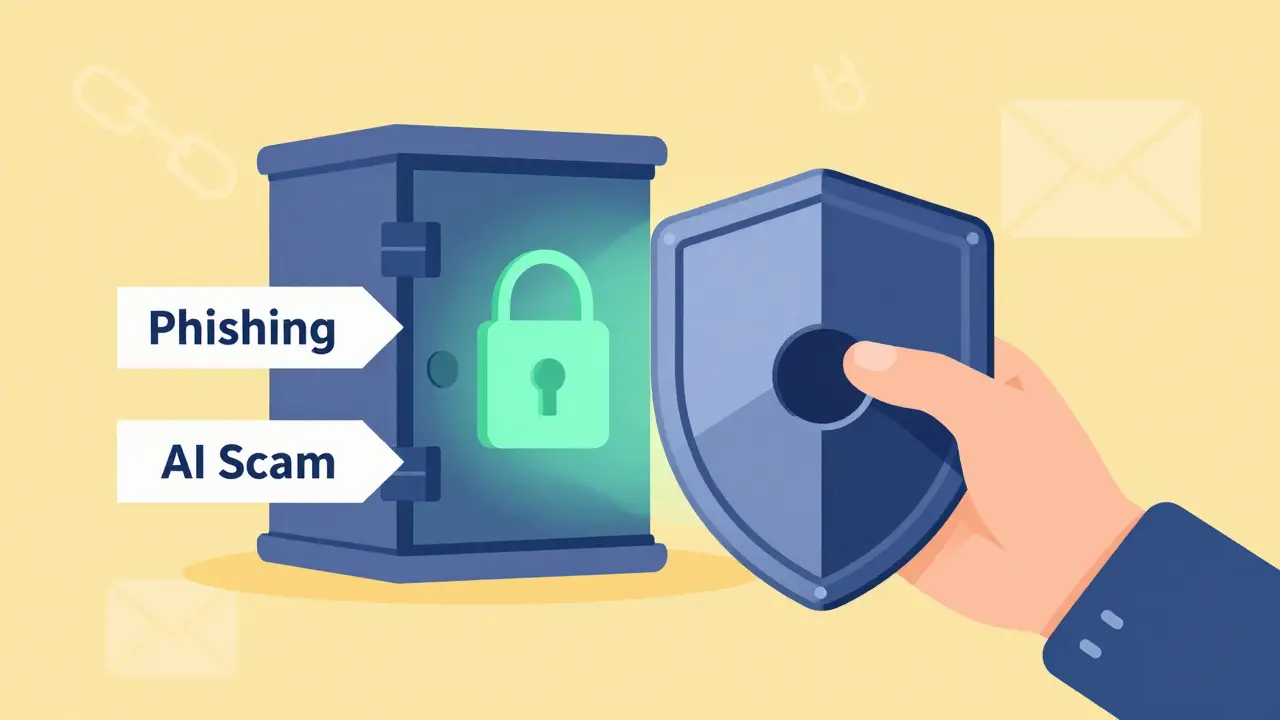
Defense against AI-powered phishing requires a combination of technology and habit. Relying solely on intuition is no longer enough because the attacks are designed to trick your intuition.
First, enable hardware wallets for any significant holdings. Devices like Ledger or Trezor keep your private keys offline. Even if you accidentally visit a phishing site, the attacker cannot steal your funds without physical access to your device and your PIN.
Second, use Multi-Party Computation (MPC) wallets. Unlike traditional wallets that rely on a single seed phrase, MPC wallets split the key generation process among multiple parties. This eliminates the single point of failure that makes seed phrases so dangerous. Companies like Coinbase are already pushing this technology, and adoption is expected to reduce successful phishing attacks by 75% by 2027.
Third, implement strict verification habits. Never interact with a crypto platform through a link in an email or SMS. Always type the address manually into your browser or use a bookmarked shortcut. Turn off push notifications for sensitive alerts if possible, or set them to require manual confirmation within the app itself.
Finally, educate yourself on the latest trends. The crypto space evolves quickly, and so do the scams. Follow reputable security researchers and join communities where victims share their experiences. Learning from others' mistakes is one of the best ways to stay safe.
The Future of Crypto Security
As we move through 2026, the battle between attackers and defenders is intensifying. Security firms are developing AI detectors that can identify phishing attempts based on behavioral patterns rather than just keywords. Coinbase's 'PhishShield' and MetaMask's upcoming transaction simulation features aim to give users a preview of what a transaction will do before they sign it.
However, regulators are also stepping in. The SEC has taken enforcement actions against developers of phishing kits, signaling that creating these tools carries legal risks. While this doesn't stop individual hackers, it raises the cost of entry for organized crime groups.
Ultimately, the responsibility lies with you. Technology can help, but it cannot replace vigilance. Treat every unsolicited message with suspicion. Verify through independent channels. And remember that in the world of crypto, once you sign a transaction, there is no undo button.
Can I recover my crypto if I fall for a phishing scam?
In most cases, no. Blockchain transactions are irreversible. Once you send funds to an attacker's wallet, they are gone. Some exchanges may freeze accounts linked to known scammers, but decentralized wallets offer no such recourse. Prevention is the only reliable defense.
How do I know if an SMS from my exchange is real?
Never trust SMS links alone. Log in to your exchange account directly through the official app or website to check for notifications. If the message creates urgency or asks for personal information, treat it as suspicious. Legitimate exchanges rarely request sensitive data via text.
What is the difference between email phishing and smishing?
Email phishing typically involves more elaborate fake websites and attachments, targeting professional users. Smishing (SMS phishing) relies on short, urgent messages sent to mobile devices, often exploiting real-time transaction alerts to create panic. Both aim to steal credentials, but smishing is faster and harder to filter.
Why are crypto phishing attacks so successful?
They succeed because they combine AI-driven personalization with the irreversible nature of blockchain. Attackers use real-time data to make messages look authentic, and they exploit the fact that there is no central authority to reverse transactions or issue refunds.
Should I use a hardware wallet to prevent phishing?
Yes, hardware wallets significantly reduce risk. They keep your private keys offline, meaning even if you click a malicious link, the attacker cannot access your funds without physical possession of the device. They are considered the gold standard for securing significant crypto holdings.