Imagine waking up one morning to find your digital wallet holds twice the coins you went to sleep with. Sounds too good to be true? It’s not magic; it’s a hard fork. This event splits a single blockchain into two separate networks, often handing existing users new tokens for free. But don’t pop the champagne just yet. While some forks create instant wealth, others leave holders confused, stuck with illiquid assets, or exposed to security risks. If you hold Bitcoin, Ethereum, or any major altcoin, understanding how these splits work isn't optional-it's essential for protecting your portfolio.
What Exactly Is a Hard Fork?
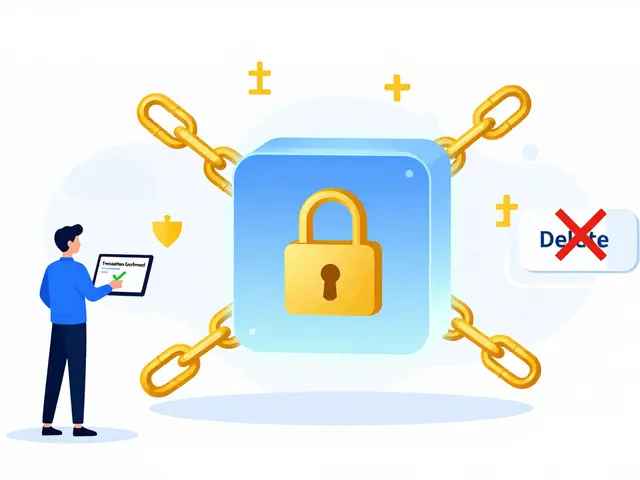
A hard fork is a permanent divergence in the blockchain protocol. Think of it like a road that suddenly splits into two different highways. One path follows the old rules, and the other follows new, incompatible rules. Because these rules don't match, nodes (computers running the network) that upgrade can no longer talk to nodes that didn't. The result? Two independent blockchains operating side-by-side. Unlike a soft fork, which is backward-compatible and keeps everyone on the same page, a hard fork forces a choice. Developers implement changes-like increasing block size or changing mining algorithms-that older software simply cannot process. When the network reaches a specific block height, the chain breaks. Half the community might stick with the original code, while the other half migrates to the new version. Both chains continue to grow, but they are now strangers to each other.
The Mechanics: How Your Wallet Gets Split
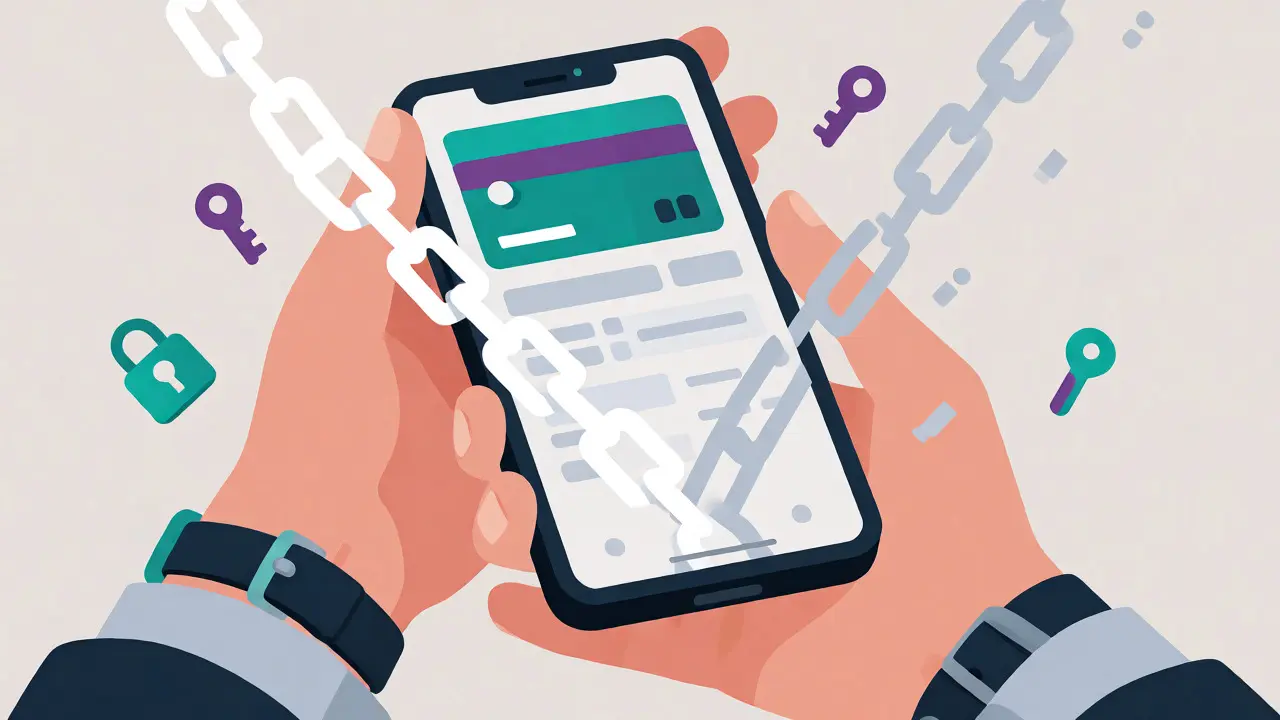
Here is where it gets interesting for you as a holder. When a hard fork happens, your private keys remain valid on both chains. Why? Because the history up to the split point is identical. If you held 1 BTC before the fork, you effectively own 1 BTC on Chain A and 1 unit of the new coin (let’s call it Coin B) on Chain B. This is known as "airdropping" or claiming. However, accessing Coin B isn't always automatic. If your coins were sitting on an exchange during the fork, you relied entirely on that platform to credit your account. Many exchanges pause deposits and withdrawals during these events to prevent technical chaos. If you kept your coins in a self-custody wallet, you had full control but also full responsibility to import your keys into a compatible wallet for the new chain. Failure to do this meant leaving valuable assets stranded on a forgotten branch of the blockchain.
| Feature | Hard Fork | Soft Fork |
|---|---|---|
| Compatibility | Non-backward compatible | Backward compatible |
| Network State | Splits into two chains | Single unified chain |
| User Action | Must update software to stay on main chain | Optional update; old nodes still work |
| Risk Level | High (replay attacks, confusion) | Low (seamless transition) |
Real-World Examples: Bitcoin Cash and Beyond
The most famous example remains the August 2017 split of Bitcoin. A group of developers and miners wanted larger blocks to handle more transactions per second, while others preferred keeping blocks small to maintain decentralization. The disagreement led to the birth of Bitcoin Cash (BCH). Every Bitcoin holder at the time received an equal amount of BCH. For many, this was a windfall. They sold their free BCH for profit, effectively getting a discount on their original Bitcoin holdings. But not every fork ends happily. Consider Ethereum’s move to Proof-of-Stake or various smaller altcoin splits. Some resulting chains gained traction, while others died out completely, leaving holders with worthless tokens that no exchange would list. The key takeaway? Just because you receive a new token doesn't mean it has value. Market sentiment and developer activity determine whether the new chain survives.
The Hidden Dangers: Replay Attacks and Security Risks
While free money sounds appealing, the security landscape during a fork is messy. The biggest threat is the replay attack. Since both chains share the same transaction history up to the split, a transaction sent on one chain can sometimes be accepted by the other if not properly protected. Hackers exploit this by taking your funds from Chain A and replaying the transaction on Chain B, draining your balance on both. Modern wallets often include protections, such as unique transaction signatures for each chain, but older or poorly maintained wallets might not. Additionally, when the network splits, hash power (the computing energy securing the network) divides. If the minority chain loses too much support, it becomes vulnerable to 51% attacks, where a single entity controls the majority of mining power and can reverse transactions. As a holder, you must verify that both chains have sufficient security before moving large amounts of capital.
Practical Steps for Crypto Holders During a Fork
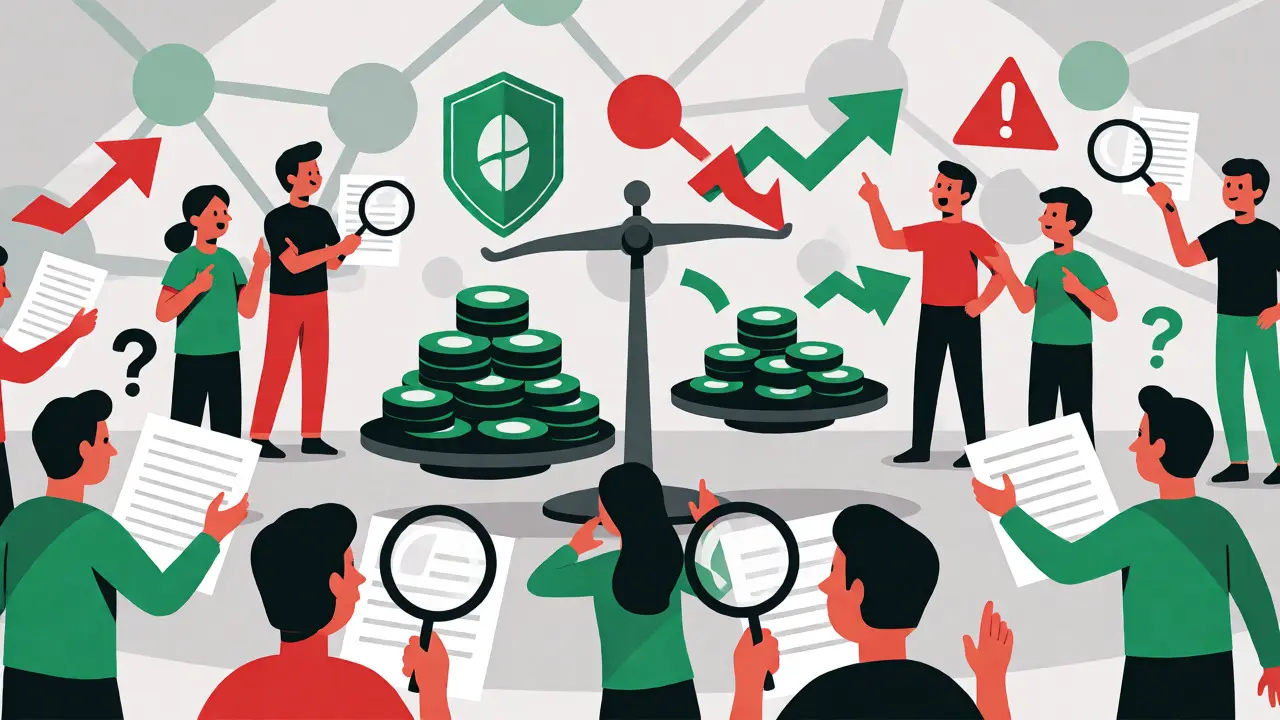
Don't panic when you see headlines about an upcoming fork. Instead, follow a structured approach to protect your interests. First, identify where your assets live. Are they on an exchange or in a hardware wallet? Exchanges like Coinbase or Binance usually announce their support policies weeks in advance. Some will credit you automatically; others will require you to wait until trading resumes. Second, check the technical details. Is the fork contentious? Is there a clear winner in terms of community support? Third, secure your private keys. Never share them with anyone claiming to help you claim new tokens. Phishing scams spike during forks, with fake websites mimicking official ones. Finally, decide your strategy early. Will you sell the new tokens immediately to lock in gains, or hold them hoping for future appreciation? Remember, taxes may apply when you dispose of these new assets, so keep detailed records of acquisition dates and values.
- Backup Your Keys: Ensure you have offline backups of your private keys before the fork date.
- Check Exchange Status: Verify if your exchange supports the new chain and what their timeline is for crediting funds.
- Update Software: If you run a node or use a desktop wallet, update to the latest version to avoid being left on the wrong chain.
- Beware of Scams: Ignore unsolicited emails or DMs offering "free" claims. Always go directly to the official project website.
Long-Term Portfolio Implications
Hard forks add complexity to your investment strategy. Suddenly, you aren't just managing one asset; you're managing several related ones. This requires more storage solutions, more monitoring, and potentially more tax reporting. From a market perspective, forks can dilute brand recognition. If Bitcoin splits into three competing versions, which one carries the "store of value" narrative? Usually, the chain with the strongest network effect wins, but this takes time to play out. For long-term holders, forks represent a test of conviction. Do you believe in the original vision, or do you prefer the upgraded features? There is no right answer, only trade-offs. Some investors diversify by holding portions of both chains, betting that either could become dominant. Others pick a side and ignore the rest. Regardless of your choice, staying informed is critical. Follow developer forums, governance proposals, and miner announcements to anticipate the next potential split.
Do I get new coins automatically after a hard fork?
Not necessarily. If your coins are in a self-custody wallet, you technically own them on both chains, but you must manually import your keys into a wallet supporting the new chain to access them. If your coins are on an exchange, the exchange decides whether to credit you automatically, require a manual claim, or ignore the fork entirely.
What is a replay attack in crypto?
A replay attack occurs when a transaction broadcasted on one blockchain is accidentally or maliciously accepted by another blockchain with similar rules. This can cause you to spend funds on both chains unintentionally, leading to double spending or loss of assets.
Are all hard forks profitable for holders?
No. While some forks like Bitcoin Cash created significant value, many others result in tokens with little to no liquidity or market cap. In some cases, the original coin's price drops due to uncertainty, offsetting any gains from the new token.
How do I know if my wallet supports a new fork?
Check the official documentation of the new blockchain project. Most established projects provide lists of compatible wallets. Hardware wallet manufacturers like Ledger and Trezor typically release firmware updates shortly after major forks to ensure compatibility.
Should I send coins to an exchange before a fork?
It depends. Exchanges offer convenience but carry counterparty risk. If an exchange suspends withdrawals during the fork, you cannot move your funds. Self-custody gives you control but requires technical know-how. Assess your comfort level with technology versus your trust in the exchange.