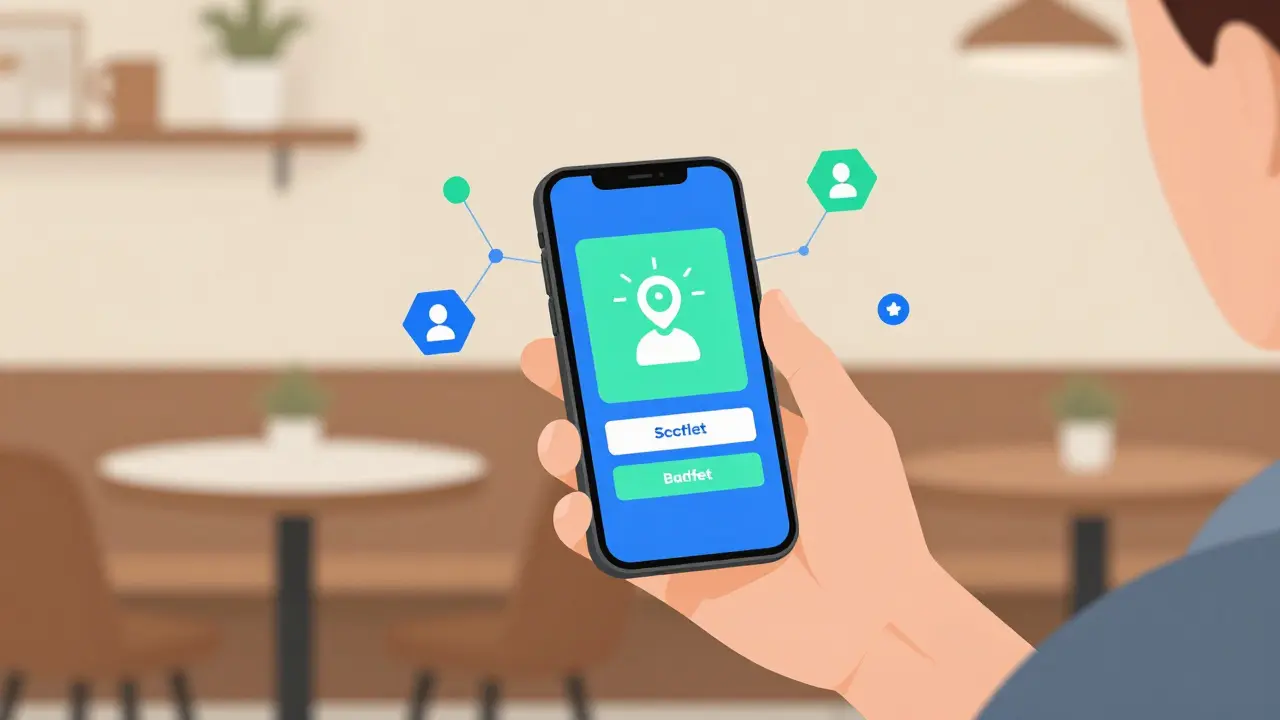
Imagine casting your vote from your phone while sitting in a coffee shop, knowing instantly that it was recorded correctly without anyone else seeing who you picked. That is the promise of blockchain voting systems, digital platforms that use distributed ledger technology to record votes securely and transparently. It sounds like science fiction, but pilots have already happened in places like West Virginia and Colorado. Yet, despite the hype, these systems are not just a simple upgrade to paper ballots. They involve complex cryptography, strict identity verification, and significant security debates.
If you are curious about how this technology actually works-or skeptical about whether it can truly protect democratic processes-this guide breaks down the mechanics, the real-world trials, and the critical challenges that keep experts up at night. We will move beyond the buzzwords to look at what blockchain voting really means for your right to vote.
How Blockchain Voting Actually Works
To understand why blockchain is different from standard online surveys or traditional electronic voting machines, you need to look at the underlying architecture. In a typical electronic system, votes go into a central database. If that server is hacked or manipulated, the results can be altered without anyone noticing. Blockchain changes this by removing the single point of failure.
Here is the step-by-step process of a standard blockchain vote:
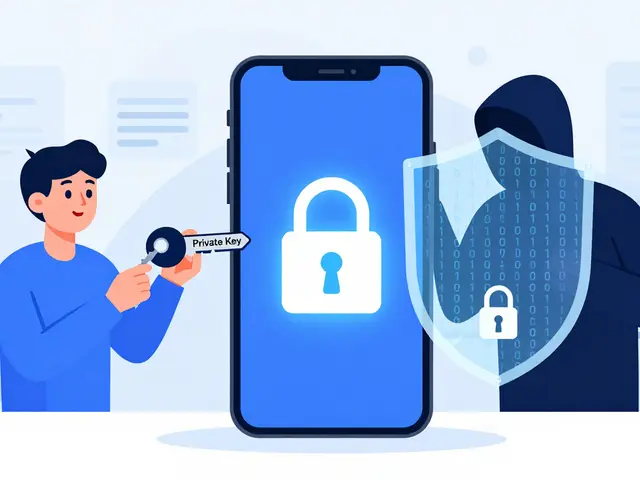
- Voter Registration & Identity Verification: Before voting begins, the system must prove who you are. This often involves linking your digital identity to government IDs, such as a driver’s license, using biometric data or multi-factor authentication. Once verified, the system assigns you a unique cryptographic key pair (a public key and a private key).
- Ballot Token Issuance: Instead of handing out paper ballots, the system issues a "ballot token" to your digital wallet. This token proves you are eligible to vote exactly once. It is cryptographically signed so it cannot be copied or forged.
- Casting the Vote: When you select your candidate, your device encrypts your choice. This encrypted vote is broadcast to the blockchain network. Crucially, your identity remains anonymous; only the fact that *an* eligible voter cast a vote is visible, not *who* voted for whom.
- Immutable Recording: The vote is added to a block on the distributed ledger. Each block is linked to the previous one using cryptographic hashes. Once confirmed by the network nodes, this record becomes immutable. You cannot delete it, change it, or retroactively alter it without breaking the entire chain-a task that is computationally impossible in secure networks.
- Smart Contract Tallying: Pre-programmed code, known as smart contracts, self-executing contracts with terms directly written into lines of code, automatically counts the valid tokens. As soon as voting closes, the contract reveals the total tally. No human needs to manually count papers, eliminating human error and bias.
This structure ensures that every vote is accounted for, but the real magic lies in the privacy protections used during transmission.
The Cryptography Behind Privacy and Security
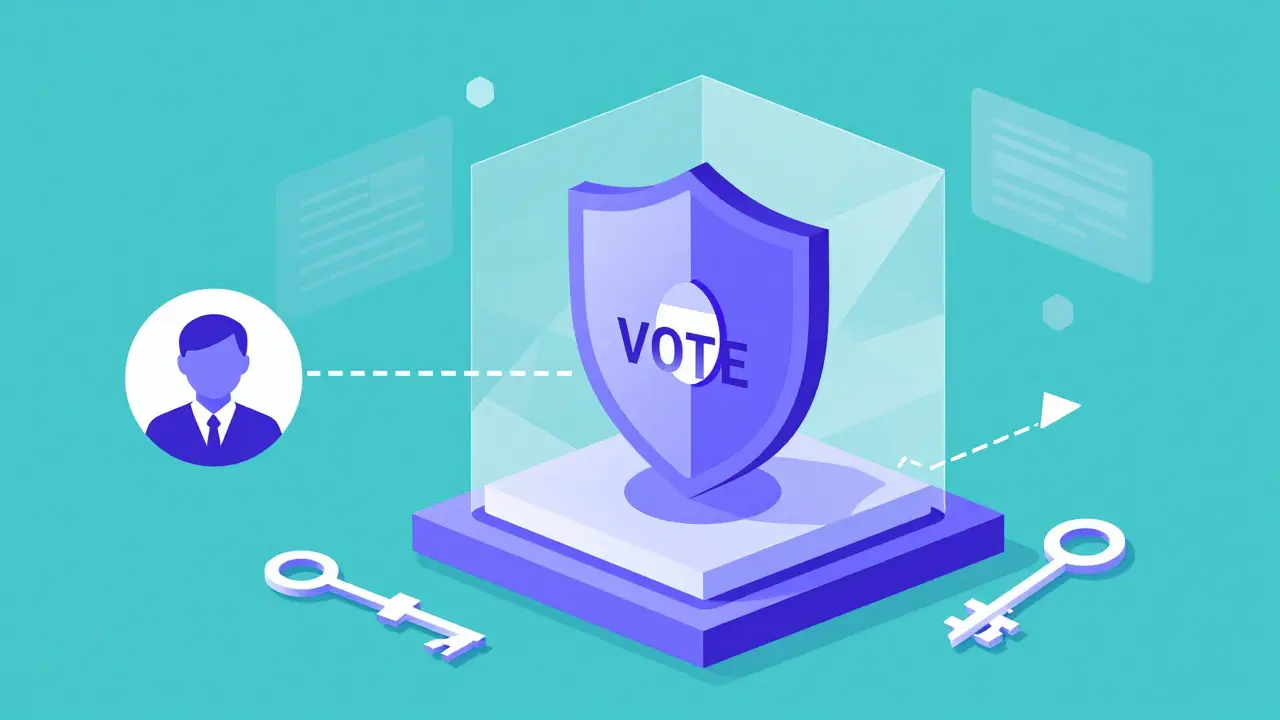
A common misconception is that because blockchain is a "public ledger," everyone can see how you voted. That would destroy the secret ballot, a cornerstone of free elections. To prevent this, blockchain voting systems employ advanced cryptographic techniques that separate identity from intent.
Three key technologies make this possible:
- Zero-Knowledge Proofs (ZKPs): This allows the system to verify that you are an eligible voter without revealing your personal details. Think of it like proving you are over 18 to buy alcohol without showing your ID card-just a "yes/no" confirmation from a trusted source.
- Homomorphic Encryption: This enables computations on encrypted data. In voting terms, it means the smart contract can add up votes while they are still encrypted. The actual choices are only decrypted at the very end, ensuring no one can peek at individual ballots during the counting process.
- Ring Signatures: These mix your signature with those of other voters, making it mathematically impossible to trace a specific vote back to a specific person, even if someone tries to analyze the blockchain history.
These methods address the dual requirement of electoral systems: verifiability (proving the result is correct) and secrecy (protecting the voter). However, implementing them requires immense computational power and careful coding to avoid vulnerabilities.
Real-World Pilots: Who Has Tried It?
Blockchain voting is not just theoretical. Several companies have deployed pilot programs in recent years, primarily targeting groups where remote voting is difficult, such as overseas military personnel or citizens living abroad. Here are three notable examples:
| Provider | Key Feature | Pilot Locations | Verification Method |
|---|---|---|---|
| Voatz | Mobile-first app for absentee voters | West Virginia (2018), Colorado (2019) | Biometric facial recognition + Driver's License API |
| Follow My Vote | Webcam-based identity proofing | Various local elections in US | Valid ID scan + Live webcam comparison |
| Votem | Comprehensive election management platform | Montana, Washington D.C. (2016) | Multi-layered digital identity checks |
Voatz gained attention for allowing U.S. military members stationed overseas to vote via smartphone. Users reported high satisfaction due to convenience. However, the system faced scrutiny after cybersecurity researchers identified potential vulnerabilities in its mobile app infrastructure, highlighting the risks of connecting voting devices to the open internet.
Follow My Vote focuses on usability, allowing voters to modify their choices until the deadline-a feature reminiscent of physical drop-boxes. Their approach emphasizes real-time transparency, letting users see live tallies as votes come in.
Votem has been more focused on integrating with existing election infrastructure rather than replacing it entirely. They provided tools for voter registration and absentee ballot tracking during major federal elections, demonstrating that blockchain can support traditional processes even if it doesn't replace them completely.
Advantages Over Traditional Voting Methods
Why do governments and organizations continue to invest in this technology? The benefits are compelling when compared to paper ballots or legacy electronic voting machines.
- Transparency and Auditability: With paper ballots, you trust that the box wasn't tampered with. With blockchain, anyone can audit the ledger. Voters receive a cryptographic receipt that proves their vote was included in the final count without revealing their choice. This creates a verifiable trail that third-party observers can check in real-time.
- Immutability: Once a vote is on the blockchain, it cannot be deleted or altered. This eliminates fears of "spoiled" ballots disappearing or machine memory being wiped clean before counting.
- Accessibility: For voters with disabilities, those living in remote areas, or expatriates, blockchain voting removes physical barriers. A smartphone becomes a polling booth, potentially increasing voter turnout significantly.
- Cost Efficiency: While initial development is expensive, running an election costs less over time. There are no printing presses, transport trucks for ballot boxes, or large teams of poll workers needed for distribution and collection.
These advantages suggest a future where voting is as easy as sending an email-but with far higher security standards.
Critical Challenges and Risks
Despite the benefits, many cybersecurity experts remain cautious. Blockchain solves the problem of tampering with the *record*, but it does not solve the problem of compromising the *device* or the *voter*. Here are the biggest hurdles:
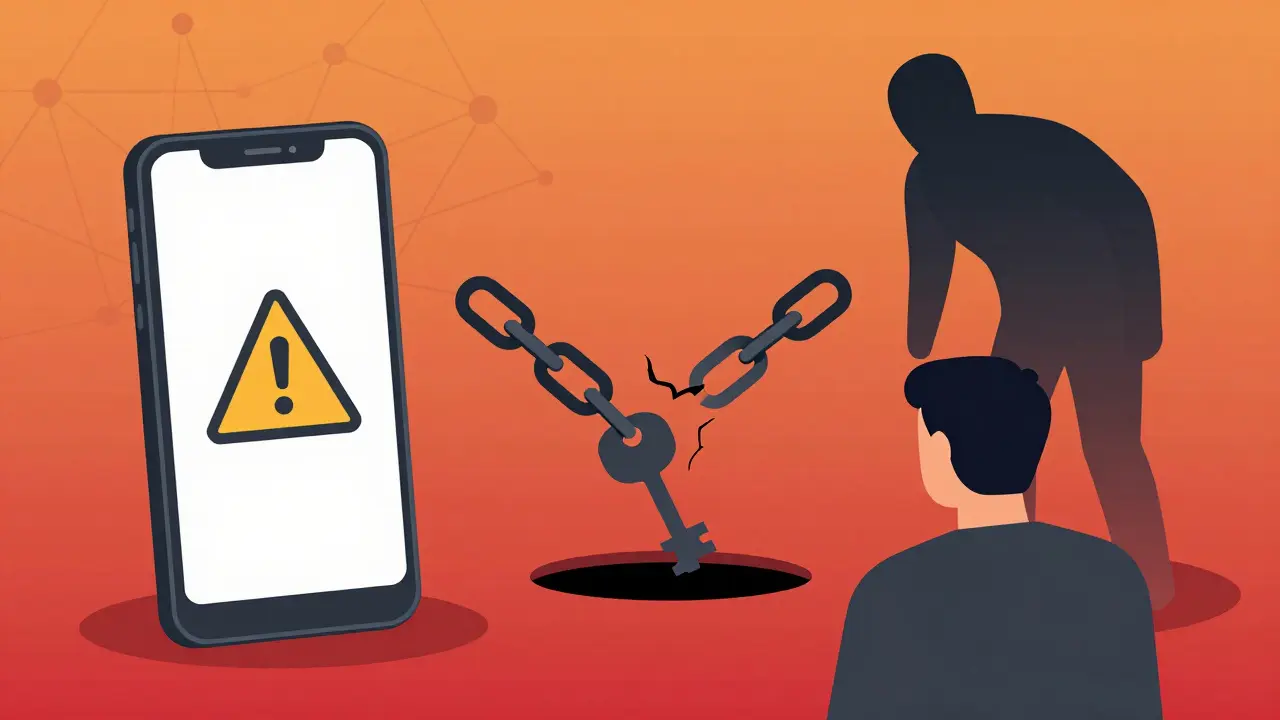
1. The End-Point Vulnerability The blockchain itself may be secure, but your phone might not be. If a voter’s device is infected with malware, the virus could alter their vote before it is encrypted and sent to the blockchain. The ledger would then faithfully record the wrong vote, and since the transaction looks valid, no one would know it was coerced. This is known as the "client-side attack" problem.
2. Coercion and Vote Buying In a physical polling booth, you are alone. On a smartphone, you could be standing next to someone watching your screen. Blockchain voting makes it easier for bad actors to coerce voters because there is no way to verify that the vote was cast freely. Additionally, the ability to verify your vote (via receipts) can enable vote-selling schemes, where buyers demand proof that you voted for their candidate.
3. Key Management Complexity If you lose your private key, you cannot vote. If someone steals it, they can vote as you. Managing millions of keys securely is a logistical nightmare. Unlike a password reset button on a social media site, losing access to a cryptographic key in a decentralized system often means permanent exclusion from the process unless robust recovery mechanisms are built in-which themselves introduce security risks.
4. Scalability Issues During peak times, blockchains can slow down. If millions of people try to vote simultaneously, transaction fees might spike, or confirmations could delay, causing frustration and potential disenfranchisement. Solutions like Layer 2 scaling help, but they add complexity to the system.
The Future of Digital Democracy
Is blockchain voting ready for nationwide presidential elections? Most experts say not yet. The technology is mature enough for low-stakes internal corporate elections or small-scale municipal polls, but the stakes of national democracy require near-perfect security.
The path forward likely involves hybrid models. We may see blockchain used to track absentee ballots or verify voter eligibility, rather than recording the final vote choice directly. This leverages the transparency of the ledger without exposing the secret ballot to the same level of risk.
Regulatory frameworks are also lagging behind. Countries need clear laws defining the legal status of digital signatures, liability for software failures, and standards for auditing blockchain elections. Until these rules are established, widespread adoption will remain limited to experimental pilots.
As we move toward 2026 and beyond, the focus is shifting from "can we do it?" to "should we do it, and how do we do it safely?" The goal is not just technological innovation, but strengthening trust in democratic institutions. If blockchain voting can deliver both security and accessibility without compromising secrecy, it could redefine civic engagement. But until the end-point vulnerabilities are solved, caution remains the best policy.
Can someone hack a blockchain voting system?
While the blockchain ledger itself is extremely resistant to hacking due to its distributed nature, the surrounding infrastructure is vulnerable. Hackers typically target the weakest links: the voter's device (malware), the identity verification service, or the central servers that distribute ballot tokens. Therefore, while the *record* of votes is hard to alter, the *input* of votes can be compromised if endpoint security is poor.
Is my vote anonymous on the blockchain?
Yes, if the system uses proper cryptographic techniques like zero-knowledge proofs and ring signatures. Your identity is verified during registration, but your actual vote is encrypted and dissociated from your personal data before being recorded on the public ledger. Only the aggregate results are visible, not individual choices.
What happens if I lose my private key?
In a purely decentralized system, losing your private key means you cannot sign your vote, effectively disenfranchising you. However, most practical voting implementations include a recovery mechanism managed by election authorities or custodial services to restore access, though this introduces a central point of trust that some purists dislike.
Why aren't all countries using blockchain voting yet?
There are several reasons: regulatory uncertainty, lack of standardized security protocols, concerns about coercion (since voters aren't in a private booth), and the digital divide (not all citizens have smartphones or reliable internet). Additionally, many cybersecurity experts argue that paper ballots provide a better audit trail for manual recounts than digital records.
How does blockchain voting compare to traditional e-voting machines?
Traditional e-voting machines store data in centralized databases, which can be hacked or manipulated by insiders without detection. Blockchain distributes the data across many nodes, making it nearly impossible to alter past records without consensus. Furthermore, blockchain allows voters to independently verify that their vote was counted, whereas traditional machines offer little to no post-cast verification for the individual voter.