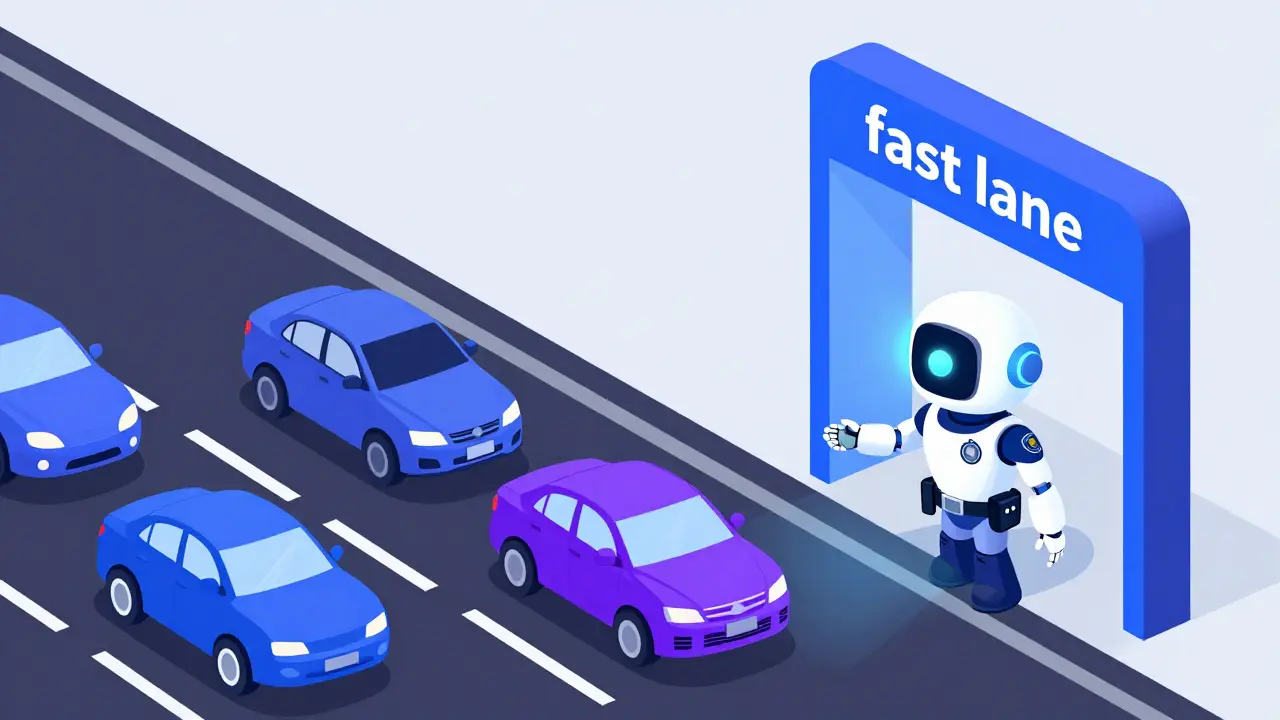
If you have ever heard of "Layer 2" solutions, you know they act like a fast lane for the main Ethereum highway. Zircuit takes this a step further by adding a smart "security guard" at the entrance. While most networks find out about a hack after the money is gone, Zircuit uses AI to spot malicious activity in real-time, meaning it can block a bad transaction before it ever gets written into a block.
The Tech Behind Zircuit: ZK-Rollups and AI
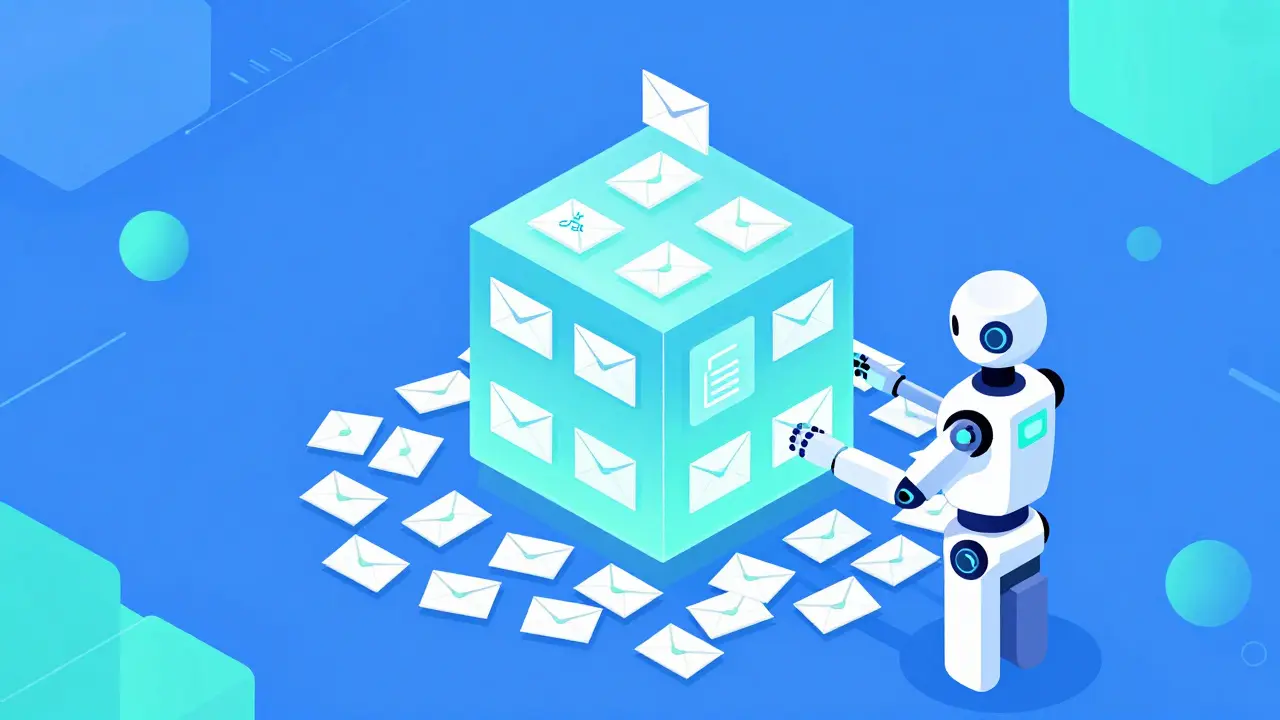
To understand how Zircuit actually works, we have to look at zk-rollups. Think of a zk-rollup like a digital accountant. Instead of Ethereum processing every single transaction one by one (which is slow and expensive), Zircuit batches hundreds of transactions off-chain. Once they are all bundled up, it sends a single, tiny cryptographic proof back to the main Ethereum network. This drastically cuts gas fees and lets the network handle way more users at once.
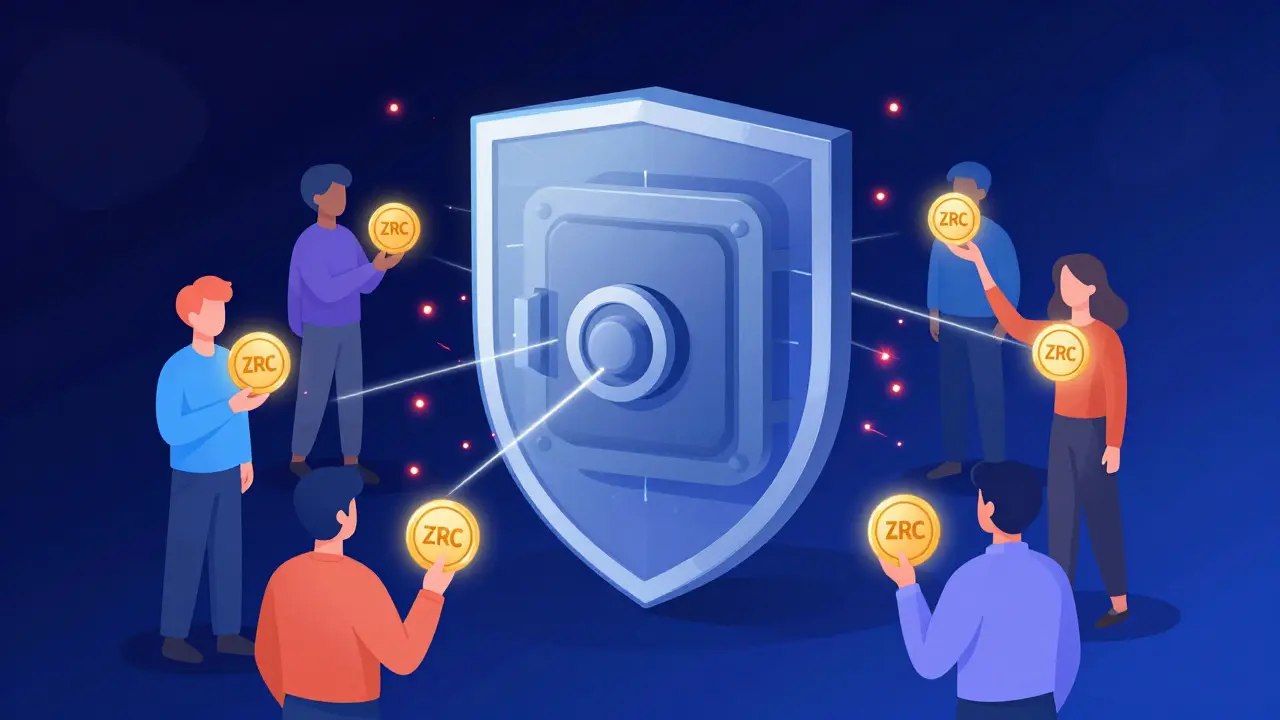
But the real secret sauce is the Sequencer-Level Security (SLS). In a typical Layer 2, the sequencer (the part that orders transactions) is often a single point of failure or a target for attacks. Zircuit's SLS uses AI to monitor the transaction layer. If the AI detects a pattern that looks like a known exploit or a malicious contract, it can mitigate the threat instantly. This is a massive shift from the old way of doing things, where developers just hoped their smart contracts were bug-free.
Because it is fully EVM-compatible, it speaks the same language as Ethereum. If a developer has an app on Ethereum, they can move it over to Zircuit with almost zero changes. This removes the friction that usually kills new blockchains.
Understanding the ZRC Token
The ZRC token is the fuel and the steering wheel for the entire ecosystem. It isn't just a speculative asset; it has a few very specific jobs to do:
- Transaction Fees: Just like you use ETH on Ethereum, you use ZRC to pay for the gas required to move assets or interact with apps on the Zircuit network.
- Staking and Security: Users can stake their ZRC to help secure the network. In exchange for locking up their tokens, they earn rewards, creating a financial incentive for people to keep the network healthy.
- Governance: Holding ZRC gives you a vote. If there is a proposal to change how the protocol works or upgrade the AI security models, token holders decide the outcome.
- Ecosystem Incentives: ZRC is used to attract developers to build new apps, ensuring the network actually has useful things to do rather than just being an empty shell.
ZRC Tokenomics and Distribution
Transparency in token supply is where many projects fail, but Zircuit has a clear structure. The total supply is capped at 10 billion ZRC. When the token generation event (TGE) happened, the team didn't just dump everything into the market. Instead, they used a phased approach to ensure long-term stability.
| Allocation Category | Percentage of Total Supply | Details |
|---|---|---|
| Season 1 Airdrop | 7.00% | Unlocked at TGE |
| Season 2 Airdrop | 3.00% | Unlocked at TGE |
| Campaigns (Binance Web3, etc.) | 2.45% | Unlocked at TGE |
| Community Provisions | 2.50% | Unlocked at TGE |
| Ecosystem Development | 2.00% | Unlocked at TGE |
| Foundation | 5.00% | Unlocked at TGE |
| Future Rewards | 8.55% | 6-12 month cliffs, then 24 month vesting |
By the time the network launched, about 21.95% of the tokens were circulating. This prevents the massive "unlock shocks" that often crash the price of new coins when early investors suddenly get their tokens and sell everything at once.
How Zircuit Compares to Other Blockchains
To see where Zircuit fits, it helps to compare it to the "grandfathers" and competitors of the space. While Bitcoin changed the world by introducing decentralized money, it wasn't built for apps or high speed. Zircuit is built for a completely different purpose.
| Feature | Zircuit (ZRC) | Bitcoin (BTC) |
|---|---|---|
| Launch Year | 2024 | 2009 |
| Core Technology | Layer 2 / zk-Rollups | Layer 1 / Proof-of-Work |
| Security Focus | AI-Driven Sequencer Security | Hash-based Mining Security |
| Transaction Speed | Near-Instant (Off-chain) | ~10 Minutes per block |
| Fees | Low (Batching) | Variable / Often High |
The key takeaway here is that Zircuit doesn't try to replace Ethereum; it tries to make Ethereum usable for everyone. It solves the "trilemma"-the struggle to have security, scalability, and decentralization all at once-by offloading the heavy lifting to a secure, AI-monitored layer.
The Role of AI in Web3 Infrastructure
Most "AI coins" you see today are just apps that use a chatbot. Zircuit is different because it puts the AI in the plumbing. By integrating AI at the infrastructure level, they've created what they call institutional-grade protection. This means they can offer insured vaults and security mechanisms that would make a traditional bank jealous.
For a regular user, this means you don't have to be a security expert to use the network. You don't have to spend hours auditing a contract before you deposit your funds. The AI is constantly scanning the environment, acting as a silent protector for your digital assets. This level of safety is exactly what's needed to move Web3 from a niche hobby for techies into something that regular people and big companies can actually use.
Potential Risks and Things to Watch
No project is without risk. While AI security sounds great, it introduces a new question: who monitors the AI? If the AI model has a blind spot or a bug, it could potentially block legitimate transactions or fail to catch a new type of attack. Furthermore, as a Layer 2, Zircuit still relies on the underlying security of the Ethereum mainnet. If Ethereum were to face a catastrophic failure, Zircuit would be affected as well.
Another factor is the competition. There are dozens of other Layer 2s fighting for the same users. Zircuit's success depends on whether developers actually move their apps over and whether the AI security proves to be a significant advantage over simpler rollups.
Is ZRC the same as Ethereum?
No, ZRC is the native token of Zircuit, which is a Layer 2 network built on top of Ethereum. While it is compatible with Ethereum (meaning it uses the same tools and language), it exists as a separate layer to make transactions faster and cheaper.
How does the AI security actually work?
Zircuit uses a system called Sequencer-Level Security (SLS). It monitors transactions in real-time as they enter the network. If the AI detects a signature of a known hack or malicious behavior, it can stop that transaction before it's ever processed into a block.
Where can I use ZRC tokens?
You use ZRC primarily within the Zircuit ecosystem to pay for network fees, stake your tokens to earn rewards, and vote on governance proposals to decide the future of the protocol.
What is the max supply of ZRC?
The maximum supply of ZRC tokens is capped at 10,000,000,000 (10 billion) tokens.
Can I move my Ethereum apps to Zircuit?
Yes, because Zircuit is fully EVM-compatible, developers can deploy existing Ethereum smart contracts and applications to Zircuit with minimal to no modifications.
Next Steps for Users
If you are looking to get started with Zircuit, the first step is ensuring you have a compatible wallet. Since it is EVM-based, most standard Ethereum wallets will work. If you are a developer, you can explore the Zircuit documentation to see how to bridge your contracts over. For investors, the most important thing is to track the circulating supply and the vesting schedule of the "Future Rewards" tokens, as these will introduce more supply into the market over the next two years.