
The Quick Rundown on PolyCub
Before you put your hard-earned money into any asset, you need to know the basics. PolyCub is designed to operate within a specific blockchain environment-often leveraging the scalability of existing networks like Polygon or Binance Smart Chain to keep transaction fees low. While many new tokens claim to revolutionize the world, PolyCub focuses on creating a utility-driven ecosystem. Whether it's for governance, staking, or as a medium of exchange within a specific app, the goal is to move beyond being a mere speculative tool.
| Attribute | Typical Value / Detail |
|---|---|
| Ticker Symbol | POLYCUB |
| Primary Use Case | Utility / Governance |
| Network Compatibility | EVM Compatible (Polygon/BSC) |
| Risk Profile | High (Micro-cap/Emerging) |
How the POLYCUB Ecosystem Actually Works
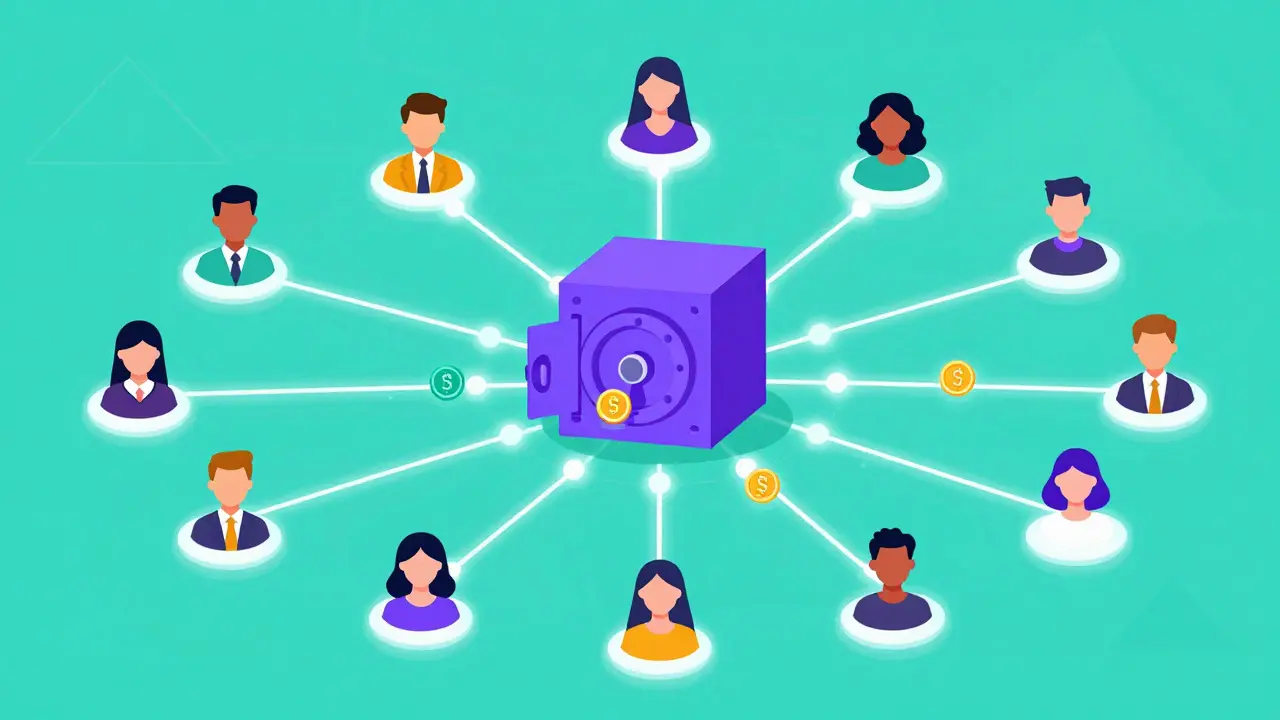
To understand the value of PolyCub, we have to look at the Smart Contract that powers it. A smart contract is essentially a digital agreement that executes itself when certain conditions are met. For POLYCUB, this means that distributions, burns, and rewards are handled automatically without needing a central bank or a middleman. This transparency is what attracts a lot of the community, as anyone with a block explorer can verify the supply.
Most users interact with PolyCub through Decentralized Exchanges (DEXs). Instead of using a centralized platform like Coinbase, you likely use a swap service where you trade other tokens for POLYCUB. This creates a liquidity pool-a reservoir of tokens that allows for seamless trading. However, this also introduces the risk of "slippage," where the price changes significantly between the time you submit your trade and when it is actually executed.
Comparing Emerging Tokens: PolyCub vs. Established Assets
It is easy to compare a new token to a giant like Bitcoin, but that is rarely a fair fight. PolyCub is a utility token, meaning its value is tied to the actual use of its platform. If the platform provides a service people want, the demand for POLYCUB goes up. If the platform fails to deliver, the token has no intrinsic value.
| Feature | PolyCub (POLYCUB) | Bitcoin (BTC) | Ethereum (ETH) |
|---|---|---|---|
| Market Cap | Low / Emerging | Trillions | Billions |
| Volatility | Extremely High | Moderate to High | Moderate to High |
| Primary Goal | Specific Utility | Store of Value | Smart Contract Platform |
| Network | Layer 2 / Sidechain | Mainnet (L1) | Mainnet (L1) |
The Red Flags: Avoiding the "Polycab" Confusion
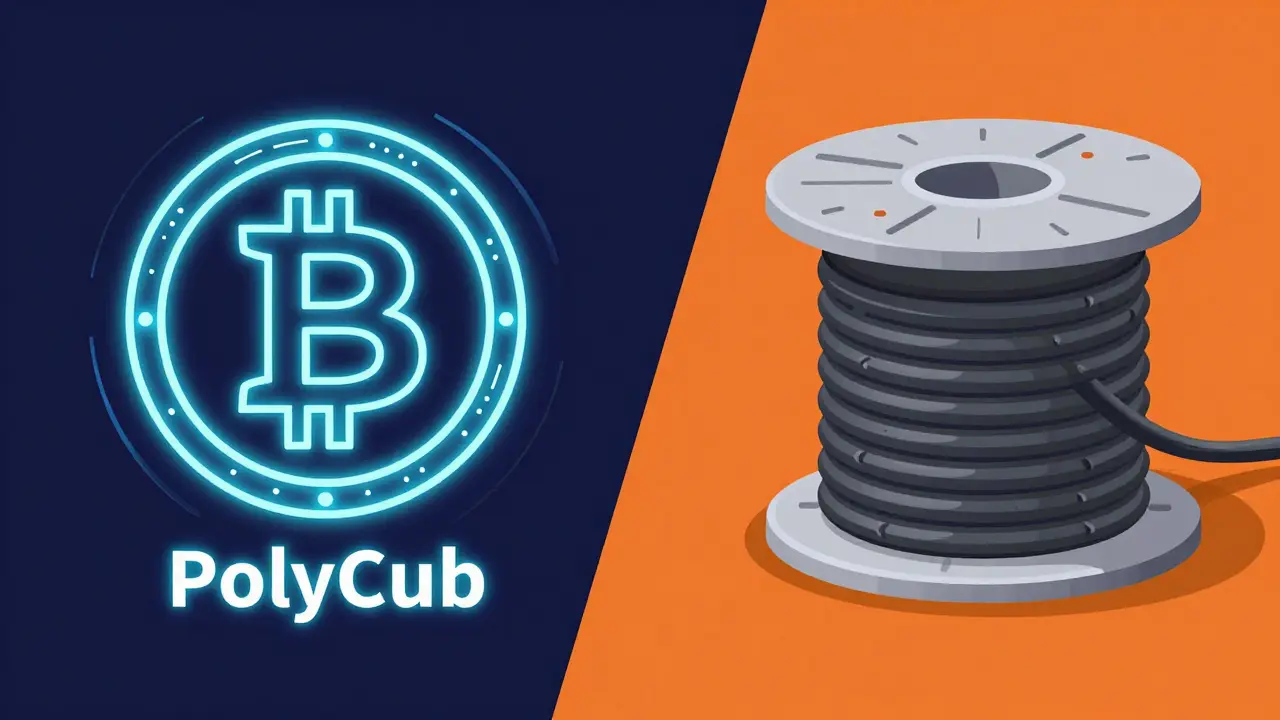
Here is a critical warning for any investor: don't confuse PolyCub with Polycab India Limited. This is a common mistake that leads to massive confusion in search results. Polycab India is a massive, multi-billion dollar company that makes electrical cables and wires. They are listed on the National Stock Exchange of India. They have absolutely nothing to do with blockchain, crypto, or POLYCUB tokens.
If you see a chart showing a stock price of several thousand Indian Rupees (INR) with a market cap of 1.15 trillion, you are looking at a cable company, not a cryptocurrency. Investing in a stock is a completely different legal and financial process than buying a token on a DEX. Always double-check the contract address of the token you are buying to ensure you aren't falling for a "honeypot" or a fake clone.
Evaluating the Tokenomics of POLYCUB
Tokenomics is the study of how a coin's supply and demand are managed. With PolyCub, you want to look for three main things: total supply, circulating supply, and the vesting schedule. If a small group of "whales" (investors with huge amounts of coins) holds 80% of the supply, they can crash the price in seconds by selling their holdings. This is a huge risk for retail buyers.
A healthy project usually has a Burn Mechanism. This is when a portion of the tokens is permanently removed from circulation, which theoretically increases the value of the remaining coins. If PolyCub implements a burn, it shows the team is thinking about long-term sustainability rather than just a quick pump-and-dump scheme.
Steps to Safely Trade PolyCub
- Verify the Contract Address: Find the official address from a trusted source like CoinGecko or the official project website. Never copy an address from a random Telegram group.
- Set Up a Non-Custodial Wallet: Use a wallet like MetaMask or Trust Wallet. This ensures you own your private keys and aren't relying on an exchange to hold your funds.
- Check Liquidity: Ensure there is enough liquidity in the pool. If the liquidity is too low, you might be able to buy the token but find it impossible to sell it later.
- Start Small: Only invest what you are 100% comfortable losing. Emerging tokens are high-risk, high-reward assets.
The Future Outlook for PolyCub
Will PolyCub become a household name? That depends on adoption. The crypto world is littered with projects that had great ideas but no users. For POLYCUB to survive the 2026 market cycle, it needs to move from a "speculative token" to a "utility tool." This means building real-world partnerships or integrating with other Decentralized Finance (DeFi) protocols.
Keep an eye on their roadmap. Are they hitting their milestones? Is the development team active on GitHub? If the code is updating and the community is growing organically, there is a chance for growth. If the only marketing is "to the moon" posts on X (Twitter), proceed with extreme caution.
Is PolyCub the same as Polycab?
No. Polycab is an Indian electrical cable manufacturing company listed on the stock exchange. PolyCub (POLYCUB) is a cryptocurrency token. They are entirely unrelated entities.
Where can I buy POLYCUB tokens?
PolyCub is typically traded on decentralized exchanges (DEXs) that support the network it is built on, such as PancakeSwap for BSC or QuickSwap for Polygon. Always verify the contract address first.
What makes PolyCub different from other altcoins?
Like many altcoins, its uniqueness depends on its specific utility and the problem it solves. While Bitcoin is a store of value, PolyCub aims to provide functional utility within its own ecosystem.
Is POLYCUB a safe investment?
All emerging micro-cap cryptocurrencies carry a high level of risk. There is a possibility of total loss of capital due to volatility, smart contract bugs, or lack of adoption.
How do I store my PolyCub tokens?
The safest way is to use a hardware wallet or a reputable software wallet like MetaMask. Avoid leaving large amounts of tokens on an exchange if you plan to hold them long-term.