Imagine a cryptocurrency that doesn’t just promise to make you rich but claims to fight "corrupt banks and soulless influencers" while letting you vote on its future. That’s PYRATE, a degen meme and dApp ecosystem built on the Solana blockchain. Launched in late 2024, this token mixes pirate-themed humor with actual Web3 tools like voting platforms and DAO governance. But here’s the kicker: despite ambitious goals of hitting a $69 million market cap, recent data shows it trading as a micro-cap asset with wild price swings. If you’re wondering whether PYRATE is the next big thing or just another fleeting meme, we’ve dug into the whitepaper, market data, and community activity to give you the straight scoop.
The Pirate Ship: What Exactly Is PYRATE?
At its core, PYRATE isn’t just a joke coin. It positions itself as a movement. The project describes itself as a "cult, a movement, and a lifestyle" designed to challenge traditional financial systems. While many memecoins rely solely on hype, PYRATE tries to blend entertainment with utility. The team behind it argues that value comes from community belief and active participation in their ecosystem. This means holding PYRATE isn’t just about speculating on price; it’s about joining a "crew" that participates in contests, interactive experiences, and upcoming governance decisions.
The narrative is heavily driven by anti-establishment themes. You’ll see phrases like "overtake corrupt banks" repeated across their social media and documentation. This resonates with a segment of crypto users who feel alienated by centralized finance and even some decentralized projects that lack real user engagement. By framing PYRATE as a resistance tool wrapped in pirate aesthetics, they aim to build a loyal base rather than just attracting quick flippers.
Technical Backbone: Built on Solana
PYRATE operates on the Solana blockchain, known for its high speed and low transaction fees. This choice makes sense for a project aiming for mass adoption through interactive dApps, where users need to perform actions without paying exorbitant gas fees. The token follows the SPL (Solana Program Library) standard, which ensures compatibility with most Solana wallets and decentralized exchanges (DEXs).
A significant technical event in PYRATE’s history was a 1:1 contract swap. This means every old PYRATE token was exchanged for a new one at an equal ratio. Such migrations are often done to upgrade smart contract security, fix bugs, or add new features. While the total supply remained unchanged, this move signals that the development team is actively maintaining and updating the codebase. For investors, this suggests the project hasn’t been abandoned, though detailed audit reports for the new contract aren’t always publicly prominent.
| Metric | Value / Detail |
|---|---|
| Blockchain | Solana (SPL Token) |
| Max Supply | 1,000,000,000 PYRATE |
| Circulating Supply | ~988 Million (as of early 2025) |
| Launch Date | October 29, 2024 |
| Primary DEX | Raydium |
| All-Time High | $0.00297 (Dec 2024) |
Utility Beyond the Meme: Voting and DAOs
What sets PYRATE apart from thousands of other Solana memes is its push for utility. The project has launched a token-voting platform, allowing holders to have a say in certain ecosystem decisions. This is a step toward becoming a Decentralized Autonomous Organization (DAO), a structure where governance is handled by token holders rather than a central team. The goal is to make users feel like owners, not just spectators.
The ecosystem also highlights integration with other projects. Marketing materials claim PYRATE tools are used by over 100,000 people across 1,000+ crypto projects. While these numbers should be viewed with healthy skepticism due to the self-reported nature of such stats, they indicate an attempt to create network effects. If true, this cross-project usage could drive demand for PYRATE beyond simple speculation, tying its value to actual service consumption within the Web3 space.

Market Reality: Volatility and Liquidity
Let’s look at the hard numbers. PYRATE is currently a micro-cap asset. Depending on the data source and the day you check, its market cap fluctuates between $4,000 and $350,000. This massive range reflects thin liquidity. On some days, 24-hour trading volume might be under $10, meaning there are barely any buyers or sellers. At other times, it spikes to a few thousand dollars during promotional pushes.
This volatility cuts both ways. In December 2024, PYRATE hit an all-time high of roughly $0.00297. By February 2026, it had dropped to lows near $0.000004. That’s a drawdown of nearly 99.8%. If you bought at the peak, you’d be down significantly unless you held through extreme volatility. The price action shows a classic pump-and-dump pattern common in small-cap memecoins, followed by periods of stagnation. Traders need to be aware that slippage-the difference between the expected price and the executed price-can be high when trading large amounts due to low liquidity pools on Raydium.
How to Buy PYRATE Crypto
You won’t find PYRATE listed on major centralized exchanges like Coinbase or Binance yet. To buy it, you need to use a decentralized exchange (DEX). Here’s the typical path:
- Get SOL: Purchase Solana (SOL) on a major exchange like Binance, Coinbase, or Kraken.
- Transfer to Wallet: Send your SOL to a self-custodial wallet like Trust Wallet, Phantom, or Solflare.
- Connect to DEX: Go to Raydium.io (the primary DEX for PYRATE) and connect your wallet.
- Find the Pair: Search for the PYRATE/SOL pair. Always verify the contract address from official sources to avoid scams.
- Swap: Exchange your SOL for PYRATE. Confirm the transaction in your wallet.
This process requires managing private keys and understanding network fees. If you’re new to DeFi, start with a small amount to get comfortable with the mechanics before committing larger sums.
Risks and Red Flags
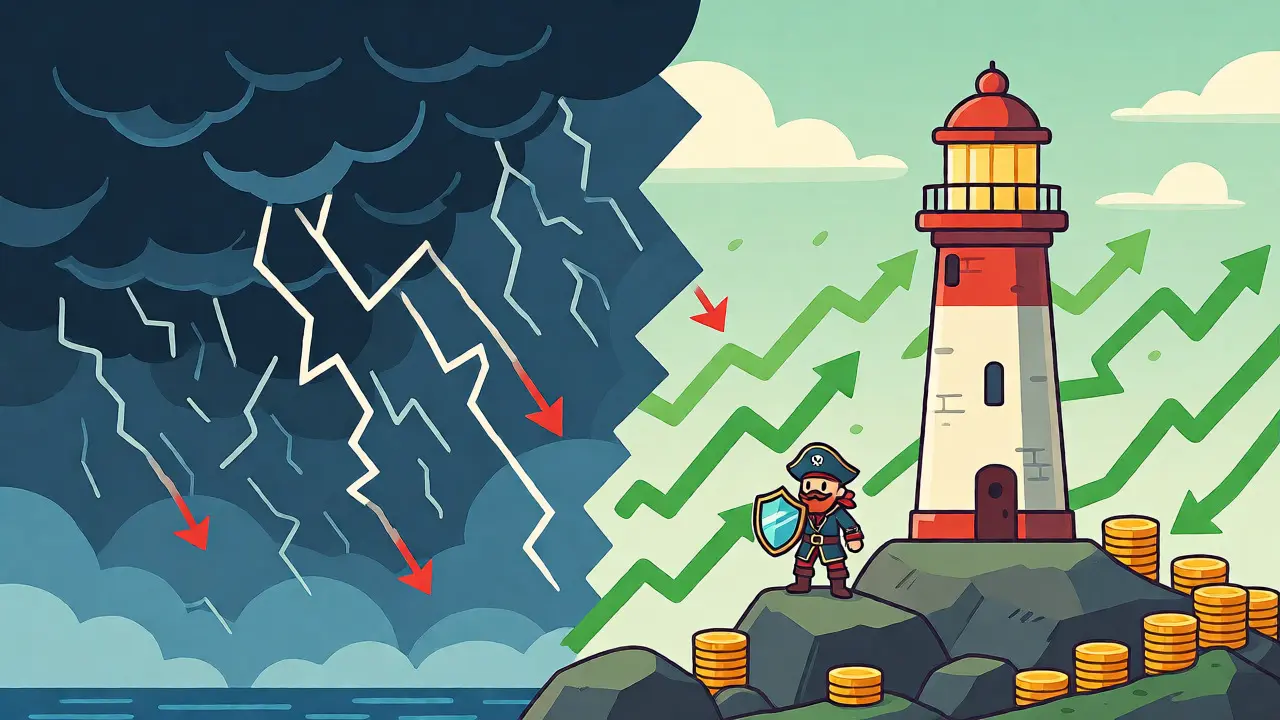
No discussion of PYRATE is complete without addressing the risks. First, transparency is limited. There are no widely cited independent audits from top-tier firms like CertiK or Hacken for the current contract version. Second, the team remains relatively anonymous, which is common in crypto but adds risk. Third, the reliance on community hype means if interest fades, liquidity can dry up completely, making it hard to exit positions.
Also, be wary of the "100,000+ users" claim. Without on-chain verification of unique active addresses interacting with the specific PYRATE dApps, this figure might include inflated metrics. Always do your own research (DYOR) and never invest money you can’t afford to lose.
Frequently Asked Questions
Is PYRATE a good investment?
PYRATE is a high-risk, high-reward speculative asset. Its potential upside depends entirely on community growth and successful rollout of its DAO and utility features. However, given its micro-cap status and extreme volatility, it is suitable only for investors who can tolerate losing their entire principal.
Where can I buy PYRATE?
You can buy PYRATE primarily on Raydium, a decentralized exchange on the Solana network. It is not currently listed on major centralized exchanges like Binance or Coinbase, so you will need a Solana-compatible wallet like Phantom or Trust Wallet.
What is the maximum supply of PYRATE?
The maximum supply of PYRATE is capped at 1 billion tokens. As of early 2025, approximately 988 million tokens were in circulation, meaning nearly the entire supply has already been minted.
Does PYRATE have real utility?
Yes, the project claims utility through a token-voting platform and plans for a DAO. Unlike pure meme coins, PYRATE aims to integrate with other Web3 projects, offering interactive experiences and governance rights to holders. However, the scale of this utility is still developing.
Why did PYRATE undergo a contract swap?
A 1:1 contract swap typically occurs to upgrade the smart contract for better security, efficiency, or new features. For PYRATE, this migration allowed the team to implement updates without changing the total token supply, ensuring existing holders received equivalent new tokens.