The Venus crypto exchange isn’t just another decentralized exchange. It’s a full DeFi ecosystem built on Binance Smart Chain (BSC), designed for lending, borrowing, and trading without intermediaries. If you’ve ever wanted to earn interest on your crypto without handing it over to a centralized exchange, or borrow assets without a credit check, Venus makes it possible. But how does it really work? And is it still worth using in 2026?
What Is Venus Crypto Exchange?
Venus isn’t a single product-it’s two systems working together: the Venus Protocol is a lending and borrowing platform, and Venus Exchange is its built-in decentralized exchange (DEX). Both are powered by the XVS token, which lets users vote on changes to the platform. Unlike centralized exchanges like Binance or Coinbase, Venus runs entirely on smart contracts. No company controls it. No one can freeze your funds. And no one asks for your ID.It launched in 2020 on Binance Smart Chain, which gives it a major advantage: transactions are fast and cheap. While Ethereum-based DeFi platforms often charge $10-$50 in gas fees, Venus transactions cost less than $0.10. This made it popular during the 2020-2021 DeFi boom, when users were fleeing high fees on Ethereum. Even today, that speed and low cost remain key reasons people use Venus.
How Venus Lending and Borrowing Works
At its core, Venus lets you do two things: lend your crypto to earn interest, or borrow crypto by locking up other assets as collateral.If you deposit Bitcoin, Ethereum, or even BNB into Venus, you start earning interest automatically. The rate changes based on demand-when more people want to borrow, interest rates go up. As of early 2026, users could earn between 3% and 12% APY on stablecoins like USDT or BUSD, depending on market conditions. Higher-risk assets like BTC or SOL might offer 5-8% APY. You don’t need to lock your funds. You can withdraw anytime, and your interest compounds every block (roughly every 3 seconds on BSC).
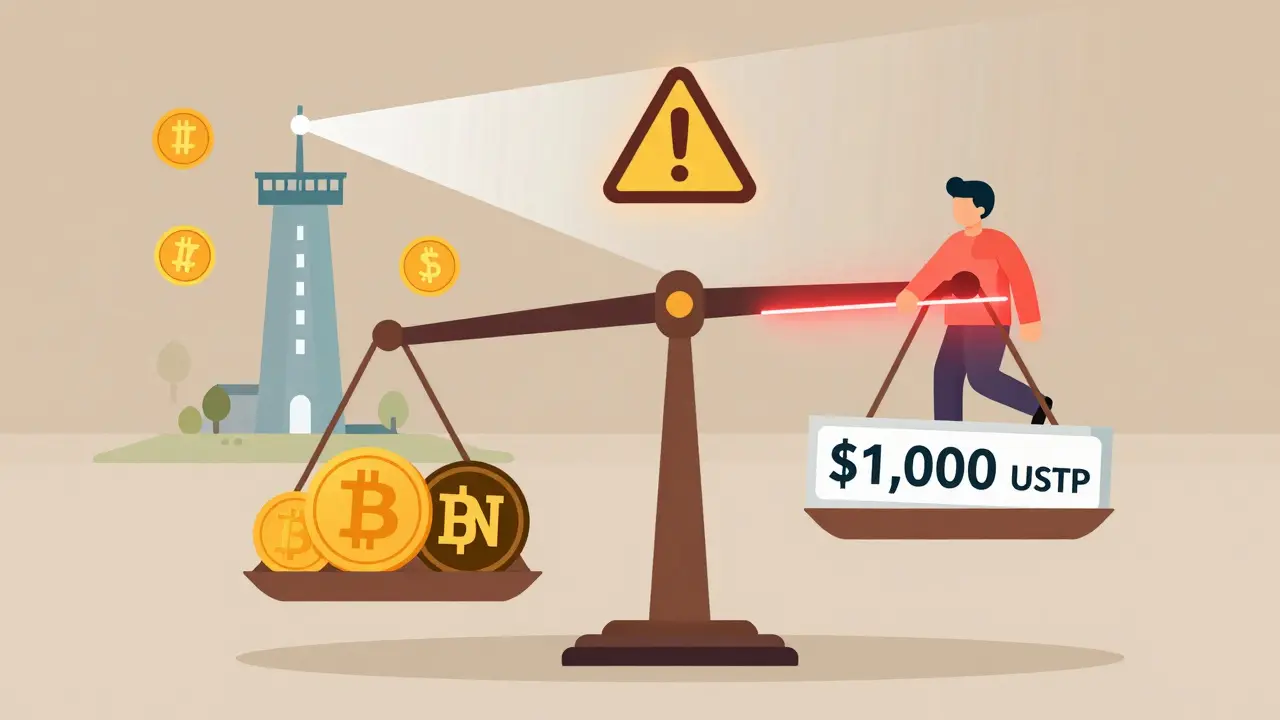
To borrow, you need to deposit more collateral than the loan amount. This is called over-collateralization. For example, if you want to borrow $1,000 in USDT, you might need to lock up $1,500 worth of BNB or BTC. The system uses Chainlink oracles to track real-time prices. If your collateral value drops too low, the platform automatically sells part of it to cover the loan. This keeps the system safe from crashes.
There are no credit scores, no bank accounts, and no waiting days for approval. You connect your wallet, deposit collateral, and borrow within minutes. This is why Venus became popular in countries with unstable banking systems or limited access to traditional loans.
Venus Exchange: Trading Without a Middleman
The Venus Exchange is a decentralized swap platform built into the same system. You can trade XVS for BUSD, USDT, BNB, or other tokens without leaving the platform. It uses an automated market maker (AMM) model, similar to Uniswap or PancakeSwap. Liquidity providers (LPs) deposit pairs of tokens into pools and earn a share of trading fees.For example, if you add $1,000 worth of XVS and $1,000 worth of BUSD to the XVS-BUSD pool, you become a liquidity provider. Every time someone trades XVS for BUSD on Venus, you earn a small fee-usually around 0.2% of each trade. These fees are distributed to all LPs in that pool.
As of December 2021, Venus Exchange hit $7.9 billion in 24-hour trading volume. While that’s down from its peak, it still ranks among the top 10 DEXs on BSC. The platform supports over 200 tokens, including major coins like BTC, LTC, and XRP, which aren’t always available on other DeFi platforms.
Who Uses Venus? Real User Experiences
Users on Reddit and Telegram often mention two things: the low fees and the lack of KYC. One user from the Philippines said he borrowed $5,000 in USDT using his BTC as collateral to pay for medical bills. He didn’t have a bank account, but he had a MetaMask wallet. Another user in Brazil used Venus to earn steady income from his USDT holdings after inflation made local savings useless.But it’s not perfect. Some users complain about the learning curve. If you’ve never used a wallet like MetaMask or Trust Wallet before, the interface can feel overwhelming. You need to understand gas fees, collateral ratios, and liquidation risks. There’s no customer service team to call if you mess up. One user lost $800 because he didn’t realize his collateral was undercollateralized and got liquidated.
Wallet compatibility is solid. Venus works with MetaMask, Trust Wallet, Ledger Nano S, Atomic Wallet, and Coinomi. You can even connect via WalletConnect on mobile. No wallet? No access. That’s the trade-off for decentralization.

XVS Token: Governance and Value
The XVS token is the backbone of Venus. It’s not just a utility token-it’s a governance token. Holders can propose changes or vote on upgrades. Recent votes have included adjusting interest rate models, adding new assets, and changing fee structures.As of 2026, the total supply of XVS is capped at 30 million tokens. About 60% have been distributed to users through liquidity mining and staking rewards. The rest is reserved for team, investors, and future development. This controlled supply helps avoid inflation, unlike some other DeFi tokens that pump and dump.
Price-wise, XVS has seen wild swings. It hit an all-time high of $140 in early 2021. By early 2026, it was trading around $8-$12. That’s a long way down, but it’s still actively used. The token’s value isn’t tied to speculation-it’s tied to usage. More borrowing and lending = more demand for XVS to pay fees and vote.
Venus vs. Competitors: BSC Advantage
Venus competes with Ethereum-based platforms like Aave and Compound. But here’s the difference:| Feature | Venus Protocol | Aave | Compound |
|---|---|---|---|
| Blockchain | Binance Smart Chain | Ethereum | Ethereum |
| Average Transaction Fee | $0.05-$0.20 | $5-$20 | $3-$15 |
| Transaction Speed | 3 seconds per block | 15 seconds per block | 15 seconds per block |
| Supported Assets | 200+ (including BTC, LTC, XRP) | 100+ | 80+ |
| Governance Token | XVS | AAVE | COMP |
| Withdrawal Fee | 0.21 XVS | 0.05% of amount | 0.05% of amount |
Venus wins on speed and cost. If you’re trading small amounts or borrowing frequently, those savings add up. But Aave and Compound have been around longer, have larger liquidity pools, and are audited more frequently. Venus has had one minor exploit in 2021 (recovered via insurance), while Aave and Compound have never been hacked.
Is Venus Safe?
Venus uses smart contract audits from reputable firms like CertiK and PeckShield. Its price oracles come from Chainlink, one of the most trusted sources in DeFi. The over-collateralization model protects lenders from defaults.But safety isn’t just code-it’s user behavior. If you don’t monitor your collateral ratio, you can get liquidated. If you send funds to the wrong address, there’s no recovery. There’s no “forgot password” button in DeFi.
Also, Binance Smart Chain has its own risks. It’s centralized in some ways-Binance controls the validator nodes. If Binance were to shut down, Venus would still run, but transaction speed could slow. That’s why some users prefer Ethereum despite higher fees.
How to Get Started with Venus
If you want to try Venus, here’s how:- Get a wallet: Install MetaMask or Trust Wallet on your phone or browser.
- Buy BNB: You’ll need BNB to pay for gas fees. Buy it on Binance, KuCoin, or another exchange.
- Send BNB to your wallet: Make sure you’re using the BSC network, not Ethereum.
- Go to venus.io and connect your wallet.
- Deposit assets to earn interest, or use them as collateral to borrow.
- Start trading on Venus Exchange if you want to swap tokens.
There’s no signup. No email. No verification. Just your wallet and your responsibility.
Who Should Use Venus?
Venus is ideal if you:- Want to earn passive income on crypto without locking funds
- Need quick access to loans without a bank
- Trade frequently and want low fees
- Already use Binance or BSC-based apps
- Understand DeFi risks and don’t need hand-holding
It’s not for you if you:
- Prefer customer support when things go wrong
- Want to buy crypto with a credit card
- Don’t want to manage your own private keys
- Expect stable token prices
Final Thoughts
Venus crypto exchange isn’t the biggest DeFi platform, but it’s one of the most practical. Its low fees, fast transactions, and wide asset support make it a go-to for active users on Binance Smart Chain. It’s not a place to park your life savings, but it’s excellent for earning yield, borrowing against holdings, or swapping tokens without high costs.The XVS token’s governance model gives users real control. The platform’s integration with BSC ensures it stays relevant as long as Binance’s ecosystem grows. But competition is fierce. If you’re new to DeFi, start small. Learn how collateral ratios work. Test with $50 before risking $5,000.
Venus doesn’t promise riches. It offers tools. And in DeFi, tools are everything.
Is Venus crypto exchange safe to use?
Venus uses audited smart contracts and Chainlink oracles to prevent price manipulation. It has never suffered a major hack. However, like all DeFi platforms, it’s not immune to user error. If you don’t monitor your collateral, you can get liquidated. Always understand how over-collateralization works before borrowing.
Can I buy XVS with fiat currency?
No, you cannot buy XVS directly with USD, EUR, or AUD. You need to first buy BNB or USDT on a centralized exchange like Binance, then send it to your wallet and swap for XVS on Venus Exchange or PancakeSwap.
What wallets work with Venus crypto exchange?
Venus supports MetaMask, Trust Wallet, Ledger Nano S, Atomic Wallet, Coinomi, and Guarda. You can also connect via WalletConnect. Make sure your wallet is set to the Binance Smart Chain network, not Ethereum.
How do I earn interest on Venus?
Deposit any supported asset-like USDT, BNB, or BTC-into the Venus lending pool. Your funds go into a liquidity pool, and borrowers pay interest to access them. You earn that interest automatically, compounded every block. Withdraw anytime.
What happens if my collateral drops in value?
Venus has a liquidation threshold-usually 80% of the loan value. If your collateral’s value falls below that, the system automatically sells part of it to repay the loan. You’ll get whatever’s left. To avoid this, monitor your health factor on the Venus dashboard and add more collateral if needed.
Is Venus better than Aave or Compound?
It depends. If you want low fees and fast transactions, Venus wins. If you want larger liquidity pools and more audits, Aave and Compound are safer. Venus is ideal for BSC users. Aave and Compound are better for Ethereum users. You can use all three.
Can I lose money on Venus?
Yes. You can lose money if your collateral is liquidated, if token prices crash, or if you send funds to the wrong address. DeFi has no safety nets. Always do your own research and never invest more than you can afford to lose.
For users in regions with unstable currencies or limited banking access, Venus offers real utility. For traders and yield farmers on BSC, it’s a powerful tool. It’s not a magic solution-but in the world of crypto, that’s rare enough to be valuable.