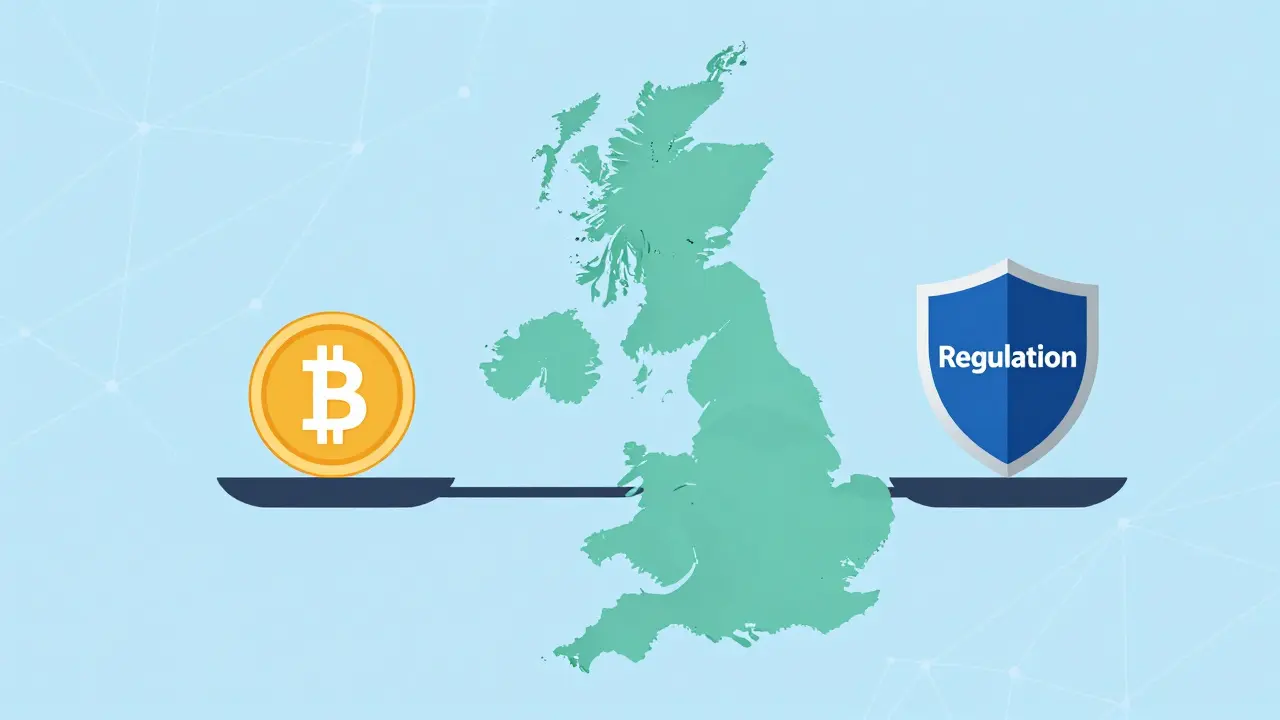
The United Kingdom once promised to become the world’s most pro-innovation hub for cryptocurrencydigital assets including Bitcoin and Ethereum that operate on decentralized networks. That ambition was loud, clear, and backed by political capital in 2023. Fast forward to mid-2026, and the landscape has shifted. The promise remains, but the path is narrower, more regulated, and heavily scrutinized. For anyone looking to build, invest, or operate in the UK crypto space, understanding this shift isn't just helpful-it's essential.
You might remember when Prime Minister Rishi Sunak launched the UK’s crypto hub strategy. He wanted to integrate digital assets into the heart of the British financial system. By 2024, roughly 12% of UK adults-about 7 million people-owned or had owned crypto. That adoption rate is high globally. But with great adoption comes great risk. Fraud, scams, and market volatility have forced regulators to step up. The result? A two-phase regulatory framework that is now reshaping how businesses and consumers interact with digital money.
The Two-Phase Regulatory Framework Explained
The UK government didn’t just drop a rulebook overnight. They built a phased approach. Phase 1 focused on fiat-backed stablecoinscryptocurrencies pegged to traditional currencies like the US dollar or British pound to minimize price volatility. Why start here? Because stablecoins are used in everyday payments. If they fail, the real economy feels it. The Financial Conduct Authority (FCA) brought stablecoin issuance and custody under its watch. Payment services using these tokens also fell under existing payment regulations. The Bank of England got oversight of systemic payment systems involving stablecoins.
Phase 2 is where things get serious for the broader industry. It brings non-security token cryptoassets under the Financial Services and Markets Act 2000the primary legislation governing financial regulation in the United Kingdom (FSMA). This covers issuance, exchange, lending, borrowing with leverage, and safeguarding services. Crucially, the rules apply to activities provided “in or to” the UK. That’s a wider net than before. If you’re running a crypto exchange from Malta but serving UK customers, you’re likely in scope.
| Aspect | Phase 1 (Stablecoins) | Phase 2 (Non-Security Tokens) |
|---|---|---|
| Focus | Fiat-backed stablecoins | Broad range of cryptoassets |
| Regulator | FCA & Bank of England | FCA under FSMA |
| Key Activities Covered | Issuance, custody, payment services | Exchange, lending, borrowing, safeguarding |
| Geographic Scope | UK-focused payment chains | Activities “in or to” the UK |
| Timeline | Implemented through 2024-2025 | Full rollout expected post-2025 |
Why the Political Shift Matters
Here’s the thing about policy: it doesn’t exist in a vacuum. The initial push for a crypto hub came from the Conservative government. Rishi Sunak made it a centerpiece of his competitiveness agenda. But governments change. The Labour administration took over, and the tone shifted. Industry insiders noticed. Arvin Abraham, a partner at Goodwin, pointed out that crypto no longer feels like a top priority for the current leadership. Does this mean the UK is abandoning its ambitions? Not exactly. It means the pace has slowed, and the focus has moved from hype to hard infrastructure.
This cooling effect creates uncertainty. Startups planning to launch in London might hesitate. Investors might look elsewhere, perhaps to Singapore or Dubai, which have been aggressive in attracting crypto talent. But there’s a silver lining. Slower implementation can mean better-designed rules. Rushed regulations often create loopholes or unintended consequences. The UK’s measured approach aims for durability over speed.
Consumer Protection Takes Center Stage
Let’s talk about why the FCA is being so strict. It’s not just about control; it’s about trust. Market research showed widespread misconceptions among UK crypto users. Many thought their investments were protected like bank deposits. They weren’t. Fraud risks were rising. So, the regulator introduced minimum standards for crypto firms that mirror traditional finance. Think operational resilience, robust systems controls, and anti-money laundering measures.
A key concept here is the Consumer Dutya regulatory principle requiring firms to act in a way that delivers good outcomes for retail customers. This duty requires firms to act to deliver good outcomes for consumers. In crypto terms, that means clearer fee structures, better complaint management, and potentially access to the Financial Ombudsman Service for disputes. David Geale, executive director of payments and digital finance at the FCA, emphasized proportionate rules. The goal is to let UK firms compete internationally without sacrificing safety.

International Cooperation: The US Connection
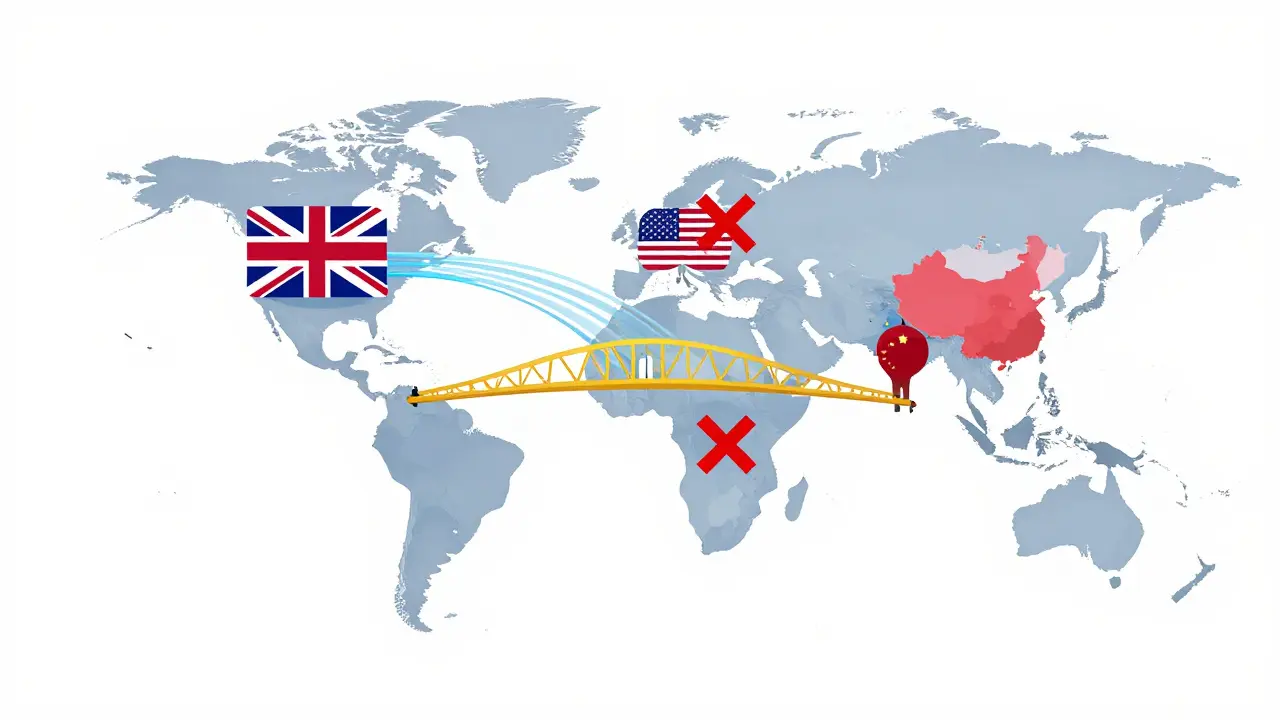
No country can regulate crypto in isolation. Money moves across borders instantly. Recognizing this, the UK has leaned into international cooperation, especially with the United States. During UK Fintech Week, the Chancellor announced that the UK and US would use the Financial Regulatory Working Group to support responsible growth in digital assets. This bilateral alignment is significant. It suggests that if you comply with UK rules, you might find it easier to navigate US regulations too, and vice versa.
This contrasts sharply with other approaches. China banned crypto mining and trading entirely. Some smaller nations adopted a wait-and-see stance. The UK, along with the EU and Singapore, chose structured frameworks. This puts the UK in a club of major economies trying to balance innovation with stability. For global firms, this predictability is valuable. You know what’s coming, even if it’s not always what you wanted.
Legal Foundations and Civil Law Updates
Regulation isn’t just about supervision; it’s about legal clarity. For years, lawyers struggled to classify crypto tokens. Are they property? Securities? Something else? The UK is addressing this head-on. Draft legislation proposes statutory recognition of a third category of personal property specifically for digital assets. This is huge for smart contracts and DeFi applications. If a token is legally recognized as property, courts can enforce rights related to it more easily.
Additionally, law enforcement agencies needed tools to confiscate crypto linked to crime. The Economic Crime and Corporate Transparency Act was updated to help with this. Meanwhile, the government continues to explore the concept of a Digital Pound. While still in consultation phases, a central bank digital currency (CBDC) could reshape how we think about money itself. There’s also progress on a Digital Securities Sandbox, allowing certain businesses to test innovative products in a controlled environment.
Challenges for Businesses and Investors
If you’re a compliance professional, your job just got harder. The landscape is evolving rapidly. You need to monitor FCA consultations, track Treasury orders, and understand how new rules impact your operations. The timeline allows some adaptation time, but don’t sleep on it. The April 2025 order and May 2025 consultation papers set the stage for stricter oversight.
For startups, the cost of entry has risen. Meeting operational resilience standards isn’t cheap. You need robust IT infrastructure, skilled staff, and rigorous testing. Smaller firms might struggle to compete with established players who can absorb these costs. However, larger firms benefit from reduced competition from bad actors. A cleaner market can attract institutional investment, which prefers regulated environments.
Investors face different challenges. Transparency is improving, but complexity remains. Understanding whether a token falls under Phase 1 or Phase 2 rules requires legal expertise. Missteps can lead to penalties or shutdowns. Diversification and due diligence are more important than ever.
Global Competition and the UK’s Position
The UK isn’t alone in chasing crypto dominance. Several countries have announced multibillion-dollar plans to become leading jurisdictions. El Salvador embraced Bitcoin as legal tender. Switzerland offers favorable tax regimes for blockchain companies. The UAE has created dedicated zones for crypto businesses. How does the UK stack up?
Its strengths lie in its established financial services infrastructure, deep regulatory expertise, and high domestic adoption. London is already a fintech capital. Adding crypto to that mix makes sense. However, the UK lacks the aggressive tax incentives or rapid implementation timelines seen elsewhere. Its cautious approach prioritizes certainty over speed. This may deter some risk-takers but reassure conservative investors.
Success will depend on balancing protection with innovation. If rules are too tight, businesses leave. If they’re too loose, scandals erode trust. The UK is walking a tightrope. Early data suggests the measured approach is working, but long-term success requires sustained commitment across political cycles.
What’s Next for the UK Crypto Hub?
Looking ahead, the real test is implementation. Will the new regime work in practice? Will it attract the talent and capital the government hopes for? Industry observers note that political continuity matters. Cross-party support for digital asset innovation could stabilize expectations. Without it, every election cycle brings uncertainty.
International agreements will also play a role. Closer ties with the US and EU could create harmonized standards, reducing friction for global firms. Conversely, divergent paths could fragment the market. The UK’s ability to influence global norms while adapting to local needs will define its future as a crypto hub.
For now, the message is clear: the UK is serious about regulating crypto, but it’s done differently. No bans, no wild west. Just steady, structured oversight aimed at protecting consumers while fostering legitimate innovation. Whether that’s enough to beat global competitors remains to be seen. But one thing is certain: ignorance is no longer an option. Stay informed, stay compliant, and stay ready for change.
Is cryptocurrency legal in the UK?
Yes, owning and trading cryptocurrency is legal in the UK. However, businesses providing crypto-related services must comply with strict regulations enforced by the Financial Conduct Authority (FCA).
Who regulates crypto in the UK?
The Financial Conduct Authority (FCA) is the primary regulator for crypto activities. The Bank of England also oversees systemic payment systems involving stablecoins.
What is the Consumer Duty in crypto?
The Consumer Duty requires firms to act in ways that deliver good outcomes for retail customers. In crypto, this means transparent fees, clear communications, and effective complaint handling.
How does the UK compare to other crypto hubs?
Unlike countries with lax regulations or outright bans, the UK offers a balanced approach. It combines strong consumer protection with opportunities for innovation, though it may lack the tax incentives found in places like Dubai or Switzerland.
Will the UK introduce a Digital Pound?
The UK is exploring the possibility of a Digital Pound, a central bank digital currency (CBDC). Public consultations are ongoing, and no final decision has been made as of 2026.
Are my crypto investments protected?
No, crypto investments are not protected by the Financial Services Compensation Scheme (FSCS) like bank deposits. You bear the full risk of loss due to market volatility or fraud.
What happened to the UK’s crypto hub strategy?
The strategy remains active but has shifted focus under the Labour government. Political enthusiasm has cooled, leading to a more cautious implementation pace compared to the initial aggressive vision under Rishi Sunak.
Do I need a license to run a crypto exchange in the UK?
Yes, operating a crypto exchange in the UK requires authorization from the FCA. You must meet stringent requirements around security, transparency, and anti-money laundering measures.