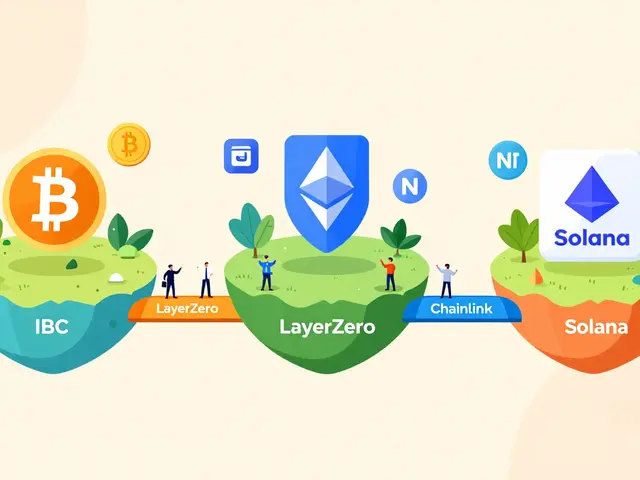
Most people click on an airdrop link hoping for free money, but half the time they end up in a scam or a dead project. The Swapz is a decentralized exchange protocol operating on the Binance Smart Chain that currently runs a community-driven airdrop campaign requiring social engagement and wallet verification. If you are looking to participate, you need to know exactly what is expected of you, where the token will land, and whether the effort is worth your time. This guide breaks down the specific steps, the technical setup needed for the Binance Smart Chain, and the red flags to watch out for so you don't waste your gas fees.
What Is the Swapz Platform?
Swapz is a DeFi project built on the BEP-20 standard, designed to facilitate token swaps with lower transaction costs compared to Ethereum mainnet networks. Unlike older projects that relied heavily on complex testnet tasks, Swapz focuses on a direct-to-user model. The core value proposition here is simplicity. You don't need to be a developer or run a node. You just need a wallet and a social media presence. The platform leverages the speed of the Binance Smart Chain ecosystem, which means confirmations happen in seconds rather than minutes, and fees remain negligible even during high traffic periods.
The project’s infrastructure is centered around the BEP-20 token standard. This is crucial because it dictates how your assets are stored and transferred. If you are holding tokens in an ERC-20 (Ethereum) wallet without bridging capabilities, you won't see your Swapz rewards until you bridge them or use a multi-chain compatible wallet like MetaMask configured for BSC.
Step-by-Step Participation Requirements
To qualify for the distribution, you must complete a specific set of actions. These are not optional; missing one step usually disqualifies you from the final snapshot. Here is the exact workflow based on current campaign details:
- Visit the Official Portal: Navigate to the official Swapz Airdrop page. Avoid third-party links found in random Discord servers unless verified by the team.
- Connect Your Wallet: You need a BSC Wallet. If you use MetaMask, ensure the network is switched to "BNB Smart Chain" before connecting. Enter your public address carefully. Double-check the first and last four characters.
- Submit Email Address: Provide a valid email. This is often used for future communication and potential KYC (Know Your Customer) checks if regulations tighten. Use a dedicated crypto email to avoid cluttering your primary inbox.
- Join Telegram: Click the link to join the official Swapz Telegram channel. Stay active there. Teams often announce changes or bonus opportunities directly in this chat.
- Follow Twitter/X: Follow the handle @Swapz_app. Make sure your account is not private. Public accounts are easier to verify automatically.
- Retweet Promotional Posts: Find the pinned or specified tweets and retweet them. Some campaigns require tagging friends; check the specific instructions on the airdrop page for any additional tags required.
Technical Setup: Preparing Your BSC Wallet
Many users get stuck at the wallet stage. If you are new to Binance Smart Chain, here is how to prepare correctly. First, install a wallet extension like MetaMask or Trust Wallet. Next, add the BSC network manually if it isn't pre-loaded. The RPC URL is typically `https://bsc-dataseed.binance.org/`, the chain ID is `56`, and the currency symbol is `BNB`.
You do not necessarily need to hold BNB to sign up, but you might need a tiny amount (less than $1) if the claim process requires a smart contract interaction later on. Keep a small buffer in your wallet to cover potential gas fees during the claim phase. Do not send large amounts of funds into the wallet just for the airdrop; keep it separate from your main holdings to minimize risk.
Understanding the Tokenomics and Distribution
One of the biggest questions is: "How much am I getting?" Currently, detailed tokenomics such as total supply, vesting schedules, and exact allocation percentages are not fully publicized in broad marketing materials. This is common for early-stage projects. However, we can infer the structure based on industry standards for BSC-based airdrops.
- Allocation Pool: Typically, 5-10% of the total token supply is reserved for airdrops. Without a confirmed total supply figure, assume the reward is modest per user unless you have completed multiple tiers of engagement.
- Vesting Schedule: Most DeFi airdrops lock tokens for 3 to 12 months. Expect a linear release over several months rather than a full unlock on day one. This prevents immediate sell-offs that crash the price.
- Snapshot Date: The team will take a snapshot of eligible wallets at a specific time. Ensure all your social tasks are completed well before this date. Last-minute submissions may fail due to server lag or verification delays.
Risks and Red Flags to Watch
Airdrops are generally low-risk because you aren't buying anything upfront. However, scams still exist. Here is how to protect yourself:
- Phishing Links: Only use links from the official Twitter bio or the verified website. Never click on links sent by DMs in Telegram unless the sender has a verified badge.
- Approval Scams: When you connect your wallet, you might be asked to sign a transaction. Read the pop-up carefully. It should say "Sign Message" or "Approve.