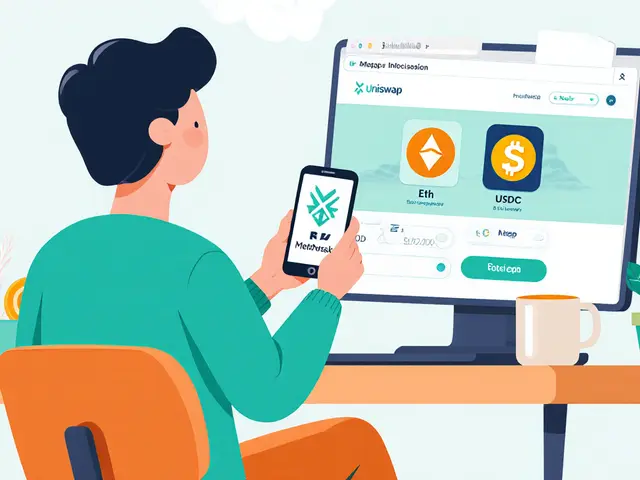
Imagine you just sent funds to a decentralized finance protocol. You hit 'approve,' the transaction goes through, but something feels off. Did the contract actually execute your trade? Did it interact with another contract you didn't authorize? In the world of smart contract interaction tracking, the process of monitoring, recording, and analyzing all activities and state changes when users or applications interact with deployed smart contracts on blockchain networks, these questions aren't just paranoia-they are critical for security and compliance.
For developers, auditors, and even cautious investors, understanding how to track these interactions is no longer optional. It’s the difference between a secure application and a drained wallet. This guide breaks down exactly how this tracking works, why it matters, and how you can use it to enforce restrictions and maintain transparency in your Web3 projects.
Why Smart Contract Interaction Tracking Matters
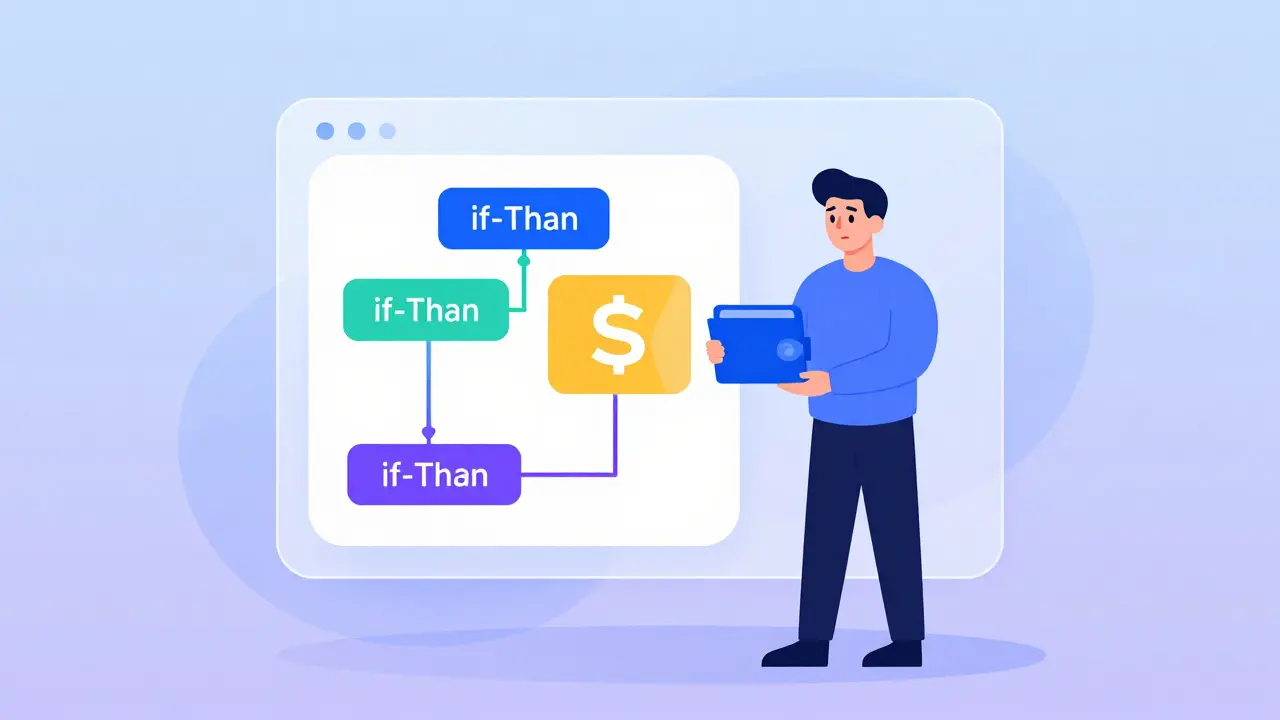
At its core, a smart contract is a self-executing contract with the terms of the agreement directly written into code. These programs run on the blockchain and operate on simple 'if-then' logic. If condition A is met, then action B happens. But here’s the catch: once deployed, that code is immutable. You can’t just call the developer to fix a bug or stop a malicious transfer.
This is where interaction tracking becomes your safety net. By comprehensively monitoring every call, parameter, and state change, you create an unalterable audit trail. This isn't just about keeping score; it's about accountability. When a user interacts with a contract, the blockchain records the caller's address, the function called, the gas consumed, and the outcome. This data allows external applications to verify that the contract behaved exactly as intended.
Consider a DeFi lending platform. Without proper tracking, how would you know if a flash loan attack occurred? Or if a user accidentally approved unlimited spending on a compromised token? Tracking mechanisms enable real-time risk assessment and portfolio management by logging every single interaction with lending protocols and liquidity pools.
The Technical Backbone: Events and Logs
To understand tracking, you need to understand how blockchains communicate what happened. On platforms like Ethereum is a decentralized, open-source blockchain with smart contract functionality, this communication happens through events.
Events are essentially log statements emitted by transactions. They don't affect the execution of the contract itself, but they provide a cheap and efficient way to share details of on-chain activity. When a smart contract emits an event, it uses specific opcodes (like LOG0 through LOG4) to create indexed logs. These logs contain two main parts:
- Topics: Up to four named parameters that act as indexes. Think of these as tags. For example, a 'Transfer' event might have topics for 'from', 'to', and 'value'. This makes searching incredibly fast.
- Data Payload: The detailed information about the interaction that doesn't fit into the indexed topics.
This structure is powerful because it allows external tools to filter and index data without scanning every single byte of the blockchain. For developers, this means you can build dashboards that update in real-time based on specific contract actions. For auditors, it means you can reconstruct the history of a contract's life cycle with precision.
Tracking Dimensions: From Transactions to State Changes
Interaction tracking isn't one-size-fits-all. It encompasses several distinct dimensions, each serving a different purpose.
Transaction-Level Tracking captures the basics: who called the contract, what function was invoked, and did it succeed or fail? This includes monitoring gas consumption, which can reveal inefficiencies or potential DoS attacks.
State Change Tracking dives deeper. It monitors modifications to storage variables. For instance, if a contract holds a balance for a user, state tracking records the value before and after the transaction. This is crucial for debugging. If a user claims their balance is wrong, you can look at the state history to see exactly when and how it changed.
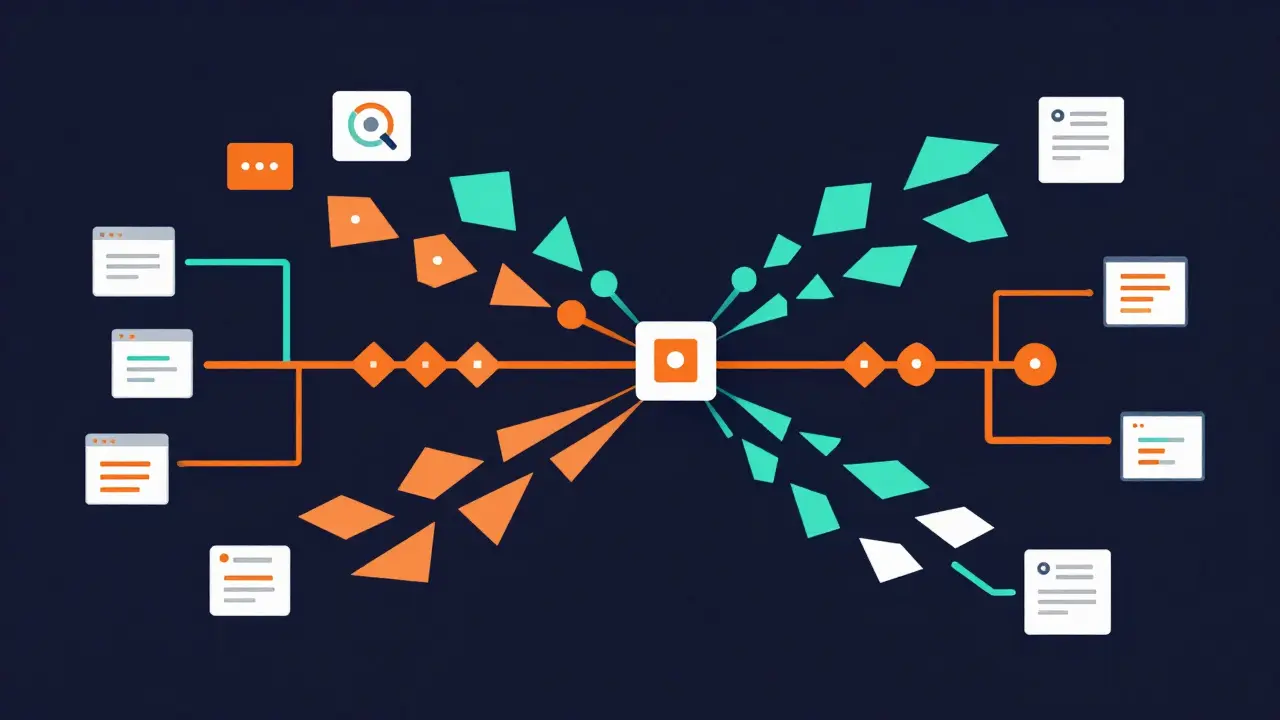
Cross-Contract Interaction Tracking is perhaps the most complex. Modern DeFi apps often involve multiple contracts calling each other in a single transaction. A swap on a DEX might trigger a yield farming deposit, which then updates a governance vote. Tracking these intricate paths requires sophisticated tools that can visualize the entire execution flow, not just the top-level transaction.
Tools and Platforms for Monitoring
You don't have to build your own node to track these interactions. Several specialized tools have emerged to make this easier.
Traditional blockchain explorers like Etherscan is a popular block explorer and search engine for the Ethereum blockchain offer basic tracking. You can view transaction history, read event logs, and see internal transactions. For many developers, this is enough for post-mortem analysis.
However, for real-time monitoring and advanced analytics, you need more robust solutions. Platforms like Chainlens provides SaaS and on-premises blockchain data and analytics platforms for Ethereum compatible, layer 2, and Polkadot networks offer deeper insights. They can help identify interaction patterns, optimize gas usage, and monitor security risks.
For enterprise-grade privacy and control, Hyperledger Fabric is an open-source framework for building distributed applications using pluggable modules offers a different approach. Its channel-based architecture allows for private interaction tracking through endorsement policies. This is ideal for industries like healthcare or supply chain, where transparency is needed among partners but not necessarily public.
| Tool | Best For | Key Feature | Privacy Level |
|---|---|---|---|
| Etherscan | Basic Auditing | Free, widely used | Public |
| Chainlens | Advanced Analytics | Real-time pattern detection | Configurable |
| Hyperledger Fabric | Enterprise Use | Channel-based privacy | Private |
Enforcing Restrictions Through Tracking
The title mentions restrictions, and this is a critical aspect of tracking. How do you enforce rules on a permissionless network? You don't always rely on the code alone; you rely on the data generated by the code.
By setting up automated alerts on specific event logs, you can enforce operational restrictions. For example, a treasury contract might be restricted from moving more than 10 ETH in a single day. While the smart contract code should enforce this limit, tracking systems provide a secondary layer of defense. If the tracking system detects a transaction that violates this rule-even if it hasn't been confirmed yet-it can trigger an alert to pause operations or notify admins.
In regulated industries, this is vital. Financial institutions using blockchain for asset trading must comply with strict reporting requirements. Comprehensive interaction tracking ensures that every trade, every ownership transfer, and every royalty payment is recorded and available for regulatory review. This turns the blockchain from a 'wild west' ledger into a compliant financial instrument.
Security Implications and Threat Detection
Perhaps the most important reason to track interactions is security. Smart contracts hold billions of dollars in value, making them prime targets for hackers.
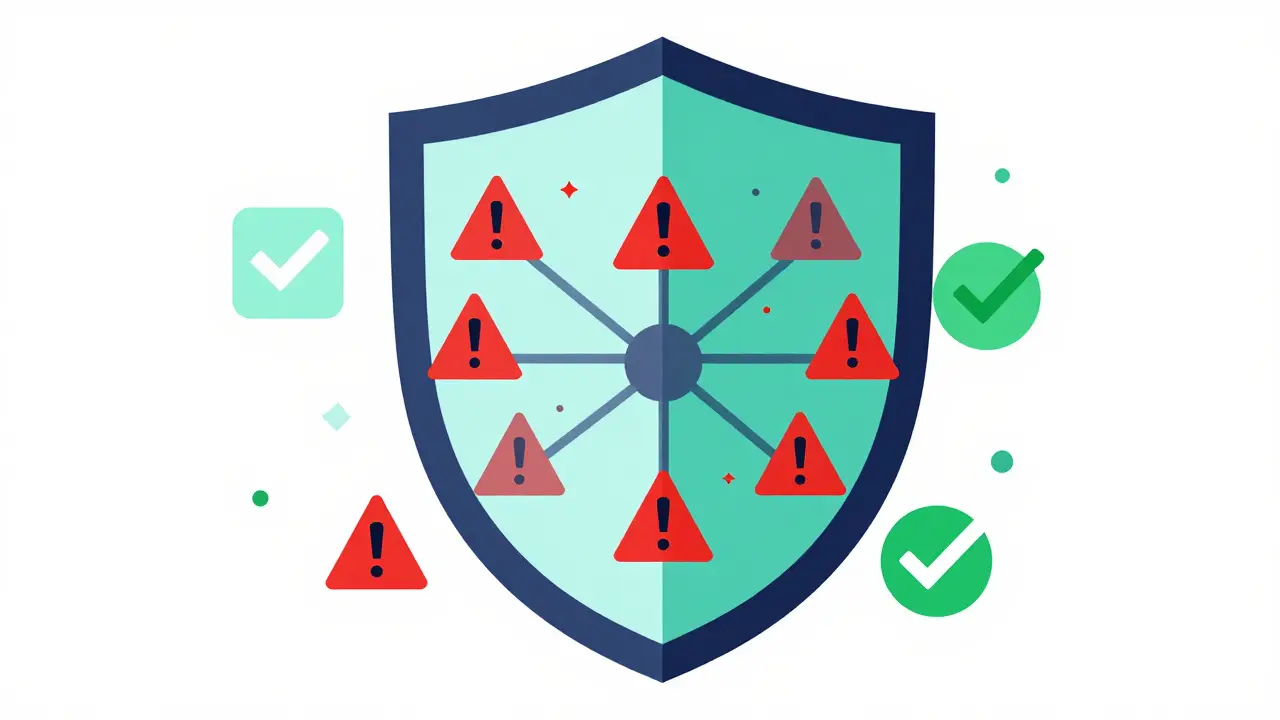
Tracking systems can detect malicious activities by analyzing transaction sequences. For instance, reentrancy attacks occur when a contract calls an external contract, which then calls back into the original contract before the first call finishes. Proper tracking reveals this circular dependency immediately.
Similarly, front-running and sandwich attacks are common in DeFi. Attackers monitor the mempool for large trades and place their own orders before and after to profit from the price impact. Advanced tracking platforms use machine learning to identify these unusual patterns and warn users or automatically adjust slippage tolerance.
Without comprehensive monitoring, you are flying blind. With it, you have a radar system that spots threats before they cause irreparable damage.
Challenges: Scalability and Privacy
It’s not all smooth sailing. High-volume blockchains generate massive amounts of data. Storing and querying every interaction can be expensive and slow. This is where Layer 2 solutions and efficient indexing become necessary.
Privacy is another major hurdle. Public blockchains are transparent by design. If you're tracking supply chain movements, you might inadvertently reveal sensitive business strategies to competitors. Solutions like zero-knowledge proofs are being explored to allow verification of interactions without revealing the underlying data. Until then, private chains or hybrid models remain the best option for sensitive data.
Future Outlook: AI and Real-Time Analytics
The future of smart contract interaction tracking lies in automation and intelligence. We are seeing a rise in platforms that combine traditional blockchain data with artificial intelligence. These tools don't just show you what happened; they predict what might happen next.
Imagine a system that automatically flags anomalous behavior based on historical patterns. Or a dashboard that integrates blockchain data with traditional ERP systems, giving businesses a holistic view of their digital and physical assets. As Web3 continues to mature, these sophisticated tracking mechanisms will become standard infrastructure, much like firewalls are today.
What is the difference between transaction tracking and event tracking?
Transaction tracking looks at the high-level input and output of a blockchain operation, such as the sender, receiver, and gas used. Event tracking focuses on the internal logs emitted by the smart contract during execution. Events provide structured data about specific actions within the contract, like a token transfer or a ownership change, which are more useful for detailed analysis.
Can I track smart contract interactions on private blockchains?
Yes. Platforms like Hyperledger Fabric are designed specifically for private enterprise use. They allow for granular control over who can view interaction data. This is essential for industries requiring confidentiality, such as healthcare or banking, while still maintaining an immutable audit trail.
How does tracking help prevent smart contract hacks?
Tracking helps by providing visibility into contract behavior. By monitoring for unusual patterns, such as rapid state changes or unexpected cross-contract calls, security systems can detect attacks like reentrancy or front-running in real-time. This allows for immediate response, potentially mitigating losses.
Is smart contract interaction tracking expensive?
The cost depends on the method. Emitting events on-chain costs gas, so excessive logging can increase transaction fees. However, reading and indexing these events off-chain using third-party services like Chainlens or The Graph is generally low-cost. The investment in tracking tools is usually far outweighed by the security and compliance benefits.
What are 'topics' in smart contract events?
Topics are indexed parameters associated with an event. They act like tags or labels, allowing for efficient filtering and searching of logs. For example, in a Transfer event, the 'from' and 'to' addresses are typically stored as topics, making it easy to query all transfers involving a specific address.