Is The APIS airdrop real, or just another hype cycle? That is the question keeping many traders awake at night here in early 2026. With the crypto market shifting rapidly, finding reliable information on new token distributions is crucial. You have likely seen posts circulating social media channels about The APIS is a blockchain infrastructure initiative rumored to be offering free token rewards to early adopters. Also known as APIS Protocol, this project claims to simplify developer tools across multiple networks. However, navigating the noise requires a sharp eye because not every project labeled as an airdrop is legitimate.
We are writing this on April 1, 2026, and the market is flooded with similar announcements. Many users confuse this specific initiative with other similarly named projects. Before you connect your wallet or sign transactions, understanding the distinction is vital for protecting your digital assets. This guide cuts through the marketing fluff to give you the hard facts you need to decide whether to participate.
Distinguishing Between The APIS and Crypto APIs
One of the biggest hurdles right now is identity verification. In the world of Crypto APIs is an established infrastructure provider offering scalable tools for blockchain integration. we see frequent overlaps in naming conventions. Search results frequently mix up "The APIS" with a different entity known as "Crypto APIs." This older company previously announced a promotional campaign involving 50 API tokens valued at roughly $15 per batch.
While those numbers might sound small, they set a baseline for what typical utility airdrops look like versus full-scale token launches. "The APIS" project, however, remains distinct in its documentation. It focuses heavily on providing developers with easier access to data streams for Bitcoin, Ethereum, and Litecoin networks. If you are waiting for a massive allocation of high-value tokens, you need to temper expectations. Most infrastructure projects offer modest rewards designed for active usage rather than passive holding.
| Project Name | Primary Focus | Status | Token Value Estimate |
|---|---|---|---|
| The APIS | Infrastructure Development | Active Research Phase | Unknown |
| Crypto APIs | Blockchain Services | Operational | $15 (Previous Drop) |
| Berachain | L1 Blockchain | Launch Confirmed | Market Dependent |
Understanding the Mechanics of Modern Airdrops
To succeed in capturing these rewards, you need to understand how the distribution logic works. Unlike the early days of Bitcoin where mining was the primary method, today’s ecosystem relies heavily on snapshot mechanisms. A snapshot is essentially a photograph of the blockchain at a specific block height. It captures every address holding a certain asset or interacting with a specific contract.
If The APIS follows industry standards, eligibility is determined by your activity level. Merely holding a token might not be enough. Developers often require users to perform tasks like bridging funds, signing messages, or testing beta features. This approach ensures that the token goes to people who actually use the product, preventing bots from draining the supply.
Vesting schedules also play a major role here. Even if you qualify for the drop, you cannot sell everything instantly. A linear release over 6 to 12 months is standard for reputable projects. This prevents immediate sell pressure crashing the price upon launch. Always check the whitepaper for these terms. Hidden lock-up periods are a common frustration for impatient investors.
Security Checks and Risk Management
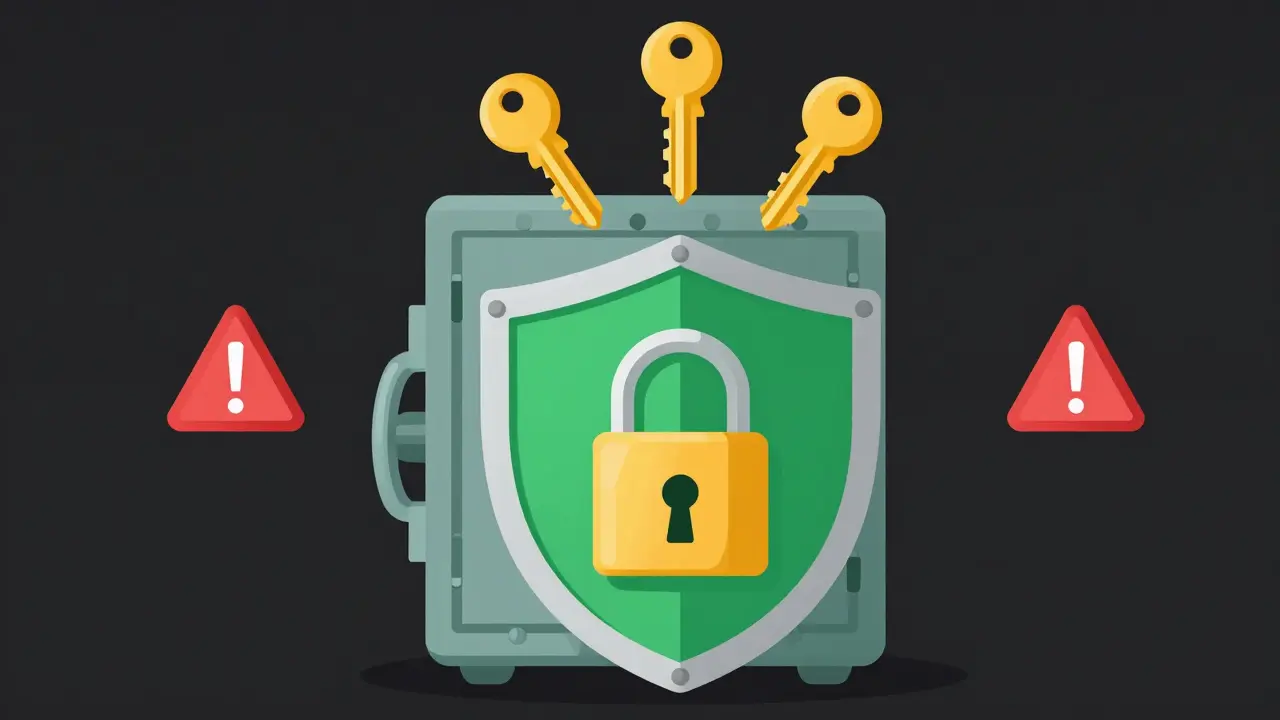
Given the confusion surrounding names, security should be your top priority. Web3 Wallet is a secure digital storage tool used to manage cryptocurrency assets and interact with decentralized applications. Using the wrong platform can lead to total loss of funds. Never connect your primary exchange wallet to a new airdrop claim site. Instead, use a separate "burner" wallet dedicated solely to testing new protocols.
Phishing sites are rampant. Hackers often clone popular landing pages with slight URL variations. Always verify the domain extension and check the code on official repositories like GitHub before signing anything. If a contract asks for unlimited allowance on a critical chain like Ethereum, revoke those permissions immediately after use.
You should also verify the project team. Anonymous founders are risky. Look for public LinkedIn profiles or a history of previous successful launches. If the roadmap has no dates, proceed with caution. Transparency builds trust in an industry riddled with exit scams.
Alternative Opportunities in the Current Cycle
While you monitor The APIS, it is wise to diversify. The market in 2026 sees momentum behind other significant players. For instance, Berachain is a Layer 1 blockchain focusing on liquid staking yields and governance. Its token, BERA, has already generated substantial buzz due to its innovative proof-of-liquidity model.
Another strong contender is Kaito AI. They operate in the artificial intelligence space intersecting with blockchain data. Their KAITO token offers utility for querying on-chain analytics. These projects have clearer documentation and larger community verifications compared to smaller infrastructure plays. Spreading your engagement across different sectors-DeFi, AI, and L1s-reduces the risk of betting on a single failing narrative.
Don't ignore the smaller gems either. Sometimes, niche projects with lower market caps offer higher percentage returns if they survive the initial volatility. Just remember that higher reward potential always correlates with increased downside risk. Balance your portfolio accordingly.
How to Prepare Your Wallet and Claims
Once you have confirmed eligibility, preparation is key. Have a gas reserve in ETH or SOL ready. Airdrop claim periods often overlap with network congestion times. Running out of gas mid-claim process can leave your funds stuck in limbo or cost you significantly more in fees.
Follow this checklist:
- Secure your private keys offline.
- Test your connection with a small transaction first.
- Verify the contract address against official announcements.
- Set aside specific tax records for reporting.
Many users overlook the tax implications. In most jurisdictions, receiving tokens counts as taxable income at fair market value upon receipt. Keeping logs of dates and amounts helps when filing reports next year. Ignoring this compliance step can lead to penalties regardless of how well you managed the investment side.
Frequently Asked Questions
Is The APIS airdrop officially confirmed?
As of early 2026, there is limited official documentation specifically confirming a mass retail distribution for "The APIS." While there are rumors, distinguish them from the operational Crypto APIs service. Always wait for an official announcement on verified social channels.
How do I know if an airdrop is a scam?
Check the website URL for typos, verify the contract address, and never share your seed phrase. Legitimate airdrops never ask for upfront payments to claim rewards.
What wallet is best for claiming tokens?
Non-custodial wallets like MetaMask or Trust Wallet are preferred. Avoid connecting hardware wallets directly to unverified dApps until you have thoroughly audited the interface.
Are airdrop tokens taxable?
Yes, in most countries, received airdrops are considered taxable income based on the value at the moment of reception. Consult a local tax professional for specific regulations.
Can I stake my airdropped tokens immediately?
This depends on the vesting schedule. Some projects lock tokens for liquidity, while others allow immediate transfer or staking. Check the governance documentation for specific unlock rules.
Staying informed is your best defense in this space. As new projects emerge every week, keep checking official sources rather than relying on influencers who may be incentivized to promote questionable schemes. The crypto landscape in 2026 demands more diligence than ever before. By taking these precautions, you position yourself to capture value safely while avoiding the common pitfalls that trap inexperienced participants.