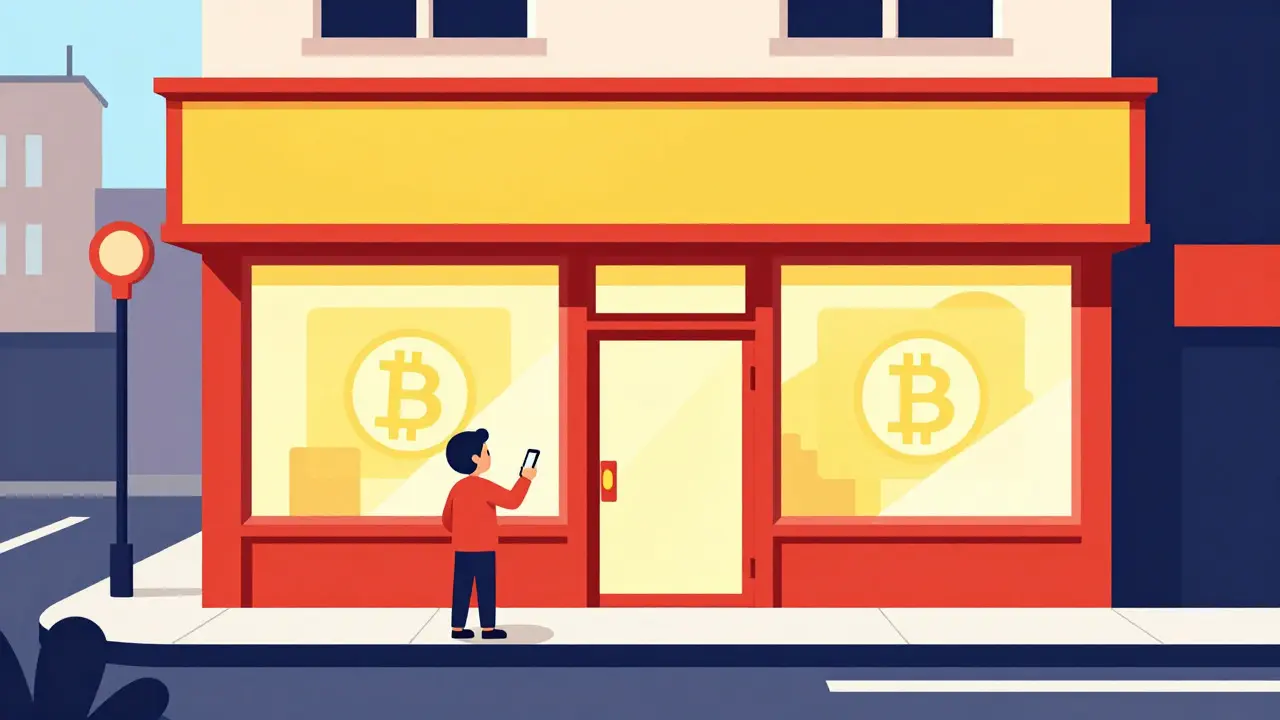
Remember the red and yellow boxes of RadioShack? You probably do. The electronics giant that defined a generation of tech hobbyists is back, but this time it’s not selling batteries or soldering irons. It’s swapping tokens on the Binance Smart Chain. If you stumbled upon RadioShack Swap while browsing low-cap gems or retro brand reboots, you’re likely asking the same question I did: is this actually a serious trading platform, or just another nostalgic gimmick with a thin liquidity pool?
The short answer? It’s a niche decentralized exchange (DEX) with a unique technical angle, but it carries significant risks for anyone looking for deep liquidity or long-term stability. Let’s break down what RadioShack Swap actually does, how its "Starfish Topology" works, and whether the RADIO token is worth your attention in 2026.
What Is RadioShack Swap Really?
RadioShack Swap is a decentralized cryptocurrency swap platform launched in early 2022 under the revived RadioShack brand. Unlike centralized exchanges like Coinbase or Binance, which act as intermediaries holding your funds, RadioShack Swap operates as an automated market maker (AMM). This means you trade directly against liquidity pools managed by smart contracts, not against other users on an order book.
The brand relaunch was a bold move. After the original RadioShack filed for bankruptcy in 2019, the rights were acquired, and the company pivoted toward digital assets. By 2022, they had established RadioShack Swap to supplement their retro apparel sales with actual crypto utility. The platform’s main pitch was simple: lower swap fees than competitors and a novel approach to liquidity management.
However, context matters. When it launched, daily volumes hovered between $500,000 and $2 million. While that sounds decent for a new DEX, it’s tiny compared to giants like Uniswap or PancakeSwap, which handle billions daily. As we look at 2026 data, the platform remains a minor player. Its primary differentiator isn’t volume-it’s architecture.
The Starfish Topology: How It Works
Most AMMs suffer from "liquidity fragmentation." Imagine trying to buy Token A for Token C. In a standard setup, you might need to hop through multiple pairs (A/B, then B/C), each adding slippage and fee costs. Liquidity is scattered across hundreds of isolated pools.
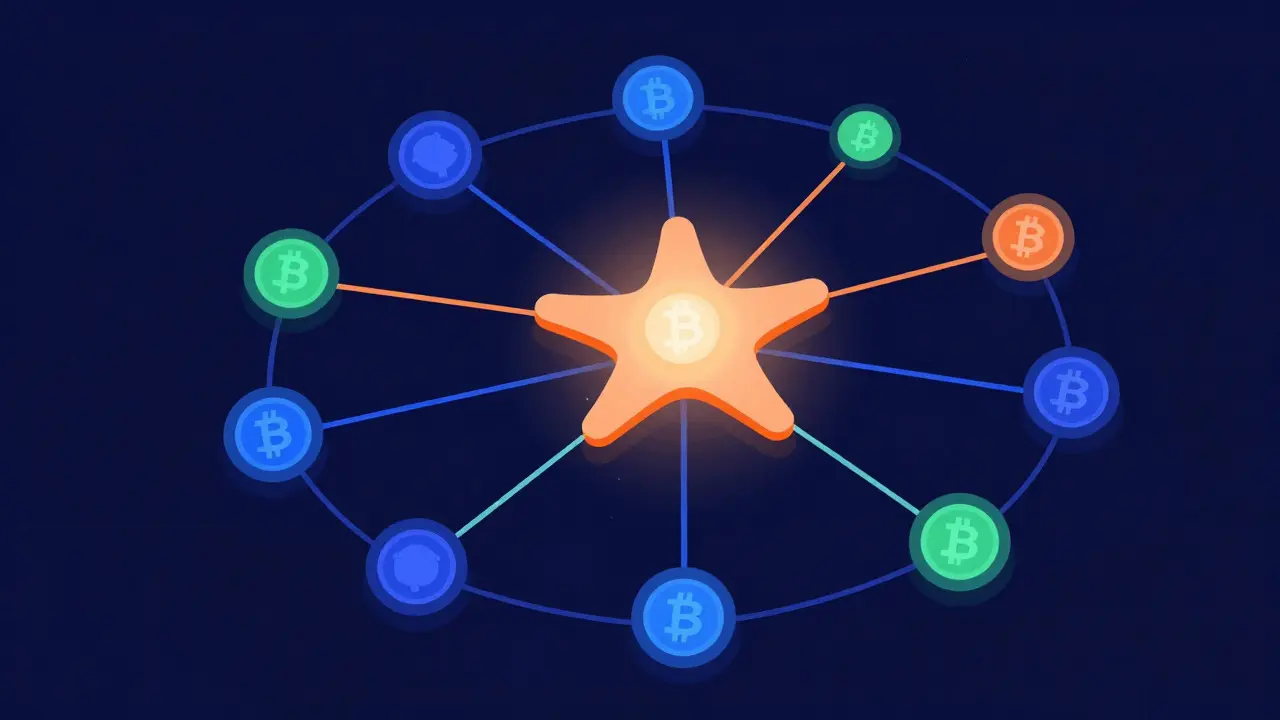
RadioShack introduced a concept called The Starfish Topology. Instead of a web of disconnected nodes, they created a single large-degree node called the RADIO Node. Think of it as a hub-and-spoke model. Every swappable token pair connects directly to this central RADIO node. This reduces the complexity of the token graph and theoretically increases liquidity per trading pair because all flows converge on one point.
In practice, this means if you’re swapping two obscure tokens, the path is shorter. But does it make the platform better? For high-frequency traders dealing with major pairs, maybe not. For those navigating long-tail assets on BSC, it could offer slightly more efficient routing. However, the innovation hasn’t translated into massive adoption, suggesting that convenience alone doesn’t drive DEX usage-volume and trust do.
RADIO Token Performance on BSC
The native utility token of the platform is RADIO. It’s deployed across multiple chains, including Ethereum, Polygon, Avalanche, and Binance Smart Chain. On BSC specifically, the RADIO/WBNB pair has historically been the most active, though even there, volumes are modest. Recent data shows 24-hour trading volumes often dipping below $2,000 USD, with the token ranking around #4993 on CoinMarketCap.
Let’s look at the numbers coldly:
- Current Price: Approximately $0.0002388 USD.
- Daily Volume: Often under $2,000 USD.
- Market Rank: Bottom 5% of all tracked cryptocurrencies.
- Liquidity Depth: Thin. Moving even $10,000 into or out of RADIO can cause significant price slippage.
This is critical. Low volume means high risk. If you buy RADIO, getting out might be harder than getting in. The multi-chain strategy helps accessibility, but it also dilutes liquidity further across networks. On BSC, where gas fees are low, the friction of trading is minimal, but the depth of the order book is the real bottleneck.
Fees, Security, and User Experience
RadioShack advertised lower swap fees as a key feature. In a crowded DEX market, fee wars are common. PancakeSwap charges 0.25%, Uniswap v3 offers variable tiers, and many newer forks undercut these rates. RadioShack’s edge here is marginal unless you’re executing hundreds of trades daily.
Security-wise, since it’s a DEX, your funds stay in your wallet until you transact. There’s no custodial risk of the exchange going bankrupt (like FTX). However, smart contract risk remains. Has RadioShack Swap undergone independent audits? Public records from 2022 mention audits, but detailed reports aren’t always easily accessible. Always verify the current audit status before bridging large amounts of capital. Check for any recent exploits or vulnerabilities on security trackers like DeFiLlama or CertiK.
User experience is functional but basic. The interface allows you to connect your MetaMask or Trust Wallet, select a pair, and swap. There’s no advanced charting, no margin trading, and no staking rewards comparable to major protocols. It’s a tool for swapping, not a full-service investment platform.
Who Should Use RadioShack Swap?
Honestly? Very few people need to use it exclusively. Here’s who might find value:
- Nostalgic Brand Fans: If you have a sentimental connection to the old RadioShack and want to support the reboot, small speculative positions in RADIO might appeal.
- Low-Fee Swappers on BSC: If you frequently swap specific long-tail tokens available only on RadioShack’s topology, the reduced routing complexity might save you a fraction of a percent in slippage.
- DeFi Experimenters: If you’re testing new AMM architectures for research purposes, the Starfish Topology is an interesting case study in liquidity aggregation.
For everyone else, sticking to established DEXs like PancakeSwap or Uniswap is safer. They have deeper liquidity, higher daily volumes, and more robust security track records.
| Feature | RadioShack Swap | PancakeSwap | Uniswap |
|---|---|---|---|
| Primary Chain | BSC, ETH, AVAX, POLYGON | BSC, ETH, ARBITRUM | ETH, ARBITRUM, OPTIMISM |
| Daily Volume | < $2,000 - $50,000 | $100M+ | $500M+ |
| Fee Structure | Competitive (Low) | Standard (0.25%) | Variable (Tiered) |
| Liquidity Depth | Thin | Deep | Very Deep |
| Unique Feature | Starfish Topology | Cake Staking | Vaults & NFTs |
Risks to Watch Out For
If you decide to try RadioShack Swap, keep these risks front of mind:
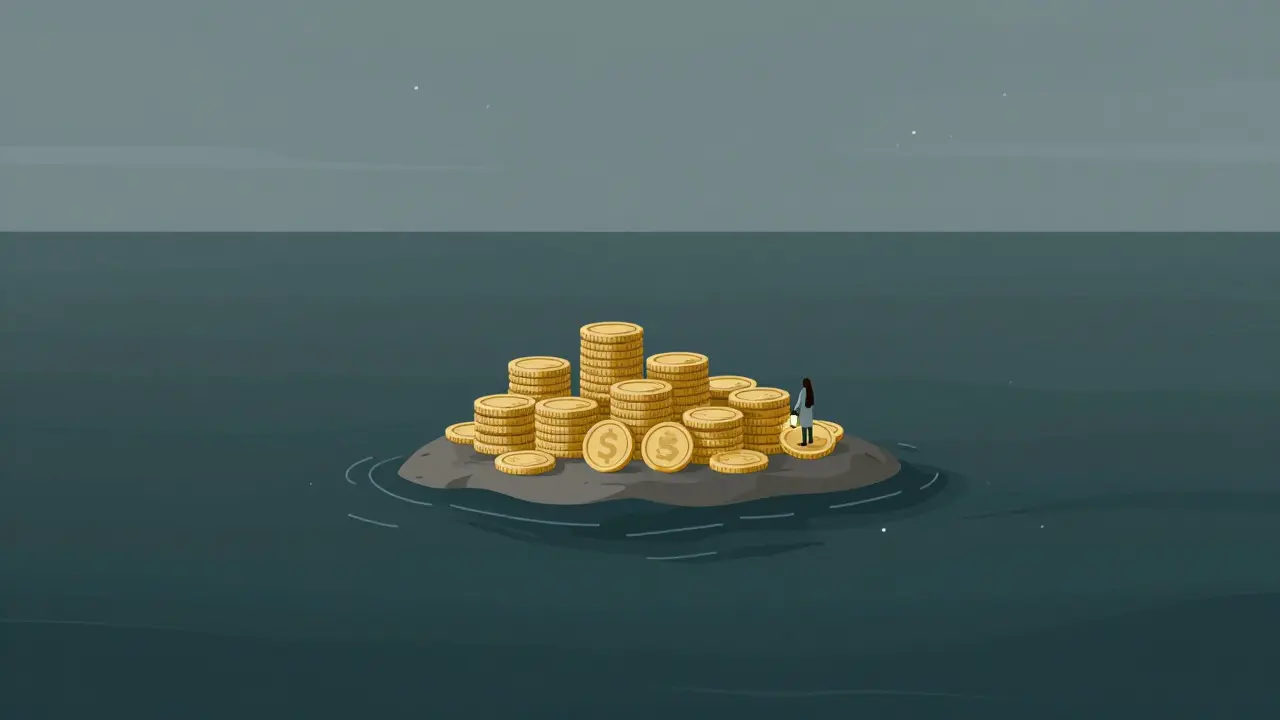
- Liquidity Risk: With sub-$2,000 daily volumes, exiting large positions can crash the price. Always check the pool size before swapping.
- Smart Contract Risk: Even audited contracts can fail. Start with a small amount you can afford to lose.
- Brand Confusion: Don’t confuse the crypto platform with the physical retail stores (which have largely closed). The crypto entity is separate.
- Token Volatility: RADIO is a micro-cap asset. Expect wild swings. It’s not a store of value; it’s a speculative instrument.
Also, monitor regulatory developments. While DEXs operate globally, jurisdictions like Australia (where I’m based) are tightening rules on unregistered exchanges. Ensure you’re compliant with local tax reporting requirements for crypto gains.
Final Verdict: Worth It in 2026?
RadioShack Swap is an interesting footnote in DeFi history. It took a beloved legacy brand and applied it to blockchain technology with a genuine technical innovation in liquidity routing. But innovation without adoption is just a demo.
For casual traders, the platform offers little advantage over established competitors. The fees aren’t low enough to justify the liquidity risk, and the user base is too small to create network effects. If you’re already deep in the BSC ecosystem and curious about alternative AMM structures, give it a test run with $50 or $100. But don’t park your savings here.
The RADIO token itself is a high-risk, low-liquidity play. It’s not suitable for conservative investors. Treat it as a lottery ticket with a tech twist. Keep your eyes on volume trends-if daily trading consistently stays under $5,000, the platform may struggle to sustain development interest.
Is RadioShack Swap safe to use?
It is as safe as any decentralized exchange, meaning your funds are held in your own wallet. However, smart contract bugs remain a risk. Since volumes are low, liquidity risk is the bigger concern. Always start with small amounts.
Where can I buy RADIO tokens?
You can buy RADIO on decentralized exchanges like RadioShack Swap itself, or on larger platforms that list it such as PancakeSwap on BSC. Centralized exchanges rarely list such low-volume tokens, so DEXs are your primary route.
What is the Starfish Topology?
It is RadioShack’s proprietary liquidity architecture that uses a central 'hub' node (RADIO) to connect all token pairs. This aims to reduce slippage and improve efficiency compared to fragmented liquidity models used by other AMMs.
Does RadioShack Swap charge high fees?
No, RadioShack advertises competitive, lower-than-average swap fees. However, for most users, the difference in fees between RadioShack and major DEXs like PancakeSwap is negligible compared to the impact of slippage in thin markets.
Is the RADIO token a good investment?
It is highly speculative. With low trading volume and a bottom-tier market cap rank, RADIO is prone to volatility and liquidity issues. It is not recommended for long-term holding unless you are comfortable with high risk and potential illiquidity.