Have you seen the buzz about the POLYS Polystarter Community Program airdrop? If you’ve been scrolling through crypto Twitter or Telegram groups lately, you might have come across claims that Aaron Ngetich-or some other "insider"-is giving away free tokens from a new project called PolyStarter. The promise is tempting: join a community program, complete simple tasks, and get rich quick with POLYS tokens.
Here is the hard truth before you click any links: **There is no verified, official POLYS token airdrop from PolyStarter as of mid-2026.** In fact, searching for specific details on this "Community Program" reveals a massive information gap. This silence is not an oversight; it is a major red flag. In the world of cryptocurrency, if a project is distributing millions of dollars in value to its community, they do not hide behind vague announcements. They publish whitepapers, snapshot dates, and smart contract audits. PolyStarter has done none of these things regarding a native POLYS token distribution.
The Reality of PolyStarter and the POLYS Myth
To understand why this airdrop rumor is dangerous, we need to look at what PolyStarter actually is. PolyStarter is a decentralized launchpad operating on the Polygon network. Its primary function is to help other blockchain projects raise capital fairly. Think of it as a gateway. Projects go to PolyStarter to vet their ideas, lock liquidity, and offer tokens to early investors. PolyStarter facilitates this process using Polygon’s low-cost transactions and high throughput.
Crucially, PolyStarter positions itself as a service provider, not necessarily as a token issuer. While many launchpads eventually issue their own governance tokens, there is no credible evidence that PolyStarter has launched a native token called "POLYS" for public distribution. The confusion likely stems from users mixing up PolyStarter with the broader Polygon ecosystem activities. When you see "POLYS," you are likely looking at a fabricated ticker symbol created by scammers to mimic legitimate assets like POL, the native token of the Polygon network.
Confusing PolyStarter with Polygon’s Agglayer Breakout Program
Why are people talking about airdrops in this space right now? The noise is largely coming from a completely different source: the Polygon Foundation’s Agglayer Breakout Program. Launched in April 2025, this initiative rewards stakers of the POL token with airdrops from successful graduate projects.
Here is how it works: Projects build on Polygon’s Agglayer. If they succeed, they airdrop 5-15% of their native tokens to people who staked POL. Projects like Privado ID and Miden have participated in this. This is a real, documented program with clear rules. However, PolyStarter is not part of this specific airdrop mechanism. PolyStarter helps projects launch; it does not automatically receive or distribute tokens from the Agglayer program to its own "community members" in the way scammers claim.
| Feature | Polygon Agglayer Program (Real) | POLYS Polystarter Airdrop (Scam) |
|---|---|---|
| Token Distributed | Native tokens of graduate projects (e.g., Privado ID) | Fabricated "POLYS" token |
| Eligibility | Staking POL tokens on Polygon | Joining Telegram/Discord, connecting wallet to unknown sites |
| Official Source | Polygon Foundation, Polygon Labs | Unverified Twitter accounts, anonymous Telegram admins |
| Smart Contract Audit | Yes, publicly available | No audit, often malicious code |
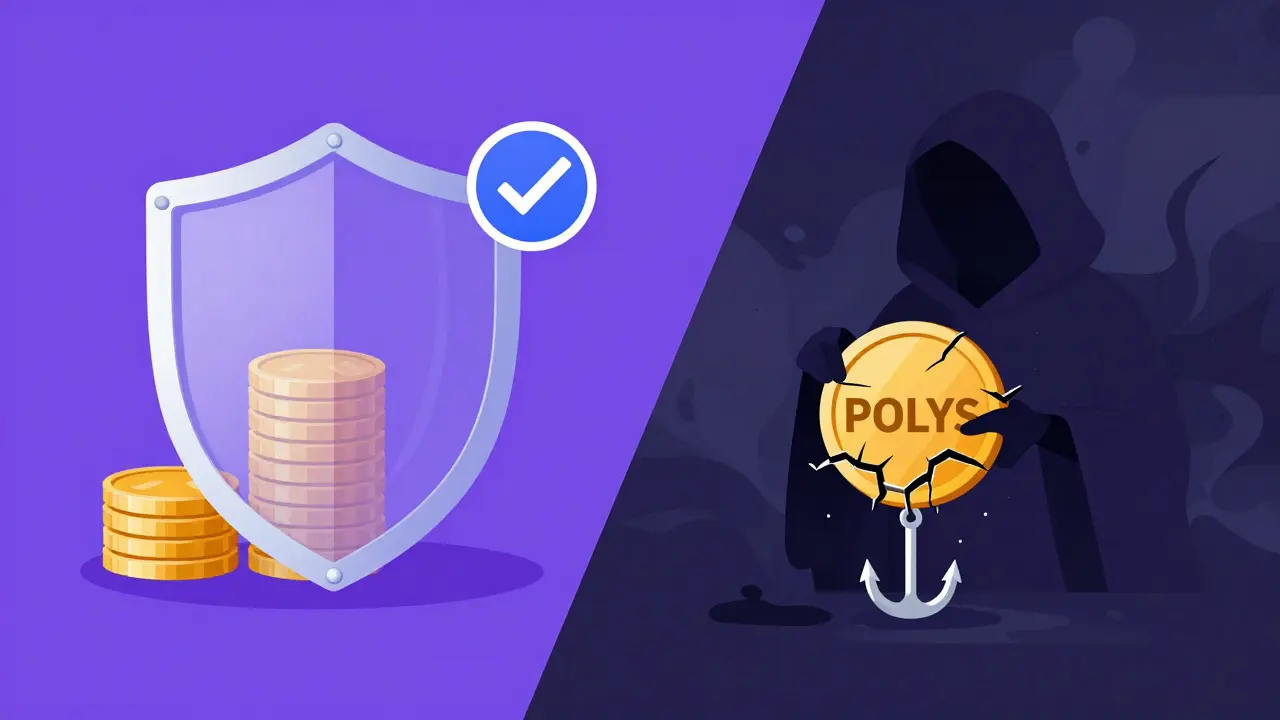
How the POLYS Scam Works
If you cannot buy POLYS because it doesn’t exist, why are people promoting it? The goal of these scams is usually one of two things: draining your wallet or harvesting your data. Here is the typical playbook used by bad actors impersonating PolyStarter:
- The Hook: You see a post claiming "PolyStarter Community Program Airdrop Live!" with screenshots of fake earnings.
- The Funnel: You are directed to a Telegram group or a Discord server. The chat is filled with bots pretending to be excited users.
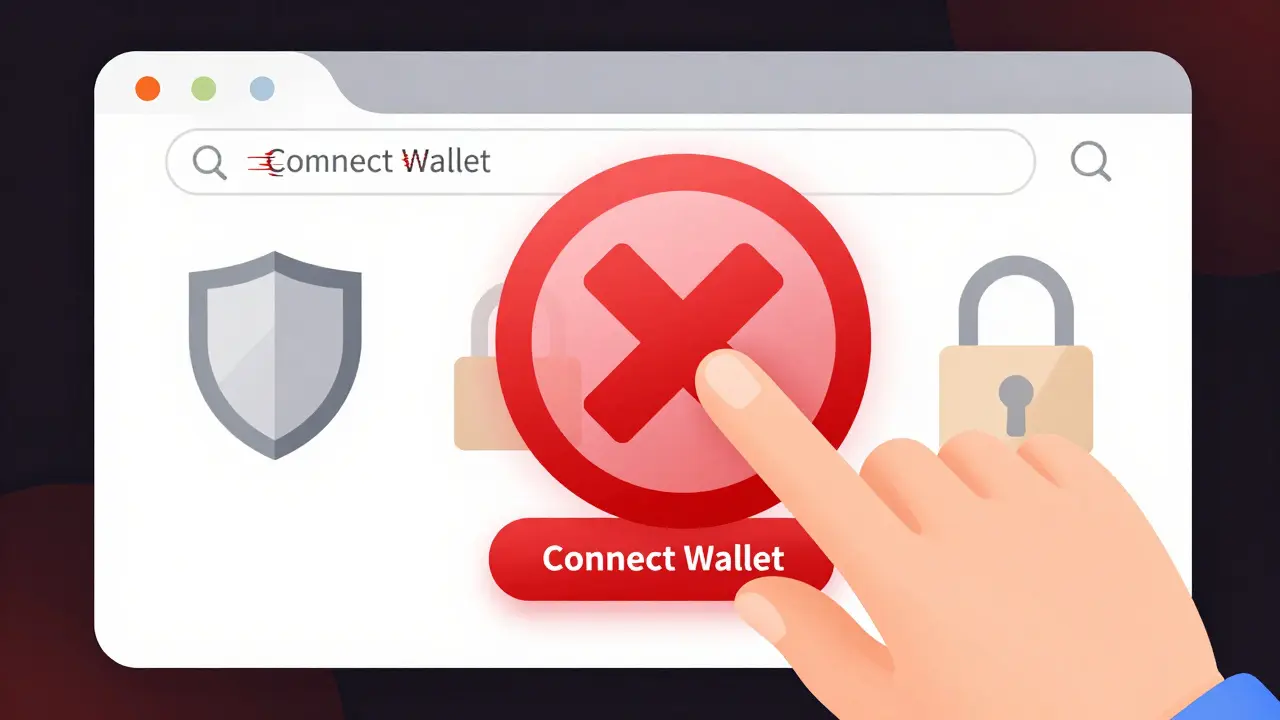
- The Task: You are asked to connect your crypto wallet (like MetaMask) to a website that looks like PolyStarter but isn’t. The URL might be slightly off, like polystarter-airdrop.com instead of polystarter.com.
- The Drain: Once connected, the site asks for approval to spend your tokens. If you approve, the scammer drains your USDT, ETH, or MATIC instantly. Alternatively, they may ask you to send a small amount of gas fees to "verify" your eligibility, which is just them stealing your money.
I have seen this pattern repeat across dozens of fake airdrops in Perth and globally. The sophistication of these fake sites has increased, but the lack of official documentation remains the biggest giveaway. Always check the official PolyStarter website and their verified social media channels. If it’s not announced there, it’s not real.
Red Flags to Watch For in 2026
The crypto landscape in 2026 is more regulated than ever, yet scams persist because greed overrides caution. Here are specific signs that a "POLYS" or similar airdrop is fraudulent:
- Vague Tokenomics: Legitimate projects publish detailed tokenomics. How many tokens are being distributed? What is the vesting schedule? If the answer is "surprise drop soon," run away.
- No Snapshot Date: Real airdrops require a snapshot-a specific block height where eligible wallets are recorded. Scammers never provide this because they want you to keep interacting with their malicious contracts.
- Pressure Tactics: Phrases like "limited spots remaining" or "claim within 24 hours" are designed to make you act without thinking. Genuine programs give users weeks or months to prepare.
- Unknown Team Members: If the "admins" of the community program have no public history, no LinkedIn profiles, and no previous involvement in the Polygon ecosystem, they are likely anonymous criminals.
How to Safely Participate in Real Airdrops
This doesn’t mean you should stop looking for opportunities. The Polygon ecosystem is vibrant, and there are legitimate ways to earn rewards. However, you must shift your strategy from "chasing rumors" to "building verifiable activity."
First, focus on established protocols. Use decentralized exchanges like QuickSwap or SushiSwap on Polygon. Provide liquidity to reputable pools. These actions are visible on-chain and cannot be faked. If a protocol decides to airdrop later, your historical data proves your participation.
Second, stake your POL tokens. As mentioned earlier, the Agglayer Breakout Program rewards POL stakers. By staking your tokens through official Polygon validators, you position yourself to benefit from future ecosystem growth without risking your principal investment in unverified schemes.
Third, verify everything. Before connecting your wallet to any site, check the URL carefully. Look for HTTPS and verify the domain registration date. New domains registered days ago are almost always scams. Use tools like Etherscan or Polygonscan to check if the token contract exists and has been audited by firms like CertiK or OpenZeppelin.
Conclusion: Protect Your Assets
The "POLYS Polystarter Community Program airdrop" is a myth. It relies on the confusion between PolyStarter’s role as a launchpad and the genuine airdrop activities happening elsewhere in the Polygon ecosystem. There is no POLYS token, no official community program for free distribution, and no legitimate reason to connect your wallet to unverified sites promising these rewards.
Your crypto assets are valuable. Do not trade security for the hope of a free lunch. Stick to verified platforms, engage with the Polygon ecosystem through official channels, and always remember: if it sounds too good to be true, it is definitely a scam.
Is there a real POLYS token?
No. As of June 2026, there is no officially recognized or traded token called POLYS associated with PolyStarter. Any token with this name found on decentralized exchanges is likely a scam or a honeypot contract designed to steal funds.
What is the PolyStarter Community Program?
There is no official "Community Program" for airdropping POLYS tokens. This term is being used by scammers to lure victims. PolyStarter operates as a launchpad for other projects, but it does not currently have a public token distribution program under this name.
How can I distinguish between real and fake Polygon airdrops?
Real airdrops are announced on official project websites and verified social media accounts. They provide clear eligibility criteria, snapshot dates, and audited smart contracts. Fake airdrops use urgency, vague promises, and unofficial communication channels like random Telegram groups.
Is PolyStarter a safe platform?
PolyStarter itself is a legitimate launchpad operating on the Polygon network. However, users must be cautious of phishing sites that impersonate PolyStarter to steal credentials or drain wallets. Always access the platform through its official, verified URL.
What should I do if I already connected my wallet to a fake POLYS site?
Immediately revoke all approvals for that contract using a tool like Revoke.cash. Move any remaining funds to a new, secure wallet address. Monitor your transaction history for unauthorized transfers and consider reporting the incident to relevant cybersecurity authorities.