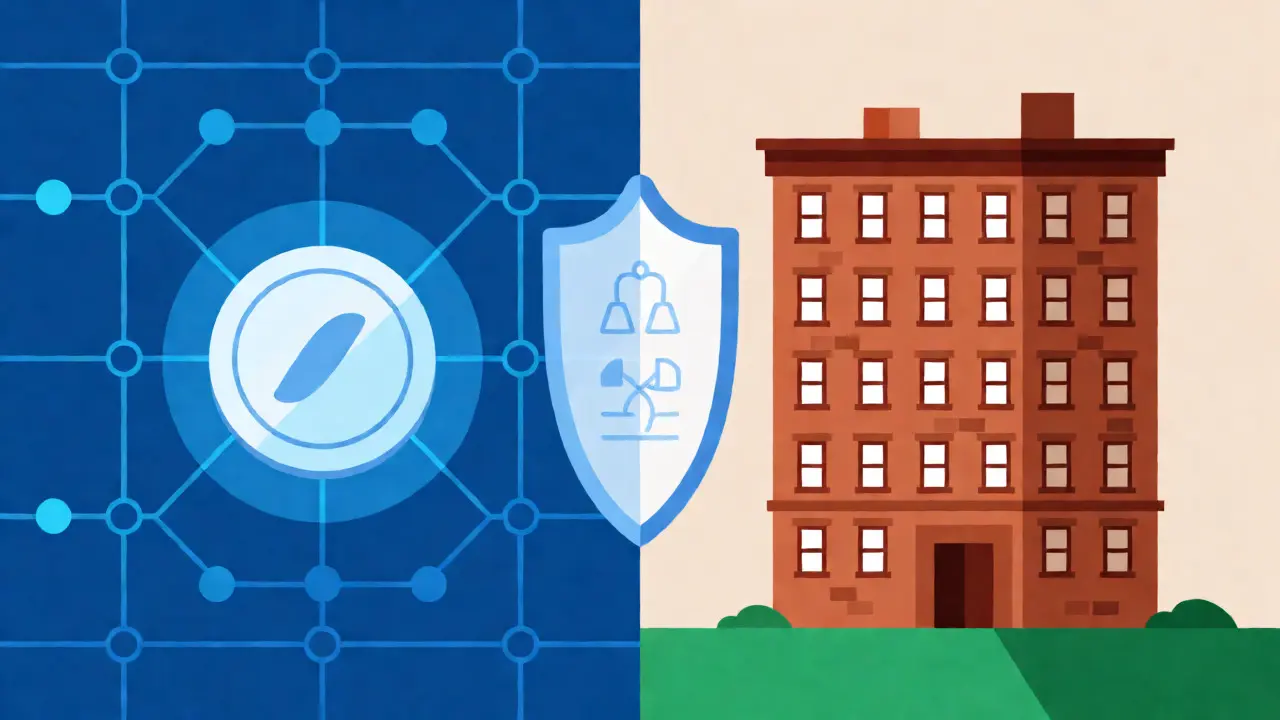
You bought a token that supposedly owns a slice of a Manhattan apartment. It looks great on your dashboard. But if the issuer goes bankrupt tomorrow, do you actually own the bricks and mortar, or are you just holding an IOU with no legal teeth? This is the million-dollar question in Real-World Asset (RWA) tokenization. While the tech gets all the headlines, the legal framework is what determines whether your investment is real property or just digital vapor.
The market for tokenized assets hit $2.95 billion in 2023 and is projected to skyrocket to nearly $24 billion by 2030. Yet, many projects fail not because their code is buggy, but because their legal wrapper is flimsy. If you are looking to tokenize an asset-or invest in one-you need to understand how laws interact with blockchain ledgers. It’s not just about smart contracts; it’s about enforceable rights.
The Core Legal Question: Do You Own the Asset?
Before diving into regulations, we have to address the fundamental structural choice every project makes. Does the token represent direct ownership of the physical asset, or does it represent a claim against a company that holds the asset? This distinction changes everything.
Most successful projects use an Special Purpose Vehicle (SPV) structure. Here, a separate legal entity-like a limited liability company or a trust-buys and holds the actual asset. The tokens then represent shares or interests in that SPV. Why do this? Because transferring title of a house or a gold bar directly via blockchain is legally messy in most countries. By putting the asset inside an SPV, you turn a complex property transfer into a simpler securities transaction. Courts generally recognize share registers and trust deeds, making enforcement much clearer than trying to prove "on-chain" title without statutory backing.
Direct asset tokenization exists, where the token itself is the legal title, but it requires specific local laws recognizing distributed ledger technology as a valid registry. Without that, you risk being treated as an unsecured creditor in bankruptcy. A failed art tokenization project highlighted this recently: when the platform collapsed, token holders weren't owners of the art; they were just people waiting in line to get paid, often getting pennies on the dollar.
Global Regulatory Landscapes: EU vs. US
If you think there is one global rulebook for RWAs, think again. The regulatory environment is fragmented, and where you launch matters immensely.
| Feature | European Union (MiCA) | United States (SEC) |
|---|---|---|
| Primary Framework | Markets in Crypto-Assets (MiCA) | Securities Act & Howey Test |
| Classification Focus | Distinguishes between e-money, utility tokens, and asset-referenced tokens. | Determines if the token is a "security" based on economic reality. |
| Compliance Burden | High transparency, strict reserve requirements for stablecoins/asset-backed tokens. | Heavy disclosure requirements unless using exemptions like Reg D or Reg A+. |
| AML/KYC | Mandatory Travel Rule (Regulation 2023/1113) for transfers. | Strict KYC/AML under Bank Secrecy Act, enforced by FinCEN. |
In the European Union, MiCA came into full effect in June 2023. It provides a clear lane for non-security tokens, such as those representing commodities or revenue streams. However, misclassification is dangerous. If you call your token a utility token but it pays dividends, regulators will reclassify it as a security, triggering heavy penalties and requiring you to comply with stricter prospectus rules.
Across the Atlantic, the US approach is less codified and more case-by-case. The Howey Test remains the gold standard for determining if a token is a security. If investors expect profits derived from the efforts of others, it’s likely a security. This means issuers must either register with the SEC or rely on exemptions like Regulation D (for accredited investors) or Regulation A+ (for broader retail access). There is no single "RWA license" in the US; you are navigating existing securities laws with new tools.
Structuring for Enforceability
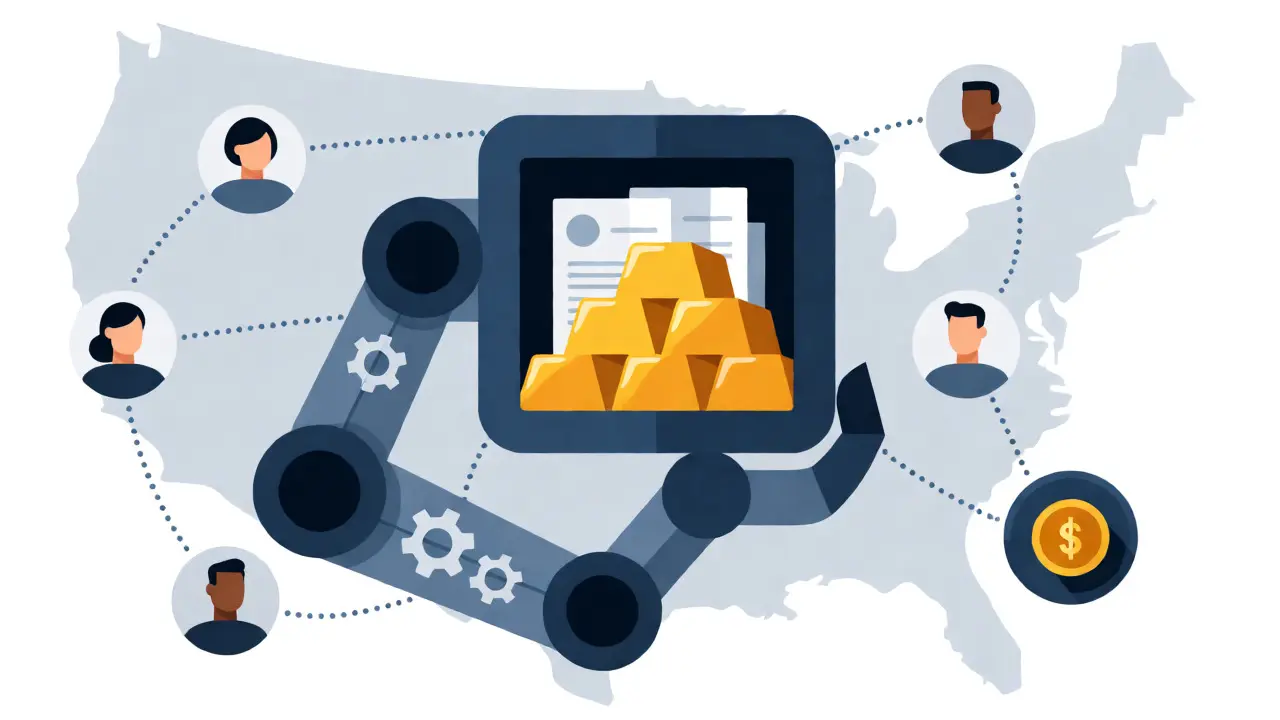
So, how do you build a structure that holds up in court? It starts with documentation. Smart contracts automate execution, but they don’t define legal rights. Your legal agreements must explicitly state that blockchain records serve as evidence of title or beneficial interest.
- Custody Agreements: Who holds the physical asset? Licensed custodians provide insurance and segregation, ensuring that if the issuer fails, the asset isn't swept into general liabilities.
- Trust Deeds: In many jurisdictions, trusts offer superior protection. The trustee holds the legal title for the benefit of token holders. This separates management from ownership, adding a layer of fiduciary duty.
- Transfer Restrictions: To stay compliant with securities laws, tokens often need built-in transfer restrictions (e.g., only tradable between verified wallets) to prevent unregistered resale.
A common pitfall is ignoring cross-border issues. If you sell to investors in Singapore, Germany, and New York, you face three different sets of tax and reporting rules. Using a jurisdiction-friendly hub like Switzerland or Singapore can simplify this, but you still owe taxes where your investors live.
The Cost of Getting It Right
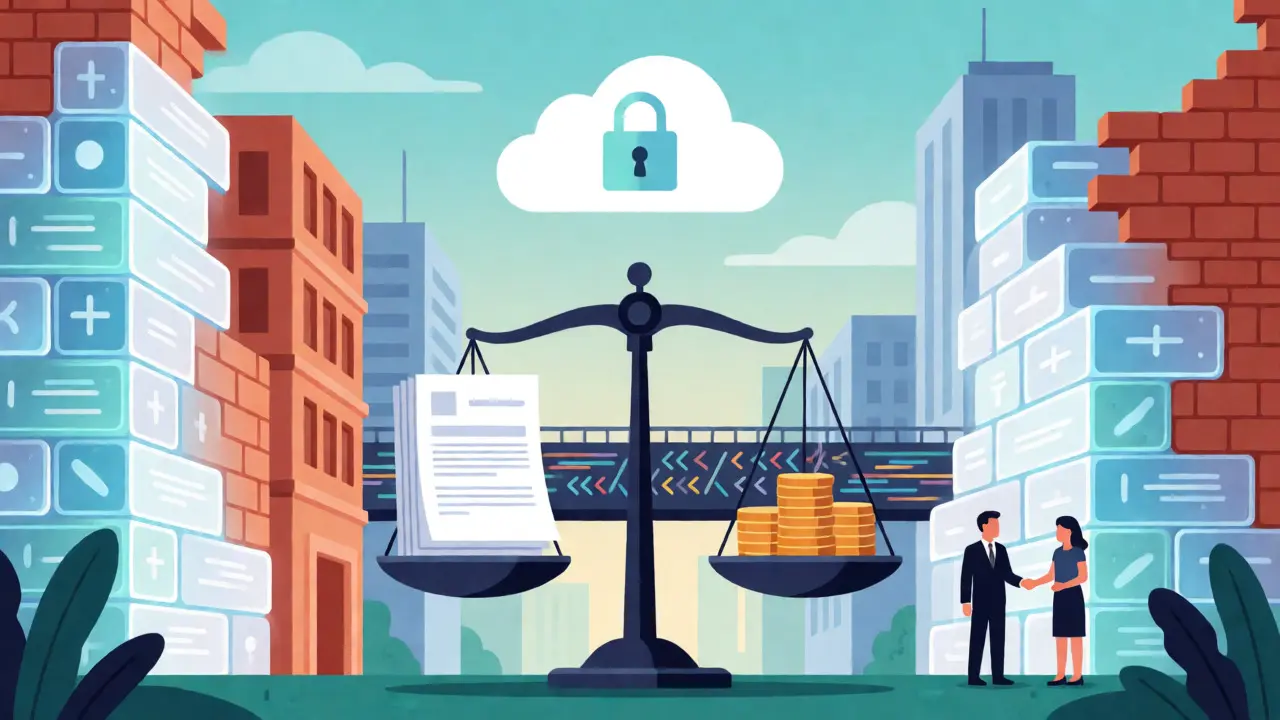
Let’s talk numbers. Proper legal structuring isn't cheap, but it’s cheaper than litigation. According to industry surveys, successful RWA projects spend 25-35% of their initial development budget on legal fees. For a complex asset like commercial real estate, comprehensive legal opinions and structuring can cost between $50,000 and $250,000.
Why so high? Lawyers need to conduct due diligence on the underlying asset, draft bespoke contracts, and navigate licensing requirements. They also need to ensure compliance with anti-money laundering (AML) laws. In the EU, the Transfer of Funds Regulation mandates that originator and beneficiary information accompanies crypto transfers. This "Travel Rule" requires robust KYC infrastructure, which adds operational costs but protects against illicit finance.
Is it worth it? Consider that properly structured RWA tokenization can reduce transaction costs by 30-50% compared to traditional asset management. More importantly, it unlocks liquidity. An illiquid private credit fund becomes tradeable 24/7. But this efficiency only materializes if the legal foundation is solid. If investors doubt the enforceability of their tokens, they won't buy them, regardless of the yield.
Future Trends and Risks
The regulatory landscape is evolving fast. The International Swaps and Derivatives Association (ISDA) is working on standardized legal documentation for RWA tokenization, which could drastically lower legal costs by providing off-the-shelf templates. Meanwhile, the EU’s Digital Operational Resilience Act (DORA), effective January 2025, will impose strict cybersecurity standards on these platforms, treating them as critical financial infrastructure.
Risks remain significant. Regulatory arbitrage-where projects jump to laxer jurisdictions-can lead to sudden crackdowns. Insolvency law is another gray area. If an SPV goes bust, do token holders get the asset back, or do they join the queue of creditors? Recent cases suggest that without explicit contractual language granting priority claims, you might end up last in line.
Despite these hurdles, institutional interest is surging. 68% of institutional investors say they would increase RWA exposure if regulations were clearer. As frameworks mature, we’re moving from experimental pilots to standard asset classes. The key takeaway? Don’t let the tech outpace the law. Build the legal wrapper first, then write the code.
What is the main difference between on-chain and off-chain RWA structures?
On-chain structures record all legal data and ownership details directly on the blockchain, requiring statutory recognition of the ledger as a valid registry. Off-chain structures keep the primary legal title in traditional systems (like land registries) while using tokens as digital representations or keys to access those rights. Most current projects use hybrid or off-chain models to leverage existing legal certainty.
Do I need a lawyer to launch an RWA token project?
Yes, absolutely. Legal counsel is essential to determine if your token is classified as a security, to structure the Special Purpose Vehicle (SPV) correctly, and to ensure compliance with AML/KYC laws. Skipping this step often leads to regulatory fines or loss of investor confidence.
How does MiCA affect RWA tokenization in Europe?
MiCA provides a unified regulatory framework for crypto-assets in the EU. For RWAs, it clarifies obligations for asset-referenced tokens and e-money tokens. It mandates transparency, reserve management, and consumer protection measures, offering greater legal certainty than the previous patchwork of national laws.
What happens if an RWA platform goes bankrupt?
It depends on the legal structure. If the asset is held in a segregated SPV or trust, token holders may have a direct claim on the asset. If the asset is commingled with the platform's other assets, token holders might be treated as unsecured creditors, meaning they recover funds only after secured lenders are paid, often resulting in significant losses.
Are RWA tokens considered securities?
Often, yes. Under the US Howey Test, if the token represents an investment in a common enterprise with an expectation of profit derived from the efforts of others, it is likely a security. Even in the EU, if the token functions like a share or bond, securities laws apply alongside MiCA.