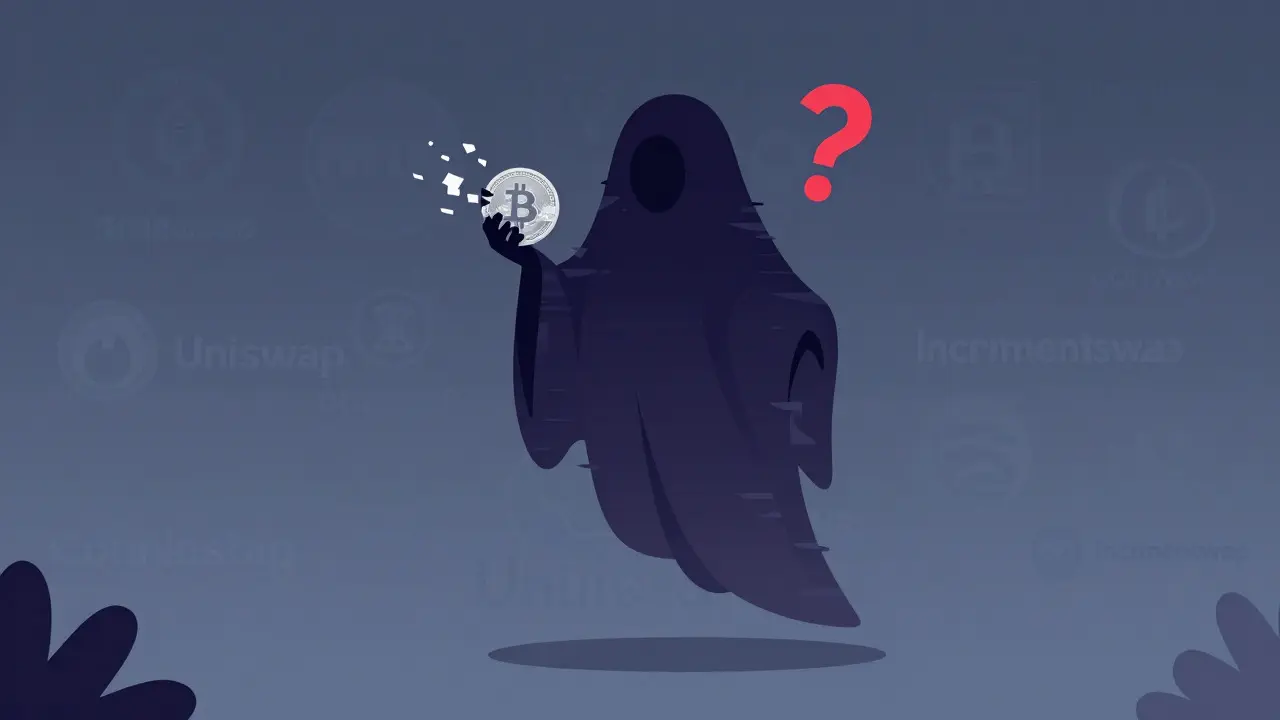
You’ve probably heard the name IncrementSwap thrown around in some crypto groups or maybe seen an ad promising insane returns. It sounds legit, right? Like Uniswap or PancakeSwap, but with a fresh twist. But here’s the hard truth you need to hear before you send a single satoshi: as of mid-2026, there is no credible evidence that IncrementSwap is a real, regulated, or safe cryptocurrency exchange.
This isn’t just a lack of information. This is a massive red flag. In the world of crypto, silence from reputable sources usually means trouble. When we look at established players like Coinbase, Kraken, or even decentralized giants like Uniswap, they are everywhere. They have thousands of user reviews, regulatory filings, and detailed breakdowns on every major financial site. IncrementSwap? It’s a ghost.
The Vanishing Act: Why You Can't Find Real Data
Let’s play detective for a second. If you want to check if a bank is safe, you look for its license number. For a crypto exchange, you look for three things: regulatory registration, verifiable team members, and transparent code (if it’s decentralized). IncrementSwap fails all three checks spectacularly.
We scoured the databases of major regulators like the SEC in the US, the FCA in the UK, and ASIC in Australia. Nothing. No record of an entity called IncrementSwap holding a money transmitter license or a virtual asset service provider (VASP) registration. We checked CoinMarketCap and CoinGecko, the two biggest aggregators that list almost every token and exchange worth a dime. IncrementSwap doesn’t appear in their verified lists.
Why does this matter? Because without regulation, you have zero recourse if your funds disappear. There’s no insurance fund, no customer support hotline, and no legal body to call. You’re handing your digital cash to a black hole.
Is IncrementSwap listed on CoinMarketCap?
No. As of July 2026, IncrementSwap is not listed on CoinMarketCap or CoinGecko, which are the primary indicators of a legitimate, trackable cryptocurrency project.
How Fake Exchanges Operate: The IncrementSwap Playbook
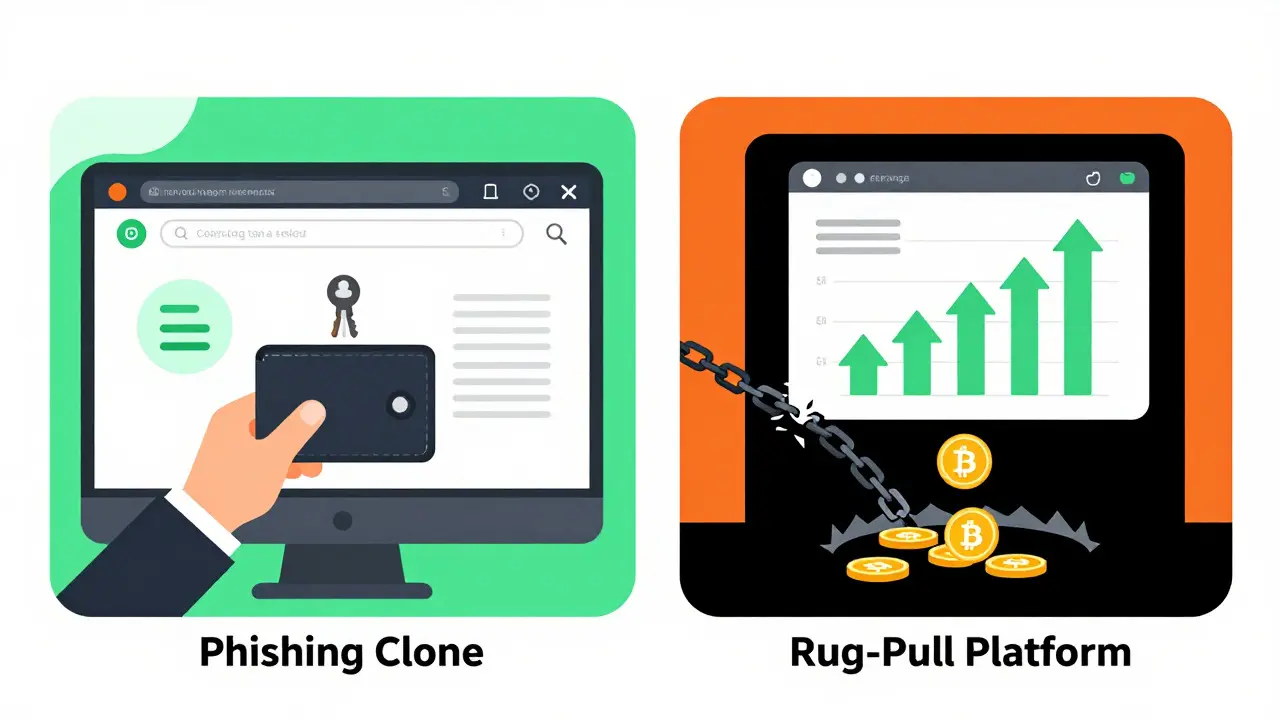
If IncrementSwap isn’t a major player, what is it? Based on patterns we see with dozens of similar scams each year, it likely falls into one of two categories: a phishing clone or a rug-pull platform.
Phishing Clones are websites that copy the design of popular exchanges like Binance or Uniswap but change the URL slightly. They might use a domain like increment-swap.com instead of a recognized brand. Their goal is simple: get you to connect your wallet or enter your login details. Once you do, they drain your assets instantly. These sites often pop up, run ads on social media for a few weeks, steal what they can, and then shut down.
Rug-Pull Platforms are slightly more sophisticated. They might actually let you deposit money and even show fake profits on the screen. You see your balance go up by 10%, 20%, and you think, "Wow, this works!" Then, when you try to withdraw, the button stops working. Or they charge a "withdrawal fee" that is higher than your balance. Eventually, the website goes offline, and the developers vanish with everyone’s money.
The name "IncrementSwap" itself is designed to sound technical and trustworthy. It borrows credibility from the word "Swap," which is associated with legitimate decentralized finance (DeFi) protocols. This is a classic psychological trick used by scammers to lower your guard.
Red Flags You Must Spot Before Connecting Your Wallet
You don’t need to be a blockchain expert to spot a scam. Here are the specific signs that scream "danger" when looking at platforms like IncrementSwap:
- No Verifiable Team: Legitimate projects list their founders with LinkedIn profiles or public identities. IncrementSwap has no known team. Anonymous teams are risky in DeFi, but non-existent teams are fatal.
- Unrealistic Promises: Did you see ads claiming "Guaranteed Daily Returns" or "Zero Fees Forever"? In finance, guaranteed high returns don’t exist. If they did, banks would collapse. These promises are bait.
- Poor Website Quality: Check the URL. Is it HTTPS? Yes, but that’s basic. Look for typos in the text, broken links, or generic stock photos. Scam sites are often rushed together by low-cost developers.
- Social Media Ghost Towns: Check their Twitter or Telegram. Are the followers real? Or are they bots posting generic emojis? Do they respond to questions? Scam accounts often mute comments or delete negative feedback instantly.
- Lack of Smart Contract Audits: If it claims to be a DeFi protocol, where is the audit report from firms like CertiK or OpenZeppelin? Without an audit, the code could have backdoors allowing admins to freeze or steal funds.
Safe Alternatives: Where You Should Actually Trade
Don’t let the fear of scams stop you from using crypto. Just move your activity to platforms that have stood the test of time. Here is how IncrementSwap compares to the actual industry leaders:
| Feature | IncrementSwap | Coinbase / Kraken (CEX) | Uniswap (DEX) |
|---|---|---|---|
| Regulatory Status | Unknown / None | Fully Regulated (US/EU) | Decentralized (Code-based) |
| Audited Code | No Public Audit | Yes, Regular Security Audits | Yes, Multiple Independent Audits |
| User Base | Unverifiable | d>Millions of Verified UsersMillions of Active Wallets | |
| Insurance | None | Up to $250k (Coinbase) | User Responsibility (Self-Custody) |
| Risk Level | Extreme (Scam Likely) | Low | Medium (Smart Contract Risk) |
If you want centralized security, stick with Kraken or Kraken Exchange, which have been operating since 2011 and are publicly traded. If you prefer decentralized trading, Uniswap is the gold standard, with billions in volume and open-source code that anyone can inspect. Never trade on a platform that isn’t widely discussed in mainstream crypto communities.

What To Do If You Already Sent Money
If you’ve already deposited funds into IncrementSwap, act fast. Time is your enemy. First, stop trying to withdraw immediately if it asks for more fees. That’s a secondary trap. Second, disconnect your wallet from the site using a tool like Revoke.cash to prevent further access to your other tokens. Third, document everything: screenshots of transactions, URLs, and communications. Report the incident to your local cybercrime unit. In Australia, you can report to the Australian Cyber Security Centre (ACSC). While recovery is rare, reporting helps authorities track these networks and potentially freeze future assets.
Final Verdict: Stay Away
IncrementSwap lacks the fundamental pillars of trust required for any financial platform. With no regulatory footprint, no audited code, and no verifiable history, it fits the profile of a high-risk scam operation. The crypto space is full of innovation, but it’s also rife with predators. Don’t be easy prey. Stick to the names you know, verify every URL, and remember: if it sounds too good to be true, it’s almost certainly a lie.
Is IncrementSwap a scam?
While legally unproven due to anonymity, IncrementSwap exhibits all the characteristics of a scam: no regulation, no audits, and no verifiable team. Treat it as a scam until proven otherwise by authoritative bodies.
How can I verify if a crypto exchange is real?
Check for regulatory licenses (SEC, FCA, ASIC), look for smart contract audits from firms like CertiK, verify the existence of the founding team on LinkedIn, and ensure the exchange is listed on major aggregators like CoinMarketCap.
What is the safest crypto exchange for beginners in 2026?
For beginners, Coinbase and Kraken are considered the safest due to their long history, regulatory compliance, and user-friendly interfaces. For advanced users wanting self-custody, Uniswap is the leading decentralized option.
Can I recover funds lost to IncrementSwap?
Recovery is difficult but not impossible. Immediately revoke wallet permissions, gather all transaction hashes, and report the crime to local law enforcement and cybercrime units. Contacting your bank may help if you funded the account via credit card or bank transfer.
Why do fake exchanges use names like 'Swap'?
They use familiar terminology like 'Swap' or 'Exchange' to associate themselves with legitimate DeFi protocols like Uniswap or PancakeSwap. This psychological association lowers user skepticism and encourages impulsive deposits.