Imagine buying a tree-planting certificate from a remote forest in Brazil. You pay for it, you get a digital receipt, and you feel good about helping the planet. But what if that same certificate was sold to three other companies? What if the trees were never actually planted? For years, these risks plagued the voluntary carbon market. It was opaque, slow, and riddled with trust issues. That is changing fast. By moving carbon credit trading onto blockchain technology, we are turning messy paper trails into transparent, unchangeable digital records.
This isn't just a tech upgrade; it's a structural overhaul of how we value environmental impact. In 2024, the voluntary carbon market hit roughly $2 billion. Experts project this could grow to $1 trillion within fifteen years. The engine driving this growth? Tokenization. This process converts traditional carbon credits into digital tokens, making them easier to trade, verify, and retire. If you want to understand where green finance is heading, you need to look at the code behind the credits.
What Are Tokenized Carbon Credits?
To understand the revolution, you first need to grasp the basic unit of change: the tokenized carbon credit. Traditionally, a carbon credit represents one metric ton of carbon dioxide (CO2) removed or avoided. These credits live in centralized registries like Verra or Gold Standard. Buying and selling them involves lawyers, intermediaries, and weeks of waiting.
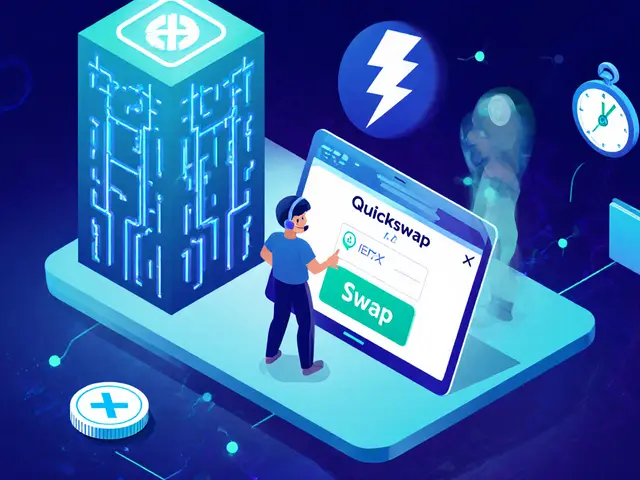
Tokenized carbon credits are the digital twins of these certificates. They exist on a blockchain-a decentralized ledger. When a credit is tokenized, it maintains a strict 1:1 correspondence with the original verified emission reduction certificate. Think of it like putting gold in a vault and getting a digital receipt that proves you own that specific bar of gold. The blockchain ensures that receipt cannot be forged or duplicated.
This shift brings two massive advantages. First, liquidity. Because these tokens follow standard formats like ERC-20 or ERC-721 on networks like Ethereum, they can be traded instantly on global exchanges. Second, fractionation. You don't need to buy an entire forest project for millions of dollars. You can buy a fraction of a single credit, allowing smaller businesses and even individuals to participate in climate action.
The Mechanics: How Tokenization Works Step-by-Step
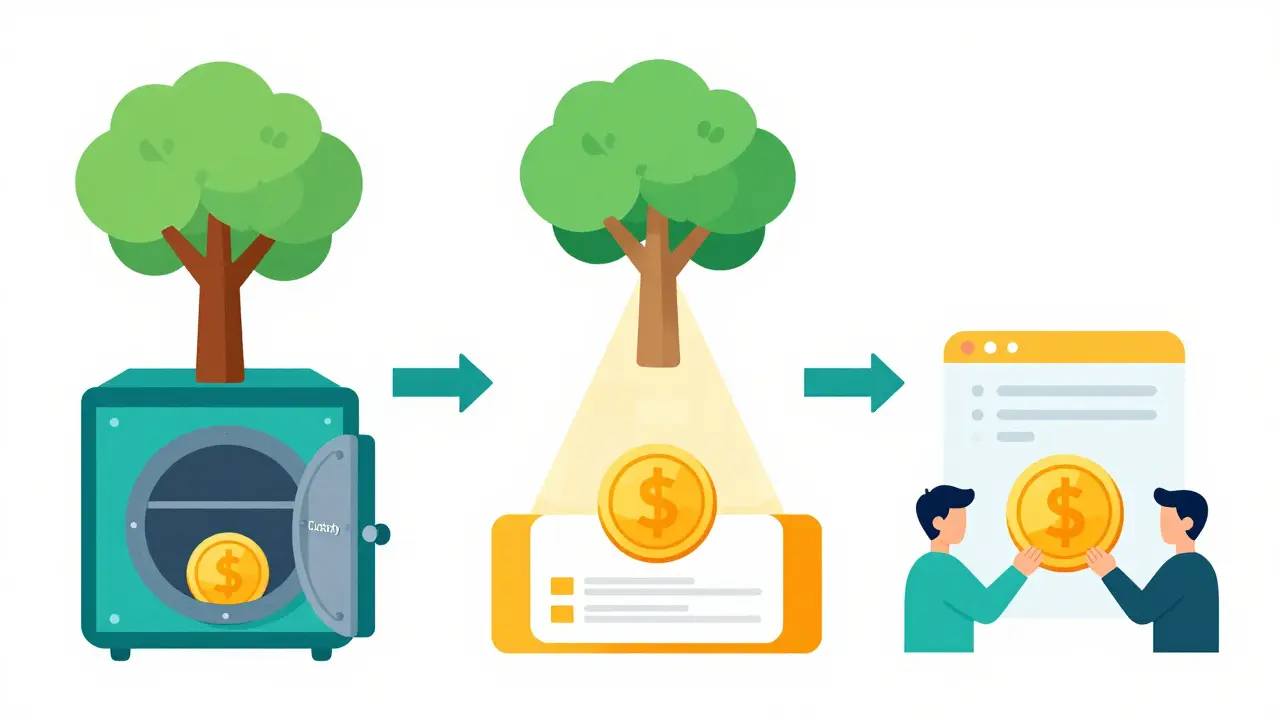
The process might sound complex, but it boils down to three clear steps managed by bridging platforms. These platforms act as the secure link between the old world of paper registries and the new world of blockchain.
- Custody and Verification: Real carbon credits are moved from registries like Verra into custodial accounts controlled by trusted bridging platforms such as Toucan Protocol or Flowcarbon. These platforms act as digital vaults. They ensure the underlying credits are authentic and haven't been double-counted.
- Minting Tokens: Once the credits are secured, the platform mints corresponding blockchain tokens. Most commonly, this happens on the Ethereum blockchain due to its robust smart contract capabilities. However, networks like Polygon and Base are also gaining traction for their lower transaction fees. Each token carries metadata linking back to the original registry data, including the project type, vintage year, and unique serial numbers.
- Trading and Retirement: Investors can now trade these tokens freely. When a company wants to "retire" a credit-meaning they use it to offset their own emissions-they trigger a smart contract. This automated code simultaneously burns the token and updates the original registry, ensuring the credit is permanently removed from circulation. No paperwork, no delays.
Key Players in the Blockchain Carbon Space
The ecosystem is crowded with innovators, each taking a slightly different approach. Understanding who does what helps you navigate the market.
| Platform | Primary Function | Key Feature |
|---|---|---|
| Toucan Protocol | Bridging Platform | Issues Basic Carbon Tonnes (BCT), acting as a standardized pool for various credits. |
| KlimaDAO | Decentralized Autonomous Organization (DAO) | Operates a carbon-backed currency (KLIMA) fully backed by BCT reserves. |
| EcoRegistry | Marketplace & Registry | Focuses on direct integration with high-quality registries for seamless retirement. |
| Carbonmark | Infrastructure Provider | Provides tools for issuers to tokenize and manage credits across multiple chains. |
KlimaDAO deserves special mention. Launched in late 2021 with backing from high-profile investors like Mark Cuban, it represents one of the most ambitious experiments in the space. It functions not just as a trading platform, but as a monetary system where the native token is backed by real carbon assets. This model aims to create price stability and incentivize long-term holding of carbon offsets rather than speculative trading.
Why Blockchain Solves Old Problems
The traditional carbon market has suffered from three chronic diseases: lack of transparency, fragmentation, and inefficiency. Blockchain offers a cure for all three.
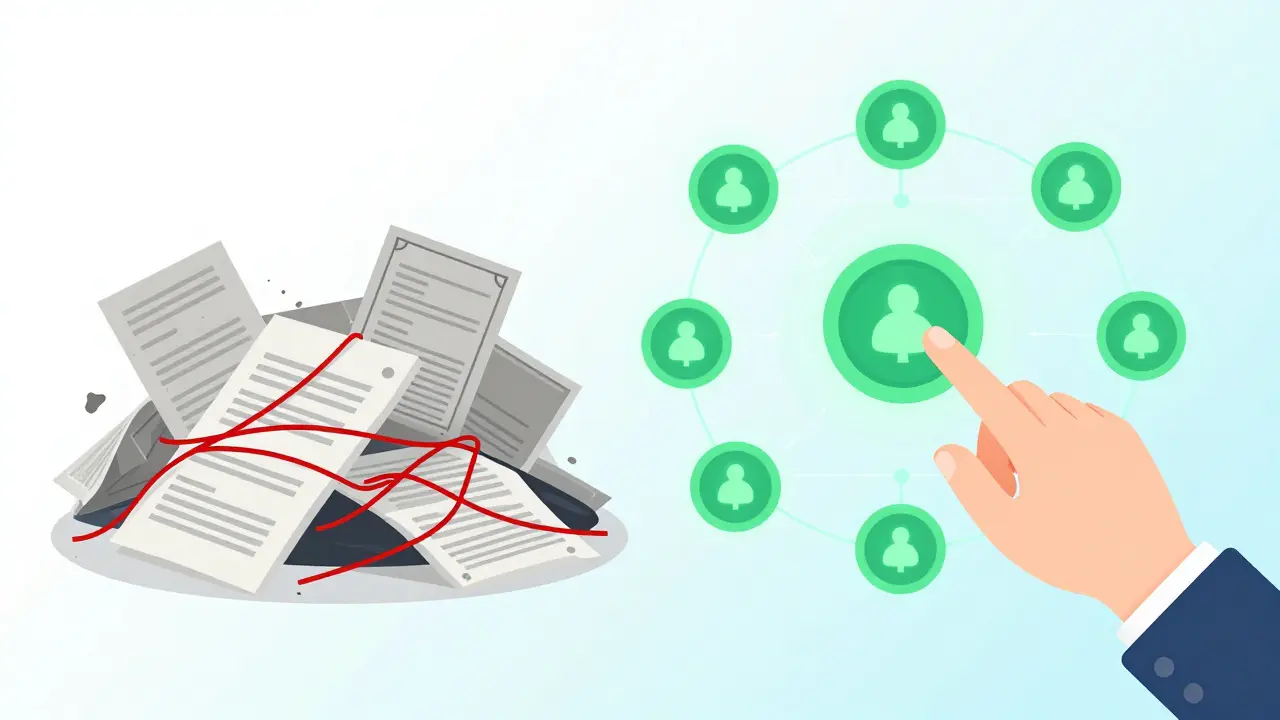
First, consider double counting. In the past, a single credit could theoretically be claimed by multiple parties if records weren't perfectly synchronized. Blockchain ledgers are immutable. Once a transaction is recorded, it cannot be altered. This creates a single source of truth that everyone can audit in real-time.
Second, there is the issue of fragmentation. Before, you had to check dozens of different registries to find credits. Now, APIs allow corporate buyers to access and retire credits instantly across platforms. This interoperability reduces administrative overhead significantly. According to PwC's Tokenization Report, this efficiency is critical for scaling the market to billions in annual volume while maintaining integrity.
Third, pricing transparency. Historically, carbon credit prices were hidden in private deals. On-chain trading provides public, real-time market data. This helps establish fair market values and prevents price manipulation.
The Risks: Quality Over Quantity
However, blockchain is not a magic wand. It can only guarantee the authenticity of the digital record, not the quality of the physical project behind it. This distinction became painfully clear during the collapse of KlimaDAO's value in 2023.
The incident involved 670,000 Verified Carbon Units (VCUs) from a hydrofluorocarbon (HFC23) decomposition project in Yingpeng, China. HFC23 is a potent greenhouse gas, and destroying it generates huge amounts of carbon credits. However, critics argued these credits were "junk" because the plants were built specifically to produce HFC23 just to destroy it and claim credits, rather than reducing actual industrial emissions. When the market realized the poor quality of these underlying assets, the value of the tokenized credits plummeted.
This event taught the industry a harsh lesson: garbage in, garbage out. Even if the blockchain says a credit is valid, if the underlying environmental benefit is questionable, the token has no real value. This highlights the need for rigorous quality standards and attribute verification beyond just the digital ledger.
Future Outlook: Beyond Offsetting
Where do we go from here? The focus is shifting from mere trading to maximizing impact. Industry leaders at Gold Standard emphasize that tokenization should enable full transparency of credit attributes. This means buyers can see exactly what kind of project they are supporting.
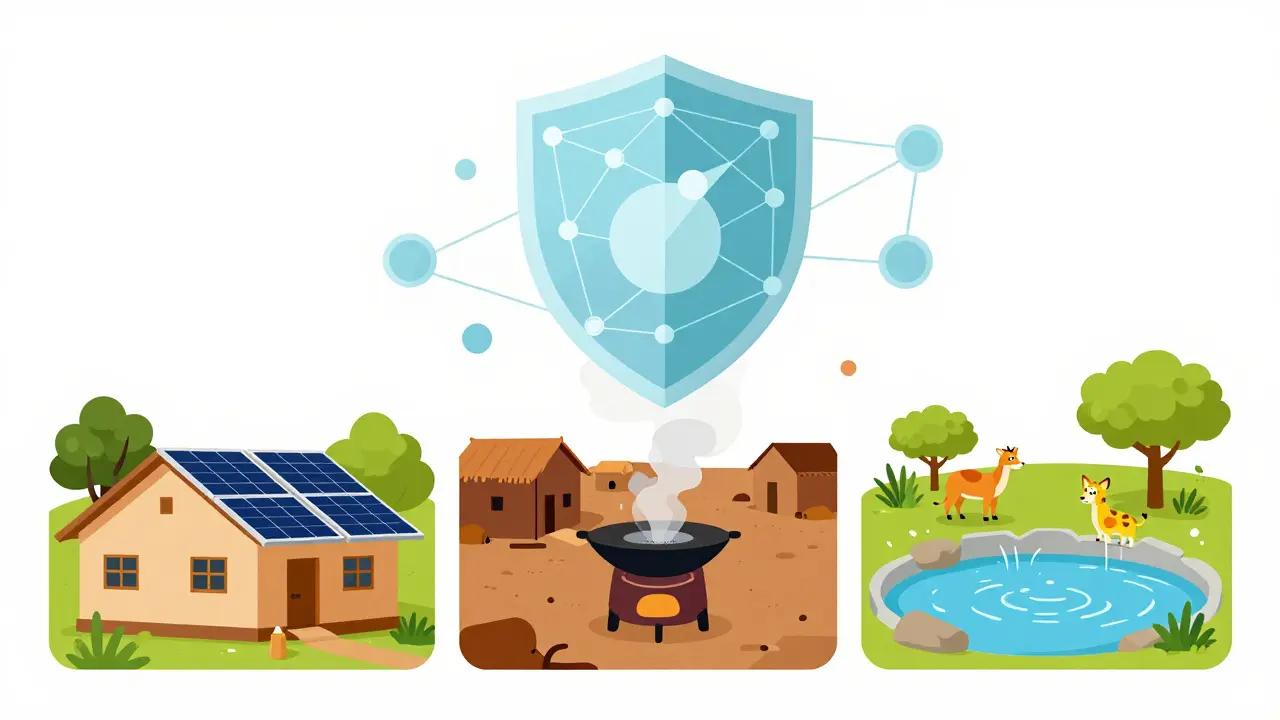
We are seeing a rise in demand for "high-integrity" credits. These are projects that deliver benefits beyond just carbon removal. Think off-grid renewable energy in rural Africa, clean cooking solutions that reduce indoor air pollution, or water access projects that protect local biodiversity. Blockchain allows these complex benefits to be tracked and verified alongside carbon metrics.
As we move toward 2026 and beyond, expect tighter integration between traditional regulators and blockchain protocols. Standards bodies are actively exploring frameworks that preserve environmental integrity while embracing technological innovation. The goal is a system where every dollar spent on carbon credits translates directly into measurable, verifiable climate action.
Is carbon credit trading on blockchain legal?
Yes, but regulations vary by jurisdiction. In many regions, tokenized carbon credits are treated as digital representations of existing financial instruments. However, because they involve blockchain, they may also fall under securities or cryptocurrency laws depending on how they are structured and sold. Always consult local financial regulations before participating.
Can I buy carbon credits without technical knowledge?
Absolutely. While the backend uses complex blockchain technology, user interfaces on platforms like Toucan or EcoRegistry are designed for ease of use. You typically connect a digital wallet, browse available credits, and complete the purchase much like buying any other digital asset. The complexity is handled by the smart contracts in the background.
What happened to KlimaDAO?
KlimaDAO experienced a significant loss of value after it was revealed that a large portion of its reserve consisted of low-quality carbon credits from a controversial HFC23 project. This highlighted the risk of relying solely on blockchain verification without assessing the environmental integrity of the underlying projects. The incident served as a wake-up call for the entire industry regarding quality control.
How does blockchain prevent double counting?
Blockchain uses an immutable ledger where every transaction is recorded chronologically and linked to the previous one. When a carbon credit is retired, the smart contract marks it as used and removes it from circulation. Since the ledger is decentralized and transparent, anyone can verify that a credit has not been sold or retired twice, eliminating the possibility of double counting.
Are tokenized carbon credits worth more than traditional ones?
Not necessarily. The value depends on the quality of the underlying project, not just the format. However, tokenized credits often offer better liquidity and transparency, which can make them more attractive to certain buyers. High-integrity projects with verified additional benefits may command premium prices regardless of whether they are tokenized or not.