Remember the rush of free crypto? For many in the Kusama ecosystem, that memory is tied to Genshiro. It was supposed to be the next big thing in decentralized finance. But if you held onto those tokens from the early airdrops, you might have noticed your portfolio looking a bit... quiet. The story of the Genshiro airdrop isn't just about free money; it's a case study in how technical ambition meets market reality.
You clicked here because you want to know what happened to the GENS token, whether there are more drops coming, or perhaps you're digging through old wallets and wondering if that dust is worth sweeping up. We’re going to break down exactly how the distribution worked, where the value went, and what the project’s future holds as we move deeper into 2026.
The Anatomy of the Genshiro Airdrop Campaigns
Unlike some projects that spray tokens randomly, Equilibrium-the team behind Genshiro-ran structured campaigns. The most notable one happened on MEXC in January 2022. This wasn't a "hold and wait" situation. You had to vote.
Here is how it actually worked:
- Voting Mechanism: Participants used MX tokens to vote for Genshiro. This locked your MX tokens temporarily.
- Reward Pool: There were 885,000 GENS tokens up for grabs.
- Reference Price: At the time, GENS was valued at $0.063 per token.
- Total Value: That pool was worth roughly $55,755 back then.
There was also a massive distribution on Gate.io via their Startup Free Offering. They handed out over 1.2 million GENS tokens for free. These weren't small drips; they were significant chunks of supply designed to bootstrap community engagement on major exchanges.
What Is Genshiro Actually Doing?
If you look past the price chart, the tech is genuinely interesting. Genshiro isn't just another Ethereum clone. It operates on Kusama, which is Polkadot’s canary network. Think of Kusama as the wild west version of Polkadot-faster, riskier, but great for testing new ideas before they hit the main stage.
Genshiro aims to be a one-stop shop for DeFi. Instead of hopping between five different apps to lend, borrow, and trade, you do it all in one place. The architecture relies on eight core components, including cross-chain interoperability and integrated oracle systems. In plain English? It tries to let you move assets between blockchains easily and get accurate price data without relying on a single source.
The project uses a DAO structure for governance. This means token holders theoretically steer the ship. However, as we'll see later, holding the steering wheel doesn't matter much if the car has run out of gas.
The Price Crash: From The Price Crash: From $0.063 to Pennies
.063 to Pennies
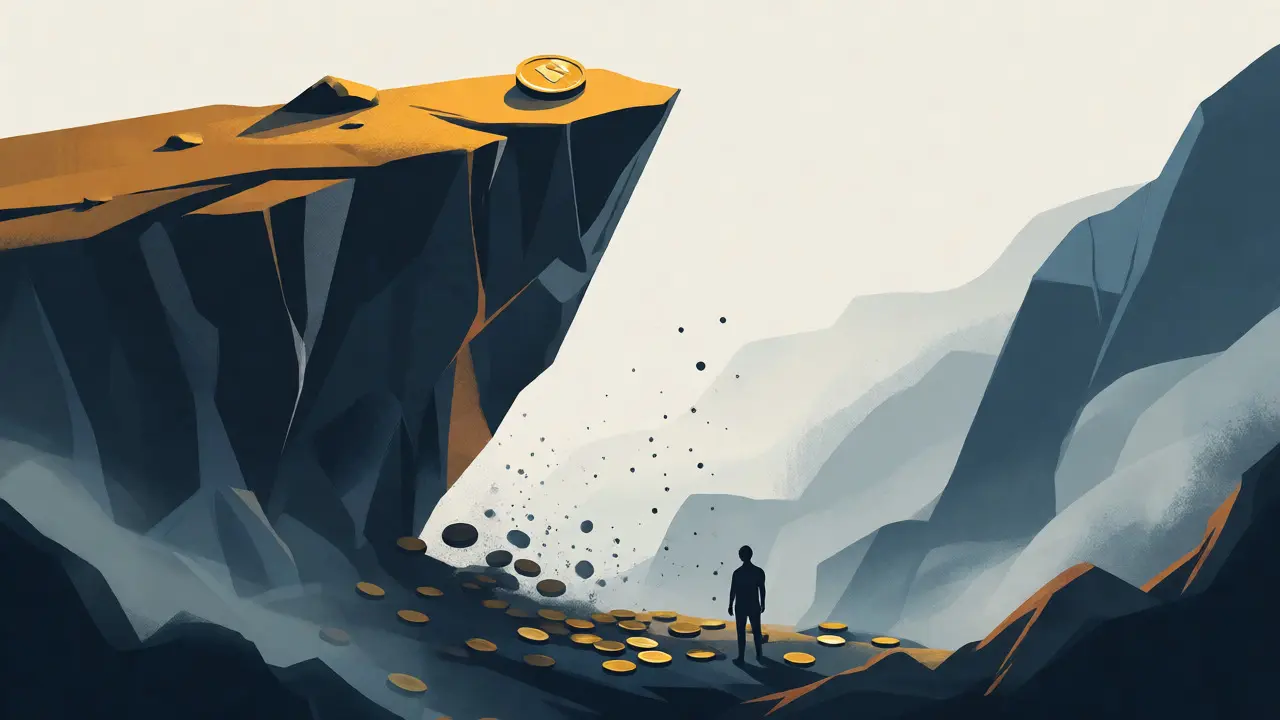
Let’s talk numbers, because this is where it hurts. If you grabbed GENS during the MEXC airdrop when it was priced at $0.063, you were riding high. Fast forward to late 2025, and the price sat around $0.00001301. That is a decline of approximately 99.98%.
| Metric | January 2022 (Airdrop Era) | Late 2025 / Early 2026 Context | Change |
|---|---|---|---|
| Token Price | $0.063 | ~$0.00001301 | -99.98% |
| Airdrop Pool Value (MEXC) | ~$55,755 | N/A (Historical) | N/A |
| Ecosystem Focus | Kusama Canary Network | Cross-chain DeFi & Risk Management | Pivot to Utility |
Why did it drop so hard? It’s not just one reason. The broader crypto market cooled off significantly after the 2021 bull run. But specifically for Kusama-based projects, liquidity dried up. Many users flocked back to Ethereum or newer Layer 2 solutions like Arbitrum and Optimism, leaving Kusama protocols struggling for attention. Genshiro’s technical advantages didn’t translate into sustained user adoption fast enough to counter the sell pressure from airdrop recipients cashing out immediately.
Is There Hope? The Roadmap Through 2030
Despite the price action, the team hasn’t thrown in the towel. Their roadmap extends through 2030, with specific milestones aimed at fixing the adoption problem. The current focus for 2025-2026 is heavily weighted toward enhancing cross-chain interoperability and launching new DeFi products. They aren't trying to compete with Uniswap on volume; they’re trying to offer better risk management tools for sophisticated traders.
For 2027, they plan to introduce innovative staking and yield farming opportunities. The idea is to incentivize long-term holding rather than quick flips. If they can build a product that solves a real pain point-like complex hedging strategies across chains-they might find a niche audience willing to stick around.
But let’s be realistic. The market doesn’t care about your roadmap if the tokenomics don’t make sense. With a supply that was heavily diluted by airdrops, every new dollar of investment has to work overtime to move the price needle.

Should You Hold or Sell Your Genshiro Dust?
This depends entirely on your strategy. Are you a speculator chasing moonshots, or an investor looking for utility?
If you hold GENS from the airdrops, you are essentially holding a lottery ticket with very low odds. The probability of returning to $0.063 is slim unless there is a massive resurgence in the Kusama ecosystem. However, if you believe in the cross-chain narrative, Genshiro remains one of the few protocols attempting deep integration within the Polkadot/Kusama stack.
Here is a quick decision framework:
- Sell if: You need capital for other opportunities, you’ve lost interest in Kusama, or the transaction fees cost more than the token value.
- Hold if: You believe in the long-term vision of multi-chain DeFi, you are already active in the Polkadot ecosystem, and you don’t mind waiting years for potential upside.
Future Airdrops: Will They Happen?
Will there be another Genshiro airdrop? Possibly. Projects often use airdrops to reactivate dormant communities. If Genshiro launches its new risk management features in 2026, they might reward early testers with fresh tokens. However, given the history, any new distribution will likely be smaller and more targeted.
Keep an eye on official channels for announcements regarding "testnet participation" or "bug bounties." These are modern ways to earn tokens without needing to buy MX tokens to vote. It’s less about luck and more about contribution.
How much was the original Genshiro airdrop worth?
The largest documented airdrop on MEXC in January 2022 had a total value of approximately $55,755 based on a reference price of $0.063 per GENS token. Individual payouts varied based on voting power and participation levels.
Why did Genshiro (GENS) lose so much value?
The decline of ~99.98% resulted from a combination of the broader crypto bear market, reduced liquidity in the Kusama ecosystem, and heavy sell pressure from airdrop recipients who dumped tokens shortly after distribution. Technical advancements did not translate quickly enough into mass adoption.
Can I still participate in Genshiro airdrops today?
Past airdrops are closed. Future rewards may come through testnet participation, bug bounties, or new exchange listings as part of their 2025-2030 roadmap execution. Check official Genshiro social media channels for real-time updates.
What is the difference between Genshiro and Equilibrium?
Equilibrium is the parent company and developer entity. Genshiro is the decentralized finance (DeFi) platform built on the Kusama network by the Equilibrium team. Think of Equilibrium as the architect and Genshiro as the building.
Is Genshiro dead?
No, the project is still under active development according to its published roadmap. However, trading volume and market cap remain low compared to its peak. It continues to operate on the Kusama network with ongoing updates focused on cross-chain functionality.