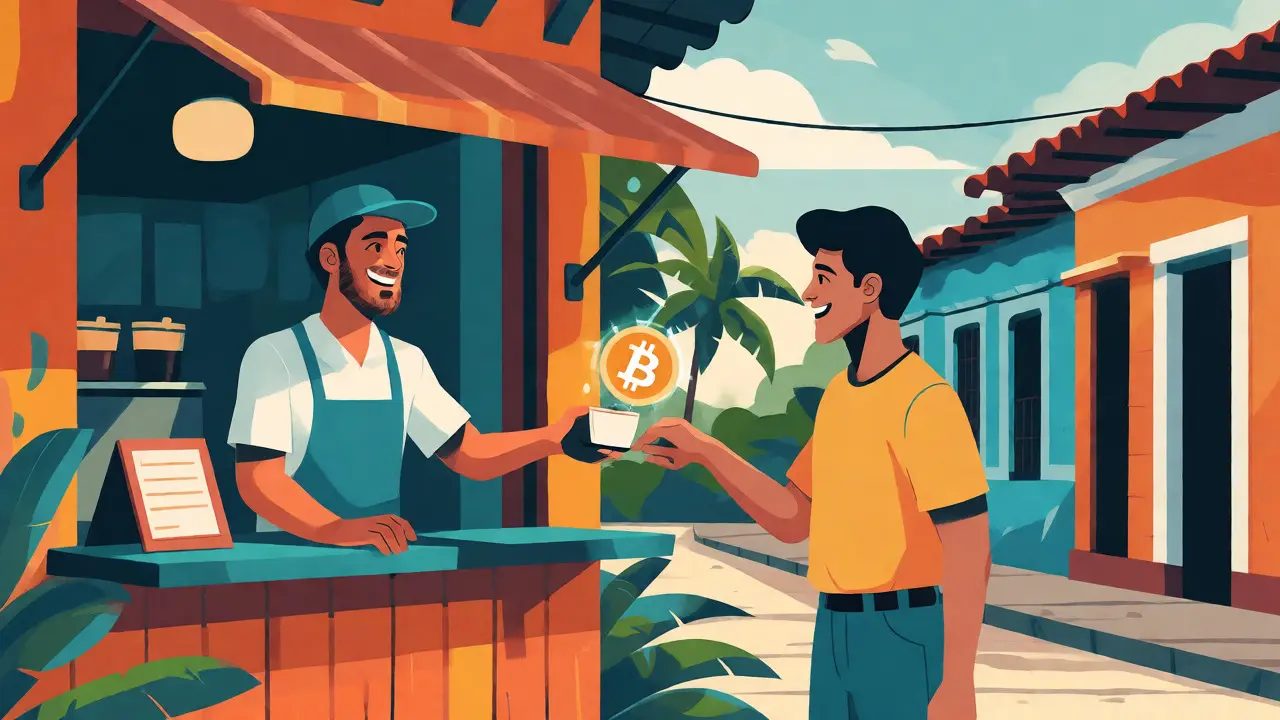
Imagine buying a coffee with Bitcoin and paying zero tax on the profit you made when that coffee’s price doubled. For most of the world, this is a tax nightmare. But in El Salvador, it’s just Tuesday. Since September 2021, this Central American nation has been the global outlier, stripping away capital gains tax on Bitcoin transactions. If you’re holding BTC or running a crypto business, understanding why El Salvador remains a tax haven despite recent economic shifts is crucial for your portfolio strategy in 2026.
The Core Policy: Zero Tax on Bitcoin Profits
At the heart of El Salvador’s appeal is a straightforward rule: if you make money trading Bitcoin, the government doesn’t take a cut from those profits as capital gains. This isn’t a vague promise; it’s embedded in the country’s Digital Assets law. When President Nayib Bukele first declared Bitcoin legal tender, he wasn’t just making a political statement. He was creating a specific legal framework where Bitcoin is treated differently than stocks or real estate.
For individual investors, this means no tax liability on the appreciation of your Bitcoin holdings when you spend them or exchange them within the country. The exemption applies broadly, but there are nuances for foreign investors. Those who invest over three Bitcoin (₿3) into the local economy can qualify for complete capital gains tax exemptions. This threshold acts as a filter, encouraging serious international capital to flow into the region rather than just speculative day-trading.
Who Oversees This? Meet the CNAD
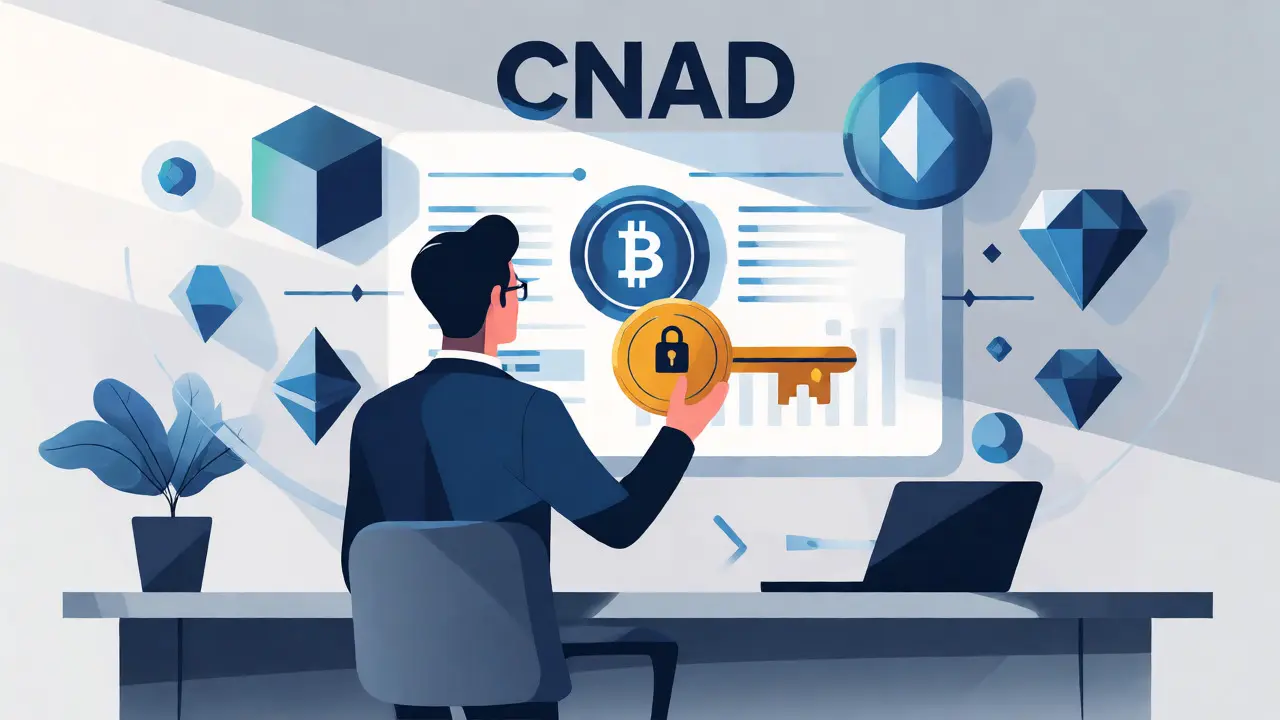
You might wonder who ensures this system doesn’t turn into the Wild West. Enter the National Commission of Digital Assets (CNAD). This body is the primary regulatory authority for all things crypto in El Salvador. They don’t just watch; they issue licenses and enforce compliance.
The CNAD manages two distinct types of licenses, which matter significantly if you’re planning to operate a business here:
- Bitcoin Service Provider (BSP): This license is strictly for companies dealing exclusively with Bitcoin. Think payment processors, Bitcoin-only exchanges, and custodial wallets. If your platform only touches BTC, this is your ticket.
- Digital Asset Service Provider (DASP): This covers everything else. Handling Ethereum? NFTs? Token issuance? You need a DASP license. It also includes non-Bitcoin exchanges and investment services related to other digital assets.
Getting licensed isn’t optional if you want to operate legally. The CNAD requires strict adherence to Anti-Money Laundering (AML) and Know Your Customer (KYC) protocols. Just because you pay no capital gains tax doesn’t mean you skip the paperwork. You still need clear records and annual financial statements submitted to both the CNAD and the Ministry of Finance.
The IMF Deal: Did Things Change?
In December 2024, headlines screamed that El Salvador’s Bitcoin experiment was over. Why? Because the country signed a $1.4 billion loan agreement with the International Monetary Fund (IMF). Critics claimed this would kill the tax benefits. Here is the reality check: the core capital gains tax exemption survived.
What did change? The IMF required El Salvador to tweak its approach to be more fiscally conservative. The government stopped mandatory acceptance of Bitcoin by merchants (it’s now voluntary), paused state-sponsored purchases of Bitcoin for reserves, and wound down the aggressive promotion of the Chivo wallet. Tax payments in Bitcoin were also discontinued. However, the fundamental advantage for traders and investors-the lack of capital gains tax on Bitcoin-remained intact. As of early 2025 amendments, the tax holiday for Bitcoin profits stands firm.
How El Salvador Compares to Other Crypto Havens
El Salvador isn’t alone in offering low or zero taxes on crypto, but its approach is unique because it combines legal tender status with specific Bitcoin-focused exemptions. Let’s look at how it stacks up against other popular jurisdictions in 2026.
| Jurisdiction | Capital Gains Tax | Key Condition | Regulatory Body |
|---|---|---|---|
| El Salvador | 0% on Bitcoin | Legal Tender Status; Foreign investors >₿3 get full exemption | CNAD |
| Germany | 0% after 1 year | Holding period must exceed 12 months | BaFin |
| Portugal | 0% for long-term | NHR program benefits for expats; varies by activity | AT |
| UAE | 0% | No income or corporate tax on crypto across emirates | VARA / ADGM |
| Cayman Islands | 0% | No income, capital gains, or corporate tax | CIMA |
Notice the difference? Germany requires you to wait a year. Portugal has complex residency rules. The Cayman Islands and UAE offer broad zero-tax environments but lack the specific "legal tender" infrastructure for Bitcoin that El Salvador provides. El Salvador’s edge is its integration of Bitcoin into the daily economy, even if adoption rates have fluctuated.
Reality Check: Adoption vs. Policy
Here’s the part often glossed over in marketing brochures: actual usage. According to data from the Instituto Universitario de Opinión Pública (Iudop) at UCA, domestic adoption of Bitcoin among Salvadorans has declined since the initial hype. Usage dropped from roughly 25% in 2021 to under 9% by 2024. Most locals still prefer US Dollars for daily transactions.
So, why does the tax policy matter? It matters primarily for two groups: international investors and crypto-native businesses. For the average tourist or expat looking to park wealth without tax drag, El Salvador offers a compelling narrative. For businesses, the LEAD program offers additional perks, including exemptions from corporate income tax and municipal taxes for qualifying entities. If you generate earnings outside El Salvador, you generally pay no income tax on those foreign-sourced revenues, further sweetening the deal for global remote workers and digital nomads.

Practical Steps for Investors and Businesses
If you’re eyeing El Salvador for tax efficiency, here’s what you actually need to do. Don’t just buy a plane ticket and assume you’re set.
- Establish Residency Properly: Simply visiting isn’t enough. You need to establish tax residency. For foreigners investing over ₿3, ensure your documentation clearly reflects this investment volume to claim the specific exemption.
- Choose the Right License: If you’re starting a business, determine if you are BSP (Bitcoin only) or DASP (multi-asset). Apply through the CNAD portal. Expect rigorous KYC checks.
- Maintain Impeccable Records: Even though you pay zero capital gains tax, you must report activities. Keep detailed logs of every transaction. If audited, vague records will cost you more than the tax you saved.
- Understand VAT Nuances: While capital gains are exempt, Value Added Tax (VAT) may apply to certain goods and services sold in El Salvador, depending on current local laws. Consult a local accountant to separate crypto profits from service revenue.
Future Outlook: Will the Exemption Last?
Predicting politics is hard, but the structural incentives favor keeping the exemption. El Salvador has positioned itself as a brand. Reversing the tax-free status would undermine the very identity that attracted billions in potential future investment and tourism. The IMF deal forced fiscal discipline, not ideological surrender. The government continues to promote the "Bitcoin City" project, a planned urban area intended to be a complete tax haven with no taxes on income, property, or emissions. While construction timelines shift, the legislative intent remains clear: keep the doors open for crypto capital.
However, stay alert. Global pressure for crypto taxation harmonization is growing. Organizations like the OECD are pushing for minimum global tax standards. While El Salvador currently sits outside many of these traditional frameworks, long-term isolation becomes harder as major economies tighten their grip on cross-border asset flows.
Do I pay capital gains tax on Bitcoin in El Salvador?
No. El Salvador exempts Bitcoin transactions from capital gains tax. This applies to both residents and eligible foreign investors, particularly those investing over three Bitcoin in the country.
Does this exemption apply to other cryptocurrencies like Ethereum?
The primary legal tender status and specific tax exemptions are heavily focused on Bitcoin. Other digital assets fall under the broader Digital Asset Service Provider (DASP) framework. While general tax structures may offer benefits, the explicit "zero capital gains" headline is specifically tied to Bitcoin's legal tender status.
Did the IMF loan eliminate Bitcoin tax benefits?
No. The 2024 IMF agreement modified mandatory acceptance policies and state purchasing strategies, but it preserved the core capital gains tax exemption on Bitcoin for investors and traders.
What is the CNAD?
The National Commission of Digital Assets (CNAD) is the regulatory body in El Salvador responsible for overseeing cryptocurrency operations, issuing licenses (BSP and DASP), and ensuring compliance with AML/KYC laws.
Is El Salvador a good place for crypto businesses?
Yes, for specific models. Companies can benefit from exemptions on corporate income tax and municipal taxes under programs like LEAD. However, you must obtain proper licensing from the CNAD and maintain strict financial reporting.