Waiting for the CSHIP distribution can feel like staring at a loading bar that never moves. You’ve seen the teasers, maybe you even did some early engagement tasks, but the hard facts-when it drops, who gets it, and how much-are still fuzzy. That’s frustrating when you’re trying to decide if this is worth your time or just another hype cycle.
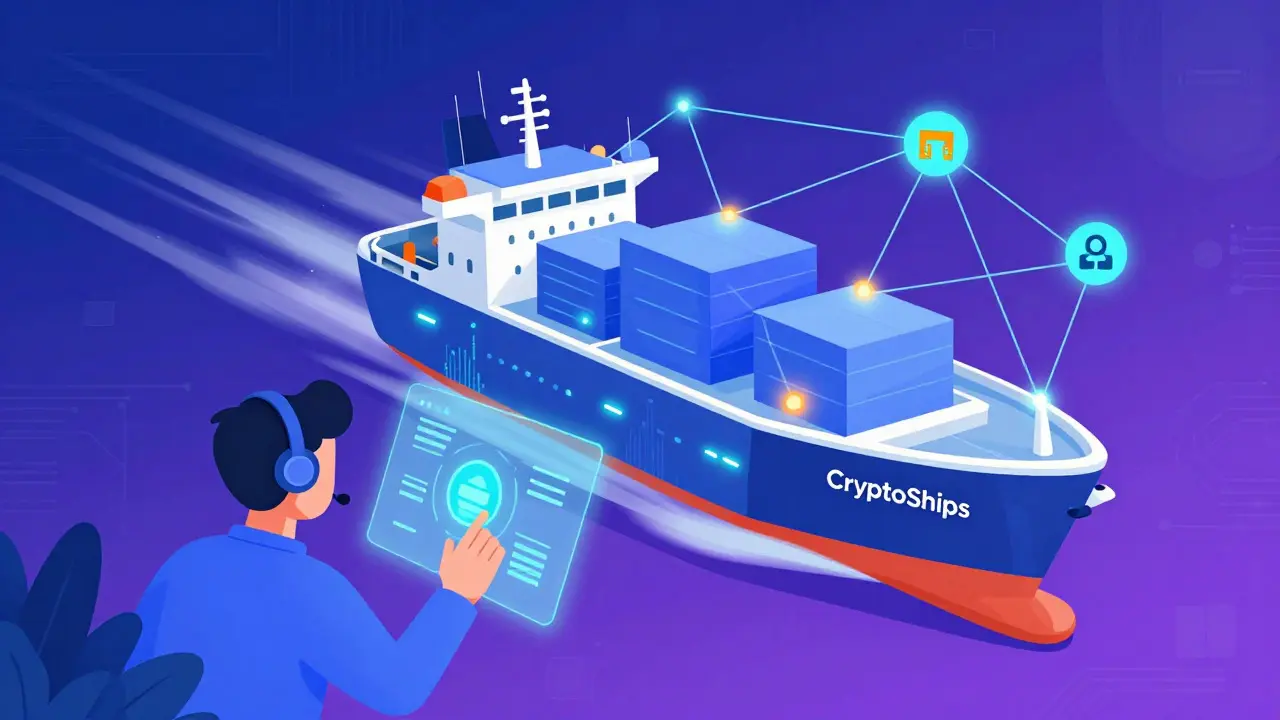
The reality is that CryptoShips is a project launching the CSHIP token through a campaign-based airdrop structure designed to reward early community participation and network activity. Unlike static snapshot-based distributions where you get tokens simply for holding an asset on a specific date, CryptoShips uses a dynamic model. This means your rewards are tied to actions you take during the campaign window. If you miss the window, you don’t get in. Here is what we know about the mechanics, eligibility, and the risks involved as of August 2026.
How the CSHIP Campaign Works
Most airdrops follow one of two paths: static snapshots or active quests. The CSHIP token utilizes a hybrid approach that prioritizes sustained engagement over one-time transactions. Instead of just checking your wallet balance on a random Tuesday, the campaign tracks specific behaviors across the CryptoShips ecosystem.
The core mechanism relies on three pillars:
- On-Chain Activity: Interacting with the CryptoShips dApp (decentralized application) to mint, trade, or stake assets.
- Social Verification: Completing verified tasks on platforms like X (formerly Twitter) or Discord to prove you are a real user, not a bot.
- Tiered Rewards: Points accumulate based on the frequency and value of your interactions. Higher tiers unlock larger allocations.
This structure aims to filter out 'airdrop farmers' who use multiple wallets to grab free tokens without actually using the product. By tying rewards to utility, CryptoShips hopes to ensure that initial holders have a genuine reason to stay in the ecosystem after the token lists.
Eligibility Requirements and Qualification Criteria
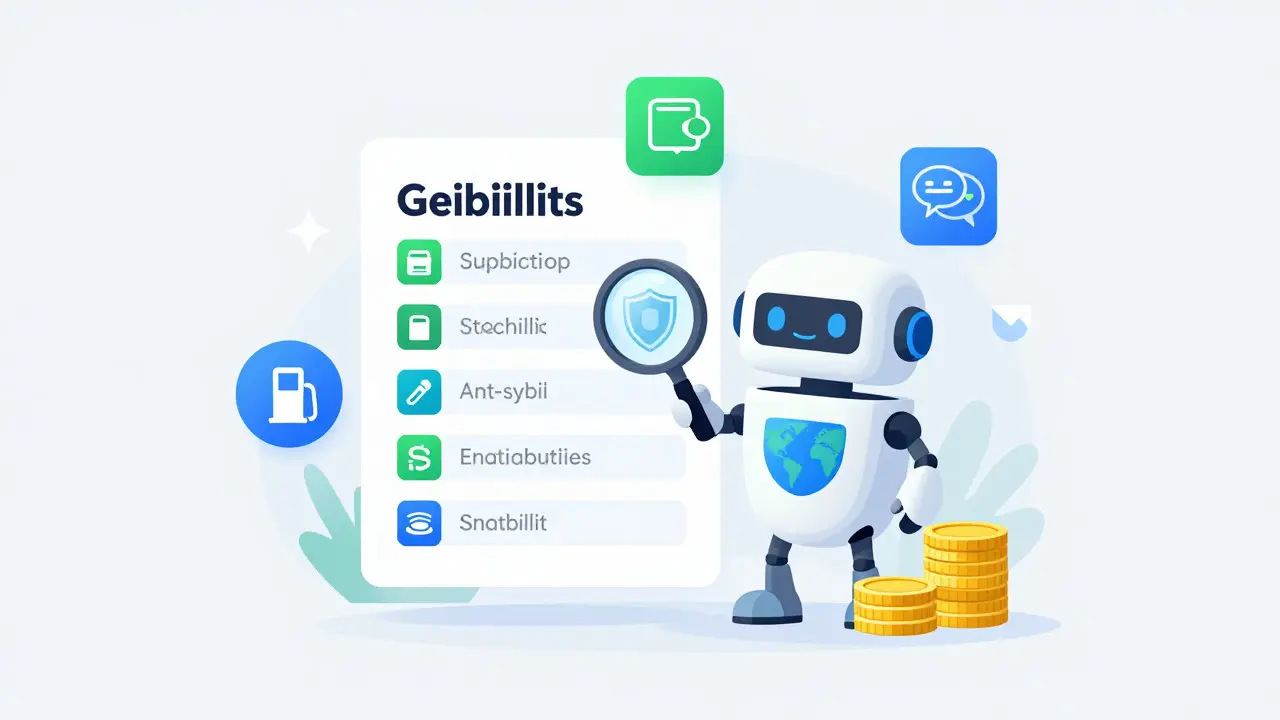
Not every wallet qualifies for the drop. To secure a spot in the CryptoShips airdrop distribution list requires meeting minimum threshold criteria set by the development team. Based on standard practices for similar mid-tier DeFi projects in 2026, here are the likely requirements:
- Active Wallet: Your wallet must have interacted with the CryptoShips contract at least once before the final snapshot date.
- Minimum Interaction Count: Most campaigns require a minimum of 3-5 distinct transactions to prevent dusting attacks.
- Geographic Restrictions: Depending on regulatory compliance, certain jurisdictions may be excluded from receiving USDT-denominated rewards or direct token transfers.
- No Sybil Detection: Wallets flagged for duplicate social accounts or identical transaction patterns may be blacklisted.
It is crucial to check the official CryptoShips documentation for the exact 'snapshot block number.' Missing this by even one block can mean zero allocation, regardless of how much you spent on gas fees earlier in the campaign.
Timeline: When Can You Expect CSHIP?
Predicting exact dates in crypto is tricky, but we can map out the typical lifecycle of a campaign-based airdrop. As of mid-August 2026, the project appears to be in the late-stage accumulation phase.
| Phase | Typical Duration | Status (Aug 2026) |
|---|---|---|
| Campaign Launch | 4-8 weeks | Completed |
| Point Accumulation | Ongoing until Snapshot | Final Weeks |
| Snapshot & Whitelist | 1-2 weeks | Upcoming |
| Token Generation Event (TGE) | Post-Whitelist | Anticipated Q3/Q4 2026 |
The 'Snapshot' is the most critical moment. Once the blockchain records the state of all eligible wallets, the points are locked in. After this, no more transactions count toward the airdrop. The Token Generation Event (TGE), where CSHIP becomes tradable, usually follows within 2-4 weeks of the snapshot to allow for exchange listings and liquidity provisioning.
Risks and Common Pitfalls to Avoid
Airdrops are free money, but they come with hidden costs. The biggest risk isn't losing principal capital (since you're not buying), but wasting gas fees and falling victim to scams.
Gas Fee Inflation: During high-activity periods, network congestion can spike gas prices. If you are interacting with Ethereum mainnet or L2 networks like Arbitrum or Base, monitor gas trackers. Sometimes, waiting 10 minutes for a lower fee saves you 50% of your cost. Calculate if the potential CSHIP reward outweighs the total gas spend. If you spend $50 in gas to potentially earn $20 in tokens, the math doesn't work.
Phishing Scams: The moment an airdrop goes viral, fake websites appear. Always verify the URL. Look for the official link pinned in the CryptoShips X account or their verified Discord channel. Never sign a blind transaction. Use tools like Pocket Universe or Etherscan to decode what a transaction does before hitting 'confirm.'
Tax Implications: Don't forget that airdrops are often taxable events in many jurisdictions, including Australia. Keep records of the fair market value of CSHIP on the day you receive it. The Australian Taxation Office (ATO) generally treats received crypto as assessable income at its market value at receipt.
Comparing CSHIP to Other 2026 Airdrops
To understand where CSHIP stands, it helps to compare it against other major campaigns from the last year. Different projects use different incentive structures, which impacts the effort-to-reward ratio.
| Project | Distribution Method | Primary Requirement | Typical Cost per User |
|---|---|---|---|
| Plume Network | Static Snapshot | Holding PLUME-linked assets | Low (Holding only) |
| Story Protocol | Quest-Based | NFT Minting + Social Tasks | Medium (Mint Fees) |
| CryptoShips (CSHIP) | Hybrid (Activity + Social) | dApp Interactions + Verification | Variable (Gas Dependent) |
Compared to Plume, which was largely passive, CSHIP requires more active management. However, compared to NFT-heavy quests like Story Protocol, CSHIP avoids the risk of illiquid NFT holdings. It sits in the middle ground: moderate effort, moderate risk, and potential for meaningful returns if the project gains traction post-launch.
Next Steps for Participants
If you want to maximize your chances, here is a practical checklist:
- Verify Your Wallet Address: Ensure your wallet has been whitelisted or has completed all required social verifications.
- Monitor Gas Prices: Schedule your final qualifying transactions during off-peak hours (usually weekends or late nights UTC).
- Check Official Channels Daily: Announcements regarding the snapshot block number will happen via X and Discord. Set notifications for these channels.
- Prepare for TGE: Have a small amount of stablecoins ready in case you want to buy additional CSHIP at launch, as early momentum often drives price action.
The CSHIP campaign is not just about getting free tokens; it's about testing the waters for a new ecosystem. If you execute cleanly, you position yourself for potential upside. If you rush, you might burn cash on gas for minimal return. Stay patient, verify everything, and keep your eyes on the official announcements.
Is the CSHIP airdrop guaranteed for all users?
No. Allocation depends on meeting specific point thresholds and passing anti-sybil checks. Low-activity wallets may receive zero tokens or be excluded entirely if they fall below the minimum interaction requirement.
What happens if I miss the snapshot date?
If your last qualifying transaction occurs after the snapshot block number, those transactions will not count toward the airdrop. Your previous points remain valid, but you cannot add more. You will receive the allocation based on your status at the exact moment of the snapshot.
Are there tax implications for receiving CSHIP in Australia?
Yes. In Australia, airdropped tokens are generally considered assessable income at their fair market value on the day of receipt. You should record the AUD value of the CSHIP tokens when they land in your wallet to calculate any potential capital gains tax later when you sell or swap them.
How do I verify if my wallet is eligible?
Once the whitelist is released, you can enter your wallet address into the official CryptoShips verification portal. Do not use third-party sites unless they are linked directly from the official project channels to avoid phishing risks.
Can I use a hardware wallet for claiming?
Yes, and it is recommended for security. Connect your hardware wallet (like Ledger or Trezor) via a browser extension to sign the claim transaction. This keeps your private keys offline while allowing you to interact with the smart contract safely.