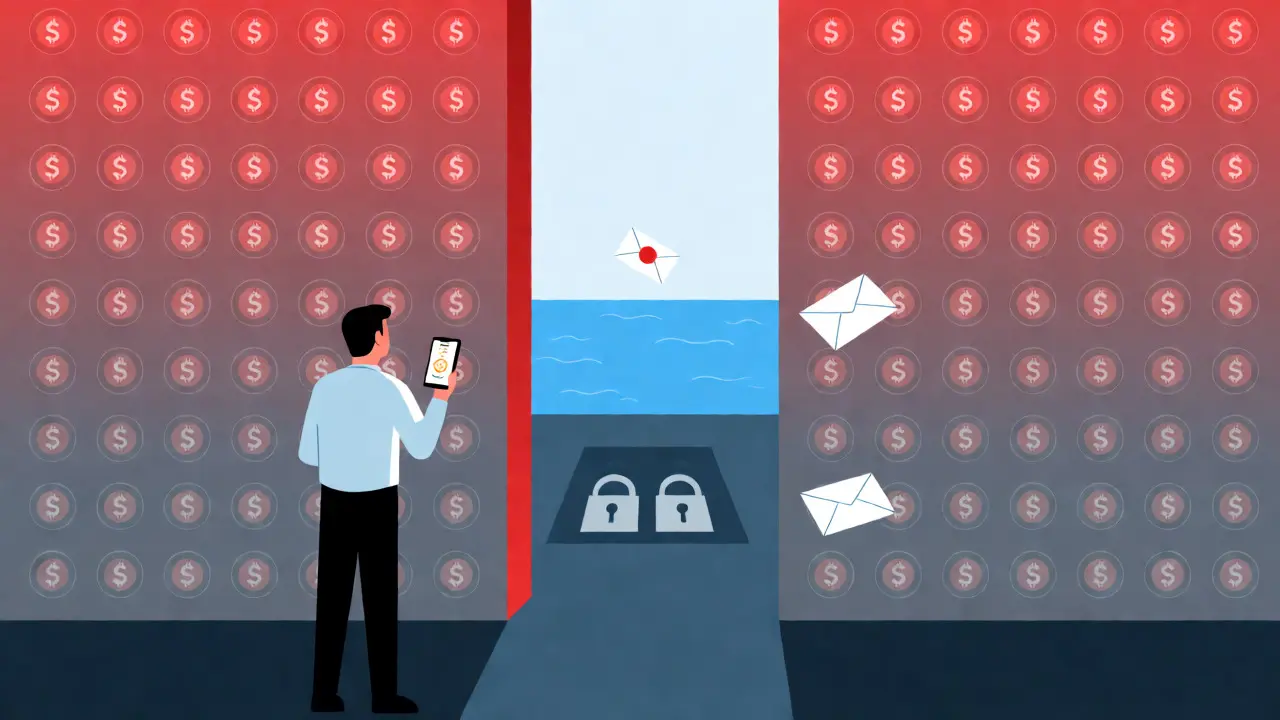
Imagine waking up to find your digital assets locked behind a wall of silence. You try to withdraw funds, but the support email bounces back. The phone number leads nowhere. This isn't a hypothetical nightmare for some traders; it’s the reported reality for users of CommEX. While the name might sound familiar because it mimics established giants, this platform carries a heavy reputation that should make any serious investor pause.
You clicked on this review because you want to know if your money is safe here. Maybe you saw an ad promising high returns, or perhaps a friend recommended it. Either way, the core question is simple: Can you trust CommEX with your hard-earned crypto? The short answer, based on current data and regulatory history, is a resounding no. But let’s look at why this specific exchange raises so many red flags compared to legitimate competitors like Coinbase or MEXC.
The Regulatory Red Flags That Matter
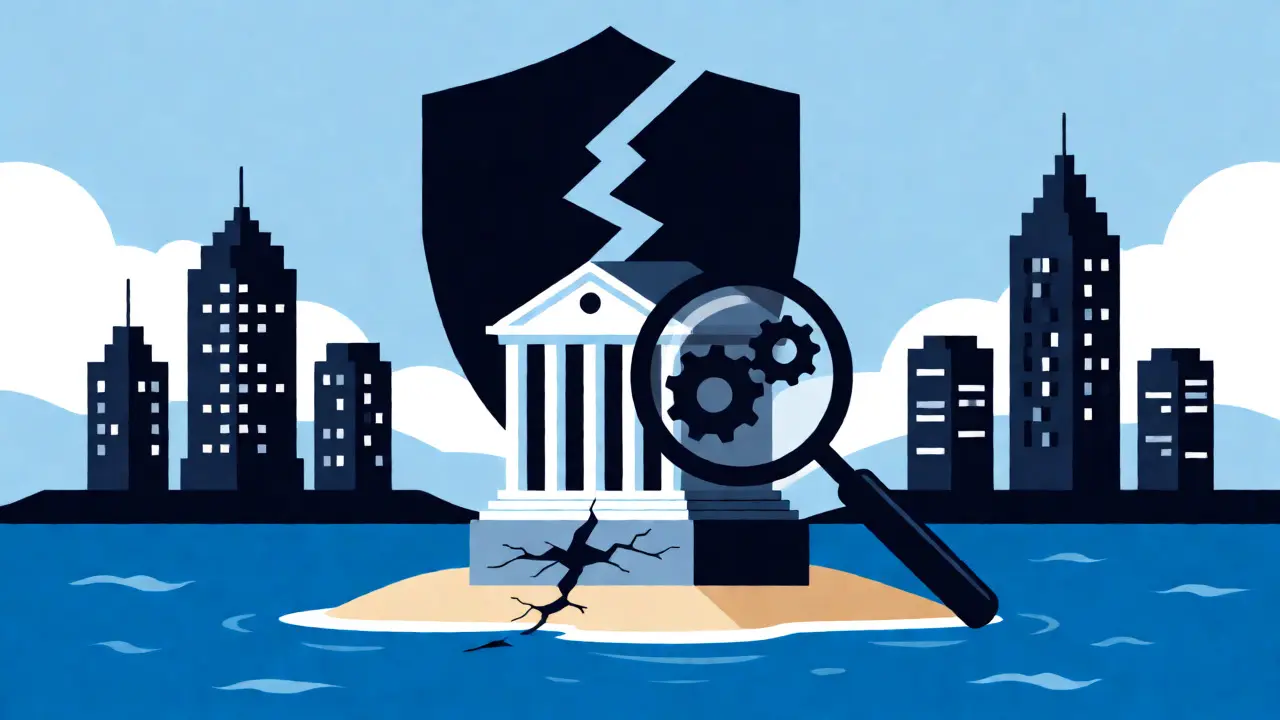
In the world of finance, licenses are everything. They prove that a company follows rules, keeps client money separate from its own, and submits to audits. CommEX lacks these basic credentials in a meaningful way. The platform is registered in Seychelles, a popular offshore jurisdiction known for loose financial regulations. While offshore doesn’t automatically mean bad, it does mean less protection for you if things go wrong.
Worse, there is a documented history of regulatory trouble. In April 2017, the Cyprus Securities and Exchange Commission (CySEC) revoked CommEX’s operating license. They didn’t just ask them to leave; they imposed a fine of EUR 400,000. This wasn’t a minor paperwork error. It was a decisive action against non-compliance. When a regulator pulls the plug and slaps a massive fine on a firm, it usually signals deep operational issues. If you’re wondering why this matters today, think about it this way: if they couldn’t follow the rules when they were smaller, what stops them from ignoring them now?
Furthermore, the entity operates with near-total anonymity. Legitimate exchanges publish their corporate structure, key executives, and physical addresses. CommEX provides little to none of this. You can’t easily find out who runs the place or where the servers actually sit. This opacity makes legal recourse nearly impossible if the exchange decides to freeze your account.
Why Traders Union Blacklisted CommEX
Traders Union is a respected authority in evaluating brokers and exchanges. They don’t blacklist companies lightly. As of their latest assessments, CommEX sits firmly on their Blacklist. What does that mean for you? It means independent experts have analyzed the platform’s practices and found them risky enough to warn the public away.
The primary concern cited is the inability to resolve withdrawal issues through standard communication channels. Users report that contacting support via phone or email is often futile. Imagine trying to explain a missing $5,000 withdrawal to a chatbot that never answers, or calling a disconnected line. This lack of accessibility is a classic trait of problematic platforms. They make it easy to deposit money but incredibly difficult to get it back out.
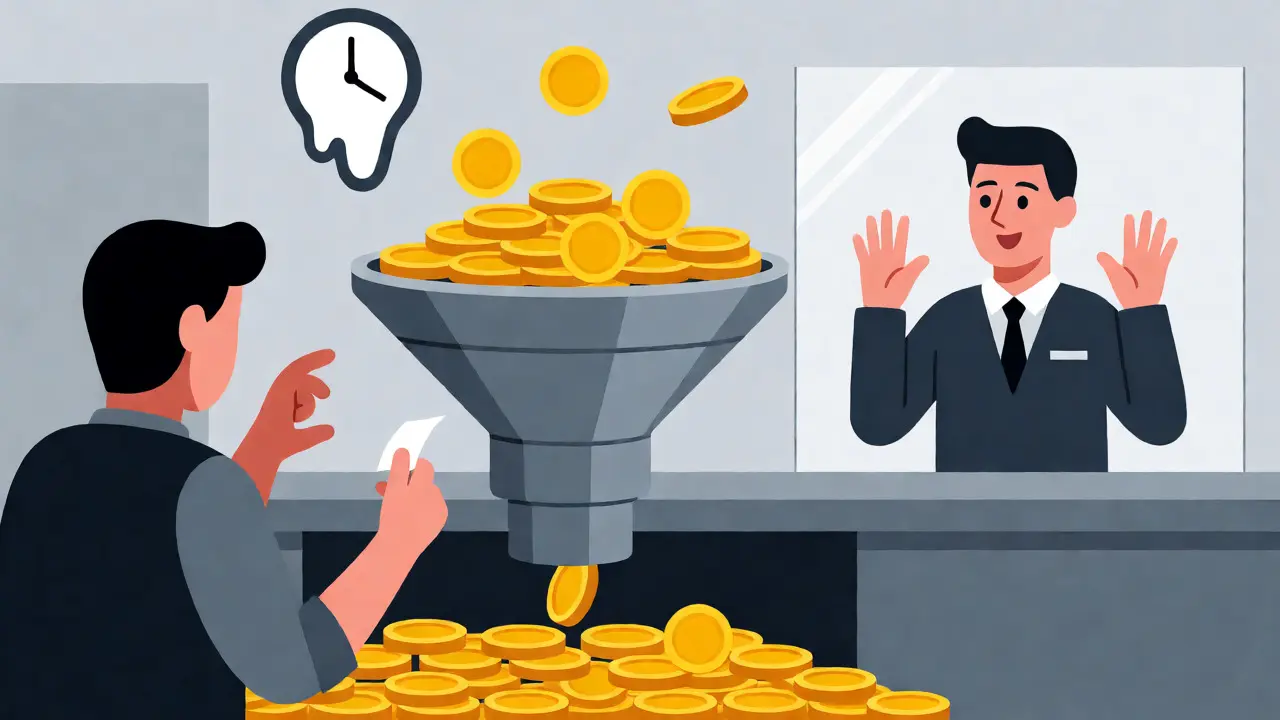
Another issue flagged by reviewers is the fee structure. While all exchanges charge fees, CommEX’s model varies based on "client status." This vague terminology can hide unfair practices. For instance, you might be promised one rate during signup, only to face higher deductions when you try to withdraw. Without transparent, fixed fee schedules published clearly on the site, you’re essentially gambling on how much of your profit you’ll keep.
The Prime4x Connection: A History of Rebranding
If CommEX sounds familiar, it might be because you’ve heard of Prime4x. Research indicates that CommEX previously operated under this name. Prime4x was widely identified as a scam broker before the rebranding. This tactic-changing names to escape bad reputations-is common among questionable financial entities. By switching to CommEX, the operators hoped to distance themselves from the negative press associated with Prime4x while continuing similar business practices.
This pattern suggests a lack of long-term commitment to building a trustworthy brand. Instead, it looks like an attempt to reset the clock on user trust without changing the underlying operational flaws. When you combine the Prime4x history with the CySEC fines, a picture emerges of an organization that struggles with compliance and transparency, regardless of what logo is on the website.
How CommEX Compares to Trusted Exchanges
To understand the gap between CommEX and reliable platforms, let’s look at the numbers. Established exchanges compete on security, liquidity, and user experience. They have nothing to hide. Here is how CommEX stacks up against industry leaders like MEXC and Coinbase.
| Feature | CommEX | MEXC | Coinbase |
|---|---|---|---|
| Regulatory Status | Licenses revoked (CySEC); Offshore registration | Multiple global registrations; Transparent | Fully regulated in US, EU, UK, etc. |
| User Base | Low/Unverified; Minimal reviews | 40+ million users globally | 100+ million verified users |
| Support Accessibility | Poor; Phone/email often unreachable | Active 24/7 live chat and ticket system | Robust multi-channel support |
| Fee Transparency | Variable; Opaque "client status" tiers | Clear maker/taker fee schedule | Clear maker/taker fee schedule (0%-0.6%) |
| Reputation | Blacklisted by Traders Union | Highly rated; Strong community feedback | Industry standard; High trust score |
The contrast is stark. MEXC serves over 40 million users across 170 countries. Coinbase maintains ratings above 4.5 stars on major app stores. These platforms thrive on volume and reputation. CommEX, conversely, lacks verifiable user feedback on platforms like Trustpilot or Reddit. An absence of reviews is rarely a good sign for a consumer product. It usually means either very few people use it, or those who do are too frustrated or silenced to speak up.
Security Risks and Operational Concerns
Crypto security isn’t just about passwords. It’s about the infrastructure holding your keys. In 2025, cyberattacks are sophisticated, targeting exchanges specifically. Legitimate platforms invest heavily in cold storage, two-factor authentication (2FA), and insurance policies. CommEX provides little evidence of such investments. There are no public reports of regular security audits or proof-of-reserves, which are becoming standard for trustworthy exchanges.
Moreover, the interface closely resembles Binance. While borrowing design elements is common, doing so without the underlying technical robustness can be misleading. Users might assume that because it looks like a top-tier exchange, it functions like one. But functionality goes beyond UI. It includes order execution speed, depth of market, and reliability during high-volatility events. With CommEX, you risk encountering slippage, frozen orders, or complete downtime when the market moves fast-exactly when you need the platform to work.
Who Should Avoid CommEX?
If you value peace of mind, avoid CommEX. This platform is not suitable for:
- New Investors: You need clear education and reliable support. CommEX offers neither.
- Large Capital Holders: Moving significant sums requires ironclad security and regulatory backing. CommEX’s offshore status and license revocation make it risky for large balances.
- Active Traders: If you trade daily, you need low latency and transparent fees. Hidden costs and potential connectivity issues will eat into your profits.
Conversely, are there any scenarios where someone might consider it? Perhaps if you are experimenting with a tiny amount of capital you can afford to lose entirely, purely to test the waters. But even then, the opportunity cost is high. You could earn interest or trade on a safer platform with similar features.
Final Verdict: Proceed with Extreme Caution
Is CommEX a guaranteed scam? Not necessarily. It still exists and allows trading. But is it a smart choice? Absolutely not. The combination of revoked licenses, blacklisting by independent reviewers, poor customer service, and a history of rebranding from a known scam operation creates a perfect storm of risk.
Your goal in crypto is to grow wealth, not to fight with a broker over withdrawals. The ecosystem offers dozens of alternatives that prioritize user safety. Platforms like Coinbase, Kraken, or MEXC offer transparency, regulation, and community validation. Why take unnecessary risks with a platform that fails on every metric of trustworthiness?
If you are already using CommEX, consider moving your funds to a regulated exchange soon. Test the withdrawal process with a small amount first. If you encounter delays or unexplained fees, treat it as a warning sign. Don’t wait until your entire portfolio is stuck.
Is CommEX regulated?
CommEX is registered in Seychelles, an offshore jurisdiction with lighter regulations. However, it had its license revoked by the Cyprus Securities and Exchange Commission (CySEC) in 2017, which fined the company EUR 400,000. It currently lacks strong regulatory oversight compared to major exchanges like Coinbase or Kraken.
Why is CommEX on the Traders Union Blacklist?
Traders Union blacklists CommEX due to concerns about legitimacy, including anonymous operations, lack of contactable customer support, and variable fee structures that may disadvantage investors. The blacklist serves as a warning that working with the company carries a high risk of financial loss.
Can I trust CommEX with large amounts of money?
Generally, no. Due to its offshore registration, history of regulatory penalties, and poor user feedback regarding withdrawals, most experts recommend keeping large capital on well-regulated, transparent exchanges. The risk of frozen funds or inaccessible support is significantly higher with CommEX.
Was CommEX previously known as Prime4x?
Yes, research indicates that CommEX operated under the name Prime4x before rebranding. Prime4x was widely criticized and identified as a scam broker by various review sites. The rebranding is often seen as an attempt to shed the negative reputation associated with the previous name.
What are the main complaints about CommEX?
The most common complaints involve difficulty withdrawing funds, unresponsive customer support (phone and email), opaque fee structures, and a lack of transparency regarding the company's ownership and location. Many users also note the absence of genuine reviews on major platforms like Trustpilot.