Remember when crypto projects promised to be the next Amazon or eBay? It was a common pitch around 2018. Today, most of those promises have faded into silence. BitBall-DEX is a decentralized exchange platform launched in February 2020 as part of the broader BitBall ecosystem, originally based in Australia with ambitions to bridge digital currencies and real-world commerce. But does it still deliver on that vision, or is it just another relic from the early DeFi boom?
If you are looking at BitBall-DEX today, you likely want to know three things: Is it safe? Is it active? And should you trade there? The short answer is complicated. While the infrastructure exists, the activity levels tell a different story than the marketing did years ago. Let’s break down what BitBall-DEX actually offers in 2026, how it compares to modern alternatives, and whether your capital is better spent elsewhere.
What Exactly Is BitBall-DEX?
To understand the exchange, you first need to understand the ecosystem behind it. BitBall-DEX isn’t a standalone product; it is a component of the BitBall cryptocurrency project launched in August 2018, aiming to create a multi-utility ecosystem for digital transactions, e-bartering, and decentralized finance. The original goal was ambitious: build a currency accepted for real-life payments while offering tools like NFTs, staking, and automated market makers (AMMs).
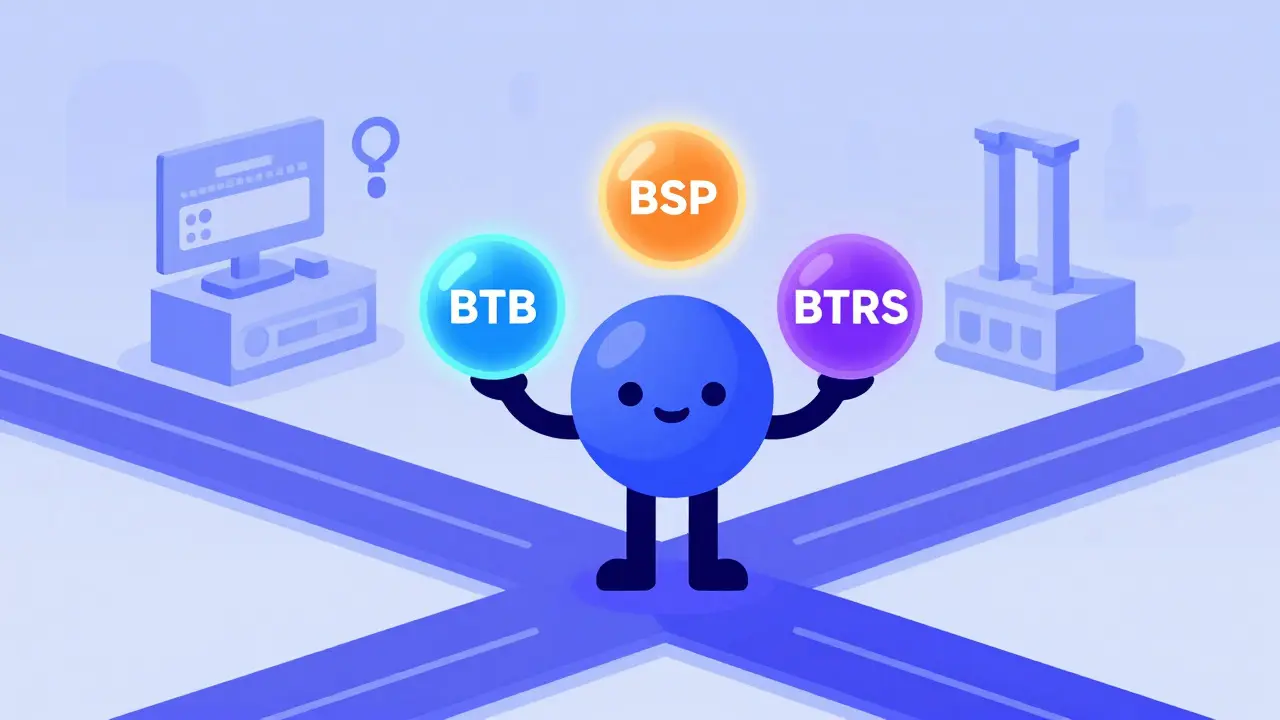
The platform operates primarily through its native tokens. You have BTB (BitBall), the primary utility token used for transactions and fees within the BitBall ecosystem. Then there is BallSwap (BSP), a governance token for the Ballswapper DeFi protocol built on Ethereum, allowing users to swap assets and provide liquidity. Finally, there is BitBall Treasure (BTRS), a limited-edition store-of-value token with a supply ten times lower than the main BTB token.
BitBall-DEX itself serves as the decentralized trading layer. It allows peer-to-peer cross-chain trading without intermediaries. However, unlike major DEXs like Uniswap or PancakeSwap that focus purely on swapping efficiency, BitBall-DEX was designed to support a larger "e-barter" system-essentially a crypto-based marketplace for goods and services. This dual purpose means the exchange is tied closely to the success of the broader BitBall brand, not just trading volume.
The Reality of Trading Volume and Liquidity
Liquidity is the lifeblood of any exchange. Without it, you can’t buy or sell quickly without massive price slippage. Here is where BitBall-DEX faces significant challenges in 2026.
Data from tracking platforms shows that the primary trading activity for BitBall tokens has shifted away from the native DEX interface. Most liquid pairs are found on centralized exchanges. For instance, Gate.io, a global cryptocurrency exchange that lists the BALL/USDT pair, serving as one of the most popular venues for trading BitBall tokens. handles the bulk of the volume. Recent data indicates daily volumes fluctuating between $9,000 and $76,000 depending on market conditions. That might sound like money, but in the world of crypto, it is microscopic compared to top-tier exchanges handling billions daily.
On the decentralized side, some activity appears on Uniswap V2 (Base), a version of the Uniswap decentralized exchange running on the Base Layer 2 network, offering an alternative venue for swapping BitBall-related assets. and other aggregators. However, deep order books are rare. If you try to move large amounts of BTB directly through the BitBall-DEX interface, expect high slippage. The liquidity is thin, meaning your buy order could push the price up significantly before execution.
| Platform | Type | Primary Pair | Liquidity Level | User Experience |
|---|---|---|---|---|
| Gate.io | Centralized (CEX) | BALL/USDT | Moderate | Standard CEX interface, KYC required |
| BitBall-DEX | Decentralized (DEX) | BTB/BTC, BTB/ETH | Low | Wallet connection required, higher gas risks |
| Uniswap V2 (Base) | Decentralized (DEX) | Various | Variable | Familiar UI, depends on pool depth |
Price History: A Cautionary Tale
You cannot review BitBall without addressing its price performance. The token has experienced extreme volatility, which is common in altcoins, but the scale here is notable. The all-time high (ATH) for BitBall was $647.60 on January 5, 2019. That was during the peak of the initial hype cycle.
As of mid-2026, the price hovers around $0.0000008686. To put that in perspective, the token has lost over 99.99% of its value from its peak. While this doesn't necessarily mean the project is dead-many utility tokens decouple from speculative price action-it does indicate a lack of sustained investor interest. When a token drops this far, retail traders often abandon it, leaving only long-term holders or bots. This affects the DEX because fewer people are actively swapping, leading to the low liquidity mentioned earlier.

Features and Ecosystem Utility
Despite the price drop, the BitBall ecosystem still offers specific features that might appeal to niche users. The platform isn't just about trading; it's about utility.
- E-Barter System: The core promise is a marketplace where you can buy and sell goods using BTB, BTC, ETH, BTRS, or even PayPal. Think of it as a crypto-enabled eBay. In theory, this solves the problem of crypto having no real-world use case. In practice, adoption has been slow due to merchant integration hurdles.
- Cross-Chain Functionality: BitBall supports peer-to-peer transfers across different blockchains. This is useful if you hold assets on multiple networks and want to consolidate them without using a centralized bridge.
- NFT and Staking: The ecosystem includes NFT capabilities and staking options. Users can lock their tokens to earn rewards, though the annual percentage yield (APY) rates are typically competitive only if you believe the token price will rise.
The integration of fiat payments via PayPal is a standout feature. Most DEXs require you to already own crypto to start trading. BitBall’s attempt to bridge fiat and crypto lowers the barrier to entry for beginners who don't want to navigate complex bank-to-crypto ramps.
Security and Trust Factors
When dealing with a DEX, security means two things: code safety and operational transparency. BitBall-DEX operates on smart contracts, which reduces the risk of a centralized hack where funds are stolen from a hot wallet. However, smart contracts can have bugs.
The project is based in Australia, which provides a level of regulatory oversight compared to anonymous offshore teams. However, finding recent audit reports or detailed technical documentation on the current state of the smart contracts is difficult. In the crypto world, silence is often interpreted as stagnation. If the team isn't publishing regular updates, bug fixes, or community calls, trust erodes.
Additionally, because the token is listed on over 51 exchanges, the fragmentation of liquidity makes it harder to track total market health. You might see a spike in volume on one obscure exchange, but that doesn't reflect true demand. Always verify prices across multiple sources like CoinMarketCap or CoinGecko before making a move.

Who Is BitBall-DEX For?
Not every trader needs BitBall-DEX. Here is who might benefit and who should avoid it:
Consider it if:
- You are already invested in the BitBall ecosystem and need to swap between BTB, BSP, and BTRS without leaving the environment.
- You want to participate in the e-barter marketplace and prefer paying with crypto directly.
- You are interested in experimental DeFi models that combine social commerce with trading.
Avoid it if:
- You are looking for high-frequency trading or arbitrage opportunities. The spreads are too wide.
- You prioritize maximum liquidity and fast execution. Stick to Binance, Coinbase, or major DEXs like Uniswap V3.
- You are new to crypto and want the safest, most supported experience. The learning curve for interacting with the BitBall DEX interface may be steep for beginners.
Alternatives to Consider
If BitBall-DEX feels too quiet or illiquid, there are robust alternatives that serve similar purposes but with more active communities.
For pure decentralized swapping, Uniswap the leading decentralized exchange protocol on Ethereum, known for high liquidity, extensive token support, and a user-friendly interface. remains the gold standard. It supports thousands of tokens and has deeper pools, meaning less slippage. If you are on the Ethereum network, it is almost always the safer bet for liquidity.
For cross-chain functionality, Thorchain a decentralized liquidity protocol enabling native asset swaps across different blockchains without wrapped tokens. offers true cross-chain swaps. Unlike BitBall’s approach, Thorchain uses a federated node system to secure bridges, providing a different model for moving assets between Bitcoin, Ethereum, and other chains.
If you like the idea of buying goods with crypto, platforms like OpenSea the largest online marketplace for NFTs and blockchain collectibles, allowing users to buy, sell, and auction digital assets. (for digital goods) or various crypto-friendly e-commerce plugins for Shopify offer more mature solutions for merchants and buyers alike.
Final Verdict
BitBall-DEX is a fascinating piece of crypto history. It represents an era when projects tried to do everything at once: exchange, marketplace, payment processor, and DeFi protocol. While the vision was comprehensive, the execution has struggled to keep pace with specialized competitors. In 2026, the platform remains functional, but it lacks the vibrant activity seen in newer DEXs.
If you hold BTB tokens, the DEX is a viable tool for managing your portfolio within the ecosystem. Just be aware of the liquidity constraints. For new entrants, it is worth exploring the concept, but perhaps not as your primary trading hub. The crypto market moves fast, and platforms that fail to innovate or attract consistent volume often fade into obscurity. Keep an eye on development updates-if the team releases major upgrades or partnerships, the narrative could change. Until then, treat BitBall-DEX as a niche utility rather than a mainstream trading solution.
Is BitBall-DEX safe to use?
BitBall-DEX is a decentralized exchange, meaning it relies on smart contracts rather than a central server holding your funds. This reduces the risk of traditional hacks. However, safety also depends on the quality of the code. Since recent audit reports are hard to find, users should exercise caution and start with small amounts. Always ensure you are connecting to the official website to avoid phishing scams.
Where can I buy BitBall (BTB) tokens?
The most liquid place to buy BTB is currently on centralized exchanges like Gate.io, where the BALL/USDT pair is listed. You can also find it on BingX and potentially on decentralized platforms like Uniswap V2 on the Base network. Check CoinMarketCap or CoinGecko for the most up-to-date list of supported exchanges.
What is the difference between BTB and BSP?
BTB (BitBall) is the primary utility token used for general transactions and fees within the ecosystem. BSP (BallSwap) is a governance token specifically for the Ballswapper DeFi protocol. Holding BSP may give you voting rights on protocol decisions, whereas BTB is more focused on transactional utility and value storage.
Why has the price of BitBall dropped so much?
Like many altcoins from the 2017-2019 bull run, BitBall experienced a massive hype-driven surge followed by a long correction. The drop from $647 to fractions of a cent reflects broader market cycles, increased competition from newer projects, and potentially slower adoption of the ecosystem's unique features like the e-barter system.
Can I use PayPal on BitBall?
Yes, the BitBall ecosystem aims to integrate fiat payments. The e-barter platform component accepts PayPal alongside cryptocurrencies like BTC, ETH, and BTB. This allows users who do not yet hold crypto to participate in the marketplace, bridging the gap between traditional finance and digital assets.
Is BitBall-DEX available globally?
BitBall-DEX is based in Australia but operates as a decentralized platform accessible worldwide. However, availability may vary depending on local regulations regarding cryptocurrency trading and the specific restrictions imposed by centralized exchanges where BTB is listed.