
Imagine selling a bag of Bitcoin after holding it for just a year and paying absolutely zero taxes on the profit. For most investors in high-tax nations, this is a fantasy. But for those who know where to look, it’s reality. As we move through 2025 and into 2026, the global landscape for cryptocurrency taxation is shifting rapidly. Governments are no longer ignoring digital assets; they are actively competing for them.
You don’t have to be a billionaire or a tech mogul to benefit from these changes. Whether you’re a day trader looking to cut costs, a long-term holder wanting to protect your wealth, or a startup founder seeking regulatory clarity, there is a jurisdiction designed for your needs. This guide breaks down the top zero-tax and low-tax crypto countries, explaining exactly how their rules work, what catches you might face, and which one fits your lifestyle.
The Top Zero-Tax Jurisdictions for Crypto Investors
Not all "tax-free" labels are created equal. Some countries offer blanket exemptions, while others require you to meet specific conditions like residency status or holding periods. Here are the standout performers as of late 2025.
Understanding the Conditions: It’s Not Always Free
Before you pack your bags, understand that "zero tax" often comes with strings attached. Most jurisdictions distinguish between private investors and professional traders.
- Private Investment: Occasional buying and selling. Usually tax-free in places like Switzerland, Singapore, and the UAE.
- Professional Trading: Frequent, repetitive transactions aimed at generating income. In Malaysia, for example, casual investors pay no tax, but day traders are taxed on profits. In Malta, active trading can attract a 35% business income tax unless you use specific tax optimization structures.
Additionally, some countries tax wealth rather than income. Switzerland, for instance, may charge a wealth tax based on the total value of your assets, including crypto, even if you didn’t sell anything. Always consult a local tax expert before relocating.

Comparison Table: Key Crypto Tax Havens
| Country | Capital Gains Tax | Income Tax on Crypto | Key Condition | Best For |
|---|---|---|---|---|
| El Salvador | 0% | 0% (for Bitcoin) | Legal tender status | Bitcoin maximalists, miners |
| UAE (Dubai) | 0% | 0% | VARA licensing recommended | Businesses, high-net-worth individuals |
| Switzerland | 0% (Federal) | Taxed if professional | Must be private investor | Long-term holders, institutions |
| Singapore | 0% | N/A (No CGT) | No capital controls | Asian market access, stability seekers |
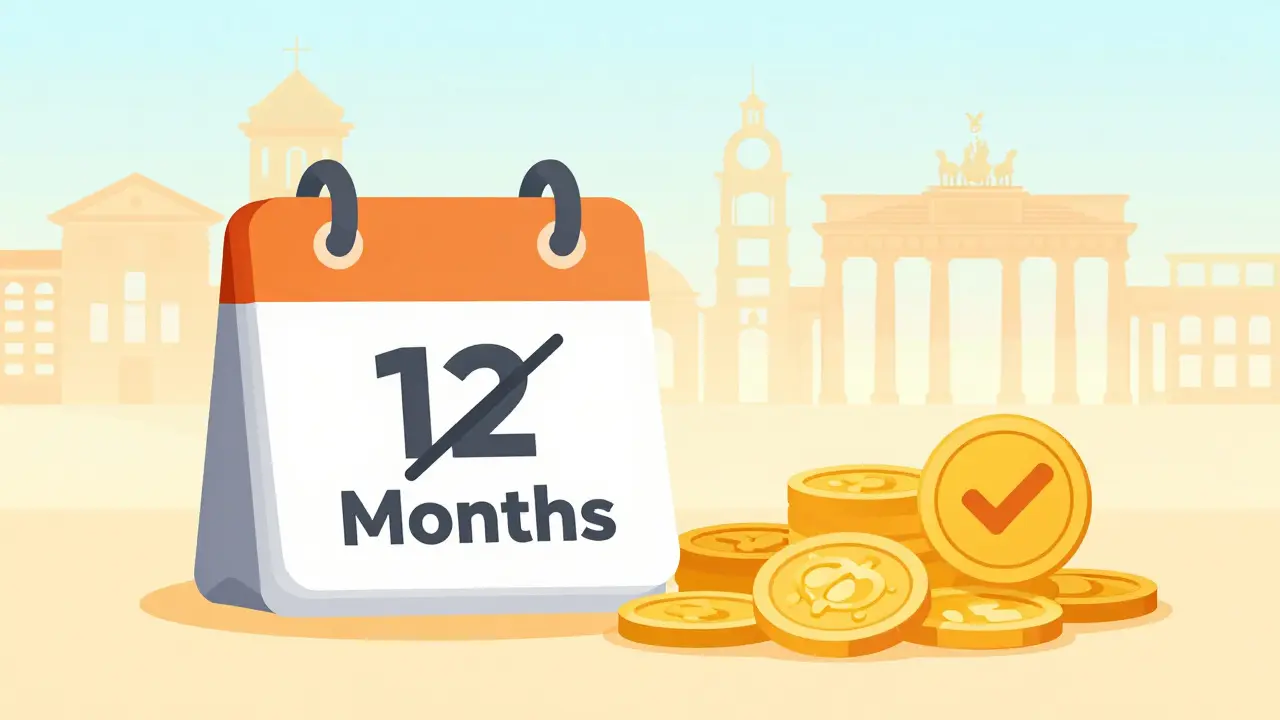
| Germany | 0% | Taxed if <12 months | Holding period >12 months | Patient HODLers in Europe |
| Portugal | 0% | Taxed if <12 months | Holding period >12 months | Lifestyle expats, EU residents |
| Cayman Islands | 0% | 0% | None | Corporate structuring, funds |
Beyond Taxes: Infrastructure and Lifestyle
Taxation is only one piece of the puzzle. When choosing a new home for your crypto journey, consider the broader ecosystem.
Regulatory Clarity: You need to know the rules of the game. Switzerland’s FINMA and Dubai’s VARA provide detailed guidelines, reducing legal risk. In contrast, some emerging markets may have ambiguous laws that change overnight.
Financial Infrastructure: Can you easily bank your crypto profits? Singapore and Switzerland have robust traditional banking systems integrated with fintech. El Salvador is improving, but international banking can still be challenging for non-residents.
Community and Education: Places like Dubai host events like the Future Blockchain Summit and offer university courses at Khalifa University. Switzerland’s Crypto Valley in Zug creates a dense network of developers, lawyers, and investors. Being surrounded by peers accelerates your learning and networking.
Cost of Living vs. Quality of Life: Switzerland offers unparalleled quality of life but comes with a high price tag. El Salvador and parts of Southeast Asia offer lower costs, allowing your tax savings to stretch further. The UAE sits in the middle, offering luxury amenities with zero income tax.
Strategic Moves for 2026 and Beyond
As governments realize the economic potential of blockchain, competition among nations will intensify. We expect to see more countries adopting "holding period" exemptions similar to Germany and Portugal. El Salvador’s Bitcoin City project serves as a test case for purpose-built crypto jurisdictions. If successful, it could inspire other nations to create dedicated free zones with tailored incentives.
For individual investors, the strategy is simple: define your goal. Are you trading daily? Look at the UAE or Cayman Islands. Are you holding for years? Germany, Portugal, or Singapore might suit you better. Are you launching a business? Dubai’s free zones offer unmatched support.
Remember, tax laws evolve. What is true today might change tomorrow. Always verify current regulations with a qualified tax advisor before making significant financial or residential decisions.
Is crypto really tax-free in El Salvador?
Yes, specifically for Bitcoin. Under the Digital Assets law enacted in 2025, El Salvador imposes zero capital gains tax and zero income tax on Bitcoin transactions. This covers trading, holding, and spending. However, this exemption is primarily tied to Bitcoin as legal tender; other altcoins may not have the same guaranteed protection unless specified in future legislation.
What is the difference between a private investor and a professional trader in crypto tax terms?
In many zero-tax jurisdictions like Switzerland and Singapore, profits from occasional, private investments are tax-free. However, if you trade frequently, use leverage, or treat crypto trading as your primary source of income, authorities may classify you as a professional trader. Professional trading profits are typically taxed as ordinary income, negating the zero-tax benefit. Frequency, volume, and intent are key factors in this classification.
Do I need to live in these countries to benefit from their tax laws?
Generally, yes. Tax residency determines your tax obligations. To claim benefits like zero capital gains tax in Germany or Singapore, you usually need to establish tax residency in that country. This often involves spending a certain number of days per year there and meeting specific legal criteria. Simply owning an account in a foreign exchange does not exempt you from your home country's taxes.
How does the 12-month holding period work in Germany and Portugal?
If you buy cryptocurrency and hold it for more than 12 months before selling or swapping it, any profit is completely tax-free for individual investors. If you sell within 12 months, the profit is taxed as regular income. You must keep accurate records of your purchase date and sale date to prove you met the holding requirement during any tax audit.
Is using crypto as collateral for a loan taxable?
In most jurisdictions, using crypto as collateral for a loan is not a taxable event because you have not disposed of or sold your assets. You retain ownership, and the lender holds the collateral. However, if the value of your crypto drops significantly and the lender liquidates your position to cover the loan, that liquidation is considered a sale and may trigger capital gains tax.