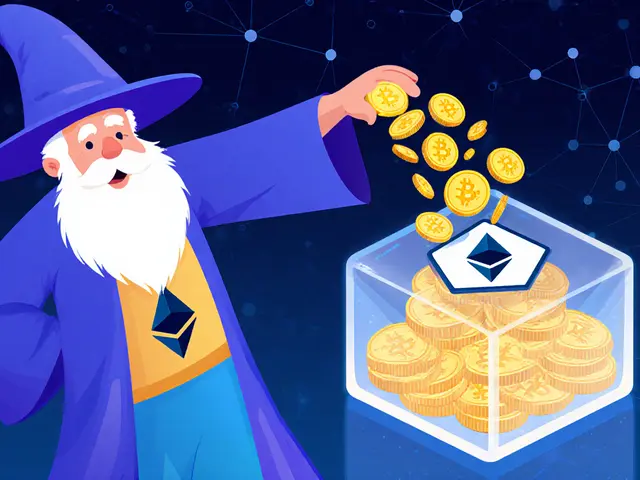
You have probably scrolled through Instagram or TikTok and wondered: who actually owns the content you create? You upload a photo, it lives on their servers, and they sell ads against it. Woonkly (WOOP) tries to flip that model on its head by turning every single post into a non-fungible token (NFT). But what exactly is this project, and does the WOOP crypto coin have any real staying power in a market flooded with failed Web3 experiments?
If you are digging into micro-cap altcoins, you need facts, not hype. As of late 2026, Woonkly remains an active but niche player on the Binance Smart Chain. It promises a decentralized social network where data ownership returns to the user. However, the reality involves thin liquidity, conflicting supply data, and a token price that has suffered massive drawdowns from its all-time highs. This guide breaks down how WOOP works, why the numbers don't always match across trackers, and whether this "metasocial" experiment is worth your attention.
The Core Concept: Social Media as NFTs
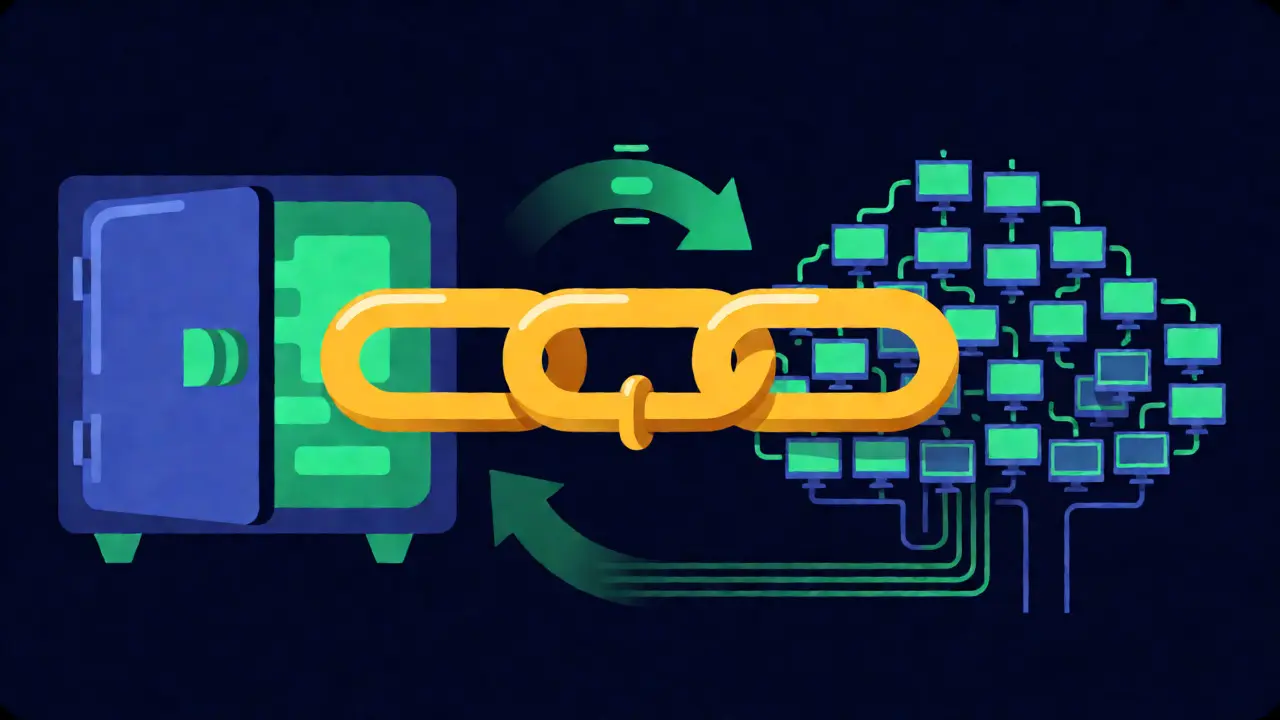
Most people understand social media as a place to share updates. Woonkly redefines this by treating every post-whether it’s a text update, image, or video-as a mintable asset. When you post on the Woonkly Metasocial Network, the system automatically converts that content into an NFT. This isn’t just for show; it means you retain full control over your data. Instead of storing files on centralized servers like Amazon AWS or Google Cloud, Woonkly uses the InterPlanetary File System (IPFS). IPFS is a peer-to-peer file storage protocol that distributes data across users' computers rather than keeping it in one vulnerable location.
This architecture aims to solve two major problems: censorship and monetization. Because the data is distributed, no single entity can easily delete your content. More importantly, because each post is an NFT, it can theoretically be traded, sold, or used as proof of ownership outside the platform. The goal is to build a global directory of creators, influencers, and metaverse projects that interact without intermediaries taking a cut. While the concept sounds revolutionary, execution is where most Web3 social projects stumble, and Woonkly is no exception.
Technical Infrastructure: BEP-20 and BNB Chain
Technically, WOOP is a utility token built on the BNB Chain (formerly Binance Smart Chain). It follows the BEP-20 standard, which makes it compatible with wallets like MetaMask and exchanges like PancakeSwap. This choice of blockchain was strategic for speed and low transaction costs compared to Ethereum, allowing users to mint posts and trade assets without paying exorbitant gas fees.
The integration of IPFS with the BNB Chain creates a hybrid system. The smart contracts handle the ownership and trading logic on-chain, while the actual media files live off-chain on IPFS. This reduces blockchain bloat but introduces complexity for new users who must manage both wallet keys and decentralized storage links. For developers, this setup allows for seamless interaction with other DeFi protocols on BSC, enabling features like staking WOOP tokens or using them in liquidity pools.
Tokenomics: The Supply Confusion
If you look up WOOP on different data aggregators, you will notice a glaring inconsistency: circulating supply figures. This is a critical red flag for investors. Major platforms like CoinMarketCap and KuCoin report a circulating supply of approximately 228.5 million WOOP out of a maximum supply of 1 billion. This suggests that only about 22% of the total tokens are currently in circulation.
However, other trackers like CoinGecko and EulerPool list the circulating supply as the full 1 billion. Why the discrepancy? It likely stems from how these indexers read contract data versus official documentation. Some tokens may be locked, vested, or burned, but if indexers count them as circulating, the market cap calculation changes drastically. A market cap based on 228 million tokens looks very different from one based on 1 billion. Always verify supply figures directly from the blockchain explorer before making investment decisions.
| Metric | CoinMarketCap / KuCoin | CoinGecko / EulerPool |
|---|---|---|
| Total/Max Supply | 1,000,000,000 WOOP | 1,000,000,000 WOOP |
| Circulating Supply | ~228,584,357 WOOP | 1,000,000,000 WOOP |
| Implication | Higher scarcity per unit | Lower scarcity per unit |
Utility: What Can You Actually Do With WOOP?
A token needs more than just a whitepaper; it needs use cases. In the Woonkly ecosystem, WOOP serves three primary functions:
- NFT Trading Discounts: Users pay a commission when buying or selling NFTs within the social network. Holding and using WOOP to pay for these transactions reduces the fee by 50%. This is a tangible incentive for traders.
- Rewards and Incentives: Content creators earn WOOP for engagement. If your post gets likes, shares, or comments, the algorithm rewards you in tokens. This gamifies social interaction, similar to traditional loyalty points but with tradable value.
- Governance and Access: While governance features have been limited, holding WOOP grants access to exclusive community events and early access to new platform features. It acts as a key to the ecosystem's inner circle.
Despite these utilities, adoption has remained slow. The friction of connecting a crypto wallet, acquiring BEP-20 tokens, and understanding NFT mechanics still deters mainstream social media users. Most people prefer the ease of Instagram, even if they sacrifice data ownership.
Market Performance: From Peak to Pit
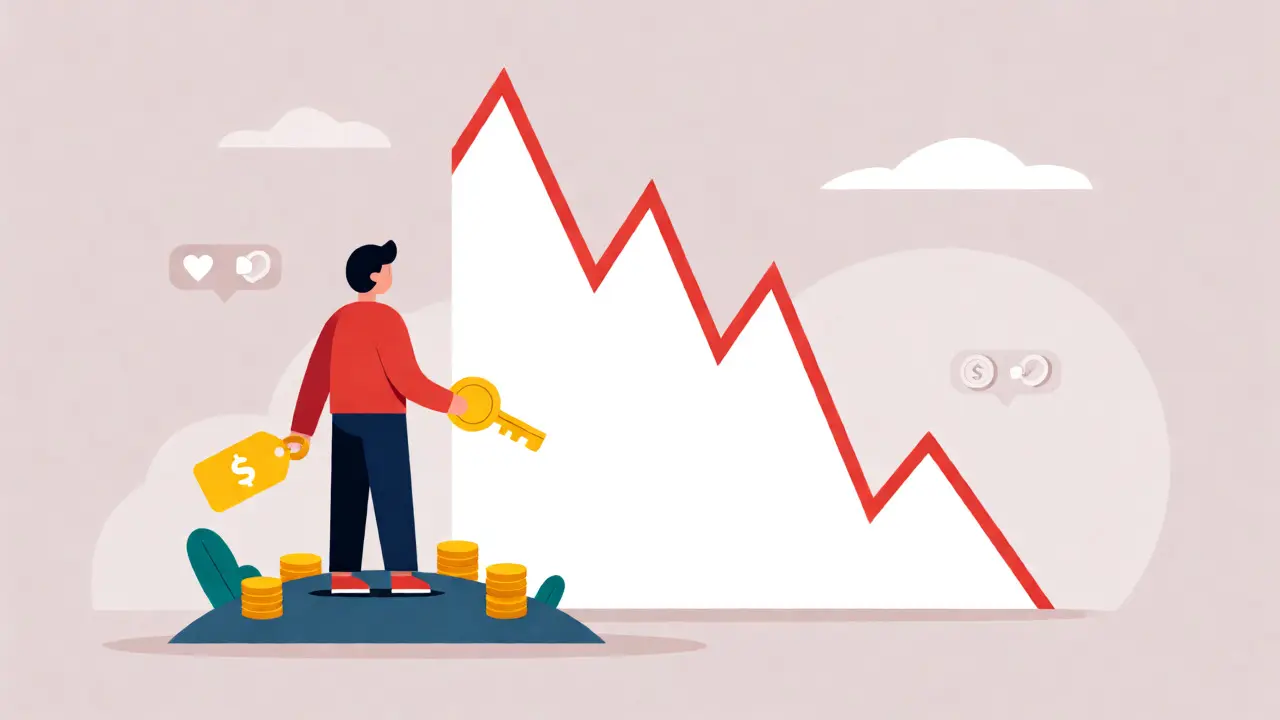
Let’s talk numbers, because they tell a harsh story. WOOP launched in November 2020 during the peak of the NFT and DeFi frenzy. Its all-time high (ATH) varies by source, ranging from $0.36 to $1.46 depending on which tracker you trust. Regardless of the exact peak, the current price sits in the sub-$0.001 range. This represents a drawdown of over 99% from its highest valuations.
As of recent snapshots, WOOP trades between $0.0002 and $0.0007. The market capitalization hovers around $100,000 to $500,000, placing it deep in the micro-cap territory (ranked roughly #4,700 to #6,100 globally). Trading volume is extremely thin. On some days, daily volume drops below $20,000, and on specific pairs like WOOP/WBNB on PancakeSwap, it can dip to single-digit dollars. Low liquidity means large buy or sell orders can cause significant price slippage, making it risky for anyone entering or exiting with substantial amounts.
Community Sentiment and Criticism
Is Woonkly dead? Not technically. The smart contracts are active, and the website remains online. However, community sentiment leans toward skepticism. Even internal communications from associated domains like Woonkly.ai have referred to WOOP as "the failed memecoin that lives on." This self-deprecating humor acknowledges that the initial speculative hype did not translate into sustained user growth or price appreciation.
Critics point to several issues:
- Lack of Mainstream Adoption: The platform struggles to attract non-crypto natives.
- Data Transparency: The conflicting supply figures mentioned earlier erode trust.
- Competition: Other decentralized social networks like Lens Protocol or Farcaster have gained more traction among developers and users.
On the flip side, supporters argue that the infrastructure is sound. The combination of IPFS and NFTs provides a robust framework for digital ownership that could become valuable if regulatory pressure on centralized social media increases. For now, however, it remains a speculative play rather than a utility staple.
How to Buy and Store WOOP
If you decide to take a position in WOOP, here is the practical workflow:
- Get a Wallet: Download MetaMask or Trust Wallet and ensure it supports BNB Chain.
- Fund Your Wallet: Purchase BNB (Build Native Coin) on a centralized exchange like Binance or Coinbase, then withdraw it to your wallet address.
- Swap for WOOP: Go to PancakeSwap V2. Connect your wallet, select BNB as the input currency, and search for the WOOP token contract address. Confirm the swap.
- Store Safely: Keep your private keys secure. Since WOOP is a BEP-20 token, losing access to your wallet means losing your funds permanently.
Note that WOOP is not listed on Coinbase for direct trading, so you must rely on DEXs or smaller CEXs like LATOKEN. Always double-check the contract address to avoid fake tokens with similar names.
Is Woonkly a scam?
There is no evidence suggesting Woonkly is a rug pull or outright scam. The project has active development, a functional platform, and transparent smart contracts. However, it is considered a highly speculative micro-cap asset with poor price performance since launch. "Failed" in terms of ROI doesn't necessarily mean "scam," but it does indicate high risk.
Why do circulating supply numbers differ across sites?
Data aggregators use different methods to calculate circulating supply. Some count all tokens not held by the team, while others exclude vested or locked tokens. CoinMarketCap often aligns closer to official team disclosures regarding unlocked tokens, whereas other trackers may count total supply minus burns. Always check the latest on-chain data via BscScan for the most accurate figure.
Can I mine WOOP tokens?
No, WOOP is not mined like Bitcoin. It is a pre-mined BEP-20 token distributed through sales, rewards, and ecosystem incentives. You acquire it by purchasing it on exchanges or earning it through participation in the Woonkly social network.
What makes Woonkly different from Facebook?
Facebook stores your data on central servers and sells ad space. Woonkly stores your posts as NFTs on IPFS, giving you ownership rights. Additionally, you earn WOOP tokens for engagement, whereas Facebook profits from your engagement without direct payment to the user.
Is WOOP a good long-term investment?
This depends on your risk tolerance. WOOP has fallen over 99% from its ATH. For it to recover significantly, it needs massive user adoption and renewed interest in decentralized social media. Currently, it faces stiff competition from newer protocols, making it a high-risk, speculative hold rather than a safe blue-chip asset.