
Imagine logging into your favorite crypto exchange to check your portfolio, only to find a blank screen. The website is gone. Your funds are stuck. And if you were running that platform without a license? You could be looking at three years in prison and a fine of THB 300,000 (about $8,400 USD). This isn’t a dystopian sci-fi plot; it’s the reality for cryptocurrency operators and users in Thailand following the implementation of the Royal Decree on the Digital Asset Businesses (No. 2) B.E. 2568 a stringent regulatory framework effective from April 13, 2025, governing digital asset businesses in Thailand.
Thailand has moved from being a friendly hub for crypto innovation to one of the strictest enforcement zones in Southeast Asia. If you are trading, operating a platform, or even just holding assets on an unlicensed site, the rules have changed drastically. The government isn’t just watching anymore; they are actively blocking access and prosecuting offenders. Here is what you need to know about the severe penalties, the new compliance hurdles, and how this affects your wallet.
The New Regulatory Hammer: Royal Decree No. 2
The core of this crackdown is the Royal Decree on the Digital Asset Businesses (No. 2), which took effect on April 13, 2025. Before this, regulations existed, but enforcement was often slow or inconsistent. Now, the Securities and Exchange Commission (SEC) of Thailand the primary regulator overseeing capital markets and digital assets in Thailand, working with the Ministry of Digital Economy and Society (MDES) and the Bank of Thailand (BOT), has created a unified enforcement machine.
This decree doesn't just set guidelines; it empowers authorities to act immediately. The most shocking change? The MDES can now block access to unlicensed digital platforms without needing prior court approval. That means no lengthy legal battles for the government to shut down a rogue exchange. They just flip the switch, and the site becomes inaccessible to Thai internet users. This rapid-response capability marks a significant escalation in how Thailand handles financial technology crimes.
Criminal Penalties: It’s Not Just About Fines
If you thought non-compliance meant writing a big check to the government, think again. The penalties under the 2025 framework include serious criminal charges. Let’s break down who gets hit hardest.
- Mule Account Operators: If you knowingly use your bank account or crypto wallet to receive funds from scams or illegal activities, you are considered a "mule." The penalty? Up to 3 years in prison, a fine of up to THB 300,000, or both. This targets individuals who sell their accounts to criminals, a common issue in previous years.
- Platform Operators: Running an unlicensed exchange is a major offense. Beyond immediate shutdowns, operators face criminal prosecution. The threat of jail time is a powerful deterrent that has already caused several foreign platforms to reconsider their presence in Thailand.
- Joint Liability: Licensed platforms are not off the hook either. If they fail to meet compliance obligations, they face joint liability for damages arising from cybercrime. This is similar to the liability frameworks applied to traditional banks. If fraud happens through your platform due to negligence, you could face unlimited financial liability.
This shift towards criminalizing specific behaviors like mule banking shows that the government is targeting the entire ecosystem of crypto crime, not just the big exchanges.

The June 2025 Blockade: A Wake-Up Call
On June 28, 2025, the SEC made its first major move under the new rules by blocking access to five unauthorized crypto trading platforms. These weren’t small, obscure sites; they were platforms widely used by Thai traders. The SEC advised users to withdraw or transfer their assets to licensed entities before the deadline. For many, it was too late.
Why did the SEC target these specific platforms? Because they were offering services to Thai residents without a local license. The criteria for jurisdiction are broad. If a platform offers Thai-language support, processes payments in Thai baht, or targets Thai users through search engine marketing, the SEC considers them operating in Thailand. This extraterritorial reach means you can’t hide behind a server in Singapore or Dubai if your customers are in Bangkok.
The impact was immediate. Trading volumes on licensed platforms jumped by 23% as users fled the blocked sites. However, the number of licensed platforms dropped from 12 to 7 during the same period, as some operators chose to exit the market rather than deal with the heavy compliance burden.
Compliance Hurdles for Foreign Platforms
For international crypto companies, Thailand’s new rules represent a massive operational challenge. The mandatory localization requirements, which started taking effect in January 2025, are designed to bring all crypto business physically and legally into Thailand.
| Requirement | Details | Impact |
|---|---|---|
| Legal Entity | Must establish a registered company in Thailand | High setup cost and administrative overhead |
| Local Director | Appoint a Thai national as a director | Requires trust and local management presence |
| Thai Bank Accounts | Maintain operational accounts with local banks | Subject to strict banking scrutiny and AML checks |
| AML Integration | Connect with national Anti-Money Laundering services | Real-time transaction monitoring and reporting |
| FATF Algorithms | Implement Financial Action Task Force standards | Advanced tech infrastructure required |
These aren’t just paperwork exercises. Legal compliance takes 6-12 months for foreign platforms. Specialized law firms charge between THB 500,000 and THB 2,000,000 ($14,000-$56,000 USD) for complete licensing and localization services. For smaller startups, these costs are prohibitive. This explains why the number of licensed players has shrunk. Only well-funded, serious operators can afford to play by the new rules.
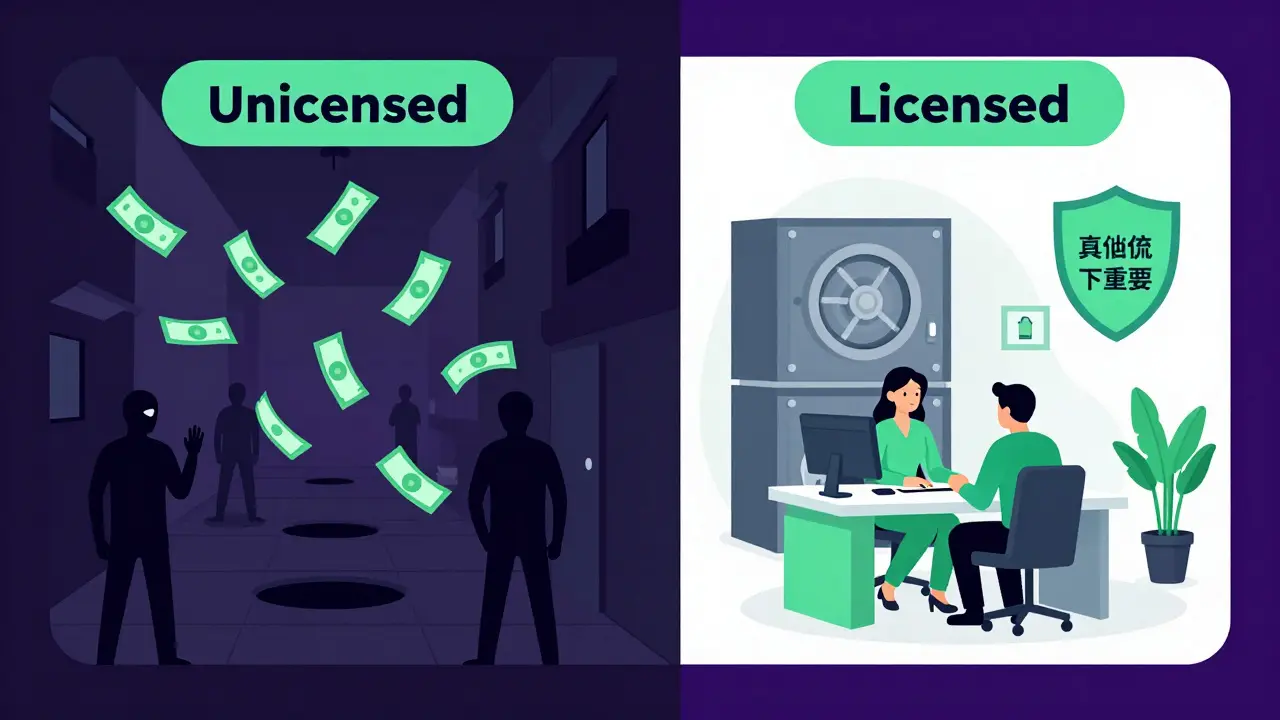
What This Means for Traders: Security vs. Freedom
If you are a regular trader in Thailand, your experience has likely changed. On the positive side, licensed platforms now offer enhanced security measures and better fraud protection. The strict Know Your Customer (KYC) procedures and continuous transaction monitoring mean that bad actors have a harder time operating. If you fall victim to fraud, there is a clearer path to recourse because licensed platforms are required to assist in refunding stolen funds.
However, there is a trade-off. Many users complain about increased transaction monitoring delays. Every large transfer might trigger a review. KYC procedures are more invasive, requiring detailed personal information. Plus, with fewer platforms competing, trading fees have gone up. The convenience of using global, unregulated exchanges with low fees is gone, replaced by a safer but more expensive and restrictive environment.
There is also a silver lining for your taxes. To encourage activity within the licensed market, the government introduced a temporary tax incentive. Individuals enjoy a five-year exemption on capital gains from trades conducted on licensed exchanges, from January 1, 2025, to December 31, 2029. After that, the long-term tax treatment remains uncertain, so don’t get too comfortable.
The Future of Crypto in Thailand
Thailand’s approach is part of a broader trend in Southeast Asia, but it stands out for its severity. While neighbors like Vietnam and Indonesia have their own restrictions, Thailand’s combination of criminal penalties, immediate blocking powers, and heavy localization requirements makes it the toughest nut to crack.
Industry analysts predict that this strict enforcement will effectively eliminate unlicensed crypto activity in Thailand within 12-18 months. The goal is a stable, transparent market where investors are protected, and money laundering is minimized. Whether this comes at the cost of innovation and competition remains to be seen. With high compliance costs limiting the number of players, the market may become less dynamic over time.
For now, the message from Bangkok is clear: comply or leave. The era of wild west crypto trading in Thailand is over. The regulators are watching, the blocks are real, and the penalties are severe.
What happens if I use an unlicensed crypto platform in Thailand?
If you use an unlicensed platform, you risk losing access to your funds. The SEC has the power to block these sites without court approval. As seen in June 2025, users of blocked platforms were warned to withdraw funds, but many faced permanent loss of access after the deadline. Additionally, you have no legal recourse if fraud occurs, as these platforms are not subject to consumer protection laws.
Can I still trade crypto in Thailand legally?
Yes, you can trade crypto legally on platforms licensed by the SEC Thailand. There are currently seven major licensed exchanges. Trading on these platforms ensures your assets are protected under Thai law, and you benefit from the current five-year capital gains tax exemption for trades conducted on licensed venues.
What is the penalty for running a "mule account"?
Operating a mule account-knowingly using your wallet or bank account for illicit funds-is a criminal offense. Penalties include up to 3 years in prison, a fine of up to THB 300,000 (approx. $8,400 USD), or both. This law targets individuals who facilitate money laundering or scam proceeds.
Do foreign crypto exchanges need a Thai license?
Yes, if they target Thai users. The SEC defines targeting broadly, including offering Thai language support, processing Baht payments, or advertising to Thai residents. Foreign platforms must establish a local legal entity, appoint a Thai director, and integrate with national AML systems to operate legally.
Is there a tax break for crypto trading in Thailand?
Yes, there is a temporary incentive. From January 1, 2025, to December 31, 2029, individuals are exempt from capital gains tax on profits generated from trades on licensed exchanges. This is designed to encourage migration from unlicensed to regulated platforms. Tax rules after 2029 are not yet finalized.