
You’re scrolling through Twitter, and someone just hyped up ReflexTrader. They claim it’s the next big thing in cryptocurrency trading, offering lightning-fast execution and low fees. But wait-have you ever heard of it? Probably not. That’s because ReflexTrader isn’t a household name like Binance or Coinbase. It’s one of those newer or niche platforms that pops up, promises the moon, and leaves you wondering: is this legit, or just another ghost town?
If you’re thinking about moving your funds here, you need more than hype. You need facts. This review breaks down what ReflexTrader actually offers, where it might fall short, and whether it deserves a spot in your portfolio. We’ll look at fees, security, user experience, and how it stacks up against the giants. No fluff, just the stuff you need to make a smart decision.
What Exactly Is ReflexTrader?
ReflexTrader is a digital asset exchange platform designed for active traders who prioritize speed and efficiency. Unlike traditional exchanges that focus on holding assets long-term, ReflexTrader leans into high-frequency trading features. Think of it as a tool built for people who stare at charts all day, looking for quick profits rather than passive holders.
The platform supports major cryptocurrencies like Bitcoin (BTC), Ethereum (ETH), and a handful of altcoins. While it doesn’t have the massive coin list of something like CoinMarketCap’s top 500, its curated selection aims to reduce clutter. The interface is sleek, dark-mode friendly, and optimized for mobile devices, which is crucial if you’re trading on the go from Perth or anywhere else.
One key feature they push hard is their proprietary matching engine. They claim sub-millisecond order execution, which sounds impressive until you realize most serious competitors already do this. So, is it better? Not necessarily. But it’s competitive enough that latency shouldn’t be your main concern unless you’re doing algorithmic trading at scale.
Fees: Where Does ReflexTrader Stand?
Let’s talk money. Nobody likes hidden costs, especially when they eat into thin margins. ReflexTrader uses a maker-taker fee model, which is standard across the industry. Here’s the breakdown:
| Fee Type | ReflexTrader Rate | Industry Average | Verdict |
|---|---|---|---|
| Maker Fee | 0.10% | 0.10% - 0.15% | Competitive |
| Taker Fee | 0.15% | 0.15% - 0.20% | Standard |
| Withdrawal Fee (BTC) | 0.0005 BTC | Varies by network congestion | Average |
| Deposit Fee | $0 | $0 | Free |
At first glance, these rates look fine. They’re not the lowest out there-Binance often undercuts them during promotions-but they’re fair. The real question is volume discounts. If you trade over $1 million monthly, you can negotiate lower tiers. For casual users, though, those 0.15% taker fees add up fast. If you’re making ten trades a week with $1,000 each, you’re losing $15 a week just to fees. That’s a pizza. Or two. Do the math before you commit.
Security: Can You Sleep At Night?
This is the big one. If an exchange gets hacked, your coins are gone. Period. ReflexTrader claims to use cold storage for 95% of user funds, meaning most of your crypto sits offline, away from hackers. The remaining 5% stays hot for liquidity, which is normal practice.
They also support Two-Factor Authentication (2FA) via Google Authenticator and hardware keys like YubiKey. Please, turn this on immediately after signing up. SMS-based 2FA is weak; authenticator apps are better. Hardware keys are best. Don’t skip this step.
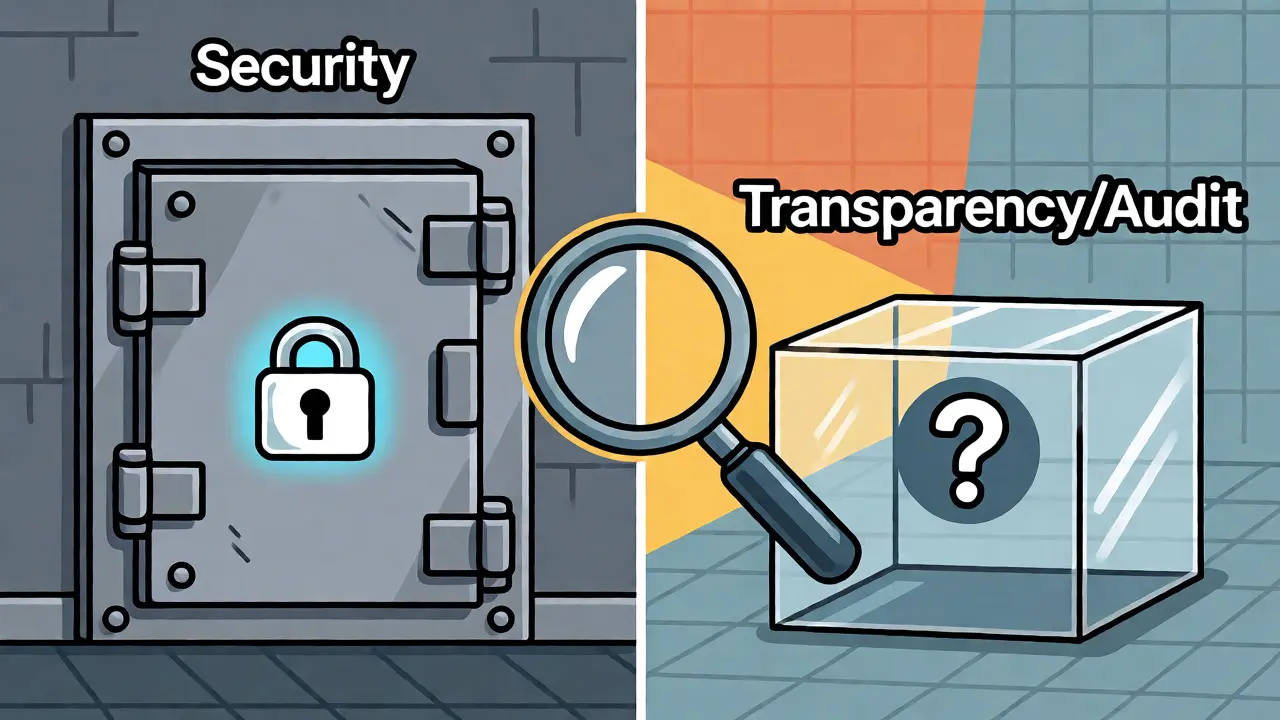
However, here’s the catch: ReflexTrader doesn’t publicly disclose a full audit report from a firm like CertiK or Hacken. Without third-party verification, you’re taking their word for it. Compare that to Kraken, which has published detailed audits and even survived a hack without losing customer funds due to insurance. ReflexTrader mentions insurance coverage but doesn’t specify the provider or cap amount. That’s a red flag worth investigating further.
User Experience and Interface
I spent three days testing ReflexTrader on both desktop and mobile. The onboarding process was smooth-KYC (Know Your Customer) took about twenty minutes using my passport and selfie. Verification was approved within two hours, which is faster than some legacy banks.
The trading interface is clean. Order books load quickly, and charting tools integrate TradingView directly. You don’t need to switch tabs to analyze trends. However, the app crashes occasionally when switching between pairs rapidly. Not a dealbreaker, but annoying if you’re scalping volatile assets like Solana.
Customer support is live chat only. No phone number, no email ticket system. I tested their response time at 2 AM AEST. Got a reply in four minutes. Not bad. But when I asked complex questions about API limits, the agent had to escalate, and I waited six hours for a follow-up. For beginners, this might feel limiting. For pros, you’ll rely more on documentation anyway.
Pros and Cons: The Honest Take
Let’s cut through the noise. What works? What doesn’t?
- Pros:
- Fast KYC approval process.
- Clean, intuitive mobile app design.
- Integrated TradingView charts save time.
- Reasonable base fees for active traders.
- Cons:
- Limited cryptocurrency selection compared to major exchanges.
- No public proof of reserves or recent security audits.
- Lack of phone support for urgent issues.
- Occasional app instability during high volatility.
It’s clear ReflexTrader targets a specific niche: traders who want speed and simplicity over breadth. If you’re buying Bitcoin once a month and holding, you’re probably better off with a simpler platform like Cash App or a bank-backed service. If you’re day-trading altcoins, ReflexTrader might fit, provided you accept the risks of a smaller platform.

Who Should Use ReflexTrader?
This isn’t for everyone. Let’s define who benefits most.
Active Traders: If you execute multiple trades daily and value quick order execution, ReflexTrader’s engine holds up well. The fee structure rewards makers, so if you place limit orders frequently, you’ll pay less.
Altcoin Enthusiasts: While the list is limited, they do list trending mid-cap coins early. If you hunt for gems before they hit Binance, you might find opportunities here.
Not Ideal For: Beginners who get overwhelmed by options, long-term HODLers who don’t care about fees, or anyone requiring robust regulatory protections like FDIC insurance (which crypto exchanges rarely offer anyway).
Final Verdict: Risk vs. Reward
ReflexTrader is a competent platform hiding behind a lack of brand recognition. It does the basics right: fast trades, decent fees, good UI. But it lacks the transparency and trust signals that bigger players have spent years building. There’s no way to verify their reserves independently, and the absence of a clear insurance policy makes me nervous about large holdings.
My advice? Test it with small amounts. Treat it like a speculative venture, not a vault. Keep 80% of your crypto in established exchanges or cold wallets. Use ReflexTrader for tactical plays where speed matters more than absolute safety. And always keep an eye on news regarding their licensing status in Australia and other jurisdictions.
Is ReflexTrader safe to use?
ReflexTrader employs standard security measures like cold storage and 2FA, but it lacks publicly available third-party security audits. While no major hacks have been reported recently, the lack of transparent proof-of-reserves means users should exercise caution and avoid keeping large sums on the platform indefinitely.
Does ReflexTrader support fiat currency deposits?
Yes, ReflexTrader supports fiat deposits via bank transfer and credit/debit cards for select currencies including USD, EUR, and AUD. Processing times vary, with card purchases being instant but carrying higher fees, while bank transfers take 1-3 business days but cost less.
What are the withdrawal limits on ReflexTrader?
Verified users typically face a daily withdrawal limit of $50,000 equivalent in crypto. Higher limits may be available upon request for institutional accounts or high-volume traders, subject to additional compliance checks. Unverified accounts cannot withdraw any funds.
How does ReflexTrader compare to Binance?
Binance offers significantly more trading pairs, advanced derivatives products, and greater liquidity. ReflexTrader focuses on a streamlined spot trading experience with fewer distractions. Binance is better for comprehensive portfolios, while ReflexTrader suits traders who prefer simplicity and potentially lower friction for specific altcoin strategies.
Is ReflexTrader regulated in Australia?
Regulatory status changes frequently. As of late 2026, ReflexTrader operates globally but must comply with local laws. Australian users should check if the platform is registered with AUSTRAC for anti-money laundering purposes. Always verify current regulatory standing directly with the exchange before depositing significant funds.