You’re staring at your screen, trying to figure out if OneSwap is the next big thing or just another ghost town on the blockchain. It’s a fair question. The crypto market in 2026 is crowded with exchanges promising high yields and low fees, but most are either too complex for beginners or too centralized for privacy advocates. OneSwap claims to bridge that gap by offering a hybrid model that feels familiar yet operates on-chain. But does it actually deliver on those promises, or is it just marketing fluff? Let’s cut through the noise and look at what you actually get when you connect your wallet.
What Exactly Is OneSwap?
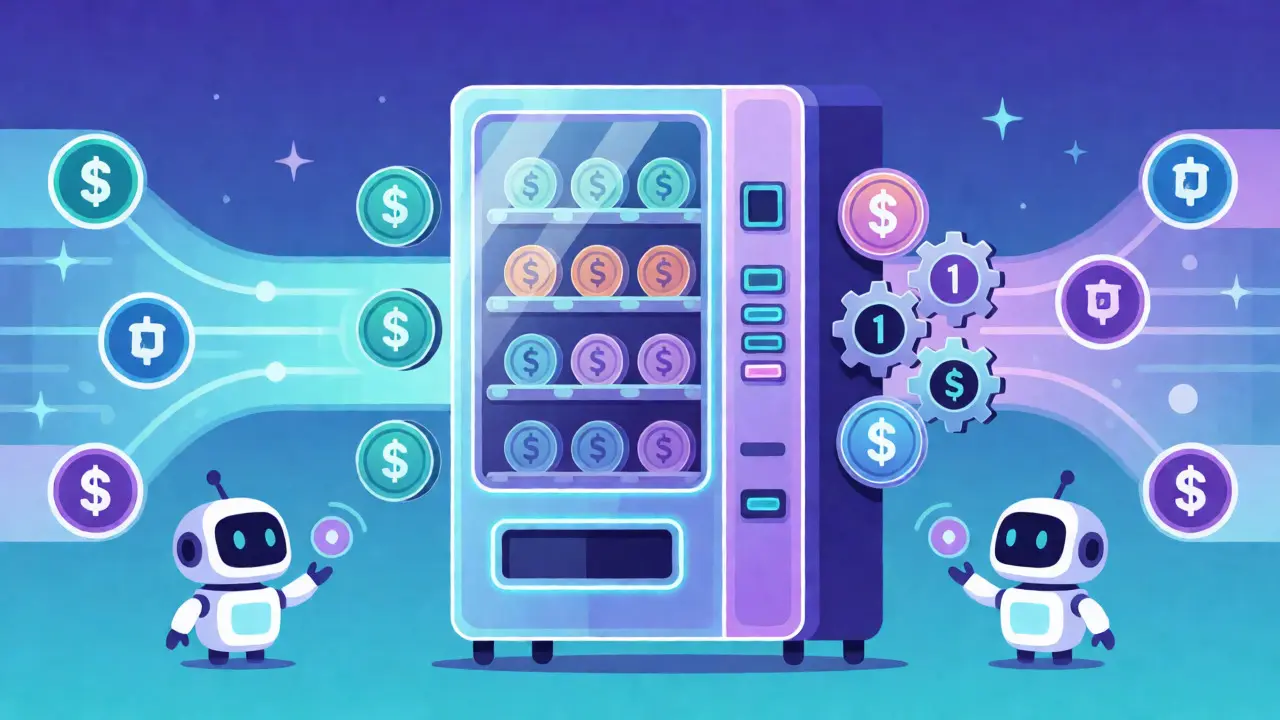
At its core, OneSwap is a decentralized exchange (DEX) protocol designed to facilitate token swaps without holding your funds. Unlike traditional centralized exchanges like Coinbase or Binance, where you trust a third party with your money, OneSwap uses smart contracts to handle trades directly from your wallet. Think of it as an automated vending machine for cryptocurrencies: you put in Token A, the contract calculates the price based on liquidity pools, and spits out Token B. No middleman, no account creation, no KYC hurdles for basic swaps.
The platform gained traction by focusing on user experience, attempting to mimic the smooth interface of centralized exchanges while maintaining the security benefits of decentralization. It supports multiple blockchain networks, allowing users to trade assets across different ecosystems without constantly bridging funds. This multi-chain capability is one of its strongest selling points, especially for traders who don’t want to be locked into Ethereum’s high gas fees.
How Does OneSwap Work?
If you’ve ever used a centralized exchange, OneSwap will feel surprisingly intuitive. You connect your Web3 wallet-MetaMask is the most common choice-and select the tokens you want to swap. The platform aggregates liquidity from various sources to find you the best possible rate. Here’s the step-by-step process:
- Connect Wallet: Click "Connect" and authorize your browser extension. Always verify the URL first to avoid phishing sites.
- Select Tokens: Choose the asset you’re selling and the asset you’re buying. OneSwap usually suggests popular pairs like ETH/USDC or BTC/ETH.
- Review Quote: The system shows you the estimated output, including network fees and slippage tolerance. Adjust slippage if you’re trading volatile assets; higher slippage means a higher chance of transaction success but potentially worse pricing.
- Approve & Swap: For new tokens, you’ll need to approve spending rights. Then, confirm the swap. Wait for the blockchain confirmation, which varies by network speed.
The underlying technology relies on Automated Market Makers (AMMs). Instead of matching buyers and sellers in an order book, OneSwap uses liquidity pools funded by other users. When you trade, you’re swapping against this pool. The price adjusts algorithmically based on the ratio of tokens in the pool. This ensures that there’s always liquidity available, even for obscure tokens, though prices can shift dramatically if the pool is small.
Fees and Costs: What Will You Actually Pay?
Let’s talk money. Nothing kills a trade faster than unexpected fees. OneSwap charges a standard trading fee, typically around 0.3% per swap, which goes to liquidity providers. This is competitive compared to other major DEXs but higher than some specialized stablecoin-focused platforms. However, the real cost often comes from network gas fees.
| Cost Component | OneSwap (Ethereum Mainnet) | OneSwap (Arbitrum/Base) | Centralized Exchange (e.g., Binance) |
|---|---|---|---|
| Trading Fee | $3.00 (0.3%) | $3.00 (0.3%) | $1.00 (0.1% typical) |
| Network Gas Fee | $5.00 - $20.00 | $0.10 - $0.50 | $0.00 (usually free) |
| Total Estimated Cost | $8.00 - $23.00 | $3.10 - $3.50 | $1.00 |
| Custody Risk | Low (Self-custody) | Low (Self-custody) | High (Third-party) |
As you can see, trading on Ethereum mainnet can be expensive for small amounts. If you’re swapping less than $500, the gas fees might eat up a significant portion of your capital. That’s why many users prefer Layer 2 solutions like Arbitrum or Base, where OneSwap is also deployed. On these networks, total costs drop to under $4 for a $1,000 trade, making it much more viable for everyday users.
Security: Can You Trust the Code?
Security is the elephant in the room for any DeFi platform. OneSwap has undergone several audits by reputable firms, which is a good sign. Audits check the smart contracts for vulnerabilities that hackers could exploit. However, code security doesn’t protect you from user error. The biggest risk isn’t a hack; it’s approving malicious contracts.
When you interact with a new token, you grant permission for the contract to spend your tokens. If you accidentally approve a scam token, they can drain your wallet. Always revoke permissions regularly using tools like Revoke.cash. Also, be wary of fake websites. Phishing attacks remain the top cause of losses in DeFi, accounting for over 70% of incidents in recent years. Bookmark the official domain and never click links from social media DMs.
Pros and Cons: The Honest Verdict
No platform is perfect. Here’s a balanced look at what works and what doesn’t.
Pros:
- Self-Custody: You hold your own keys. If OneSwap goes down tomorrow, your funds are still safe in your wallet.
- No KYC: No ID verification needed for basic swaps, preserving your privacy.
- Multi-Chain Support: Access to assets across Ethereum, Arbitrum, Polygon, and others from one interface.
- User-Friendly UI: Cleaner and simpler than many competitors, reducing the learning curve.
Cons:
- Gas Fees: High costs on Ethereum mainnet can deter small traders.
- Limited Fiat On-Ramps: You generally need crypto already to start trading; direct bank transfers aren’t native.
- Impermanent Loss: If you provide liquidity, you risk losing value compared to just holding tokens due to price volatility.
- Support: Community-driven support only. No phone number to call when things go wrong.
Who Should Use OneSwap?
OneSwap isn’t for everyone. It’s ideal for intermediate crypto users who understand wallet management and want lower fees than centralized exchanges offer. If you’re actively trading altcoins and want to avoid holding funds on an exchange, this is a solid option. Beginners might find the initial setup daunting, especially the concept of gas fees and token approvals. Advanced traders might prefer platforms with more sophisticated tools like limit orders or leverage, which OneSwap currently lacks in its basic mode.
Consider alternatives if you need fiat integration or advanced derivatives. For simple spot trading with self-custody, OneSwap holds its ground well against competitors like Uniswap or SushiSwap, particularly due to its streamlined interface.
Final Thoughts
Is OneSwap worth your time in 2026? Yes, if you prioritize control over convenience. It offers a secure way to trade without trusting a third party, and its multi-chain approach saves you hassle. Just remember: with great power comes great responsibility. You’re your own bank now, so double-check every transaction and keep your private keys safe.
Is OneSwap safe to use?
Yes, OneSwap uses audited smart contracts and non-custodial architecture, meaning you retain control of your funds. However, safety also depends on user behavior, such as verifying URLs and managing token approvals carefully to avoid phishing scams.
Do I need to complete KYC to use OneSwap?
No, OneSwap does not require Know Your Customer (KYC) verification for standard token swaps. You simply connect a Web3 wallet to start trading, which enhances privacy compared to centralized exchanges.
What are the fees on OneSwap?
OneSwap typically charges a 0.3% trading fee per swap, which goes to liquidity providers. Additionally, you must pay network gas fees, which vary significantly depending on whether you are trading on Ethereum mainnet or Layer 2 networks like Arbitrum or Base.
Can I buy crypto with credit card on OneSwap?
Directly, no. OneSwap is primarily a swap platform for existing crypto assets. To buy crypto with a credit card, you would typically use a fiat on-ramp service integrated within the wallet or a separate centralized exchange before transferring funds to OneSwap.
Which blockchains does OneSwap support?
OneSwap supports multiple major networks, including Ethereum, Arbitrum, Optimism, Polygon, and Base. This allows users to choose the network with the lowest fees and fastest speeds for their specific trading needs.