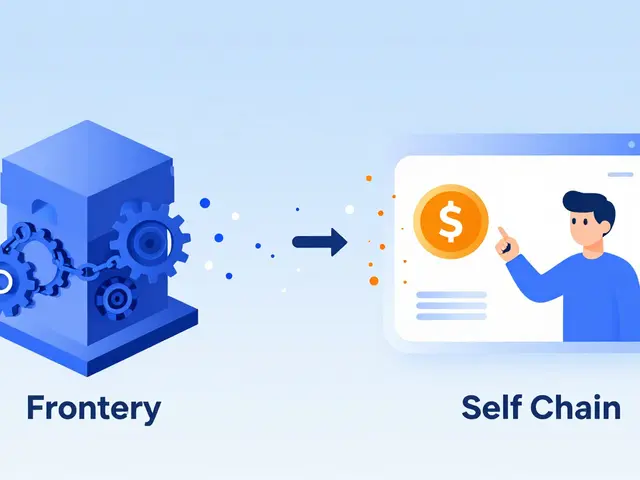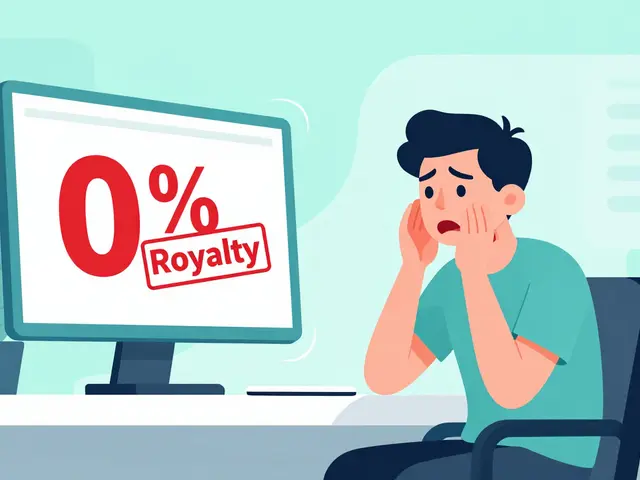
Imagine spending months creating a digital artwork, only to watch it resell for ten times its original price while you get exactly zero dollars from that transaction. For years, this was the standard reality for many digital artists. That changed with the rise of NFT royaltiesprogrammatically enforced secondary sale commissions embedded in smart contracts. These mechanisms promise creators a percentage of every future resale, theoretically ensuring long-term income. However, as we move through 2026, the landscape has shifted dramatically. The "royalty wars" of 2022-2023 shattered the illusion of guaranteed enforcement, leaving creators to navigate a fragmented ecosystem where your earnings depend less on blockchain code and more on marketplace policy.
This guide breaks down how NFT royalty mechanisms actually work across major platforms like OpenSea, Blur, and Magic Eden. We will look at the technical standards, the economic realities, and the specific steps you need to take to protect your income in an environment where enforcement is often voluntary rather than mandatory.
The Technical Foundation: How Royalties Are Built
To understand why royalties are so hard to enforce, you first need to understand how they are built. When you mint an NFT, you aren't just uploading a JPEG; you are deploying a smart contract on a blockchain. This contract contains the rules of the asset, including the royalty structure.
On Ethereum, the industry standard is EIP-2981a technical standard for royalty information on NFTs. This protocol allows wallets and marketplaces to query the contract and see who should get paid and what percentage. On Solana, the equivalent is the Metaplex Creator Standard. Both systems allow for customizable rates, typically ranging from 2.5% to 15%, though some platforms allow higher caps.
The critical misconception here is that these standards force payment. They do not. As experts have noted, blockchains like Ethereum cannot inherently enforce stipulations on token transfers between users. The smart contract says, "I would like 5%," but if a marketplace decides to ignore that request, the blockchain simply processes the transfer anyway. This means royalty enforcement is not a feature of the blockchain itself, but a policy decision made by the platform facilitating the trade.
| Platform | Royalty Enforcement Status | Max Royalty Rate | Key Feature / Mechanism |
|---|---|---|---|
| OpenSea | Mandatory (via Operator Filter) | 10% | Operator Filter Registry & Creator Blacklist |
| Blur | Optional (Incentivized) | Variable | BLUR token rewards for honoring royalties |
| Magic Eden | Optional (Royalty Shield) | Variable | Protocol-level protection on Solana/EVM |
| Rarible | Mandatory | 50% | High cap support for creator flexibility |
| Solanart | None | 0% | No enforcement or incentives |
The Marketplace Landscape: Who Enforces and Who Doesn't?
The fragmentation of the market means your choice of platform dictates your revenue. Let's look at how the big players handle this.
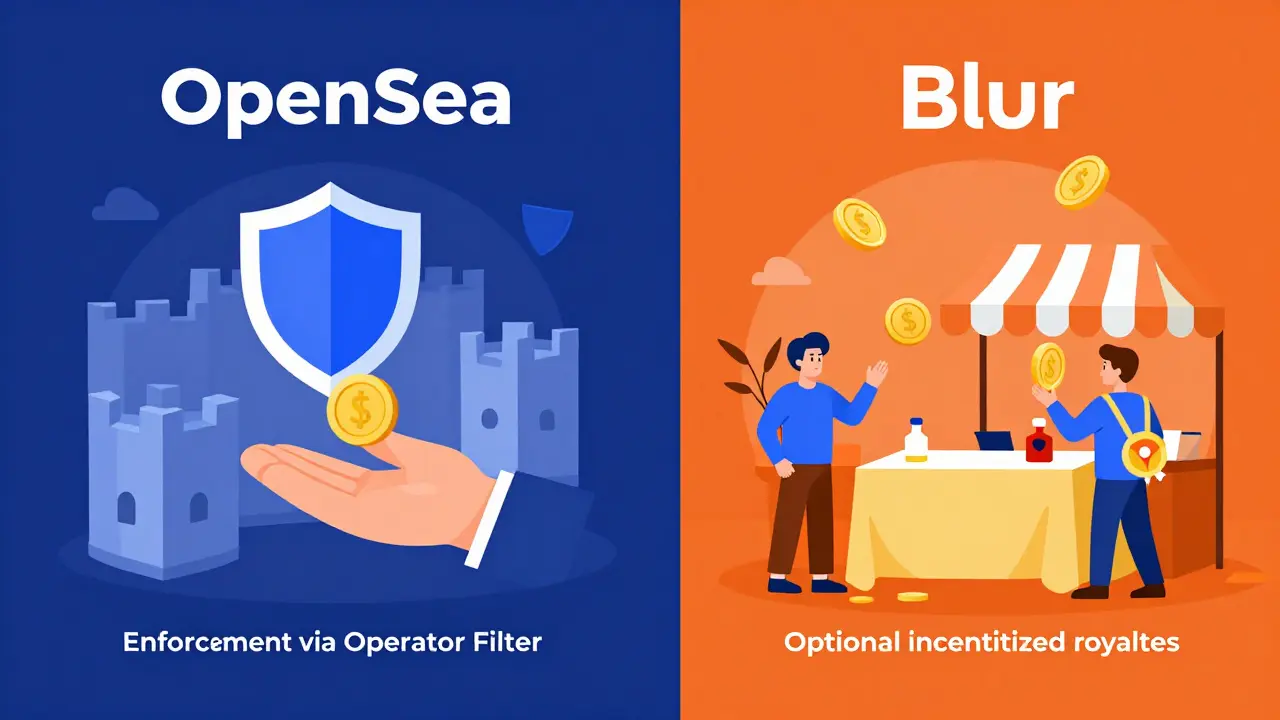
OpenSea remains the strongest advocate for creator rights. By implementing the Operator Filter Registrya mechanism allowing collections to block trades on non-compliant marketplaces, OpenSea effectively creates a walled garden. If a collection opts into this filter, trades can only happen on platforms that respect the royalty settings. Additionally, OpenSea offers a creator blacklist tool, allowing artists to ban specific addresses from trading their work. However, there is a catch: OpenSea primarily enforces royalties at the collection level, not always for individual pieces minted outside of standardized batches.
Blur took a different approach. Initially eliminating royalties entirely to attract high-volume traders, Blur later introduced a complex economic model using its native BLUR token. Traders earn more tokens if they honor royalties, but they are not forced to pay them. This created a system where royalty compliance became a choice based on whether the trader wanted the token incentive. For creators, this means your royalties are paid only if the buyer values the BLUR reward enough to cover the cost.
Magic Eden, the dominant marketplace on Solana, also shifted to optional royalties. In early 2025, they launched "Royalty Shield," an attempt to incentivize compliance. Early data showed only about 35% buyer compliance. While this is better than nothing, it represents a significant drop from the mandatory days of 2021. Meanwhile, platforms like Solanart continue to offer zero enforcement, making them attractive for buyers looking to avoid fees but disastrous for creators relying on secondary sales.
The Economic Reality: Do High Royalties Kill Sales?
There is a persistent debate in the community about whether enforcing royalties actually helps creators. Research published on SSRN in 2022 provided some surprising insights. The study found that higher royalty rates often lead to lower primary sale prices. Creators, anticipating future royalty streams, tend to undervalue their initial work-a phenomenon known as the "delayed gratification effect."
Furthermore, the research highlighted an "overconfidence effect." Many creators believe their work will be traded frequently enough to recoup the initial low price through royalties. Often, this doesn't happen. In the short term, creators who set high royalties may end up earning less because the high fee discourages secondary trading volume. Assets with enforced royalties often trade at a premium compared to identical assets on royalty-free platforms, which reduces liquidity. If your NFT is harder to sell because of a 10% fee, it might sit unsold longer than a version with no fee.
This economic pressure explains why platforms like Blur and X2Y2 moved toward optional models. They argued that removing friction increased overall trading volume. For creators, this presents a dilemma: do you want a smaller slice of a larger pie (high volume, low/no royalties) or a larger slice of a smaller pie (low volume, high royalties)?
Practical Implementation: Setting Up Your Royalties
If you are ready to mint, here is how you can practically implement royalty protections. The process varies significantly depending on your technical skill and chosen platform.
- Choose the Right Platform: If royalty enforcement is your priority, stick to platforms with mandatory structures like OpenSea or Rarible. Rarible allows royalties up to 50%, giving you maximum flexibility if you believe in your project's long-term value.
- Set Realistic Rates: Avoid setting royalties above 10%. Data suggests that rates between 2.5% and 5% strike the best balance between creator income and buyer willingness to trade. Rates above 10% often trigger arbitrage bots or drive traders to non-compliant platforms.
- Use Operator Filters (For Ethereum): If you are launching a collection on Ethereum, consider implementing the Operator Filter Registry. This requires developer assistance but ensures your NFTs cannot be traded on platforms that don't pay royalties. This is the closest thing to "immutable" enforcement currently available.
- Verify Wallet Addresses: A common error reported by creators is configuring the wrong wallet address for royalty payments. Double-check your recipient address during the minting process. Once deployed, changing this without redeploying the contract can be difficult or impossible.
- Monitor Cross-Platform Behavior: Understand that royalties set on one platform may not carry over to another unless both support the same standard (like EIP-2981). Always check the terms of service of any secondary marketplace before listing.
Future Outlook: Where Are We Heading in 2026?
As we look toward the latter half of 2026, three scenarios are emerging for the future of NFT royalties.
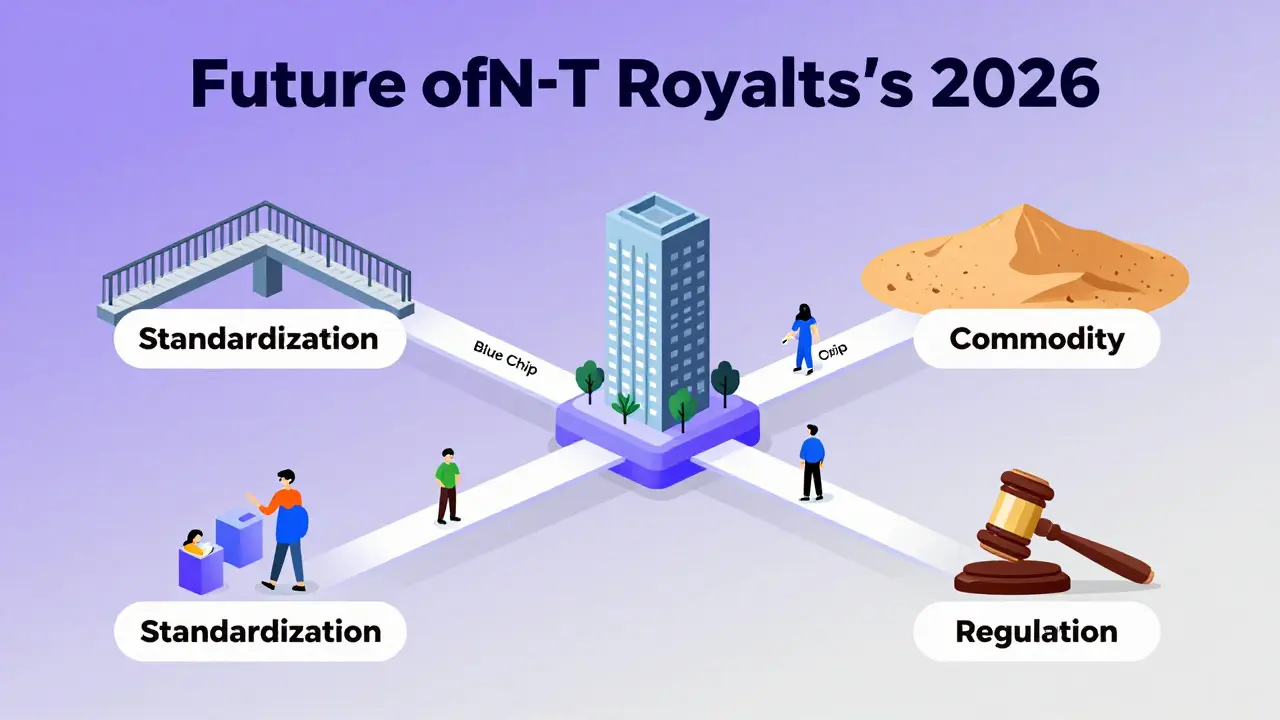
First, there is the "standardization" scenario. Protocols like the Royalty Registry are attempting to create cross-platform compatibility. If adopted widely, this could restore some trust by ensuring royalties follow the asset regardless of where it is sold. Analysts predict a 45% probability of this gaining traction by late 2026.
Second, the "two-tier market" is becoming visible. Premium, blue-chip collections are maintaining strict royalty enforcement through operator filters and community pressure. Meanwhile, commodity NFTs and gaming assets are operating in a royalty-free environment to maximize liquidity. You may need to decide which tier your project belongs to.
Finally, regulatory scrutiny is increasing. The SEC's 2024 guidance suggested that high-royalty NFTs marketed as investment vehicles could potentially be classified as securities. This adds a layer of legal risk for creators who rely heavily on passive royalty income. It is advisable to consult legal counsel if you are structuring large-scale projects with significant royalty expectations.
The bottom line is that NFT royalties are no longer automatic. They require active management, strategic platform selection, and realistic economic expectations. By understanding the mechanics behind the scenes, you can make informed decisions that protect your creative work in a volatile market.
Can I force someone to pay my NFT royalties on the blockchain?
No, you cannot force payment directly through the blockchain infrastructure itself. Standards like EIP-2981 provide information about who should be paid, but they do not stop a transaction from occurring if the marketplace ignores them. Enforcement relies on marketplace policies, such as OpenSea's Operator Filter, or economic incentives, like Blur's token rewards.
What is the best royalty rate to set for an NFT?
Most industry experts recommend a rate between 2.5% and 5%. Rates above 10% often discourage secondary trading volume because buyers prefer to avoid the extra cost. Lower rates may increase trading frequency, potentially resulting in higher total earnings despite the smaller percentage per sale.
Does OpenSea still enforce royalties in 2026?
Yes, OpenSea maintains the strongest commitment to royalty enforcement among major platforms. Through its Operator Filter Registry, it allows collections to restrict trading to compliant marketplaces. However, this must be actively enabled by the creator during the setup process; it is not automatic for all listings.
Why did Blur and Magic Eden switch to optional royalties?
These platforms switched to optional royalties to compete on price and attract high-volume traders. Mandatory royalties add friction and cost to transactions. By making royalties optional, these platforms increased liquidity and trading volume, arguing that a larger market benefits everyone, even if individual royalty percentages drop.
How do I protect my royalties if I use multiple marketplaces?
You should prioritize platforms that support universal standards like EIP-2981 and implement operator filters if available. Additionally, monitor your sales across different platforms to ensure compliance. Using tools like Royalty Registry can help track cross-platform performance, but remember that enforcement is ultimately determined by each individual marketplace's current policy.