Have you heard the buzz about the LaunchZone NFT Unit Farm airdrop? If you are scrolling through your crypto feeds right now, you have probably seen people talking about stacking points for the upcoming $LZ token distribution. It feels like every week there is a new platform promising free tokens if you just connect your wallet and hold an NFT. But here is the thing: most of these opportunities vanish in minutes, or worse, they turn out to be scams that drain your funds.
LaunchZone positions itself as a comprehensive decentralized finance (DeFi) ecosystem. The promise is simple: participate in their 'Unit Farm' by holding specific NFTs, and you earn eligibility for the $LZ governance and utility token airdrop. But how exactly does it work? What do you need to do today to secure your spot? And more importantly, is this actually worth your time and gas fees?
What Is LaunchZone and the $LZ Token?
To understand the airdrop, you first need to understand the platform. LaunchZone is a decentralized finance platform designed to streamline project launches and community engagement through gamified mechanisms. Unlike traditional launchpads where you simply buy into an Initial DEX Offering (IDO), LaunchZone integrates a layer of NFT-based farming.
The native currency of this ecosystem is the $LZ token. This isn't just a meme coin; it serves two critical functions within the network:
- Governance: Holders can vote on which projects get listed on the platform and how treasury funds are allocated.
- Utility: You use $LZ to pay for transaction fees, access premium farming tiers, and stake for additional yields.
The 'NFT Unit Farm' is the mechanism they are using to distribute these initial tokens fairly among early adopters. Instead of giving tokens to whoever has the most money, they are rewarding activity and loyalty through Non-Fungible Tokens (NFTs). Think of it like getting a VIP pass to a concert-you don't buy the ticket at the door; you earned it by being part of the community early on.
How the NFT Unit Farm Mechanism Works
Most DeFi platforms rely on liquidity mining, where you lock up stablecoins to earn rewards. LaunchZone flips this model. Here is the step-by-step logic behind their Unit Farm system:
- NFT Acquisition: You need to own a specific LaunchZone NFT. These act as your 'farming units.' Each NFT represents a share of the total airdrop pool.
- Staking/Farming: You deposit or 'stake' your NFT into the LaunchZone smart contract. While staked, your NFT generates 'points' or 'units' over time.
- Point Accumulation: These points determine your allocation. The more points you accumulate before the snapshot date, the more $LZ tokens you receive during the distribution.
- Distribution: Once the farming period ends, the smart contract automatically distributes $LZ tokens to the wallets associated with the staked NFTs.
This structure protects the project from bots. Since NFTs often require manual interaction and sometimes have a floor price on marketplaces like OpenSea or Blur, it raises the barrier to entry slightly compared to clicking a single 'claim' button. It ensures that real users, not scripts, are building the community.
Step-by-Step: How to Participate in the Airdrop
If you want to grab some $LZ tokens, you cannot wait until the last minute. Airdrop farming requires preparation. Here is your actionable checklist to get started safely.
1. Set Up a Dedicated Wallet
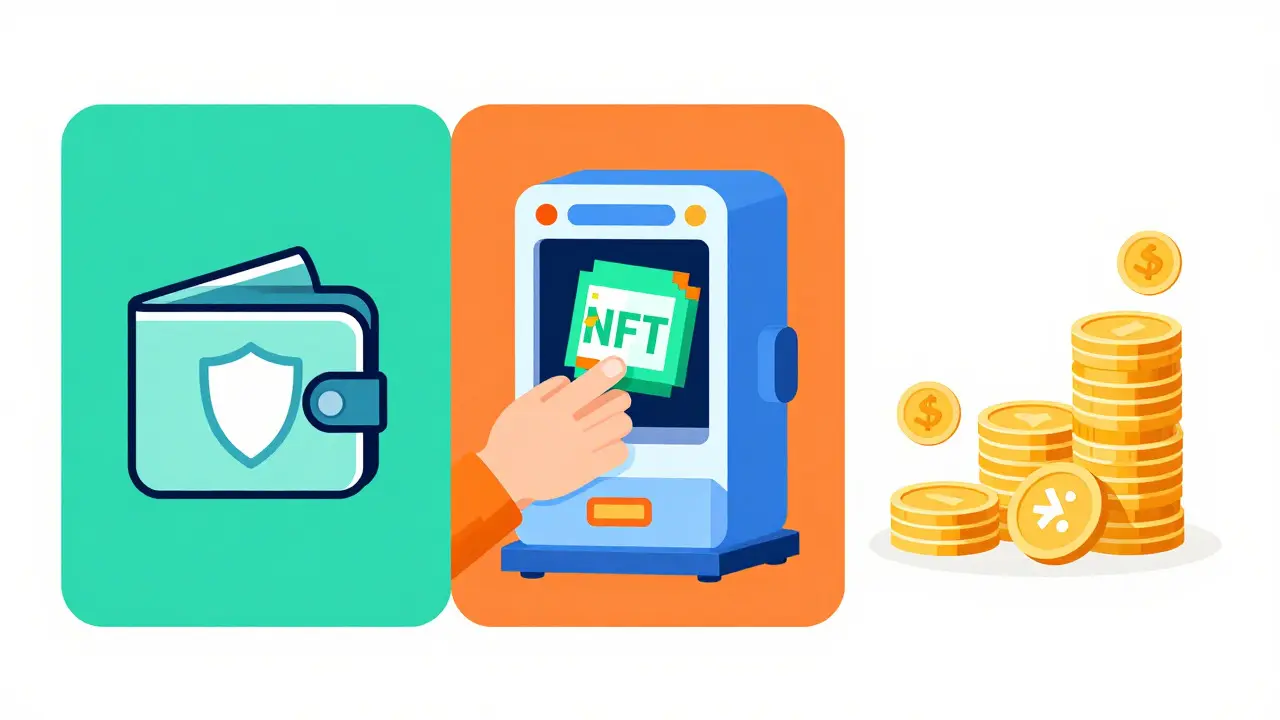
Never use your main wallet-the one holding your life savings-for airdrop farming. Create a fresh MetaMask or Phantom wallet. Fund it with only enough ETH (or SOL, depending on the chain LaunchZone uses) to cover gas fees and the cost of the NFT. This isolates your risk. If the smart contract has a bug, you only lose what you put in that specific wallet.
2. Verify Official Channels
This is crucial. Scammers create fake websites that look identical to the real LaunchZone site. Always bookmark the official URL from their verified Twitter (X) account or Discord server. Look for the blue checkmark and cross-reference links with sites like DefiLlama or CoinGecko. Do not click links from random DMs.
3. Acquire the Farming NFT
You will likely need to purchase a LaunchZone NFT from their official marketplace or secondary markets. Check the current floor price. If the price spikes too high relative to the expected value of the airdrop, your return on investment (ROI) might be negative. Calculate the break-even point before buying.
4. Stake Your NFT in the Unit Farm
Once you own the NFT, go to the LaunchZone dashboard. Connect your wallet and navigate to the 'Unit Farm' section. Approve the transaction to allow the smart contract to interact with your NFT, then stake it. Confirm the transaction on your blockchain explorer to ensure it went through correctly.
5. Maintain Activity
Some airdrops require ongoing interaction. Check if LaunchZone asks you to perform weekly tasks, such as joining their Discord, following social media accounts, or providing liquidity to other pools in their ecosystem. Consistency matters. Don't stake and forget; stay engaged with the community updates.
Risks and Considerations Before You Farm
Crypto farming sounds easy, but it comes with hidden risks. Let's look at the reality beyond the hype.
| Risk Type | Description | Mitigation Strategy |
|---|---|---|
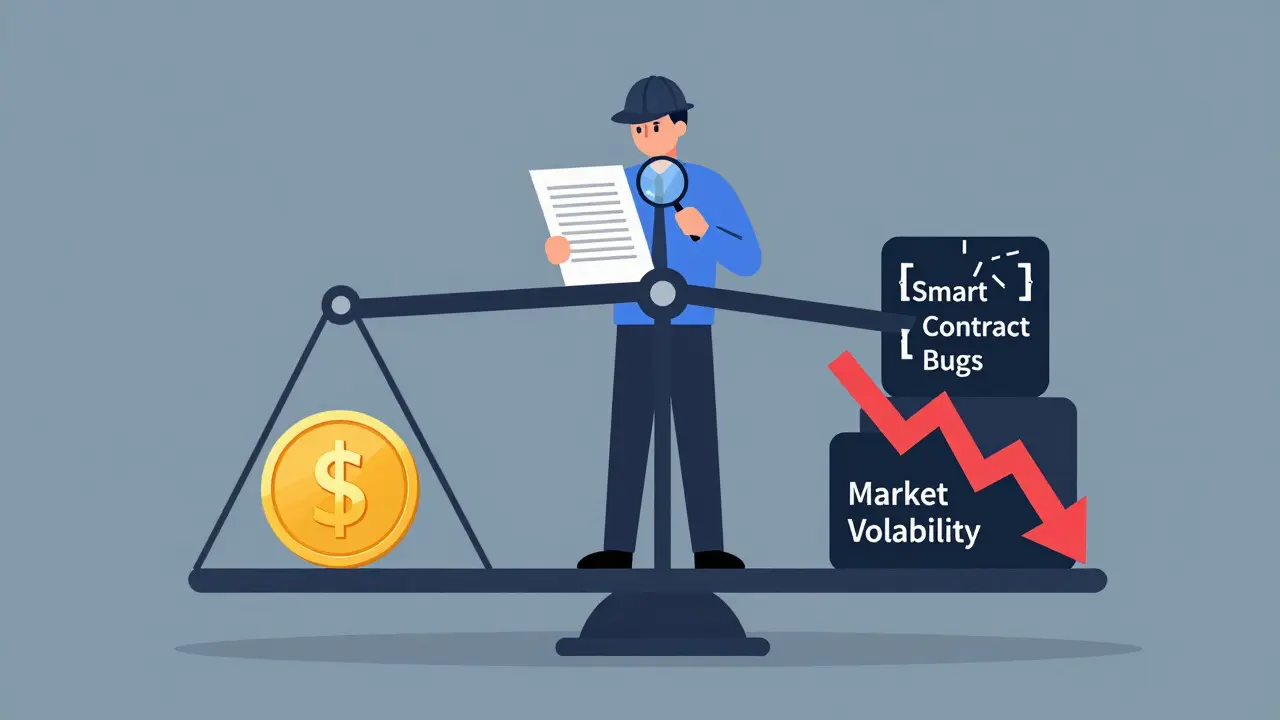
| Smart Contract Risk | Bugs in the code could lead to loss of staked NFTs or funds. | Use a burner wallet. Check if the contract is audited by firms like CertiK or Trail of Bits. |
| Market Volatility | The $LZ token price might crash immediately after listing. | Calculate ROI based on conservative estimates. Don't invest more than you can afford to lose. |
| Phishing Scams | Fake sites stealing your private keys or signing malicious transactions. | Always verify URLs. Use hardware wallets for signature approval when possible. |
| Opportunity Cost | Your capital is locked in an NFT that might drop in value. | Monitor secondary market trends. Be ready to sell the NFT if the project loses momentum. |
One major concern is the 'cliff' distribution. Some projects release 100% of the airdrop on day one, causing immediate selling pressure. Others vest tokens over months. Check LaunchZone's tokenomics documentation to see if $LZ tokens are vested or liquid upon receipt. If they are vested, you cannot sell them immediately, which affects your strategy.
Comparison: LaunchZone vs. Other DeFi Airdrops
How does LaunchZone stack up against other popular farming opportunities? Let's compare it to standard models.
Traditional IDO launchpads like DAO Maker or Polkastarter usually require you to stake their existing token to get allocation. This means you need significant capital upfront. LaunchZone's NFT model lowers the financial barrier if the NFT floor price is low, but it adds complexity because you now hold an illiquid asset (the NFT) while waiting for the airdrop.
Compared to simple bridge airdrops (like those from Layer 2 networks), LaunchZone requires active participation. Bridge airdrops reward you just for moving money. LaunchZone rewards you for locking assets. Generally, active participation leads to higher allocations but also higher effort and risk.
Strategic Tips for Maximizing Your Yield
If you decide to proceed, here are some pro tips to optimize your position:
- Multi-Wallet Strategy: If the rules allow, consider using multiple wallets. However, beware of sybil filtering. Projects often ban addresses that behave identically. Make each wallet unique by interacting with different dApps and having varied transaction histories.
- Community Engagement: Join the LaunchZone Discord. Developers often drop hints about bonus multipliers for active community members. Being visible can sometimes help if there is a subjective element to the distribution.
- Track Gas Fees: If LaunchZone is on Ethereum Mainnet, gas fees can eat your profits. If it is on a cheaper chain like Arbitrum, Optimism, or Solana, your costs will be negligible. Choose your entry point wisely.
Conclusion: Is It Worth It?
The LaunchZone NFT Unit Farm offers a structured way to potentially earn $LZ tokens without needing massive capital. However, it is not a guaranteed win. The success of your farm depends on the project's long-term viability, the final token price, and your ability to manage risks.
Do your due diligence. Read the whitepaper. Check the team's background. Start small. In the world of DeFi, patience and caution are your best tools. If you follow the steps above and keep your expectations realistic, you might find yourself sitting on a profitable bag of $LZ tokens when the dust settles.
When will the LaunchZone $LZ airdrop happen?
While exact dates can shift, LaunchZone has indicated that the distribution will occur after the completion of the NFT farming phase. Keep an eye on their official Twitter and Discord announcements for the precise snapshot date. Typically, these events are announced with 1-2 weeks notice.
Is the LaunchZone NFT Farm safe?
Safety depends on the smart contract audit status. Always verify if LaunchZone has published an audit report from a reputable firm. Additionally, using a separate wallet limits your exposure. No DeFi project is 100% risk-free, so assume there is always some level of technical risk.
Do I need to hold the NFT forever?
Not necessarily. You typically need to hold the NFT until the snapshot date when the airdrop eligibility is calculated. After the snapshot, you may be able to unstake or sell the NFT, but check the specific terms of the Unit Farm contract to avoid losing your points.
What blockchain is LaunchZone built on?
LaunchZone operates on a blockchain that supports EVM-compatible contracts, likely Ethereum or a Layer 2 solution like Arbitrum or Polygon for lower fees. Confirm the specific network in their documentation to ensure you have the correct native currency for gas fees.
Can I farm with multiple wallets?
Yes, but be careful. Many projects use anti-sybil measures to detect bot behavior. If you use multiple wallets, ensure each one has a unique history of interactions across different DeFi protocols to appear as a genuine user rather than a farm.