Buying cryptocurrency with the Russian Ruble (RUB) is no longer a simple click-and-buy process on every global platform. Since 2022, the landscape has shifted dramatically due to sanctions and evolving local laws. However, it remains entirely possible-and actually quite robust-if you know which tools to use. You won’t find direct credit card purchases on Coinbase or Binance anymore, but alternatives like peer-to-peer (P2P) marketplaces and localized exchanges have filled the gap efficiently.
This guide cuts through the noise. We will look at exactly how to convert your rubles into stablecoins like USDT or Bitcoin using the most reliable methods available in mid-2026. We will cover the best platforms, the specific banking quirks you need to watch out for, and the legal boundaries set by the Central Bank of Russia.
Can I buy crypto directly with a Sberbank card?
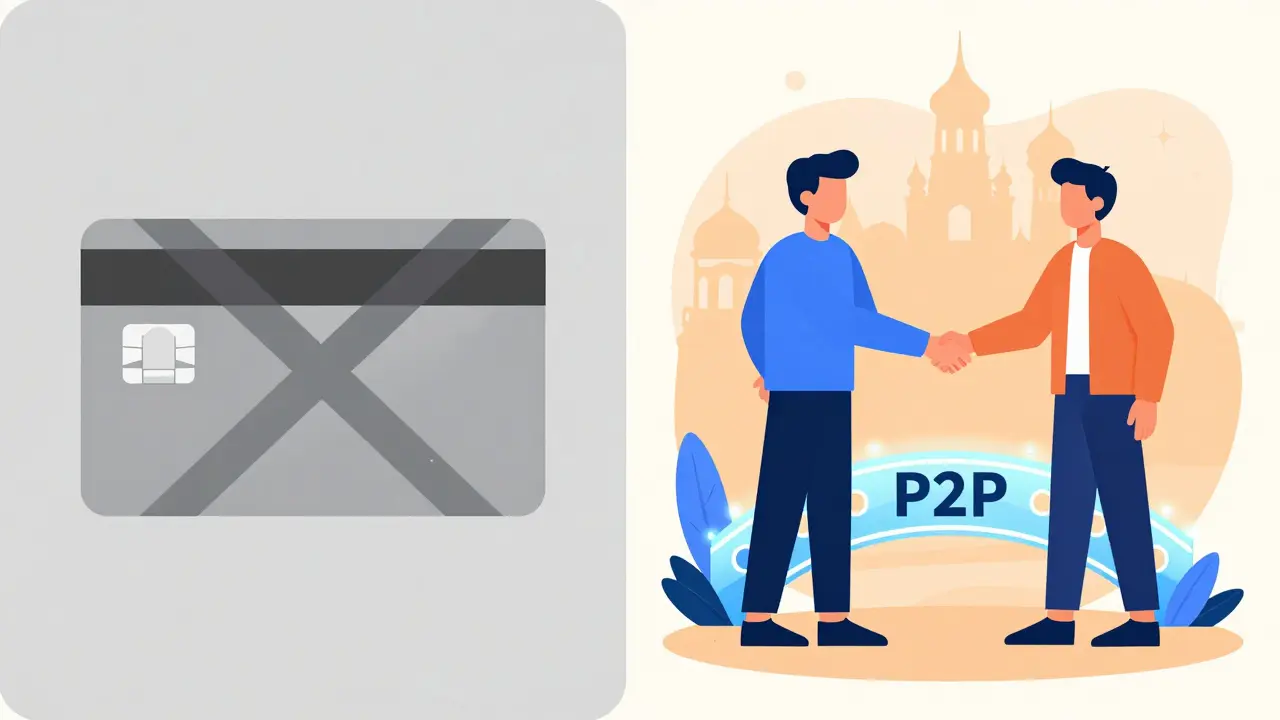
Directly, usually not. Most international payment processors block crypto transactions from major Russian state-owned banks like Sberbank. Instead, users rely on P2P trading where they send rubles via bank transfer to another individual, who then releases crypto. Some localized services offer indirect card processing, but P2P is the standard.
The Three Main Ways to Buy Crypto in Russia
You generally have three paths when converting fiat rubles to digital assets. Each serves a different purpose depending on your speed needs, amount, and privacy preferences.
- Peer-to-Peer (P2P) Trading: This is the dominant method in Russia. You match with another user who sells you crypto. You send rubles via bank transfer, and the platform holds the crypto in escrow until the seller confirms receipt. Platforms like Bybit is a leading cryptocurrency exchange offering robust P2P markets for RUB transactions dominate this space.
- Instant Card Swaps: Services like ChangeNOW is a non-custodial cryptocurrency exchange service allowing instant swaps without registration allow you to pay with a MIR card or other local cards and receive crypto in your wallet within minutes. No account is needed, but fees are higher.
- Localized Exchanges: Platforms such as Bitbanker operate specifically within the Russian regulatory framework. They offer direct integration with local banks and even physical cash withdrawal points in cities like Moscow.
For most people, P2P offers the best balance of price and reliability. Instant swaps are good for small, urgent purchases. Localized exchanges are useful if you prefer dealing with a single corporate entity rather than individual traders.
Mastering P2P Trading: The Russian Way
P2P trading is the backbone of crypto adoption in Russia. In Q3 2025 alone, P2P volume surged, making up the majority of RUB inflows. But it’s not just about clicking "Buy." You need to understand the ecosystem to avoid scams and failed transactions.
Understanding Bank Color Codes
One unique feature of Russian P2P markets is the "color coding" system used by platforms like Bybit to help buyers identify sellers’ banks. This isn’t an official government thing-it’s a community-driven convention that helps avoid payment issues.
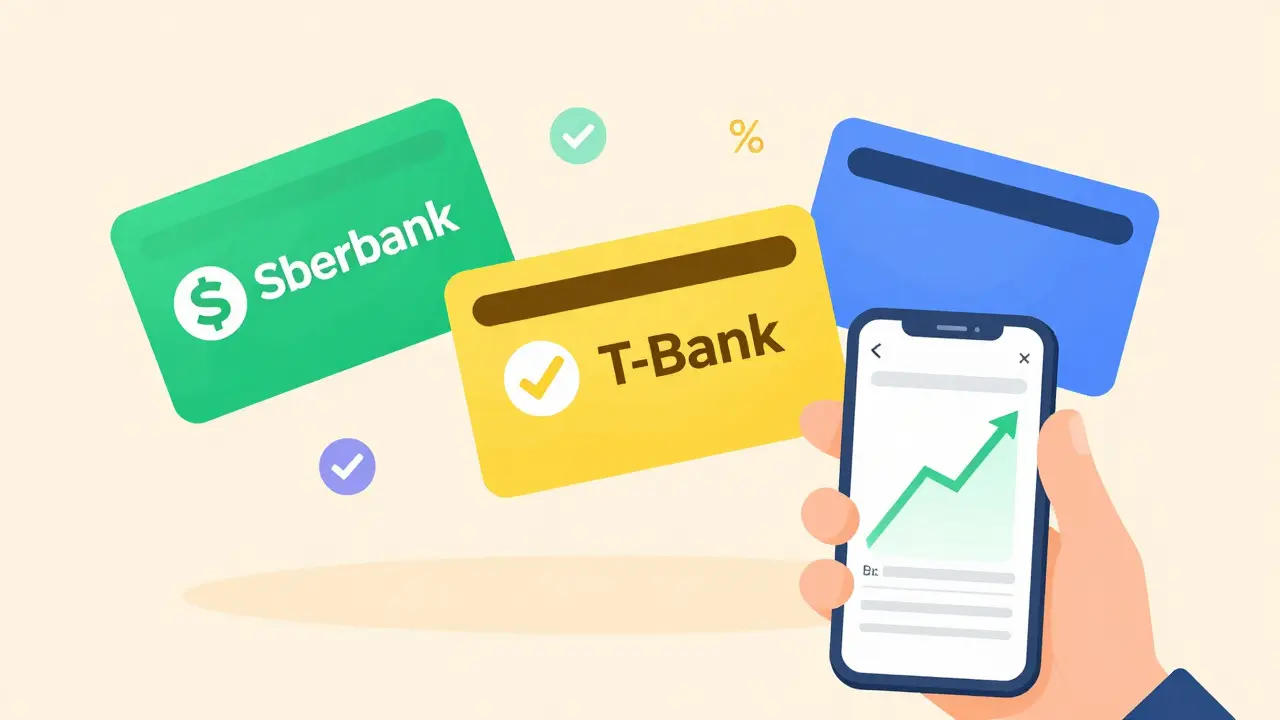
- Green Card: Typically indicates Sberbank is Russia's largest state-owned bank, often restricted for direct crypto payments but widely used in P2P transfers. Transactions here are common but can sometimes face stricter scrutiny.
- Yellow Card: Usually represents Tinkoff Bank (now rebranded as T-Bank). Users report a 92% success rate for transactions with T-Bank, making it one of the most reliable options.
- Blue/Other Colors: May indicate smaller regional banks or Alfa-Bank. Always check the seller’s history regardless of color.
Why does this matter? Because some banks automatically block transfers to accounts flagged for crypto activity. If you send money to a seller whose bank blocks incoming crypto-related funds, your transaction might hang. Choosing a seller with a high completion rate (95%+) and many trades (50+) minimizes this risk.
Step-by-Step: Buying USDT on Bybit
Here is how you execute a typical P2P trade:
- Open the Bybit app and go to Buy Crypto > P2P Trading.
- Select the Sell tab (you are buying, so you look for sellers).
- Choose USDT as the cryptocurrency and RUB as the fiat currency.
- Filter by payment method. Select your preferred bank (e.g., T-Bank or Sberbank).
- Pick a merchant with a high completion rate and positive reviews. Avoid new accounts.
- Enter the amount of RUB you want to spend. Click Buy.
- Transfer the exact amount to the seller’s bank details provided in the chat. Do not add comments like "for crypto" in the bank memo-this can trigger blocks.
- Click Transferred, Notify Seller in the app.
- Wait for the seller to release the USDT. Once confirmed, the funds appear in your P2P wallet.
The whole process usually takes 10-30 minutes. If the seller doesn’t release the crypto after you’ve paid, open a dispute immediately with proof of payment.
Instant Swaps vs. P2P: Which Should You Choose?
If you hate dealing with strangers and bank transfers, instant swap services like ChangeNOW or FixedFloat are appealing. They act as middlemen. You send rubles, they send crypto. Simple.
However, there are trade-offs. Fees on instant swaps range from 1.5% to 3.9%, whereas P2P spreads are often under 1%. Also, instant swaps require KYC (Know Your Customer) verification for larger amounts, while P2P allows more anonymity for smaller trades. If you’re buying less than 500,000 RUB, an instant swap might be worth the convenience. For larger sums, P2P saves you significant money.
| Feature | P2P Trading (Bybit) | Instant Swap (ChangeNOW) | Localized Exchange (Bitbanker) |
|---|---|---|---|
| Average Fee | 0.5% - 2.0% | 1.5% - 3.9% | 1.8% average |
| Speed | 10 - 30 minutes | 5 - 10 minutes | Varies (minutes to hours) |
| KYC Required | Yes (for fiat on-ramp) | No (for small amounts) | Yes (mandatory) |
| Best For | Large volumes, best rates | Small, quick purchases | Cash deposits, full compliance |
Navigating Regulations and Taxes
It’s crucial to stay within legal bounds. As of 2025, owning cryptocurrency is legal in Russia, but using it for domestic payments is prohibited. You can hold Bitcoin, Ethereum, or USDT, but you cannot buy groceries with them.
The Central Bank of Russia has been tightening rules around anti-money laundering (AML). Federal Law No. 115-FZ requires exchanges to implement strict KYC procedures. This means you will need to provide your passport and INN (tax identification number) to verify your identity on most platforms. Unverified accounts face daily limits of 600,000 RUB, while verified accounts can handle up to 5,000,000 RUB per day.
Taxation remains a gray area for many. While the Blockchain Association of Russia notes that 78% of users feel confused about declaring crypto assets, the general rule is that profits from selling crypto are subject to personal income tax. Keep records of your transactions. If you earn significant gains, consult a local tax advisor. Ignorance is not a valid defense during tax audits.
Safety Tips for Russian Crypto Buyers
The biggest risk in Russian crypto trading isn’t regulation-it’s fraud. Scammers target inexperienced buyers on P2P platforms. Here’s how to protect yourself:
- Never release crypto before receiving payment. If you are selling, wait for the bank confirmation. If you are buying, never confirm receipt in the app until the money is actually in your account.
- Check buyer/seller metrics. Stick to merchants with over 50 completed trades and a completion rate above 95%. New accounts are red flags.
- Use only platform chat. Never communicate via Telegram or WhatsApp outside the exchange’s secure messaging system. Off-platform deals offer no protection.
- Beware of fake screenshots. Sellers may send forged bank notifications. Log into your own banking app to verify the deposit.
- Watch for chargeback scams. Some buyers attempt to reverse bank transfers after receiving crypto. Using cards that don’t support easy chargebacks (like certain prepaid MIR cards) can mitigate this risk.
The Future: Digital Ruble and Beyond
Look ahead to 2026, and the landscape continues to evolve. The Central Bank launched the digital ruble earlier this year, aiming to create a state-backed digital currency. Importantly, this does not replace private cryptocurrencies. Instead, it creates a dual system. The digital ruble is designed for domestic transactions and financial inclusion, while private cryptos like Bitcoin remain focused on cross-border value storage and speculation.
Platforms are adapting quickly. Bybit introduced bank-specific payment channels in late 2025, reducing failed transactions by 37%. Bitget Wallet integrated with Russia’s National Payment Card System (NSPK), enabling smoother MIR card processing. These developments suggest that while friction exists, the infrastructure for buying crypto in Russia is becoming more sophisticated, not less.
For now, the path is clear: Use reputable P2P platforms, verify your identity, choose trusted sellers, and keep your records tidy. The market is resilient, and with the right approach, you can navigate it safely.
Is it safe to use ChangeNOW in Russia?
Yes, ChangeNOW is widely used and considered safe for small transactions. It operates as a non-custodial intermediary, meaning it doesn't hold your funds long-term. However, always double-check the exchange rate before confirming, as fees can be higher than P2P options.
Do I need to pay tax on crypto bought with RUB?
You typically pay tax on profits, not on the purchase itself. If you sell crypto for a profit later, that gain is taxable income under Russian law. Keep detailed records of all buys and sells to simplify reporting during tax season.
Which bank is best for P2P crypto transactions?
Tinkoff Bank (now T-Bank) is often cited as the most reliable for P2P due to fewer automatic blocks and faster processing times. Sberbank is also popular but may require more careful selection of counterparties to avoid transaction delays.
What happens if a P2P seller doesn't release my crypto?
Immediately open a dispute within the platform's interface. Upload your bank transfer receipt as evidence. The platform's support team will review the case and typically force the release of funds if payment is proven. Never close the order until the crypto is in your wallet.
Can I withdraw crypto to a Russian bank account directly?
Generally, no. Direct withdrawals from crypto exchanges to Russian bank accounts are largely blocked due to sanctions. You must use P2P trading to convert crypto back to rubles, transferring the funds to your bank account from an individual seller.