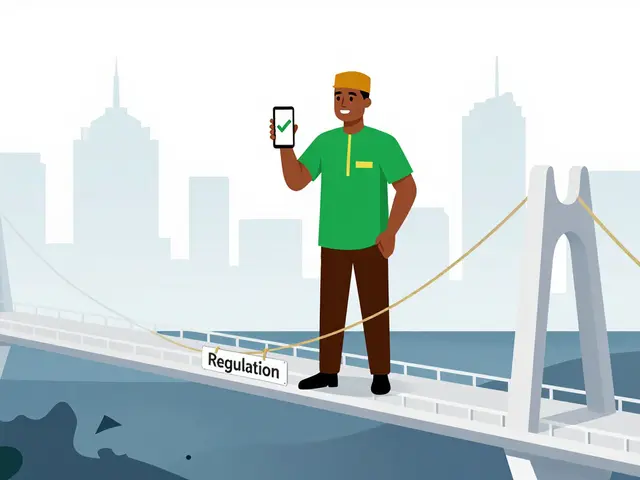
Remember when buying Bitcoin in New Zealand cost you a massive 20% premium? For years, local traders had no choice but to use offshore platforms or risky peer-to-peer deals because there was no compliant local infrastructure. That changed in 2019 with the launch of Dasset, which promised to fix this broken market. But if you are looking for a place to trade today, you need to know one critical fact: Dasset is no longer operational and is currently in voluntary liquidation.
This review isn't about how to sign up-it's about what went wrong, where your funds might be, and what this means for the future of regulated crypto trading in the region. We’ll look at the rise of this platform, the banking crisis that killed it, and the current status of recovery efforts.
The Rise of Dasset: Solving the NZ Premium Problem
To understand why Dasset mattered, you have to look at the state of the New Zealand crypto market before 2019. There was a significant gap between global spot prices and local trading costs. If you wanted to buy Bitcoin using New Zealand Dollars (NZD), you were often paying up to 20% more than someone in the US or Europe. This wasn't just annoying; it was a barrier to entry for many investors.
Digital Asset Exchange Limited, the company behind Dasset, was founded by Stephen Macaskill. Macaskill wasn't a typical tech startup founder. He came from Colorado with a background in precious metals trading and deep experience as a Bitcoiner. He saw the inefficiency in the NZ market and built Dasset to act as a "node of liquidity."
When version 1.0 launched in May 2019, it was a big deal. It was New Zealand’s first fully compliant digital asset exchange. The platform allowed users to trade directly against NZD, USD, and eventually AUD. At its peak, Dasset supported over thirty different crypto assets. For professional traders, it offered advanced order types, APIs for automated strategies, and institutional-grade onramps. It wasn't just a retail playground; it was designed to bridge traditional finance and digital assets.
Market Impact: Crushing the Premium
Dasset didn't just exist; it actively changed the market dynamics. Before its launch, the lack of local liquidity meant prices were volatile and expensive. Once Dasset started processing volume, the spread dropped dramatically. CEO Stephen Macaskill reported that the exchange helped reduce the premium by approximately 80%. Suddenly, New Zealand crypto prices were within 1-3% of global spot prices.
This success attracted partnerships. In June 2020, Dasset announced a collaboration with the US-based exchange Bittrex. This partnership was meant to provide users access to deeper liquidity pools, further stabilizing prices and offering more trading pairs. For a few years, Dasset was seen as a pioneer, hosting crypto events across New Zealand and maintaining an active presence on social media and dedicated support lines.
The Banking Crisis: How It All Unraveled
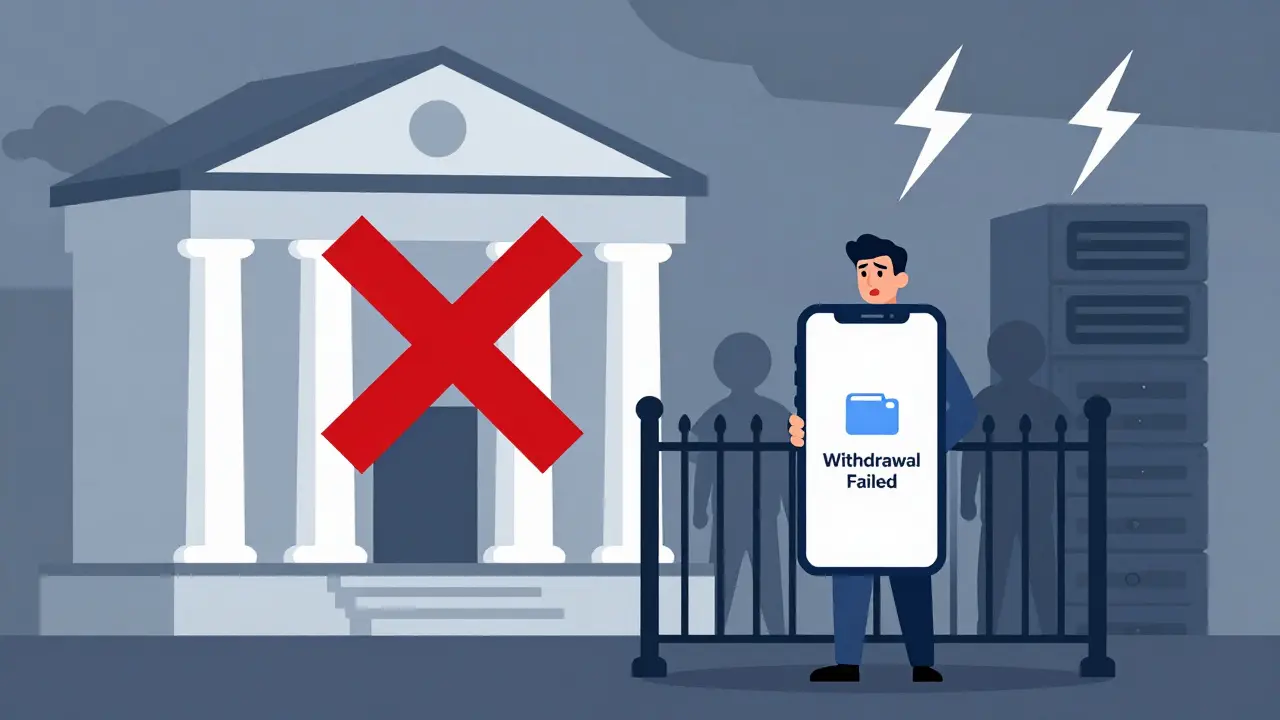
Despite its regulatory compliance and market success, Dasset hit a wall that plagues almost every crypto business: traditional banking. In January 2024, Dasset’s incumbent banking provider withdrew services. This is a common risk in the industry, often referred to as "de-banking," where traditional banks decide they don't want to handle crypto-related transactions due to perceived risk or regulatory pressure.
Without a bank account, Dasset couldn't process fiat deposits or withdrawals. They attempted to secure a replacement banking partner but failed. This single point of failure locked hundreds of users out of their accounts. Reports emerged of customers with tens of thousands of dollars trapped. One user tried to withdraw $40,000-his entire life savings-for three months without success. Even direct communication with CEO Stephen Macaskill didn't resolve the issue for some users.
The situation worsened because the platform continued accepting new user registrations during this period. This created a misleading impression that operations were normal, even though withdrawals were halted. The website began changing, with contact details like phone numbers and email addresses removed, leaving only a request form and FAQ page.
Current Status: Voluntary Liquidation
As of early 2026, Dasset has entered voluntary liquidation. This is a legal process where a company winds up its affairs, sells off assets, and distributes the proceeds to creditors. However, the process has been confusing for affected users. While CEO Macaskill claimed a liquidator had been appointed, reports indicate uncertainty about whether a liquidator was actually in place during the initial stages of the shutdown.
If you are a former Dasset user, your funds are likely considered part of the insolvent estate. Recovery timelines are unclear, and there is no guarantee that all funds will be returned. The platform's failure highlights a critical lesson: regulatory compliance doesn't protect you from banking instability. You can follow all the rules, but if your bank pulls the plug, you're stuck.
Who Was Dasset For?
During its operational life, Dasset served two main groups:
- Retail Investors in NZ/AU: People who wanted to buy Bitcoin or Ethereum using local currency without dealing with international wire transfers or high premiums.
- Professional Traders: Users who needed API access, advanced order types, and deep liquidity for algorithmic trading strategies.
For these users, Dasset provided a unique service. But that service is now gone. The platform's closure left a significant gap in New Zealand's cryptocurrency infrastructure, particularly for those who relied on direct NZD-to-crypto trading.
Lessons from the Dasset Collapse
Dasset’s story is a cautionary tale for anyone involved in crypto exchanges. Here are the key takeaways:
- Banking is Fragile: No matter how compliant you are, traditional banks can exit the relationship at any time. Exchanges must have multiple banking partners or alternative payment rails.
- Liquidity is Key: Dasset succeeded when it had liquidity and failed when it couldn't move money. Always check if an exchange has stable funding sources.
- Transparency Matters: Continuing to accept new sign-ups while withdrawals are frozen erodes trust quickly. Clear communication during crises is essential.
- Local Infrastructure is Vital: Dasset proved that local exchanges can reduce premiums and improve market efficiency. Its absence leaves NZ traders vulnerable again.
Alternatives for New Zealand Traders Today
Since Dasset is closed, what are your options? You still have choices, but you need to be careful.
| Platform | NZD Support | Regulatory Compliance | Fees | Risk Level |
|---|---|---|---|---|
| Bitcoin.com | Yes (via P2P) | Global | Medium | Low |
| Coinbase | No (USD only) | US/EU | High | Low |
| KuCoin | No (Crypto-only) | Seychelles | Low | Medium |
| Local P2P Markets | Yes | None | Variable | High |
Many NZ traders have turned back to peer-to-peer (P2P) markets or international exchanges that accept USD. However, this brings back the premium problem and increases fraud risk. Until a new compliant local exchange emerges, traders must weigh convenience against security.
What Should You Do If You Were Affected?
If you had funds in Dasset, here are the steps you should take:
- Document Everything: Keep records of your account balance, transaction history, and any communication with Dasset support.
- Check Liquidation Updates: Monitor official announcements from the liquidator (if appointed) for claims processes.
- Report to Authorities: Consider filing a report with the Financial Reporting Authority (FRA) in New Zealand to ensure your claim is recorded.
- Avoid Scams: Be wary of anyone claiming they can recover your funds for a fee. Only official liquidators have the authority to distribute assets.
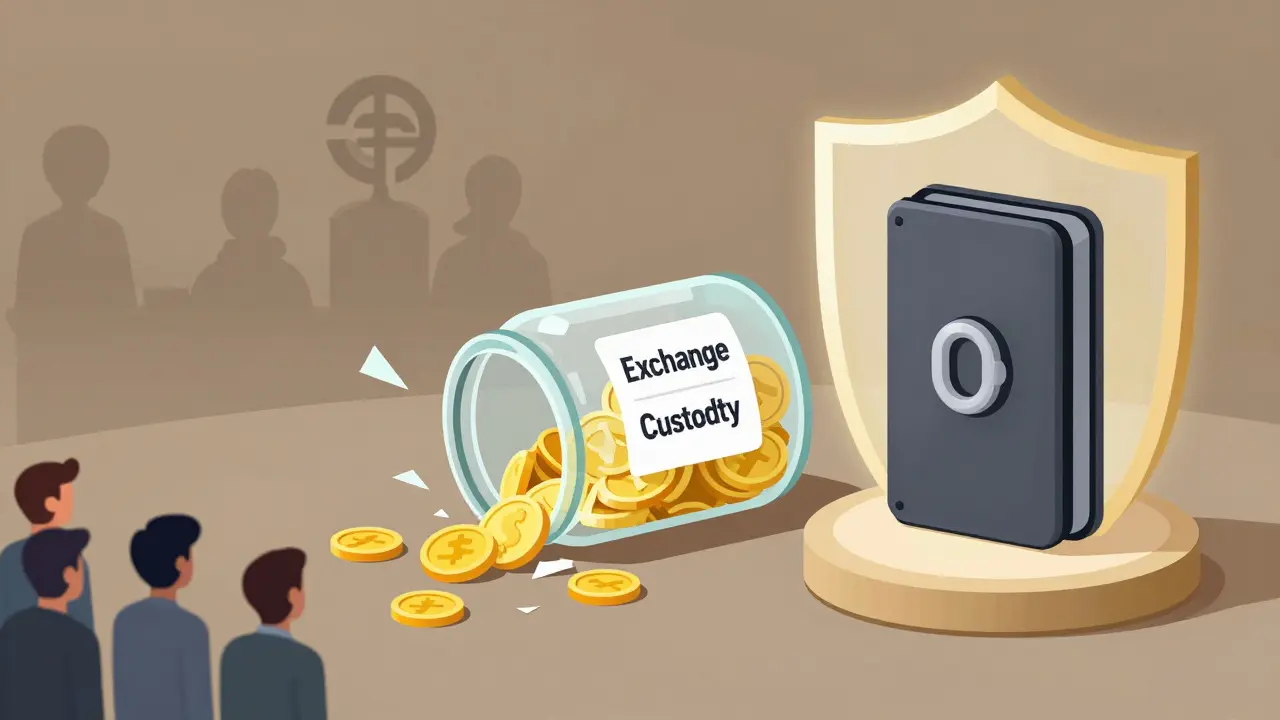
The Dasset case reminds us that in crypto, custody is king. Always prefer self-custody wallets for long-term holdings. Exchanges are convenient for trading, but they are not safe havens.
Is Dasset still operating in 2026?
No, Dasset is no longer operating. It entered voluntary liquidation after failing to secure a banking partner in 2024. Withdrawals are halted, and the platform is winding down.
Can I get my money back from Dasset?
Recovery is uncertain. As a creditor in the liquidation process, you may receive a portion of your funds if assets are sold, but there is no guarantee of full repayment. Timelines are unclear.
Why did Dasset fail?
Dasset failed primarily due to a banking crisis. Its bank withdrew services, and it could not find a replacement. This prevented fiat transactions, leading to a loss of trust and eventual liquidation.
Who was the CEO of Dasset?
The CEO of Dasset was Stephen Macaskill, a Bitcoiner from Colorado with a background in precious metals trading. He founded the platform to address the lack of compliant crypto exchanges in New Zealand.
What alternatives are available for NZ crypto traders?
Options include international exchanges like Coinbase (USD only), KuCoin (crypto-only), or P2P markets. However, these often come with higher fees, lower liquidity, or increased fraud risk compared to the local service Dasset once provided.