
Have you seen the buzz about the CryptoTycoon airdrop promising free CTT tokens? If you are looking for specific details on how to claim these rewards, you need to stop and read this carefully. After digging through current data from July 2026, there is no credible evidence that a legitimate project named "CryptoTycoon" issuing "CTT" tokens exists in the mainstream cryptocurrency market.
This absence of information is not just a gap; it is a major red flag. In the world of crypto, if a project does not appear on major tracking sites like CoinGecko, CoinMarketCap, or reputable airdrop aggregators, it is highly likely to be a scam. This article breaks down why this specific airdrop looks suspicious, what similar real projects actually look like, and how you can protect your wallet from phishing attempts disguised as free money.
The Missing Information: Why You Can't Find CryptoTycoon Details
When a legitimate cryptocurrency project launches an airdrop, it leaves a digital footprint. You can find whitepapers, team announcements on Twitter (X), official Discord servers, and listings on blockchain explorers. For the CryptoTycoon project, none of this exists.
Search results from mid-2026 show zero verified records for a token ticker "CTT" associated with a brand called "CryptoTycoon." There is no contract address on Ethereum, Solana, or Binance Smart Chain that matches this description in any public ledger. This silence is deafening. Legitimate teams spend months building hype and providing transparency. Scammers, however, often use generic names that sound impressive but lack substance.
If you received an email or a DM claiming you are eligible for a CryptoTycoon airdrop, assume it is malicious. The goal is usually to get you to click a link, connect your wallet, and sign a transaction that drains your funds. Always verify the source before taking action.
Real vs. Fake: Comparing CryptoTycoon to Legitimate Projects
To understand why the CryptoTycoon offer is suspicious, let's compare it to actual, verifiable projects that have conducted airdrops recently. One notable example is the Tycoon project (ticker: TYC), which is a copy-trading platform connecting professional traders with end users.
| Feature | CryptoTycoon (CTT) | Tycoon (TYC) |
|---|---|---|
| Token Ticker | CTT (Unverified) | TYC (Verified) |
| Platform Presence | None found on CoinGecko/CMC | Listed on ICObench, rated 4.5/5 |
| Airdrop Structure | Vague promises of "free tokens" | Tiered rewards: Top 1-10 got ~$5k TYC; ranks 11-5000 got ~$50 TYC |
| Core Utility | Unclear/Non-existent | Copy-trading interface with secured API connections |
| Status in 2026 | Likely defunct or scam | Closed airdrop phase, active platform |
Notice the difference. The real Tycoon project had clear mechanics, a defined utility (copy trading), and transparent reward tiers. The fake CryptoTycoon offer relies on ambiguity. Scammers often mimic the names of successful projects to catch people off guard. They might use slightly different spellings or add words like "Crypto" or "Official" to seem authoritative.
How Crypto Airdrop Scams Work in 2026
You might wonder why scammers bother with fake airdrops if they are so easy to debunk. The answer lies in human psychology: greed and FOMO (Fear Of Missing Out). Here is the typical lifecycle of a fake airdrop scam like the one targeting you with "CTT":
- The Hook: You receive a message saying you are "eligible" for a massive amount of tokens. The value is often exaggerated, e.g., "$10,000 worth of CTT waiting for you."
- The Click: You are directed to a website that looks professional. It mimics the design of popular wallets like MetaMask or Phantom.
- The Connection: To "claim" your tokens, you must connect your wallet. This step seems harmless because many real dApps require it.
- The Trap: Once connected, the site asks you to approve a transaction. This isn't a gas fee payment; it is a permission slip allowing the scammer to drain your entire balance. Or, worse, it asks for your private key or seed phrase, which gives them total control.
In 2026, these scams have become more sophisticated. Some use AI-generated voices to call victims, pretending to be customer support from exchanges like Coinbase or Binance. Others create fake social media accounts with millions of followers using bot networks to validate the scam.

Signs of a Legitimate Airdrop vs. a Scam
Not all airdrops are bad. Many legitimate projects, such as MetaMask, zkSync, and LayerZero, have used airdrops to distribute governance rights and reward early users. However, legitimate airdrops follow strict rules. Here is how to tell the difference:
- No Private Keys Ever: A real project will NEVER ask for your seed phrase or private key. If a site asks for this, close it immediately.
- Public Verification: Check if the project is listed on CoinGecko or CoinMarketCap. Look for their official Twitter handle. Does the URL match exactly? Scammers often use domains like "cryptotycoon-official.com" when the real one might be something else, or vice versa.
- Clear Eligibility Criteria: Real airdrops have specific requirements, like holding a certain amount of ETH, interacting with a testnet, or completing quests on platforms like Galxe. Vague promises of "just click here" are always scams.
- Community Presence: Legitimate projects have active Discords and Telegram groups where moderators do not DM individuals first. If someone DMs you out of the blue with an airdrop link, it is fake.
Protecting Your Wallet: Essential Safety Steps
Given the high risk of scams like the CryptoTycoon (CTT) incident, you need to harden your security posture. Here are practical steps to ensure your assets remain safe while you explore the crypto space:
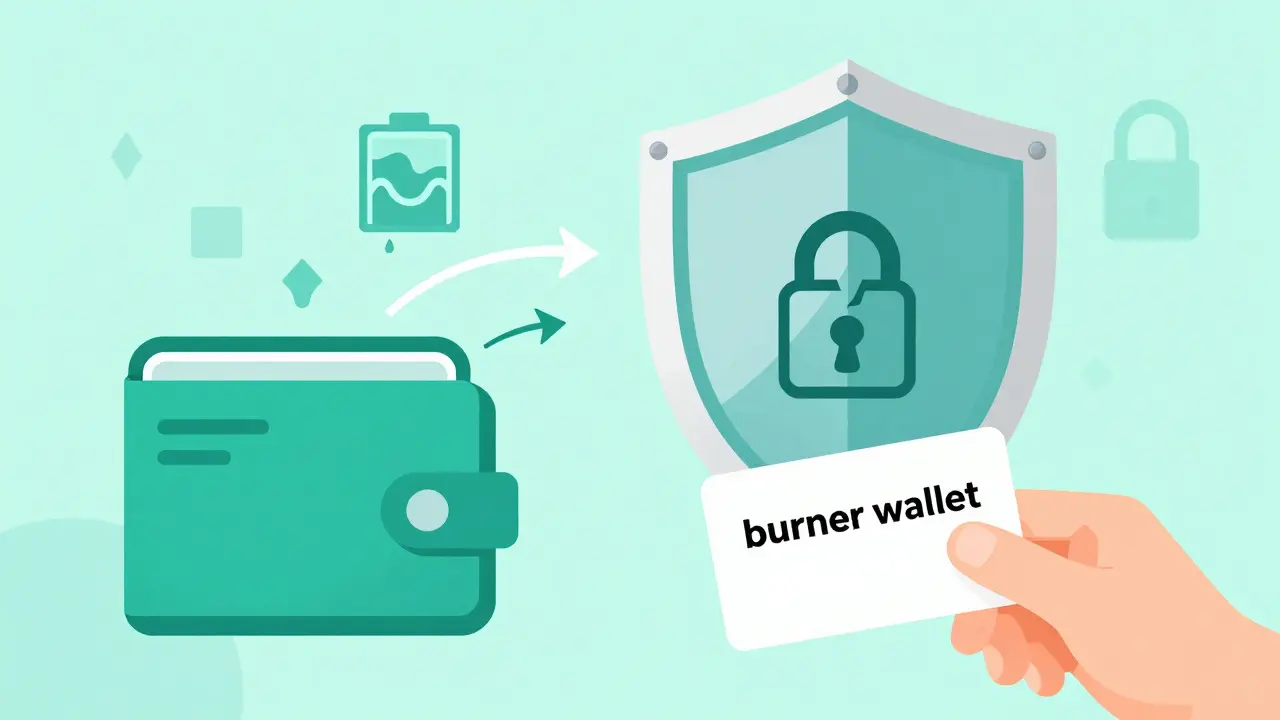
- Use a Burner Wallet: Never connect your main wallet, which holds your long-term savings, to unknown websites. Create a separate wallet with only a small amount of funds for testing new protocols or claiming potential airdrops.
- Revoke Permissions Regularly: Use tools like Revoke.cash to check which contracts have access to your wallet. If you accidentally approved a malicious contract, revoke its permissions immediately.
- Verify URLs Manually: Do not click links from emails or DMs. Type the project's name into Google and look for the verified badge on their social media profiles. Copy the URL from there.
- Enable 2FA: Ensure two-factor authentication is enabled on all your exchange accounts and email services. Use an authenticator app, not SMS, for better security.
What to Do If You Already Interacted With CryptoTycoon
If you clicked a link, connected your wallet, or signed a transaction related to the CryptoTycoon airdrop, act fast. Time is critical in mitigating damage.
First, disconnect your wallet from the site. Then, move all remaining funds from that wallet to a new, secure wallet. Do not leave any assets in the compromised wallet, even if you think you revoked permissions. Assume the worst-case scenario: that the attacker has a backdoor. Creating a fresh wallet with a new seed phrase is the only way to guarantee safety.
If you shared your seed phrase, consider those funds lost. There is no way to recover them. Report the incident to relevant authorities and warn others in community forums to prevent further victims.
The Broader Context: Real Airdrops in 2026
While you should avoid the fake CryptoTycoon offer, there are still legitimate opportunities in the crypto ecosystem. The trend in 2026 has shifted towards "play-to-airdrop" models and point systems. Projects like Meteora, Hyperliquid, and Monad are rumored or confirmed to have upcoming distributions.
For example, MetaMask requires users to have an active account and hold a minimum of 0.1 ETH to qualify for their token launch. Gaming projects like Off the Grid, built on Avalanche, offer rewards through gameplay rather than simple clicks. These projects invest heavily in security audits and community trust. They do not rely on shady DMs to recruit users.
Focus your energy on researching these verified projects. Join their official communities, participate in testnets, and provide feedback. This organic engagement is the safest and most rewarding way to benefit from airdrops.
Is the CryptoTycoon (CTT) airdrop legitimate?
No, there is no credible evidence that a legitimate project named CryptoTycoon issuing CTT tokens exists. It is highly likely a scam designed to steal wallet funds or personal information.
How can I verify if a crypto airdrop is real?
Check if the project is listed on major trackers like CoinGecko or CoinMarketCap. Verify their official social media handles and ensure they never ask for your private key or seed phrase. Legitimate airdrops have clear eligibility criteria and public documentation.
What should I do if I connected my wallet to a fake airdrop site?
Immediately disconnect your wallet, move all remaining funds to a new, secure wallet, and revoke any permissions granted to the malicious contract using tools like Revoke.cash. Consider the old wallet compromised.
Are there any legitimate airdrops happening in 2026?
Yes, projects like MetaMask, zkSync, LayerZero, and gaming platforms like Off the Grid have offered or are rumored to offer legitimate airdrops. Always research these projects through official channels and verified community sources.
Why do scammers use names like CryptoTycoon?
Scammers use generic, impressive-sounding names to mimic legitimate projects and exploit FOMO. They may also borrow elements from real projects, like the copy-trading platform Tycoon (TYC), to confuse users and gain false credibility.