You clicked on this link because you saw a headline about the CSHIP airdrop and want to know if it's real, how much you can get, and whether it's worth your time. Here is the hard truth: unlike massive campaigns from established projects like Plume Network or Solayer Labs, specific public data on the "CryptoShips" campaign is currently scarce in major financial databases. This lack of transparency is common for early-stage or niche DeFi projects, but it also means you need to be extra careful before connecting your wallet.
This guide breaks down what we know about the CSHIP token, how typical airdrops of this nature work, and the specific steps you should take to verify eligibility without falling for scams. We will look at the mechanics, the risks, and the practical actions you need to take right now.
What Is the CSHIP Token?
CSHIP is the native utility token for the CryptoShips ecosystem, designed to incentivize early adopters through an airdrop campaign. While not yet listed on every major exchange, tokens like CSHIP typically serve functions such as governance voting, staking rewards, or paying for shipping/logistics fees within their specific decentralized network.
In the context of an airdrop, CSHIP represents a free allocation of value given to users who interacted with the project during a specific period. Unlike stablecoins which hold fixed value, CSHIP is a volatile asset whose price depends entirely on the success of the CryptoShips platform and market sentiment. Before claiming anything, you should ask yourself: does this token solve a problem I care about, or am I just chasing free money? The answer often determines whether you hold or sell immediately upon receipt.
Understanding the Airdrop Mechanism
Airdrops are marketing tools used by blockchain projects to distribute tokens without a traditional sale. For the CryptoShips campaign, the distribution likely follows one of three models:
- Snapshots: The project takes a snapshot of all eligible wallets at a specific block height. If you held a certain amount of a partner token (like ETH or SOL) or interacted with their dApp by that date, you get tokens automatically.
- Task-Based: You must complete specific actions, such as joining a Discord server, following social media accounts, or making a minimum trade volume on their platform.
- Holding Rewards: Users receive CSHIP simply for holding another asset in a specific DeFi protocol over a set period.
The key attribute here is eligibility timing. Most airdrops have a strict cutoff. If you missed the interaction window, you generally cannot claim retroactively unless the project extends the deadline. Always check the official announcement channels for the exact end date of the qualification period.
How to Verify Eligibility Safely
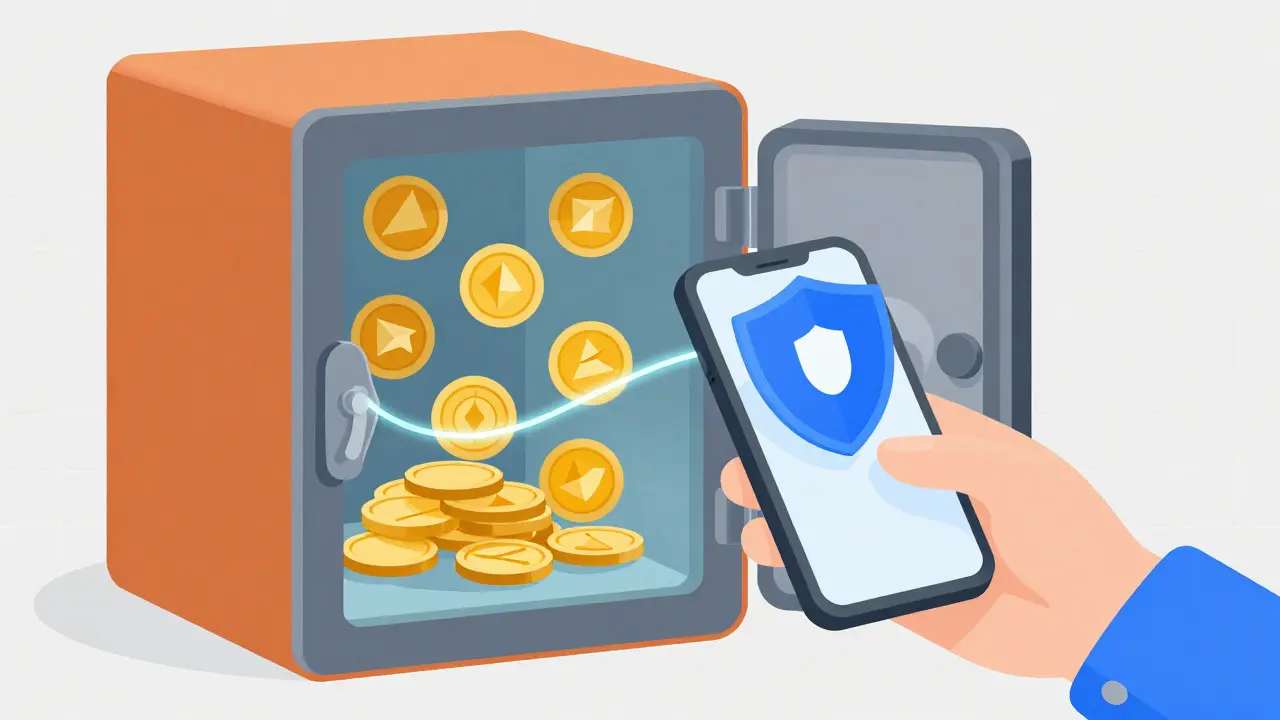
Because information on CryptoShips is limited, verification is your most critical step. Do not trust random Telegram groups or Twitter DMs. Follow these steps to ensure you are dealing with the legitimate campaign:
- Find Official Channels: Look for the verified CryptoShips website and their official X (formerly Twitter) account. Check for the blue checkmark or community verification badges.
- Check Contract Addresses: If available, find the CSHIP contract address on Etherscan or BscScan. Compare it with any address provided in the claim portal. Mismatched addresses are a huge red flag.
- Use a Burner Wallet: Never connect your main wallet directly to new claim sites. Use a fresh MetaMask or Rabby wallet with only enough gas fees (ETH or MATIC) to cover the transaction. If it’s a scam, you lose a few dollars, not your life savings.
- Read the Fine Print: Look for terms like "unlimited approval." If the site asks you to approve infinite spending rights for the CSHIP token, revoke it immediately after claiming or use a tool like Revoke.cash beforehand.
This process protects you from the most common airdrop scam: the malicious smart contract that drains your entire balance once you sign the claim transaction.
Risks and Red Flags to Watch For
Not all airdrops are created equal. Some are legitimate incentives; others are exit liquidity schemes. Here is a comparison table to help you assess the risk profile of the CSHIP campaign against standard safety benchmarks.
| Criterion | Low Risk Signal | High Risk Signal |
|---|---|---|
| Official Documentation | Whitepaper or detailed blog post exists | No documentation, only social media posts |
| Team Transparency | Founders identified with LinkedIn profiles | Anonymous team with no track record |
| Claim Process | Simple signature or standard swap | Requires private key entry or complex multi-step approvals |
| Token Liquidity | Listed on DEX with high volume | Unlisted or low volume, high slippage |
If the CryptoShips campaign shows more high-risk signals than low-risk ones, consider skipping it. The opportunity cost of your time and potential gas fees might outweigh the value of the free tokens.
Timeline and Next Steps
As of August 2026, the specific timeline for the CSHIP distribution may vary. Typically, after the qualification period ends, there is a 1-2 week gap for the team to calculate allocations. Then, a claim window opens, usually lasting 7-30 days. After the claim window closes, unclaimed tokens are either burned or redistributed to the treasury.
Your immediate next steps should be: 1. Confirm if you met the eligibility criteria during the campaign period. 2. Locate the official claim URL from the primary source. 3. Prepare a burner wallet with sufficient gas fees. 4. Monitor the project's social channels for the exact launch date of the claim portal.
Do not rush. Patience prevents errors. Once you claim the tokens, decide quickly whether to hold or sell. Airdropped tokens often dump in price when large holders sell their free allocations. Setting a limit order or selling immediately into liquidity is a common strategy to lock in profit.
Frequently Asked Questions
Is the CSHIP airdrop legit?
Likely yes, but verification is required. Since public data is limited, you must cross-reference the claim link with the official CryptoShips social media accounts. If the contract address matches the one in their whitepaper or verified announcements, it is probably safe. Always use a burner wallet to mitigate risk.
How much CSHIP can I expect to receive?
The amount depends on your tier of participation. Heavy users who made multiple transactions or held larger balances usually receive higher allocations. Check the specific formula in the campaign rules, which often correlates token distribution with trading volume or days active.
Do I need to pay gas fees to claim?
Yes. Unless the project sponsors the transaction (which is rare), you need the native gas token of the network where CSHIP lives (e.g., ETH for Ethereum, MATIC for Polygon). Keep at least 0.01-0.05 ETH or equivalent in your burner wallet to cover the claim transaction.
What happens if I miss the claim window?
You lose your allocation permanently. Most airdrops do not offer retroactive claims. The unclaimed tokens are usually sent back to the project treasury or burned. Set a calendar reminder for the claim start date to avoid missing out.
Where can I sell CSHIP tokens after claiming?
You can sell them on Decentralized Exchanges (DEXs) like Uniswap or PancakeSwap if they are listed there. If CSHIP is not yet on a DEX, you may need to wait for a listing announcement. Be cautious of low liquidity, which can result in poor execution prices when selling large amounts.