Japan doesn’t just tolerate cryptocurrency - it controls it. While many countries struggle to decide whether crypto is a currency, a commodity, or a security, Japan has already made its choice: it’s a financial instrument, and it’s being treated like one. Since 2017, the Financial Services Agency (FSA) has built one of the world’s strictest, most detailed frameworks for crypto exchanges. If you’re thinking of operating a crypto platform in Japan, or even just trading there, you need to understand how deep this system goes.
How Japan’s Crypto Rules Are Built
Japan’s crypto rules aren’t made in a vacuum. They’re rooted in two major laws: the Payment Services Act (PSA) and the Financial Instruments and Exchange Act (FIEA). The PSA, updated in 2017 after the Mt. Gox collapse, was the first real attempt to bring order to the wild west of crypto trading. It defined what a crypto-asset is - not money, not property, but a digital value that can be exchanged. And it said: if you want to trade them, you need a license. Simple. No gray areas. But in June 2025, the FSA took a major step forward. They moved certain crypto assets - the ones that act like investments - from the PSA into the FIEA. That’s a big deal. The FIEA is the same law that governs stocks, bonds, and mutual funds. This means tokens with voting rights, profit-sharing features, or clear investment intent are now treated like securities. Issuers must disclose financials. Insider trading is illegal. Market manipulation gets real penalties. This isn’t a tweak - it’s a paradigm shift.The Licensing Process: No Shortcuts
You can’t just register online and start trading. To get licensed by the FSA, a crypto exchange must:- Be a registered Japanese company (Kabushiki Kaisha)
- Have a physical office in Japan
- Hold a minimum of 10 million yen in capital (about $65,000 USD)
- Open a local Japanese bank account
- Appoint qualified compliance officers
- Pass a full background check on all directors and major shareholders
The Cold Wallet Rule: 95% Offline, No Exceptions
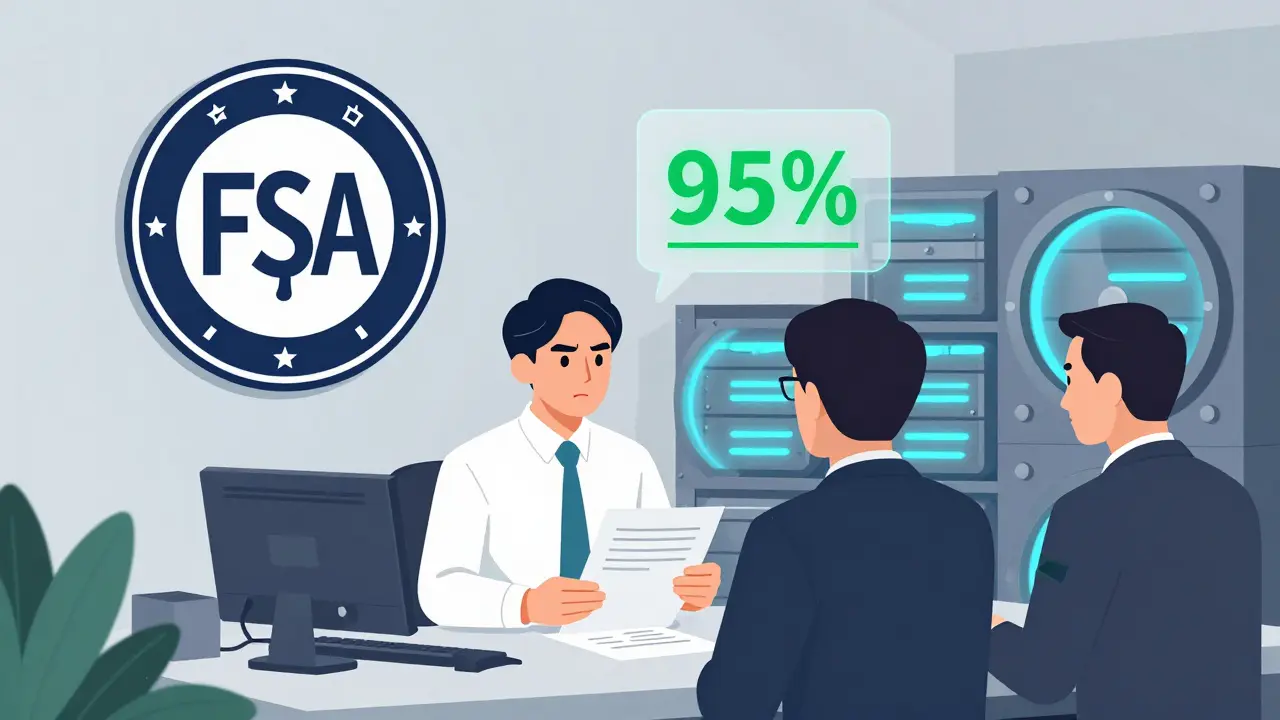
This is where Japan stands out from every other country. By law, at least 95% of customer crypto must be stored in cold wallets - offline, air-gapped, physically disconnected from the internet. The remaining 5% can be kept in hot wallets for trading, but here’s the catch: if you use hot wallets, you must back every single yen of it with your own money. That means if a hacker steals $1 million in Bitcoin from your hot wallet, you pay the users back out of your own pocket. Not insurance. Not reserves. Your personal capital. No other country enforces this. Not the U.S., not the EU, not Singapore. Japan’s rule is simple: if you want to handle other people’s money, you take the risk. Not them. This has forced exchanges to invest heavily in security infrastructure. Many now use multi-signature hardware wallets stored in underground vaults with biometric access. Some even rotate keys weekly. The cost is high, but the result? Japan’s exchanges have had virtually zero major hacks since 2020.
AML and KYC: More Than Just Forms
Every user must go through strict identity verification. But Japan doesn’t stop at asking for a passport. Exchanges must:- Track transaction patterns for signs of layering or structuring
- Report suspicious activity within 24 hours
- Keep records for at least five years
- Use AI-driven monitoring tools approved by the FSA
Taxation: Still a Pain Point
While the rules on trading are sharp and clear, taxes are still messy. Right now, profits from crypto sales are taxed as “miscellaneous income” - up to 55% depending on your total earnings. That’s higher than corporate tax rates in Japan. Compare that to stocks, which are taxed at a flat 20%. The FSA has publicly acknowledged this is unfair and is pushing for reform. A draft bill expected in early 2026 proposes aligning crypto taxes with those on stocks and bonds. If it passes, it could trigger a surge in retail participation.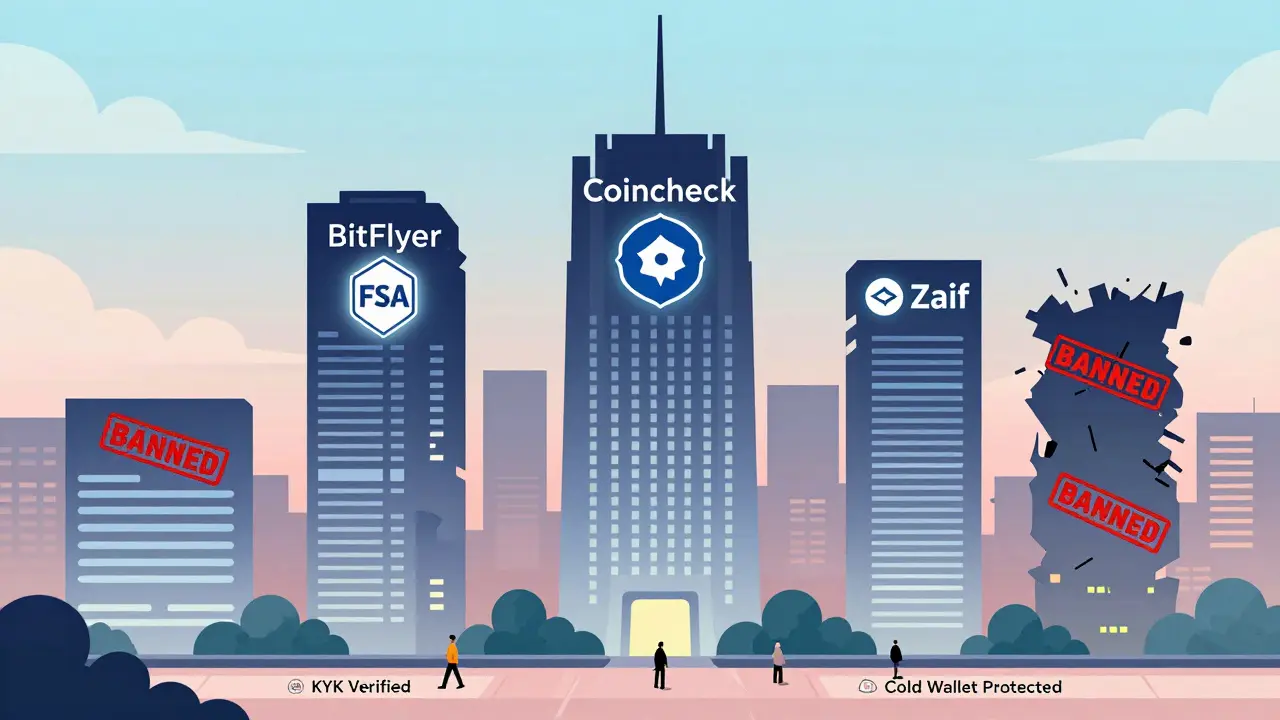
DeFi and the Future
Japan isn’t ignoring decentralized finance. The FSA launched a DeFi Study Group in 2024, bringing together regulators, developers, and academics to figure out how to regulate smart contracts without killing innovation. They’re watching projects like lending protocols, automated market makers, and tokenized real estate. Their stance? “We don’t ban, we observe.” But they’re preparing. If a DeFi platform starts offering loans with interest rates, it will likely fall under the FIEA. If it’s purely peer-to-peer with no intermediaries, it might stay under the PSA - but only if it meets strict transparency standards.Who’s Winning in Japan?
As of 2025, Japan has 18.69 million crypto users - nearly 15% of the population. The market is worth $2 billion and growing. The biggest players? BitFlyer, Coincheck, and Zaif - all FSA-licensed. These aren’t startups. They’re regulated institutions with compliance teams, legal departments, and audit trails. International exchanges like Binance and Kraken are either shut down or operating through Japanese subsidiaries. There’s no room for offshore operators.Why This Matters Outside Japan
Japan isn’t just setting rules - it’s setting a global standard. Countries like South Korea, Australia, and even the U.S. are watching how Japan handles custody, taxation, and securities classification. The cold wallet rule? It’s being studied by the EU’s MiCA framework. The FIEA reclassification? It’s being referenced in U.S. congressional hearings. Japan proves you can regulate crypto without crushing innovation - if you’re willing to invest in enforcement, transparency, and accountability.For traders, Japan offers one of the safest environments in the world. For operators, it’s one of the hardest. But if you can pass the FSA’s bar, you earn something rare: trust.
Do all crypto exchanges in Japan need FSA approval?
Yes. Any business that trades, stores, or exchanges crypto assets with Japanese residents must be registered with the FSA. Operating without a license is a criminal offense. Even foreign exchanges that accept Japanese users must set up a local entity and apply for registration. There are no exceptions.
Can I use a foreign crypto exchange in Japan?
Technically, yes - but it’s risky. Many foreign platforms have blocked Japanese users entirely because they can’t meet FSA requirements. If you use an unlicensed exchange, you have no legal protection. If the platform gets hacked or shuts down, you lose everything. The FSA warns users to only trade on licensed platforms. There are currently 27 licensed exchanges in Japan as of early 2026.
What happens if a crypto exchange gets hacked in Japan?
If the exchange is FSA-licensed and follows the cold wallet rule, customer funds are almost always protected. Because 95% of assets are offline, breaches are rare. If a hot wallet is compromised, the exchange must cover losses from its own capital - not insurance. This has led to several exchanges going bankrupt after major losses, but users were fully reimbursed. The FSA doesn’t guarantee payouts - the exchange does.
Are NFTs regulated in Japan?
Currently, most NFTs are treated as digital collectibles under the Payment Services Act. But if an NFT grants ownership rights, revenue sharing, or voting power - like a tokenized real estate asset - it may be classified as a security under the FIEA. The FSA is monitoring NFT marketplaces closely and may require licensing for platforms that sell NFTs with financial features.
How long does it take to get FSA approval?
The process typically takes 8 to 14 months. It’s not just about submitting documents - you need to demonstrate operational readiness. The FSA conducts multiple rounds of interviews, on-site inspections, and stress tests. Many applicants fail because they underestimate the need for real-time compliance monitoring systems and Japanese-speaking compliance staff.
Is Japan’s crypto regulation good for innovation?
It depends on your perspective. For startups, the high costs and long timelines make entry difficult. But for established players, the clarity and trustworthiness of the system attract institutional investors. Japan has become a hub for crypto infrastructure companies - custody providers, compliance software firms, and blockchain analytics tools - because businesses know they can operate here without legal uncertainty.