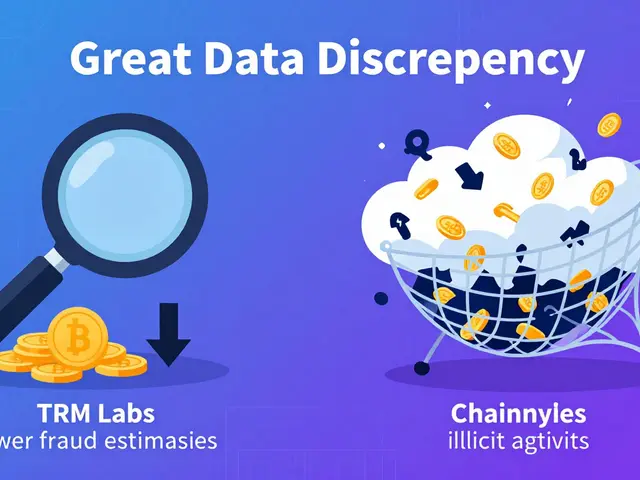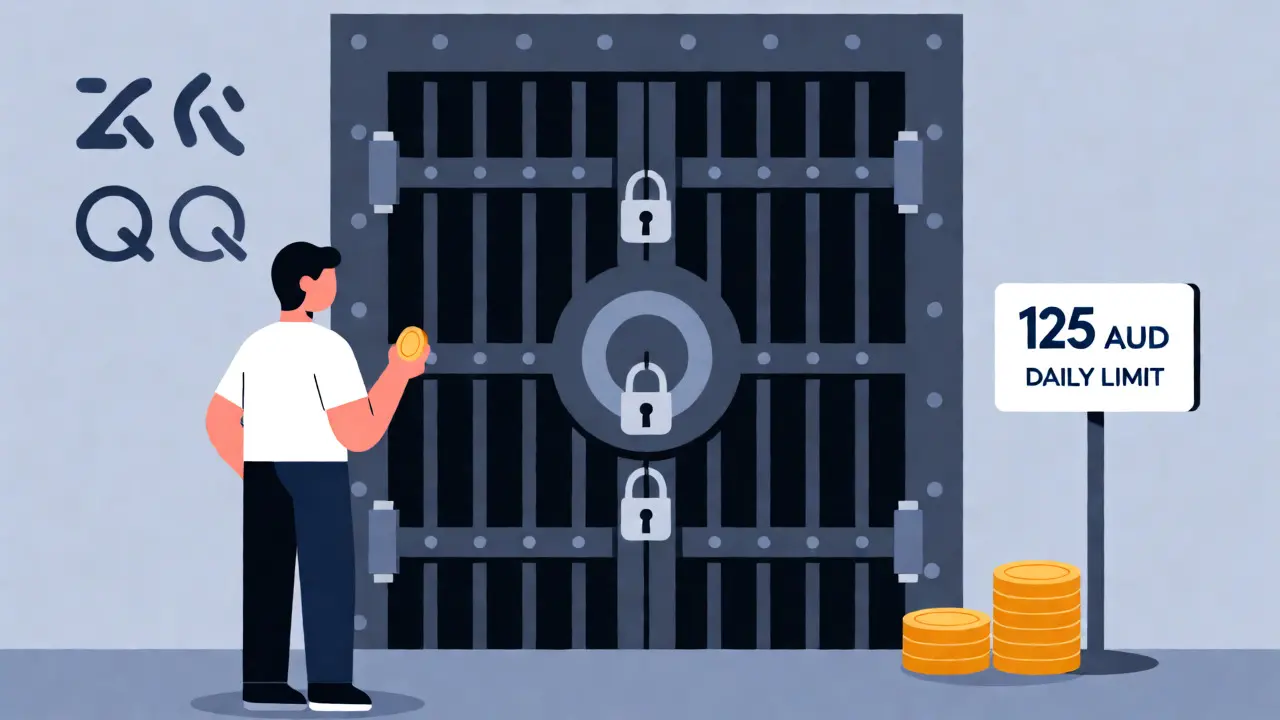
Imagine locking your money in a bank that only lets you withdraw $125 a day, requires a buyer to be on the other side of the trade before you can leave, and has never let an independent auditor check its vault. That is not a hypothetical scenario for many users dealing with BTX Exchange. This platform, primarily known as the exclusive trading venue for Qoin tokens, operates under conditions so restrictive that they have sparked legal battles and widespread frustration among retail investors.
If you are researching BTX Exchange, you are likely trying to figure out if it is safe, why your withdrawals might be stuck, or whether the brand confusion surrounding "BTX" means you are looking at the wrong company. The name "BTX" is unfortunately shared by several unrelated entities, from a Bulgarian exchange to a children’s app, which makes due diligence critical. But for the specific entity tied to the Australian Qoin ecosystem-Block Trade Exchange Limited-the picture is concerning. With a security score of 17/100 and no proof-of-reserves audits, this isn't just another mid-tier exchange; it sits in a high-risk category where capital preservation is far from guaranteed.
What Is BTX Exchange?
BTX Exchange (Block Trade Exchange Limited) is a centralized cryptocurrency trading platform based in Australia. It serves a very specific niche: it is the sole authorized exchange for swapping Qoin tokens. Unlike open markets like Binance or Coinbase where anyone can trade any pair, BTX acts as a gated conversion channel. Its primary function is to facilitate the movement of Qoin between holders and merchants within the Qoin business network.
The exchange is deeply intertwined with Blockchain Payments System (BPS). Corporate records indicate that both entities share key directors, specifically individuals with the surnames Wiese and Pathak. This close linkage means that BTX is not an independent third-party market maker but rather an internal component of the broader Qoin infrastructure. When you trade on BTX, you are essentially moving value within a closed loop controlled by the same people who issue the token. For investors accustomed to decentralized exchanges (DEXs) or major centralized exchanges (CEXs), this lack of independence is a significant structural red flag.
Security and Transparency Red Flags
In the world of crypto, trust is earned through transparency. Major exchanges publish monthly Merkle tree proofs to show they hold customer assets. BTX does none of this. Independent security analysis by CER.live assigns BTX Exchange a grade of D with a composite score of 17 out of 100. To put that in perspective, top-tier exchanges typically score above 80. A D rating categorizes the platform as "uncertified and high-risk."
Here is what that low score actually means for your funds:
- No Proof-of-Reserves: There is no cryptographic evidence that BTX holds 1:1 backing for user deposits. You cannot verify if the coins you see in your wallet actually exist in their cold storage.
- No Penetration Testing: CER.live reports a 0/100 score for penetration testing. This means the platform’s defenses have not been rigorously stress-tested by external ethical hackers to find vulnerabilities before malicious actors do.
- No Bug Bounty Program: There is no public program rewarding researchers who find security flaws. This often correlates with a lower priority placed on proactive security maintenance.
- Lack of ISO Certification: The platform lacks ISO 27001 certification, the international standard for information security management systems.
While server security scores sit at a moderate 66/100 and user security at 59/100, these baseline protections are insufficient when combined with the total absence of financial transparency. If the exchange faces insolvency, there is no independent audit trail to prove solvency to regulators or users.
The Liquidity Trap: Trading Restrictions Explained
The most controversial aspect of BTX Exchange is its operational model regarding liquidity. In a normal market, if you want to sell Bitcoin, you place a sell order, and it fills instantly against existing buy orders. On BTX, selling Qoin is subject to severe caps designed to prevent mass exoduses:
| Feature | BTX Exchange (Qoin) | Standard CEX (e.g., Kraken) |
|---|---|---|
| Daily Sell Limit | 125 AUD per person | Unlimited (subject to volume) |
| Transaction Frequency | One transaction per day | Multiple transactions per second |
| Order Matching | Requires active buyer demand | Instant market depth matching |
| Withdrawal Speed | Often delayed or blocked | Minutes to hours |
These limits create a bottleneck. If you hold 10,000 AUD worth of Qoin, you would need roughly 80 days to sell your entire position, assuming a buyer is available every single day. In practice, users report that buyer demand is often scarce. If no one wants to buy your Qoin on a given Tuesday, you cannot sell, regardless of how much you want to exit. This structure effectively throttles liquidity, making it nearly impossible to react quickly to market changes or personal financial needs.
User Complaints and Withdrawal Issues
When an exchange restricts withdrawals, users talk. And the conversation around BTX-branded platforms is loud and negative. While there are multiple entities named "BTX," the complaints regarding the Qoin-linked exchange are consistent and specific. Trustpilot reviews and forum posts describe a pattern of "frozen" accounts and unprocessed withdrawals.
Common themes in user feedback include:
- Wallet Wiping: Some users claim their balances were cleared after attempting to sell or complain about service delays.
- Blocked Cash-Outs: Reports indicate that even when a sale is technically completed, converting the resulting fiat currency into a bank transfer can stall indefinitely.
- Poor Customer Support: Many reviewers describe support as unresponsive or dismissive, leaving users without recourse when their funds get stuck.
- Perception of Dishonesty: Strong language appears frequently, with terms like "scam," "Ponzi-like," and "theft" used by frustrated investors who feel trapped.
It is crucial to distinguish these complaints from those targeting BTX.bg (a Bulgarian zero-fee exchange) or Childly’s BTX. However, the negative sentiment associated with the Qoin-BTX relationship spills over into general search results, creating a reputation halo effect that complicates marketing for any legitimate BTX-branded service.
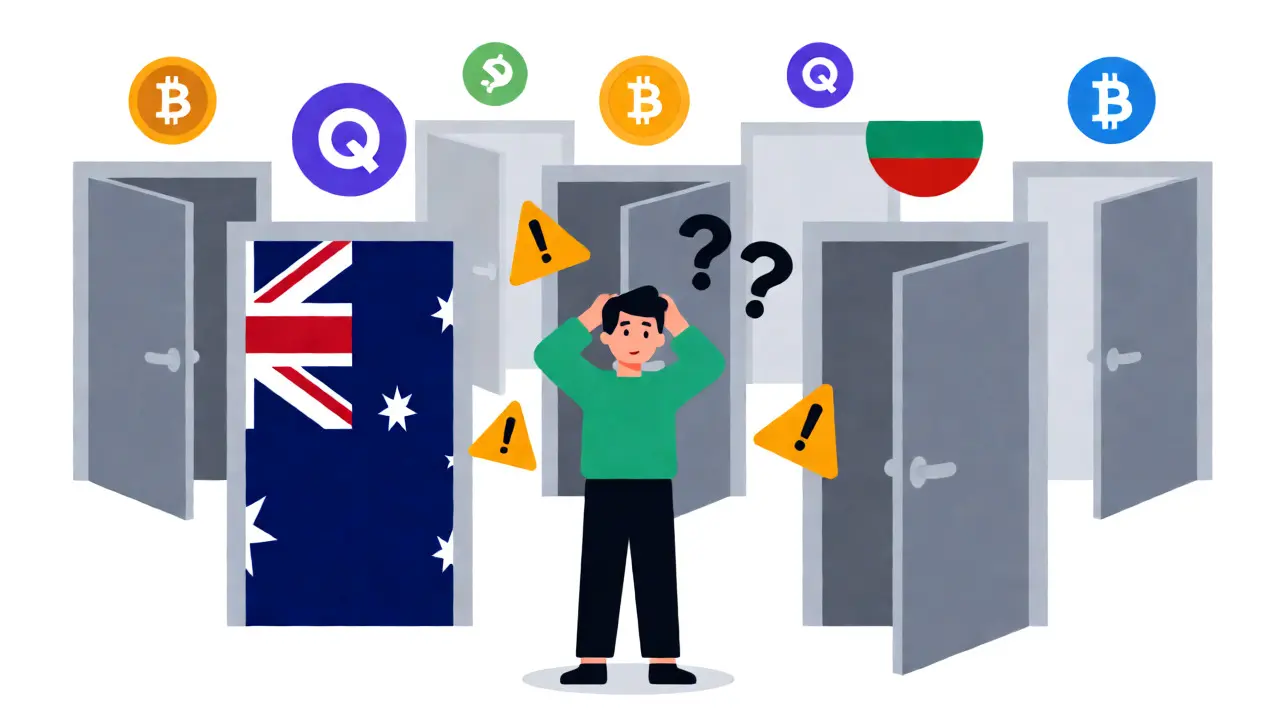
Brand Confusion: Which BTX Are You Using?
Before depositing funds, you must verify the exact URL and corporate entity. The crypto space is rife with name collisions. Here is how to tell them apart:
- BTX Exchange (Australia/Qoin): Linked to Block Trade Exchange Limited. Domain often associated with btxweb.com. Exclusive to Qoin. High risk, restricted liquidity.
- BTX.bg: Operated by BTX LTD in Sofia, Bulgaria. Markets itself as a fast, no-commission crypto exchange. Different regulatory environment, different target audience.
- Childly BTX: A digital asset exchange focused on safety and ease of use, marketed towards families or general users. Not directly linked to the Qoin controversy in public filings.
- BTX Crypto (btx.com): Another entity with mixed reviews, often confused with the others. Ratings hover around 3.2/5 on Trustpilot.
This ambiguity is dangerous. A user searching for "BTX Exchange" might land on a site promising "no fees" (BTX.bg) only to realize later they are interacting with the restrictive Qoin platform, or vice versa. Always check the footer for the operating company name and registration number before linking a bank account.

Legal Context and Future Viability
The friction between BTX Exchange and its users has escalated beyond social media complaints. Legal scrutiny is mounting, particularly in Australia. A proposed class action lawsuit seeking up to 100 million AUD targets the Qoin ecosystem, with BTX Exchange playing a central role in the allegations. Critics argue that the exchange’s restrictive terms contributed to the loss of utility for Qoin tokens, rendering them effectively worthless for merchants who could not convert them to fiat efficiently.
As of 2026, there is no indication that BTX has improved its security posture or relaxed its liquidity constraints. The platform remains listed as "Untracked" on CoinMarketCap, meaning it fails to provide sufficient data to meet basic transparency standards. Without new audits, regulatory clarity, or a relaxation of trading caps, the long-term viability of BTX as a trusted venue for holding significant capital remains questionable.
Frequently Asked Questions
Is BTX Exchange safe for large investments?
Generally, no. With a security score of 17/100 and no proof-of-reserves audits, BTX Exchange carries high counterparty risk. The daily sell limit of 125 AUD also makes it unsuitable for large positions, as exiting a significant investment could take months.
Why can't I withdraw my money from BTX?
Users often face withdrawal delays because BTX requires a corresponding buyer for every sell order. If demand for Qoin is low, your sell order may not fill. Additionally, there are reports of administrative blocks on withdrawals following complaints or account verification issues.
Is BTX Exchange the same as BTX.bg?
No. BTX Exchange refers to the Australian platform operated by Block Trade Exchange Limited, primarily for Qoin tokens. BTX.bg is a separate Bulgarian exchange operated by BTX LTD. They have different owners, locations, and service models.
Does BTX Exchange charge fees?
Fee structures vary by specific BTX entity. The Qoin-linked BTX Exchange focuses more on liquidity restrictions than fee waivers, while BTX.bg advertises "no commissions." Always check the specific terms of service for the platform you are using.
What is the Qoin token connection?
BTX Exchange is the exclusive trading venue for Qoin tokens. It is linked to Blockchain Payments System (BPS), and both share common directors. This exclusivity means you cannot trade Qoin on other major exchanges like Coinbase or Binance.