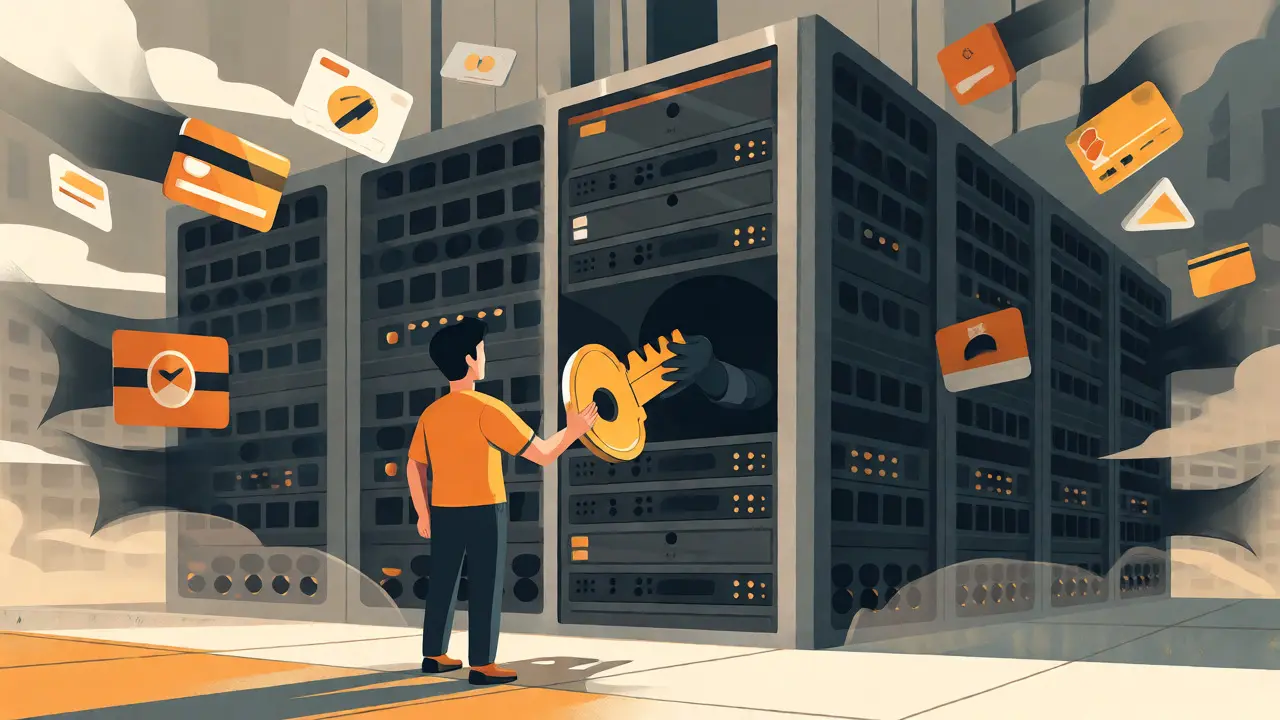
Imagine handing over your house keys to a stranger every time you wanted to prove you live at a specific address. Sounds ridiculous, right? Yet, that is essentially what we do online every single day. We hand our personal data-birth dates, addresses, credit card numbers-to centralized servers that are constantly under siege by hackers. Decentralized Identity changes this dynamic entirely. It shifts the power back to you, allowing you to own and control your digital footprint without relying on big tech companies or government databases as middlemen.
This isn't just a buzzword from a crypto conference. It is a practical solution to a broken system. If you have ever worried about a data breach exposing your social security number, or if you hate creating new passwords for every website, decentralized identity offers a cleaner, safer path forward. Let’s look at why this technology matters and how it actually works in the real world.
What Exactly Is Decentralized Identity?
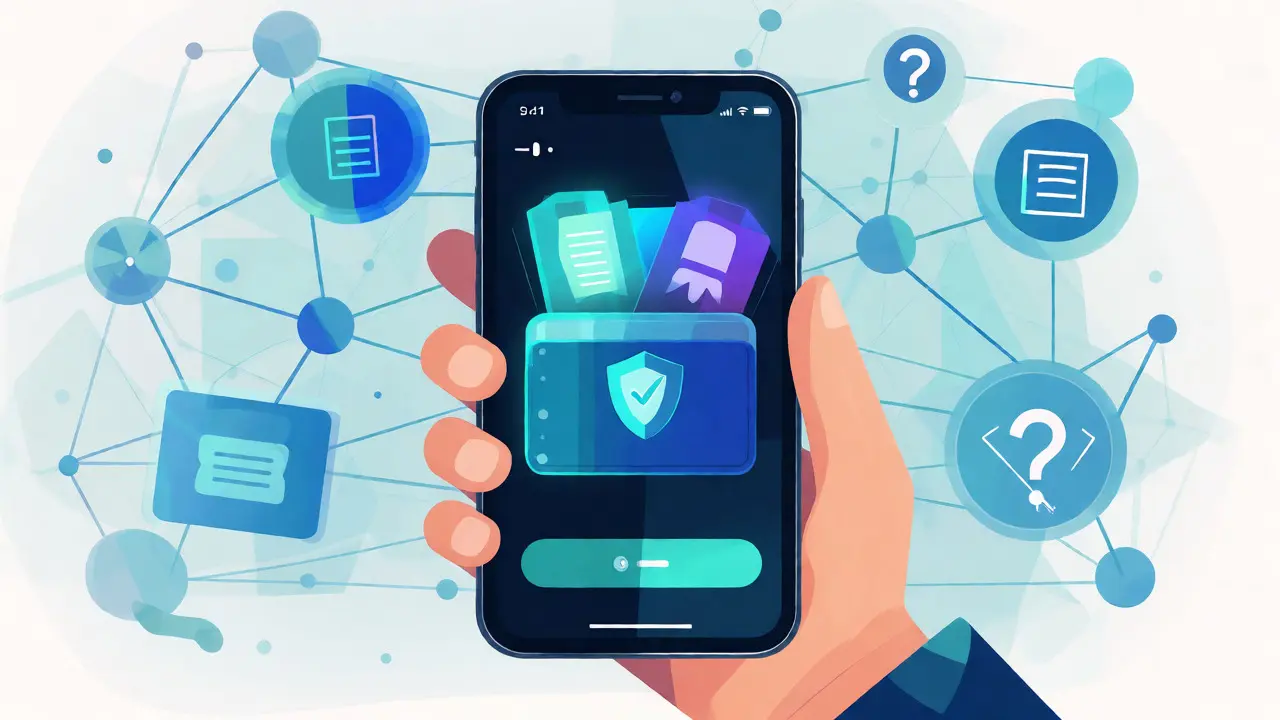
At its core, Decentralized Identity (DID) is a model where individuals manage their own digital identifiers and credentials. Unlike traditional systems where a central authority holds your data, DID uses blockchain technology and cryptographic keys to create unique, tamper-proof identifiers. You store these in a digital wallet on your phone, much like you store cryptocurrency, but instead of money, you hold proofs of who you are.
The magic happens through two main components defined by W3C standards: Decentralized Identifiers and Verifiable Credentials. A Decentralized Identifier is a unique string that points to your public key on a distributed ledger. It doesn’t contain personal info; it’s just an anchor. The Verifiable Credential is the actual proof-like a digital diploma or driver’s license-that has been cryptographically signed by an issuer. Because these are built on open standards, they work across different platforms. You don’t need Facebook to tell LinkedIn who you are; you can present your own verified credential directly.
You Control Who Sees What
The biggest shift here is privacy. In a centralized world, when you sign up for a service, you often give them more data than they need. They might ask for your full birth date just to check if you’re over 18. That’s unnecessary exposure. Decentralized identity solves this with zero-knowledge proofs. This cryptographic method lets you prove a statement is true without revealing the underlying data.
Think of it like showing a bouncer your ID. In the old model, you hand over your entire ID card, and they see your address, height, and eye color. With zero-knowledge proofs, you could technically show a digital token that says "Yes, I am over 18," without the bouncer ever seeing your name or address. This principle, known as data minimization, means you only share exactly what is required for the transaction. No more, no less. It drastically reduces the surface area for data leaks because you aren’t dumping your whole life story into a company’s database.
Say Goodbye to Single Points of Failure
Centralized databases are honeypots. When Equifax got hacked, millions of records were exposed because all the eggs were in one basket. Hackers love centralized systems because one successful attack yields massive returns. Decentralized identity spreads the risk. Since your credentials are stored on your device and verified against a distributed ledger, there is no central server holding everyone’s data waiting to be stolen.
If a hacker compromises a specific merchant’s database, they might get some transaction logs, but they won’t get your private keys or your full identity profile. Those stay with you. This architecture aligns perfectly with the Zero Trust security model, which assumes no entity is trusted by default. Every verification request must be cryptographically proven, not just assumed based on a login cookie. For businesses, this means less liability. You aren’t hoarding sensitive personally identifiable information (PII), so you have less to lose if your perimeter gets breached.
Interoperability Without the Headaches
We live in a fragmented digital world. Your Amazon account doesn’t talk to your Spotify account, and neither talks to your bank. Each silo requires separate logins and verification steps. Decentralized identity breaks down these walls. Because DIDs and Verifiable Credentials follow universal standards, they are interoperable by design.
Once you verify your university degree once, you can reuse that same credential for job applications, rental agreements, or banking services without re-uploading PDFs or waiting for background checks. This creates a seamless user experience. You carry your digital passport in your pocket. Whether you are opening a bank account in Perth or renting a car in London, the same verified credential works. This portability saves time and reduces friction, making online interactions smoother for everyone involved.
| Feature | Centralized Identity | Decentralized Identity |
|---|---|---|
| Data Storage | Company servers (vulnerable) | User’s device/wallet (secure) |
| Control | Provider controls access | User controls sharing |
| Privacy | Often excessive data collection | Selective disclosure via ZKPs |
| Portability | Locked to specific platform | Cross-platform compatibility |
| Breach Risk | High (single point of failure) | Low (distributed architecture) |
Regulatory Alignment and Cost Savings
Governments worldwide are tightening privacy laws. Regulations like GDPR in Europe and CPRA in California demand strict handling of personal data. Compliance is expensive and complex for companies storing vast amounts of user info. Decentralized identity simplifies this compliance burden. Since users hold their own data, companies don’t need to maintain massive, secure archives of PII. They simply verify a credential presented by the user.
This shift cuts costs significantly. Organizations spend less on data storage, security audits, and breach remediation. There is also a reduction in administrative overhead. Manual verification processes-like emailing copies of passports-are replaced by instant cryptographic checks. While implementing these systems requires initial investment, the long-term operational savings are substantial. Companies avoid the heavy fines associated with mishandling data because they barely handle it at all.
The User Experience Challenge
It’s not all sunshine and rainbows yet. The technology demands a learning curve. Managing cryptographic keys is different from managing passwords. If you lose your private key, you lose access to your identity. There is no "forgot password" link sent to an email server because the server doesn’t know you exist in the same way. Users must take responsibility for backing up their wallets.
However, user interfaces are improving rapidly. Digital wallets are becoming as intuitive as mobile banking apps. Early adopters report that once the setup is done, the convenience outweighs the initial effort. The frustration of repeatedly entering personal details vanishes. As adoption grows, support systems will mature, making it easier for non-technical users to manage their self-sovereign identities safely.
Why This Matters Now
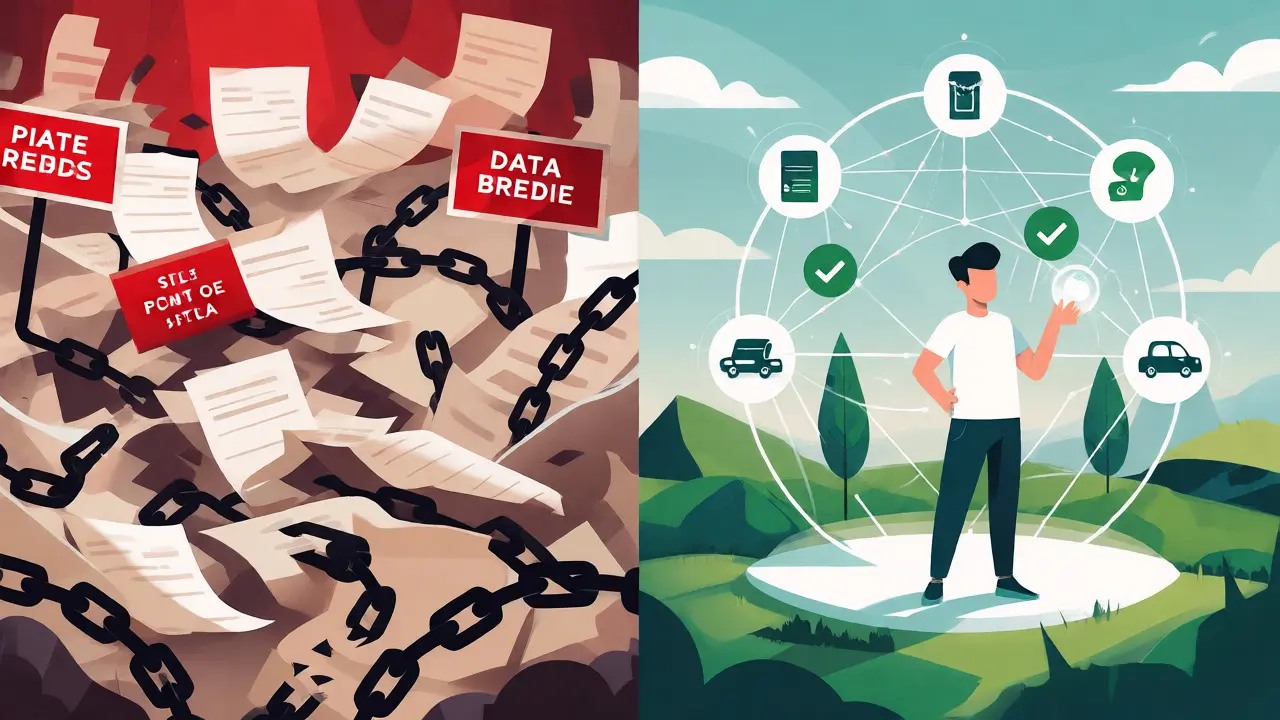
We are reaching a tipping point. Data breaches are no longer anomalies; they are routine. Users are increasingly aware that their data is being monetized, often without fair compensation. Decentralized identity offers a return to basics: your data, your rules. It empowers individuals to participate in the digital economy on their terms, not on the terms of large corporations.
For developers and businesses, ignoring this trend is risky. Integrating decentralized identity solutions now future-proofs operations against stricter regulations and evolving user expectations. It builds trust. When customers know you aren’t hoarding their secrets, they are more likely to engage with your services. This isn't just about technology; it's about rebuilding the broken contract between users and the internet.
Is decentralized identity the same as cryptocurrency?
No, although they both use blockchain technology. Cryptocurrency deals with financial value transfer, while decentralized identity deals with authentication and data ownership. However, many digital wallets that hold crypto can also hold verifiable credentials, merging finance and identity management.
What happens if I lose my digital wallet?
If you lose your device and haven't backed up your recovery phrase, you may lose access to your credentials. Most modern wallets offer cloud backup options or allow you to register multiple devices. It is crucial to treat your recovery phrase with the same care as a physical safe combination.
Do companies still need to verify me?
Yes, but differently. Instead of storing your data, they verify a cryptographic signature attached to your credential. They confirm that a trusted issuer (like a government agency) vouched for you, without needing to keep a copy of your personal documents on file.
Can anyone hack my decentralized identity?
Hacking the blockchain itself is extremely difficult due to consensus mechanisms. The primary risk is user error, such as phishing attacks that trick you into signing a malicious transaction or losing your private key. Security depends heavily on user behavior and wallet hygiene.
Is decentralized identity legal everywhere?
Legal recognition varies by jurisdiction. Many regions accept digital signatures and electronic IDs, but specific laws regarding DIDs are still evolving. However, technologies like zero-knowledge proofs are generally viewed favorably by regulators because they enhance privacy compliance.