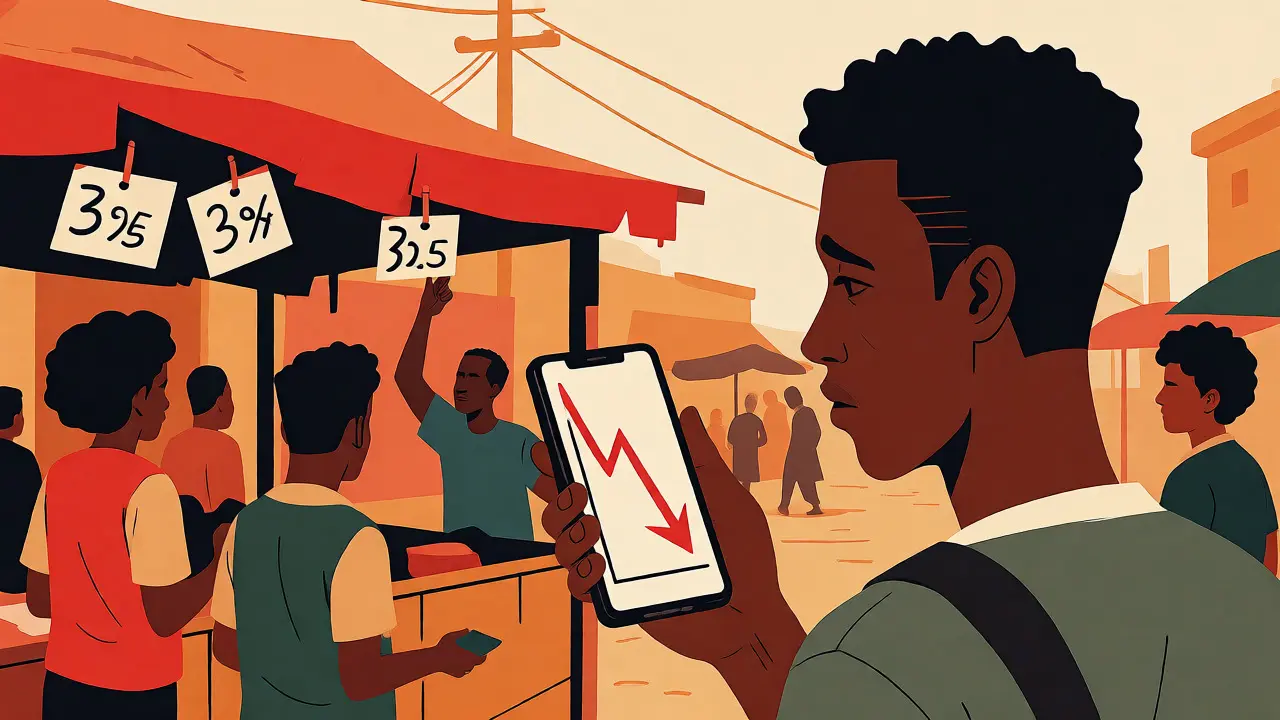
Imagine trying to buy a laptop when your local currency loses half its value in a year. That’s not a hypothetical scenario for millions of Nigerians; it’s their Tuesday morning reality. While the rest of the world debates whether Bitcoin is an asset or a scam, Nigeria has quietly become one of the most active crypto markets on Earth. The country consistently ranks near the top of global adoption indices, driven not by hype, but by sheer necessity. Nigeria has emerged as a powerhouse for peer-to-peer (P2P) cryptocurrency trading, where individuals trade digital assets directly with each other without relying on traditional banking intermediaries.
This isn’t just about tech enthusiasts chasing gains. It’s about survival and efficiency in an economy grappling with high inflation and limited access to foreign currency. If you’ve ever wondered why a developing nation leads the world in decentralized finance while developed economies lag behind, the answer lies in the broken promises of traditional banking. Let’s break down exactly how this happened, what drives it, and what it means for the future of money in Africa.
The Perfect Storm: Why Nigerians Turned to Crypto
To understand Nigeria’s dominance in P2P crypto adoption, you have to look at the economic pressure cooker that created it. For years, the Nigerian Naira has faced severe devaluation against the US Dollar. Since 2016, the Naira has lost more than three-quarters of its value. When your savings evaporate because of government monetary policy, people stop trusting banks and start looking for exits.
Traditional banks in Nigeria often fail to provide adequate access to USD, which is crucial for importing goods, paying for online services, or sending children abroad for education. Foreign exchange restrictions make it nearly impossible for ordinary citizens to get dollars through official channels. Enter cryptocurrency. By using stablecoins like USDT or Bitcoin, Nigerians can effectively hold "digital dollars" that don’t depreciate at the same rate as the Naira. This isn’t speculation; it’s a hedge against hyperinflation.
- Inflation Hedge: With inflation surging over 24% in recent years, holding cash feels like watching money burn.
- Currency Access: P2P platforms allow users to buy and sell USDT/USD pairs instantly, bypassing bank queues.
- Unbanked Population: About 36% of Nigerian adults are unbanked. Crypto wallets require only a smartphone, not a credit history.
The result is a massive shift in behavior. Instead of waiting weeks for a wire transfer or fighting with a bank manager for $500, a student in Lagos can swap Naira for Bitcoin in minutes via a P2P app. This speed and accessibility are the primary engines driving adoption.
Bypassing the Ban: How Regulation Fueled Innovation
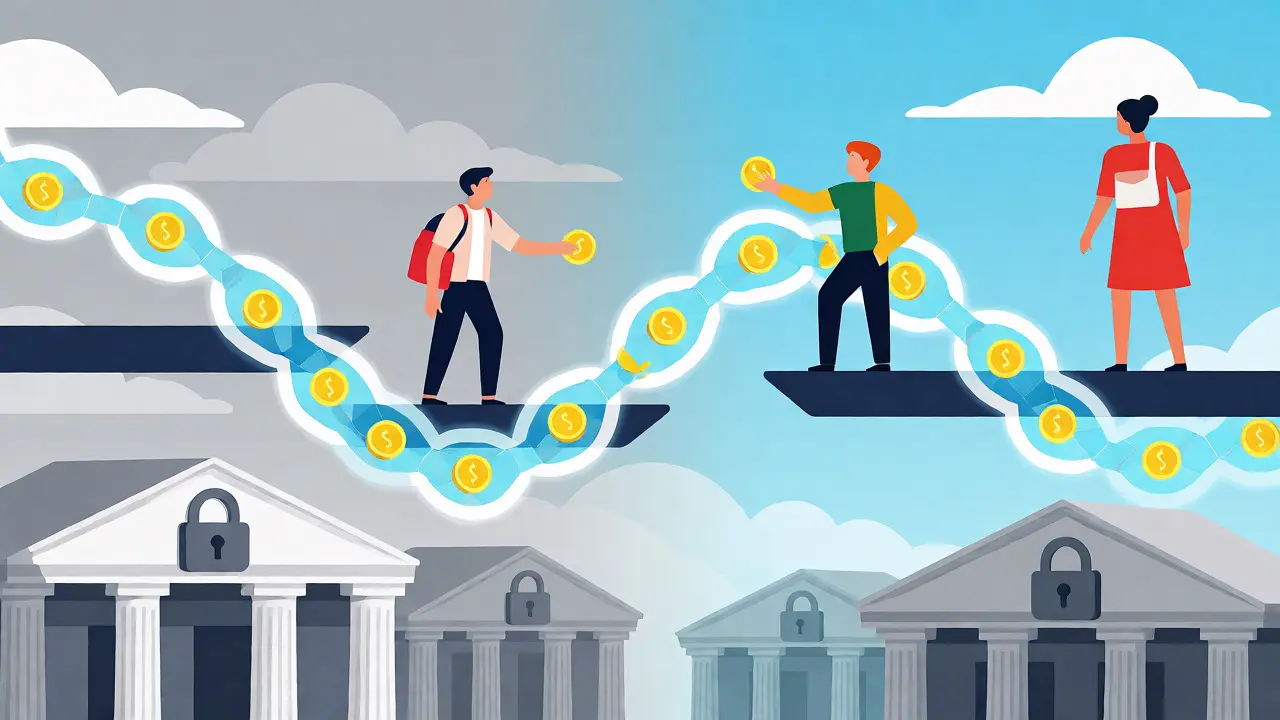
You might think that strict government rules would kill a new technology. In Nigeria, they did the opposite. In 2021, the Central Bank of Nigeria (CBN) instructed commercial banks to cease transactions with cryptocurrency exchanges. The goal was to protect the Naira and curb speculative capital flight. But here’s the twist: banning the bridge doesn’t stop the river from flowing.
By cutting off direct bank-to-exchange links, the CBN inadvertently pushed the market underground into peer-to-peer networks. Traders couldn’t deposit Naira directly into an exchange account, so they started transferring funds directly to other users’ bank accounts within the P2P platform. This decentralized model proved incredibly resilient. It removed the single point of failure-the bank-and made the system harder to shut down.
| Period | Regulatory Status | Market Impact |
|---|---|---|
| 2017-2020 | Informal / Gray Area | Growth driven by early adopters and arbitrage traders. |
| 2021-2023 | Bank Ban Enforced | Surge in P2P volume as users bypassed banks; rise of local platforms like Quidax and Patricia. |
| Late 2023-Present | Ban Lifted / Regulated | Institutional entry, improved liquidity, and integration with formal financial systems. |
When the CBN finally lifted the ban in late 2023, allowing banks to service crypto businesses again, the ecosystem didn’t collapse back into centralized exchanges. The P2P infrastructure had already matured. Users had learned how to secure their own keys, verify counterparties, and navigate volatility. The regulatory shift simply added a layer of legitimacy, boosting investor confidence without killing the grassroots momentum.
The Mechanics of Nigerian P2P Trading
So, how does it actually work? If you’re used to buying stocks through a broker, P2P crypto feels different. There is no central order book matching buyers and sellers automatically in the traditional sense. Instead, platforms act as escrow services.
Let’s say you want to buy Bitcoin. You post an offer to buy BTC with Naira. Another user accepts your offer. You send the Naira directly to their bank account via a mobile transfer. Once they confirm receipt, the platform releases the Bitcoin from escrow to your wallet. This process relies heavily on trust scores and reputation systems built into apps like Binance P2P, Paxful, and local heroes like Quidax.
The most traded pair isn’t even Bitcoin/Naira-it’s often USDT/Naira. Stablecoins offer the dollar exposure users want without the extreme volatility of Bitcoin. This preference highlights the utilitarian nature of Nigerian crypto adoption. People aren’t buying coins to "HODL" for ten years; they’re using them as a medium of exchange and a store of value.
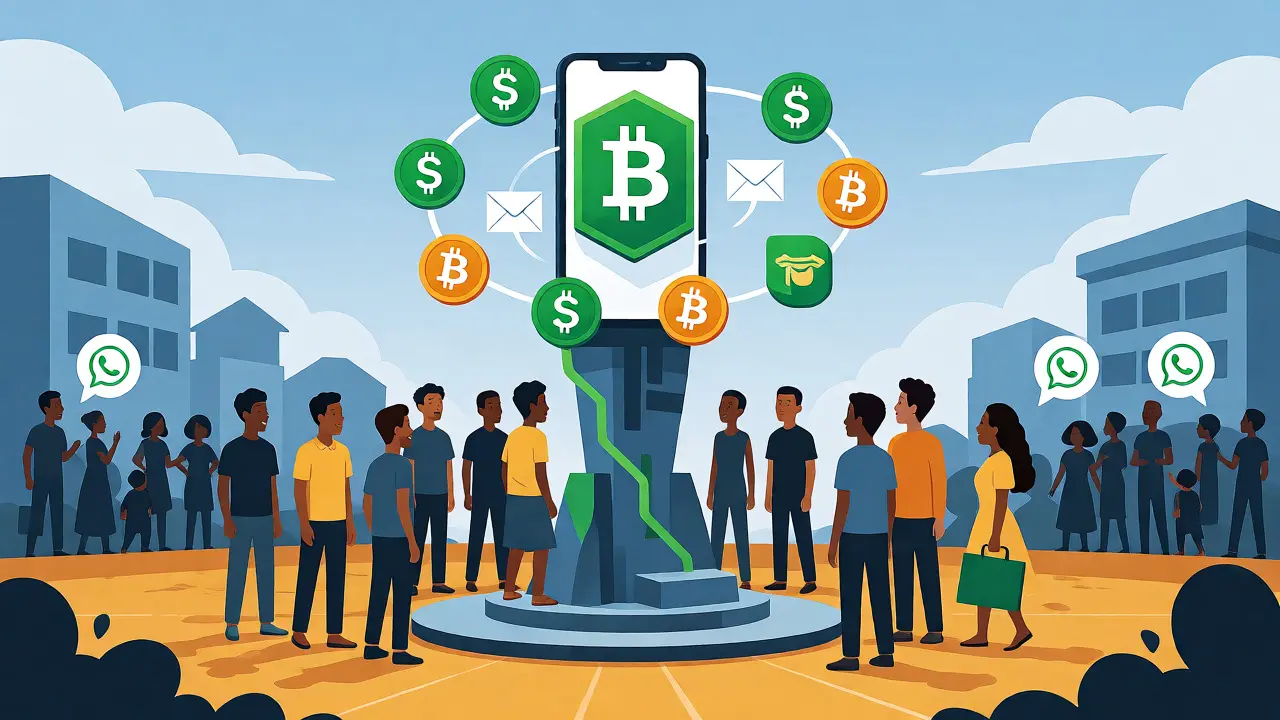
Security practices have also evolved. Early on, scams were rampant. Today, experienced traders use multi-factor authentication, limit transaction sizes, and prefer verified merchants. Community support groups on Telegram and WhatsApp play a huge role here, warning members about fraudulent addresses or suspicious payment methods in real-time.
Remittances: The Killer App for Crypto
If there is one specific job-to-be-done that explains Nigeria’s ranking, it’s remittances. Nigerians living abroad send billions of dollars home every year. Traditional money transfer operators (MTOs) like Western Union or WorldRemit charge fees that can reach 8% per transaction. Plus, exchange rates are often unfavorable.
Crypto offers a cheaper, faster alternative. A relative in London buys USDT with pounds, sends it to a family member in Abuja via blockchain, and the recipient sells it for Naira on a P2P platform. The total cost is often less than 2%, and the settlement time is minutes rather than days. For families relying on these transfers for food and rent, saving 6% is life-changing money.
This utility extends beyond personal remittances. Small business owners use crypto to pay suppliers in China or India, avoiding the bureaucratic nightmare of international wire transfers. The frictionless nature of cross-border payments makes crypto indispensable for Nigeria’s import-dependent economy.
Key Players and Infrastructure Growth
The market isn’t dominated by a single entity. It’s a diverse ecosystem of local and international players competing on price and convenience. Local exchanges like Quidax and Patricia have gained significant traction by offering better customer support and deeper liquidity in Naira pairs compared to global giants.
Infrastructure upgrades are also underway. In 2025, the Nigeria Inter-Bank Settlement System (NIBSS) partnered with blockchain networks to modernize interbank settlements. This signals a move toward integrating crypto rails with traditional finance. Furthermore, the Investments and Securities Act of 2025 recognized digital assets as financial securities, providing a clearer legal framework for investors and institutions.
Moniepoint, a fintech unicorn valued at $1 billion, exemplifies the convergence of traditional fintech and crypto. Their success shows that the line between banking and crypto is blurring. As these companies grow, they bring more liquidity and stability to the P2P market, making it safer for mainstream users.
Challenges and Risks Ahead
Despite the boom, it’s not all smooth sailing. Volatility remains a double-edged sword. While stablecoins mitigate risk, many users still trade volatile assets like Bitcoin and Ethereum. A sudden crash can wipe out profits quickly. Additionally, regulatory uncertainty lingers. While the ban is lifted, tax laws and reporting requirements are still evolving. Users worry about potential future crackdowns or stricter KYC (Know Your Customer) rules.
Platform security is another concern. P2P platforms are not custodial in the traditional sense; if you lose your private key, your money is gone. Phishing attacks and social engineering scams target inexperienced users constantly. Education is the best defense, but the learning curve can be steep for those unfamiliar with digital wallets.
Finally, competition from Central Bank Digital Currencies (CBDCs) looms. The eNaira, Nigeria’s CBDC, aims to offer similar benefits to crypto-fast, cheap transactions-but with state backing. Whether the eNaira will gain enough trust and utility to compete with decentralized alternatives remains to be seen.
What Other Markets Can Learn
Nigeria’s story isn’t unique to Africa. Countries facing similar issues-high inflation, weak currencies, and limited banking access-are watching closely. The lesson is clear: when traditional finance fails, people will build their own solutions. Decentralization thrives where centralization breaks down.
For developers and entrepreneurs, Nigeria represents a blueprint for product-market fit. Building tools that solve immediate pain points (like currency conversion) matters more than ideological purity. For policymakers, the resilience of the Nigerian crypto sector proves that prohibition rarely works. Adaptation and regulation yield better outcomes than bans.
As we move further into 2026, Nigeria’s position as a crypto leader seems secure. The demographic trend-a young, tech-savvy population-is irreversible. With over 22 million Nigerians expected to use cryptocurrency, the network effect will only strengthen. The question isn’t whether crypto will stay relevant in Nigeria, but how deeply it will integrate into the everyday fabric of economic life.
Why is P2P trading so popular in Nigeria?
P2P trading allows Nigerians to bypass restrictive banking policies and access foreign currencies like the US Dollar easily. It provides a faster, cheaper way to convert Naira to crypto compared to traditional banks, especially during periods of high inflation and currency devaluation.
Is cryptocurrency legal in Nigeria?
Yes, cryptocurrency is legal to own and trade. In late 2023, the Central Bank of Nigeria lifted its ban on banks servicing crypto businesses, allowing regulated exchanges to operate openly. The Investments and Securities Act of 2025 further recognizes digital assets as financial securities.
Which cryptocurrencies are most used in Nigeria?
While Bitcoin is well-known, stablecoins like Tether (USDT) are extremely popular because they offer dollar exposure without high volatility. Other commonly traded assets include Ethereum, Ripple (XRP), and Dash due to their lower transaction fees.
How do Nigerians send money abroad using crypto?
Users buy stablecoins (like USDT) with Naira on a local P2P platform, send the coins to a recipient's wallet abroad, and the recipient converts them to local currency. This method is often faster and cheaper than traditional wire transfers or money transfer operators.
What are the main risks of P2P crypto trading?
Risks include price volatility, potential scams from fraudulent counterparties, loss of private keys, and regulatory changes. Users must practice good security hygiene, such as verifying merchant ratings and using two-factor authentication.