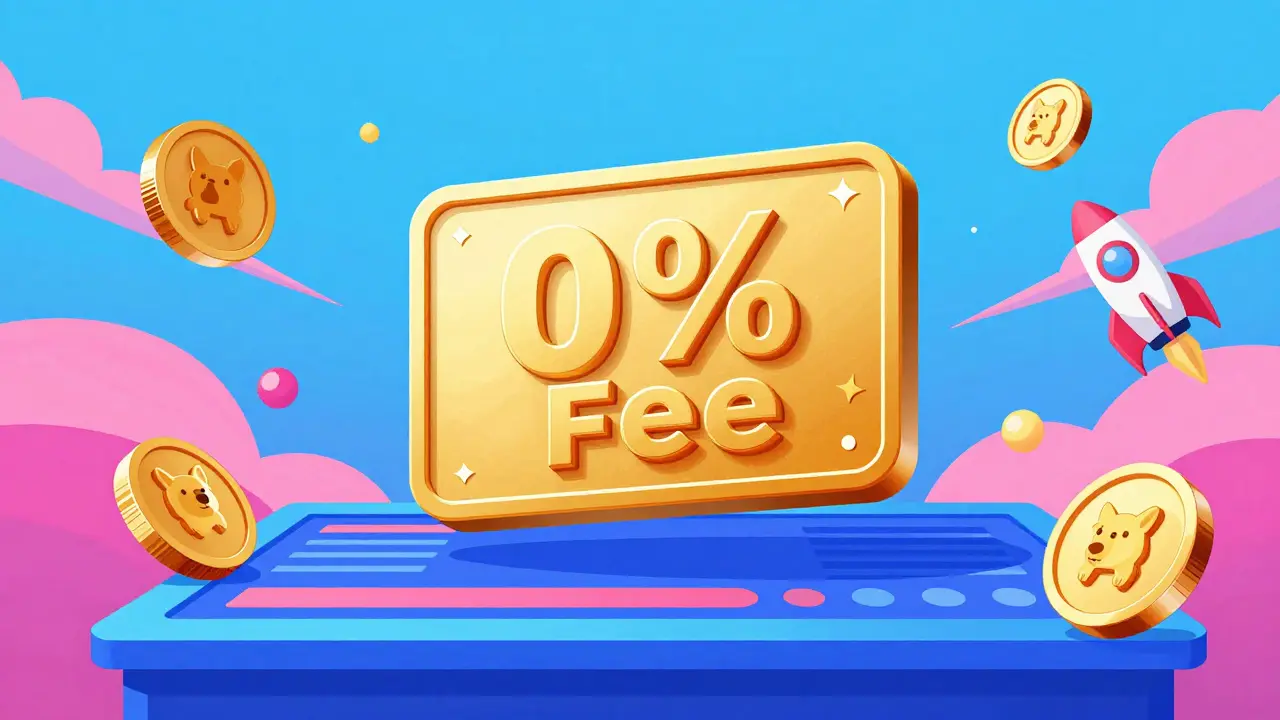
Imagine a trading platform where you pay absolutely nothing in fees. No maker fees, no taker fees-just pure trading. It sounds like a dream, but in the world of crypto, "too good to be true" usually is. DYORSwap (Plasma) is a decentralized exchange (DEX) operating on the Plasma blockchain ecosystem, primarily designed for trading emerging tokens and meme coins. While the 0% fee structure is an eye-catching hook, the platform carries significant red flags that every trader needs to see before connecting their wallet.
The Appeal of Zero Fees
Most decentralized exchanges, like Uniswap or PancakeSwap, typically charge a 0.3% fee on trades. DYORSwap (Plasma) completely removes this, offering a 0.00% fee for both makers and takers. For someone hunting for the next 100x meme coin, this seems like a huge win. However, fees usually fund the platform's security, development, and liquidity incentives. When a platform charges nothing, you have to ask: how is it sustainable, and what is the actual cost of using it?
Understanding the Plasma Ecosystem
It is easy to confuse this platform with DYOR.io, but they are different beasts. While DYOR.io lives on The Open Network (TON), DYORSwap (Plasma) is tied exclusively to the Plasma blockchain. This is a niche environment focused almost entirely on high-risk, low-cap tokens. If you are looking to trade Bitcoin or Ethereum, you won't find them here in their native form. Instead, you'll find tokens with names like "trillions" or "GOD ♱". This isn't a place for conservative investing; it is a speculative playground.
| Feature | DYORSwap (Plasma) | Major DEXs (e.g., Uniswap) |
|---|---|---|
| Trading Fees | 0.00% | Typically 0.3% |
| Blockchain | Plasma | Multi-chain (Ethereum, Polygon, etc.) |
| Token Variety | Niche Meme Coins | Thousands of Diverse Assets |
| Transparency | Low ("Unknown DEX" labels) | High (Open Source/Verified) |
| Regulation | Unregulated | Varies (mostly unregulated, but compliant) |
The Red Flags: Volume vs. Liquidity
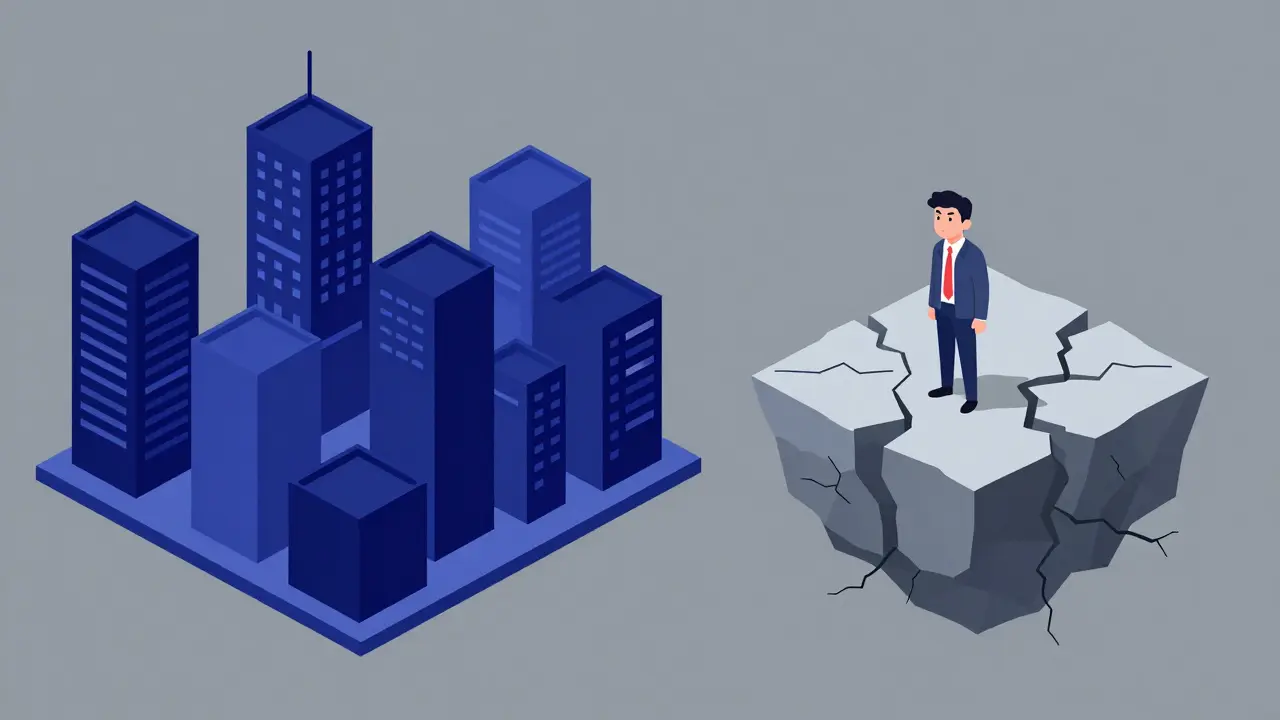
Here is where things get weird. If you look at some data providers, you might see high reported volumes. For example, certain pairs have shown millions of dollars in 24-hour volume. But professional blockchain researchers, including Alex Saunders, have pointed out a glaring discrepancy: the liquidity depth is incredibly shallow. In plain English, this means that while the numbers look big, there isn't actually much money in the pools. If you try to sell a large amount of a token, you'll likely experience massive "slippage," where the price drops drastically as your order executes. High volume combined with low liquidity is often a sign of wash trading-where bots trade with themselves to make a platform look busier than it is.
User Experience and Technical Barriers
Trading on DYORSwap isn't as simple as clicking a button. There is no mobile app and no desktop client. You have to use a web browser and a wallet that specifically supports the Plasma blockchain. One of the biggest hurdles is the lack of a standardized interface. To buy tokens, you often have to manually find a contract address from a Twitter post or a separate website, then paste it into the swap interface. This manual process is a nightmare for beginners and a goldmine for scammers. If you paste the wrong address, your funds are gone forever. Most modern DEXs integrate with analytics tools like DexScreener to verify tokens; DYORSwap is often labeled as an "unknown DEX," meaning it doesn't play well with the tools traders use to stay safe.
Security and Regulatory Risks
Let's be direct: there is no evidence that DYORSwap (Plasma) is regulated by any government authority. While being "unregulated" is common for DEXs, the lack of a public whitepaper, a GitHub repository, or a known founding team makes it a high-risk environment. Industry analysts have warned that platforms requiring manual contract verification without standardized analytics are prime candidates for "honeypots"-tokens you can buy but can never sell. Without a transparent audit or a proven track record, you are essentially gambling on the honesty of an anonymous developer.
The Bottom Line: Should You Use It?
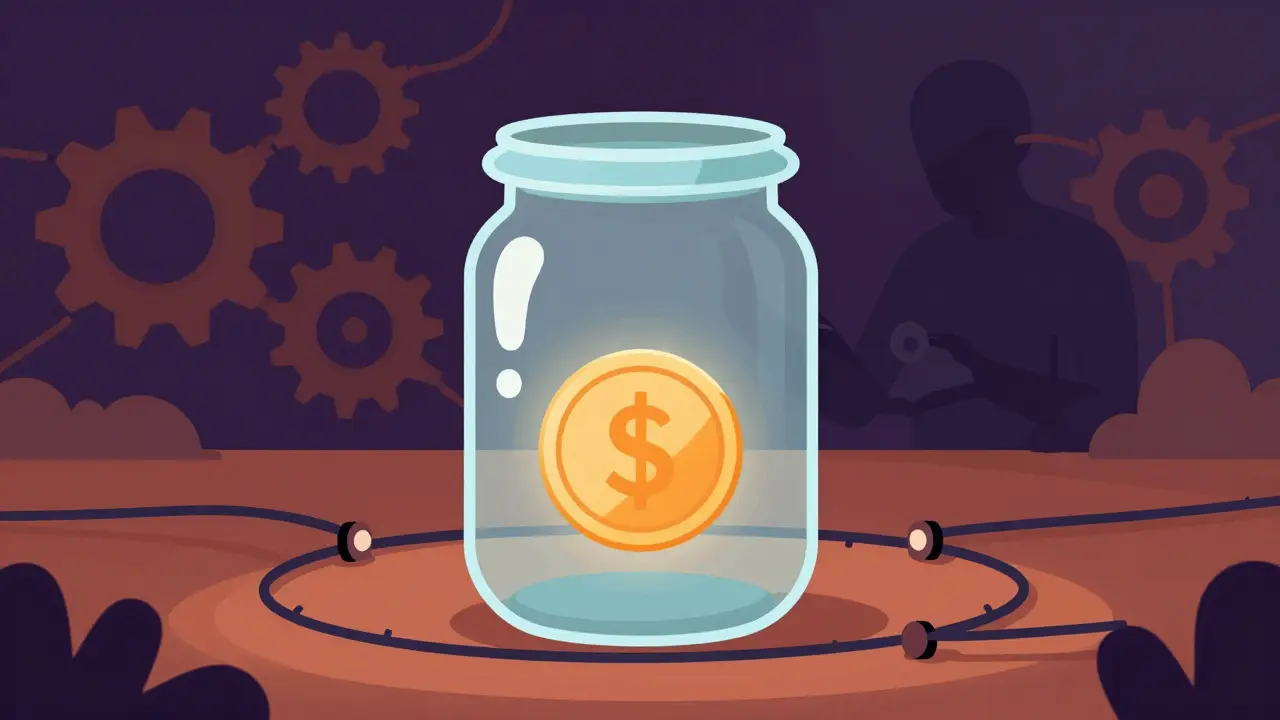
If you are a seasoned DeFi degenerate who understands the risks of the Plasma blockchain and only wants to gamble small amounts of money on meme coins, the zero fees are tempting. But for anyone else, the risks far outweigh the rewards. Between the suspected volume manipulation, the "unknown" status on analytics platforms, and the manual effort required to verify contracts, this is a dangerous place for your capital. The lack of community support-no active Discord or Telegram-means if something goes wrong, you are completely on your own.
Is DYORSwap (Plasma) a scam?
While it hasn't been definitively labeled a scam by a court, it exhibits several high-risk behaviors typical of fraudulent platforms: anonymous ownership, suspected volume manipulation, and lack of integration with standard security tools like DexScreener. Use extreme caution.
How do the 0% fees work?
The platform claims to offer 0% maker and taker fees. However, because it is a DEX, you still have to pay network gas fees to the Plasma blockchain for every transaction you make.
What is the difference between DYORSwap (Plasma) and DYOR.io?
DYOR.io operates on the TON blockchain and uses the TON Connect protocol. DYORSwap (Plasma) is a separate entity operating exclusively on the Plasma blockchain. They are not the same service.
Can I trade Bitcoin or Ethereum on DYORSwap?
No. You can only trade tokens that exist on the Plasma blockchain. You cannot trade mainstream assets unless they have a specific wrapped version on that niche chain.
How do I find the tokens to swap?
Users typically have to find the contract addresses manually via the project's website, Twitter (X), or a Plasma blockchain explorer (Plasma Scan), then paste that address into the exchange.
Next Steps for Traders
If you've already deposited funds into this ecosystem, your first priority should be checking the liquidity of your assets on a third-party explorer. If you are looking for a DEX, consider established options with audited smart contracts and deep liquidity pools to avoid the "honeypot" trap. Always verify contract addresses through multiple independent sources and never trade more than you are willing to lose entirely.